


[Reading level: C1 – Advanced]
The world experienced two oil crises within less than a decade, which shook the global economy.
The conflict between the US, Israel, and Iran is pushing the global energy market into an unprecedented state of tension, as the Strait of Hormuz—through which nearly 20% of the world’s oil supply passes—has been paralyzed. Energy prices have surged, and major economies are beginning to face inflationary pressure and slowing growth.
The current situation recalls the two oil shocks of 1973 and 1979, when geopolitical conflicts in the Middle East quickly turned into energy crises, triggering global economic recessions and reshaping the balance of power in the oil market for decades afterward.
In 1948, Britain ended its mandate over Palestinian territory, leading to the creation of the State of Israel. However, most Arab countries in the region refused to recognize Israel, resulting in intermittent conflicts that escalated into wars in the following decades.
In early October 1973, the Yom Kippur War broke out when Egypt and Syria attacked Israel on the Jewish holy day of Yom Kippur. After the Soviet Union began supplying weapons to Egypt and Syria, US President Richard Nixon also provided military aid to Israel. In response, the Organization of Arab Petroleum Exporting Countries (OAPEC) reduced production and imposed an oil embargo on shipments to the US and the Netherlands, Israel’s main supporters.
The Yom Kippur War ended at the end of October that year, but OAPEC maintained its embargo and production cuts, leading to a global energy crisis.
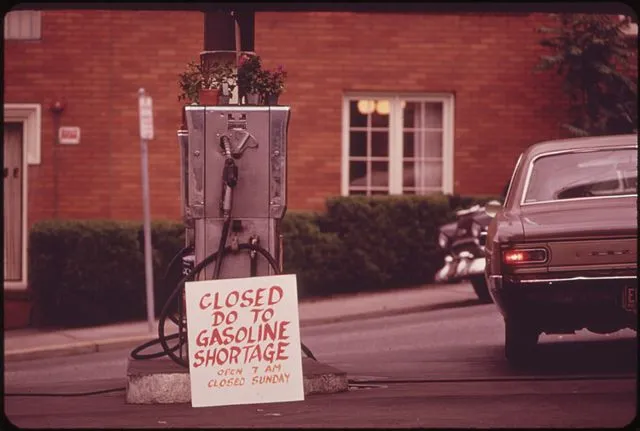
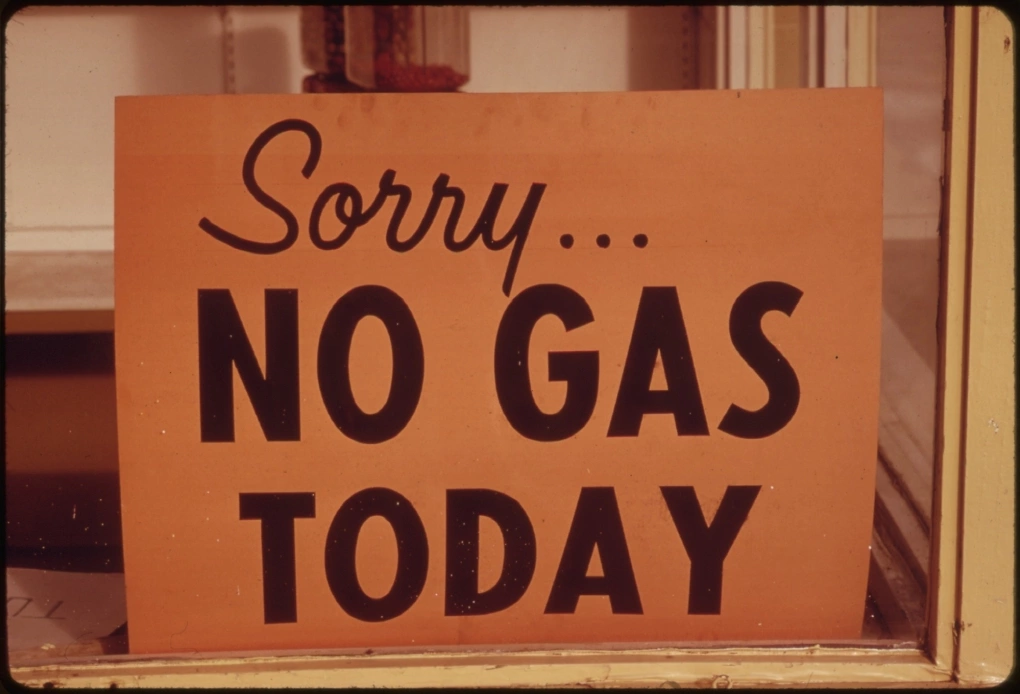
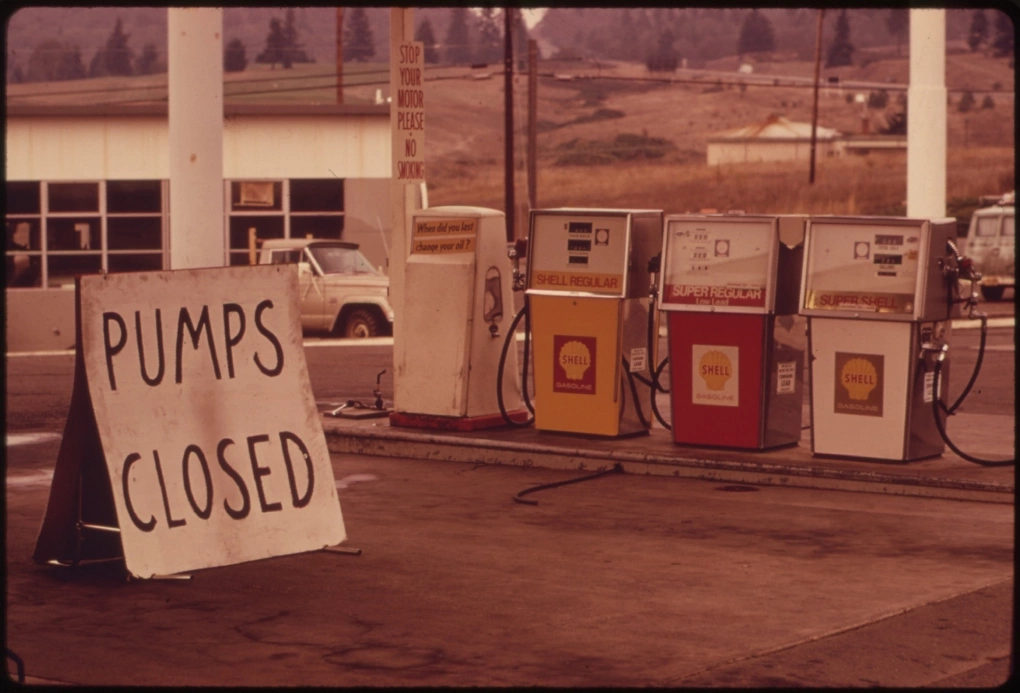
The US had assumed that Gulf countries themselves would suffer from their own embargo, but in reality, Washington was mistaken, as higher oil prices compensated for reduced output. Within three months of the embargo, oil prices rose from $3 to $12 per barrel. Americans, who had been accustomed to abundant supply and rising consumption, now faced fuel shortages, resulting in long lines at gas stations.
US authorities quickly implemented energy-saving measures, such as requiring gas stations to close on Sundays. The crisis also dealt a heavy blow to the US auto industry, allowing Japan to overtake it with compact and more fuel-efficient cars.
In Europe, rising oil prices led to an even more severe energy crisis than in the US. Most industrialized countries depended heavily on imported oil. Even the US, though less affected than Western Europe, imported up to 35% of its energy needs, while OPEC accounted for half of global oil exports.
Countries such as the UK, Germany, Switzerland, Norway, and Denmark imposed restrictions on driving, boating, and flying. The British Prime Minister even urged people to heat only one room in their homes during winter.
The embargo was lifted in March 1974, but oil prices remained high, and the consequences of the crisis lasted for many years.
In the US, the crisis prompted subsequent presidents to prioritize energy security. The country boosted domestic oil production, reduced dependence on fossil fuels, and sought alternative energy sources such as renewable and nuclear energy.
During the 1970s, many laws were introduced to change how the US used energy, from the Emergency Petroleum Allocation Act of 1973 to the establishment of the Department of Energy in 1977. One notable measure was the creation of the Strategic Petroleum Reserve in 1975, which currently has a capacity of 714 million barrels.
Other Western economies gradually adapted to high oil prices and inflationary pressures, easing the extreme policies implemented after the 1973 crisis. However, this confidence disappeared when the next crisis erupted in the Middle East.
In January 1979, Iran’s Shah Mohammad Reza Pahlavi was overthrown in the Islamic Revolution, leading to protests that disrupted the oil industry and removed 3–4 million barrels per day from the global market. When Iran resumed exports, its output remained unstable and lower than before, pushing prices upward.
Saudi Arabia and other OPEC countries increased production to compensate, but total output still fell by about 4%. Meanwhile, widespread panic drove oil prices much higher than expected under normal conditions.
In September 1980, Iraqi leader Saddam Hussein launched a war against Iran, taking advantage of its instability. The conflict lasted eight years, severely cutting oil production in both countries and removing another 3 million barrels per day from global supply.
Oil prices surged from $16 per barrel in January 1980 to $36 by the end of September. This $20 increase had a severe impact on the global economy. Western oil-importing countries quickly adopted strict monetary policies to combat inflation, leading to the global recession of 1980–1982.
Economic output declined sharply, and unemployment rates in many industrialized countries rose to double digits, the highest since World War II. In the US, unemployment exceeded 10% in 1982, while in the UK and Europe, prolonged stagnation left millions jobless.
Oil prices began to cool as other countries increased production to offset shortages. Prices continued to decline steadily over the next 20 years, except for a brief spike during the Gulf War. Compared to 1980, oil prices in the 1990s had fallen by about 60%.
“One lesson from the 1970s is that people must have emergency reserves to prepare for crises like the current one,” said Pavel Molchanov, an analyst at Raymond James.
On March 23, Fatih Birol, Executive Director of the International Energy Agency (IEA), warned that the current crisis could be even more severe.
On March 11, the IEA announced that its 32 member countries had agreed to release a total of 400 million barrels of oil from reserves—equivalent to one-third of their total stockpiles—to cool the energy market. This is the largest release in the IEA’s history, more than double the 182 million barrels released when the Ukraine conflict broke out in February 2022.
Observers warn that releasing reserves is only a short-term measure, and even if the Strait of Hormuz reopens, oil prices may remain high.
“Will Hormuz reopen, and for how long?” asked Phillip Braun, a finance professor at Northwestern University. “There is too much uncertainty about what will happen next. Even if the strait returns to normal, oil prices are still expected to rise in the short term.”
Source: https://vnexpress.net/hai-cu-soc-dau-mo-lam-rung-chuyen-kinh-te-toan-cau-thap-nien-1970-5053850.html
WORD BANK:
crisis (plural: crises) /ˈkraɪ.sɪs/ (n): cuộc khủng hoảng
unprecedented /ʌnˈpres.ɪ.den.t̬ɪd/ [C1] (adj): chưa từng có
tension /ˈten.ʃən/ (n): sự căng thẳng
strait /streɪt/ (n): eo biển
paralyze /ˈper.ə.laɪz/ (v): làm tê liệt
surge /sɝːdʒ/ (n,v): sự tăng vọt; tăng mạnh
inflation /ɪnˈfleɪ.ʃən/ (n): lạm phát
inflationary /ɪnˈfleɪ.ʃə.ner.i/ (adj): thuộc lạm phát
recall sth /rɪˈkɔːl/ (v): thu hồi; nhớ lại
geopolitical /ˌdʒiː.oʊ.pəˈlɪt̬.ɪ.kəl/ (adj): địa chính trị
trigger sth /ˈtrɪɡ.ɚ/ (v): gây ra
recession /rɪˈseʃ.ən/ (n): suy thoái kinh tế
mandate over /ˈmæn.deɪt/ (v): có quyền kiểm soát
intermittent /ˌɪn.t̬ɚˈmɪt̬.ənt/ (adj): gián đoạn
escalate /ˈes.kə.leɪt/ (v): leo thang
Jewish /ˈdʒuː.ɪʃ/ (adj): thuộc Do Thái
aid /eɪd/ (n,v): viện trợ; hỗ trợ
impose sth on sb/sth /ɪmˈpoʊz/ (v): áp đặt lên
embargo /ɪmˈbɑːr.ɡoʊ/ (n): lệnh cấm vận
shipment /ˈʃɪp.mənt/ (n): lô hàng
assume /əˈsuːm/ (v): cho rằng; đảm nhận
compensate for sth /ˈkɑːm.pən.seɪt/ (v): bù đắp
barrel /ˈber.əl/ (n): thùng (dầu)
abundant /əˈbʌn.dənt/ (adj): dồi dào
shortage /ˈʃɔːr.t̬ɪdʒ/ (n): sự thiếu hụt
implement sth /ˈɪm.plə.ment/ (v): thực hiện
a heavy blow to sb/sth /ˈhev.i bloʊ/ (n): cú đánh nặng nề
overtake sb/sth /ˌoʊ.vɚˈteɪk/ (v): vượt qua
compact /ˈkɑːm.pækt/ (adj): nhỏ gọn
fuel-efficient /ˈfjuː.əl ɪˌfɪʃ.ənt/ (adj): tiết kiệm nhiên liệu
severe /səˈvɪr/ (adj): nghiêm trọng
restriction /rɪˈstrɪk.ʃən/ (n): sự hạn chế
urge sb to do sth /ɝːdʒ/ (v): thúc giục
lift sth /lɪft/ (v): gỡ bỏ
prompt sb to do sth /prɑːmpt/ (v): thúc đẩy
subsequent /ˈsʌb.sə.kwənt/ (adj): tiếp theo
seek sth (past: sought) /siːk/ (v): tìm kiếm
alternative /ɔːlˈtɝː.nə.t̬ɪv/ (n,adj): sự thay thế; thay thế
allocation /ˌæl.əˈkeɪ.ʃən/ (n): sự phân bổ
act /ækt/ (n): đạo luật
notable /ˈnoʊ.t̬ə.bəl/ (adj): đáng chú ý
reserve /rɪˈzɝːv/ (n): dự trữ
capacity /kəˈpæs.ə.t̬i/ (n): công suất; khả năng
adapt to sth /əˈdæpt/ (v): thích nghi
erupt /ɪˈrʌpt/ (v): bùng nổ
overthrow /ˌoʊ.vɚˈθroʊ/ (v): lật đổ
protest /ˈproʊ.test/ (n,v): cuộc biểu tình; phản đối
disrupt /dɪsˈrʌpt/ (v): làm gián đoạn
resume sth /rɪˈzuːm/ (v): tiếp tục
panic /ˈpæn.ɪk/ (n,v): hoảng loạn
take advantage of sth /ədˈvæn.t̬ɪdʒ/ (v): tận dụng
instability /ˌɪn.stəˈbɪl.ə.t̬i/ (n): sự bất ổn
adopt sth /əˈdɑːpt/ (v): áp dụng
monetary policy /ˈmɑː.nəˌter.i ˈpɑː.lə.si/ (n): chính sách tiền tệ
combat sth /kəmˈbæt/ (v): chống lại
recession /rɪˈseʃ.ən/ (n): suy thoái
double digits /ˌdʌb.əl ˈdɪdʒ.ɪts/ (n): hai chữ số
exceed sth /ɪkˈsiːd/ (v): vượt quá
prolonged /prəˈlɔːŋd/ (adj): kéo dài
stagnation /stæɡˈneɪ.ʃən/ (n): trì trệ
offset sth /ˈɔːf.set/ (v): bù đắp
brief /briːf/ (adj): ngắn
spike /spaɪk/ (n): sự tăng đột biến
the Gulf War /ðə ˈɡʌlf wɔːr/ (n): Chiến tranh Vùng Vịnh
stockpile /ˈstɑːk.paɪl/ (v,n): tích trữ
ỦNG HỘ READ TO LEAD!
Chào bạn! Có thể bạn chưa biết, Read to Lead là một trang giáo dục phi lợi nhuận với mục đích góp phần phát triển cộng đồng người học tiếng Anh tại Việt Nam. Chúng tôi không yêu cầu người đọc phải trả bất kỳ chi phí nào để sử dụng các sản phẩm của mình để mọi người đều có cơ hội học tập tốt hơn. Tuy nhiên, nếu bạn có thể, chúng tôi mong nhận được sự hỗ trợ tài chính từ bạn để duy trì hoạt động của trang và phát triển các sản phẩm mới.
Bạn có thể ủng hộ chúng tôi qua 1 trong 2 cách dưới đây.
– Cách 1: Chuyển tiền qua tài khoản Momo.
Số điện thoại 0947.886.865 (Chủ tài khoản: Nguyễn Tiến Trung)
Nội dung chuyển tiền: Ủng hộ Read to Lead
hoặc
– Cách 2: Chuyển tiền qua tài khoản ngân hàng.
Ngân hàng VIB chi nhánh Hải Phòng
Số tài khoản: 012704060048394 (Chủ tài khoản: Nguyễn Tiến Trung)
Nội dung chuyển tiền: Ủng hộ Read to Lead
Lớp luyện thi IELTS online
Bạn đang có nhu cầu thi chứng chỉ IELTS cho đầu vào đại học, đi du học, xin việc hay xin cư trú và đang phân vân chưa biết học ở đâu?
Nếu bạn đang tìm kiếm dịch vụ luyện thi IELTS online với giáo viên uy tín và chất lượng, cũng như học phí phải chăng, thì thầy Trung và Cô Thủy (Admin và dịch giả chính của Read to Lead) có thể là một lựa chọn phù hợp dành cho bạn.
Hãy liên hệ (nhắn tin) tới trang Facebook cá nhân của mình (https://www.facebook.com/nguyen.trung.509) để tìm hiểu về lớp học và được tư vấn cũng như được học thử nha!


