


[Reading level: B2 – Upper Intermediate]
Rat meat, worms, bamboo worms, coconut worms… are dishes that, just by hearing their names, can make people feel uneasy. However, these dishes are considered specialties in many regions and are highly favored.
1. Rat Meat
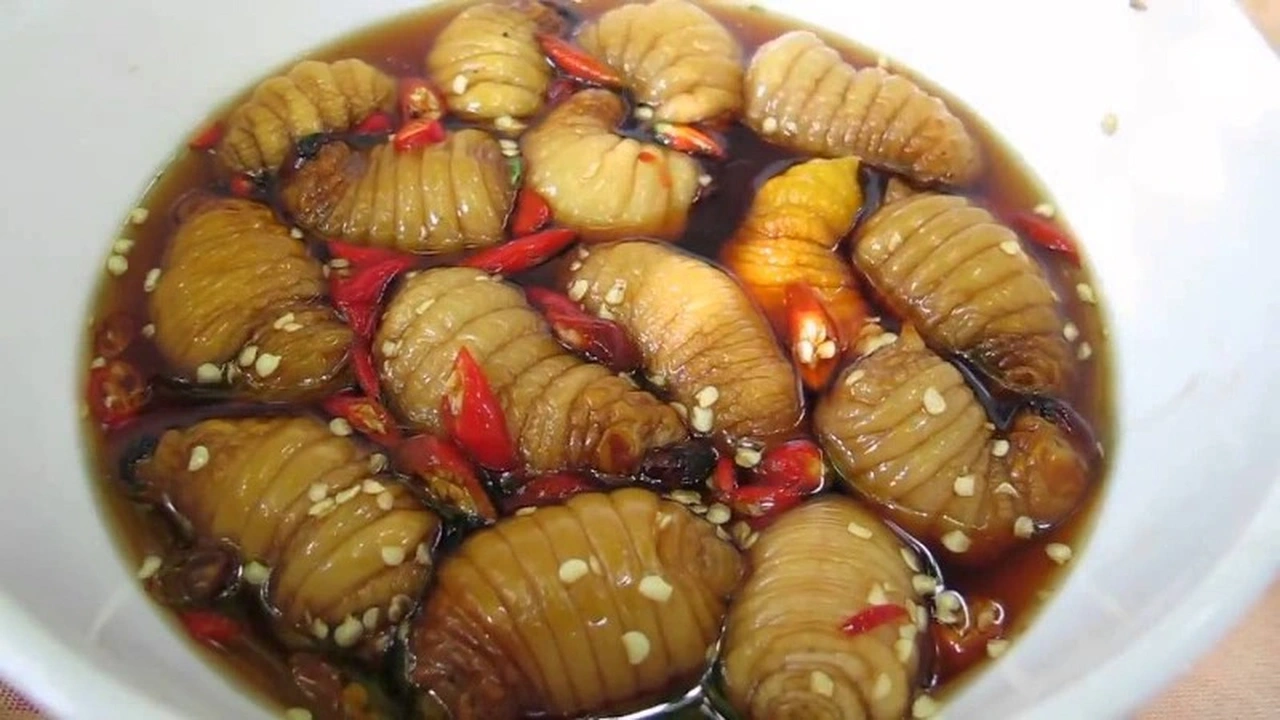
In many places in the Red River Delta and the Mekong Delta, rats are widely sold like a necessary daily food. In fact, in many rural areas, rat meat is considered an indispensable specialty during important festivals and celebrations. Not only that, Vietnamese people prepare rat dishes in very elaborate and creative ways, with over 30 different recipes.
2. Coconut Worm
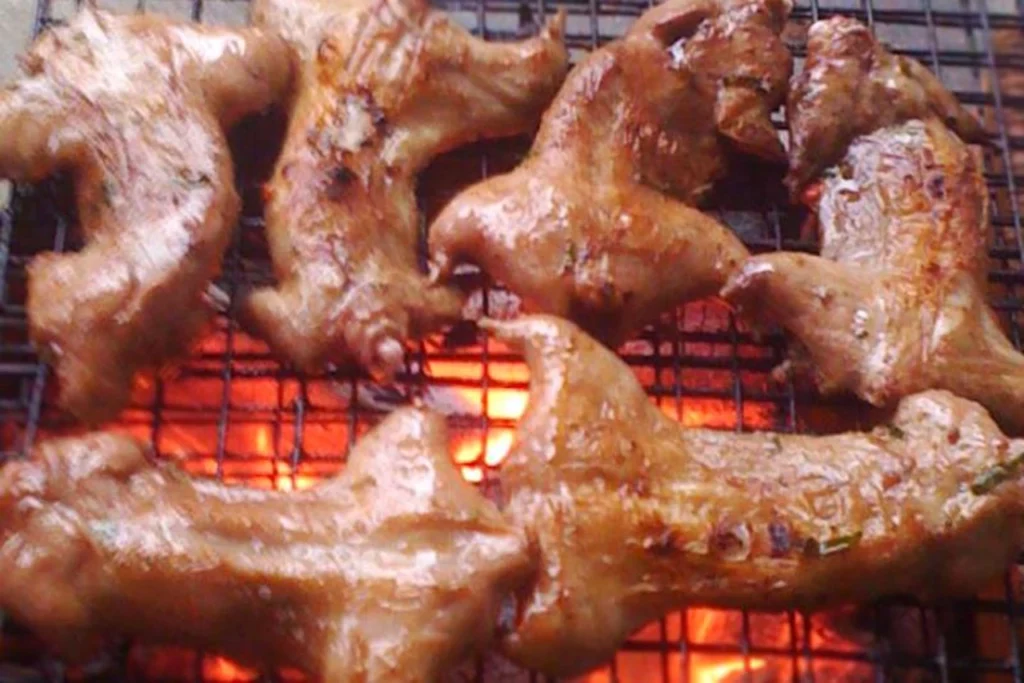
This is a type of larva found inside coconut palm shoots. Coconut worms are highly valued by food connoisseurs for their crunchiness, rich fatty taste, and distinctive aroma. Their plump, soft, and wriggly appearance can make many people feel “terrified” at first sight, yet they are a specialty of people in the Mekong Delta.
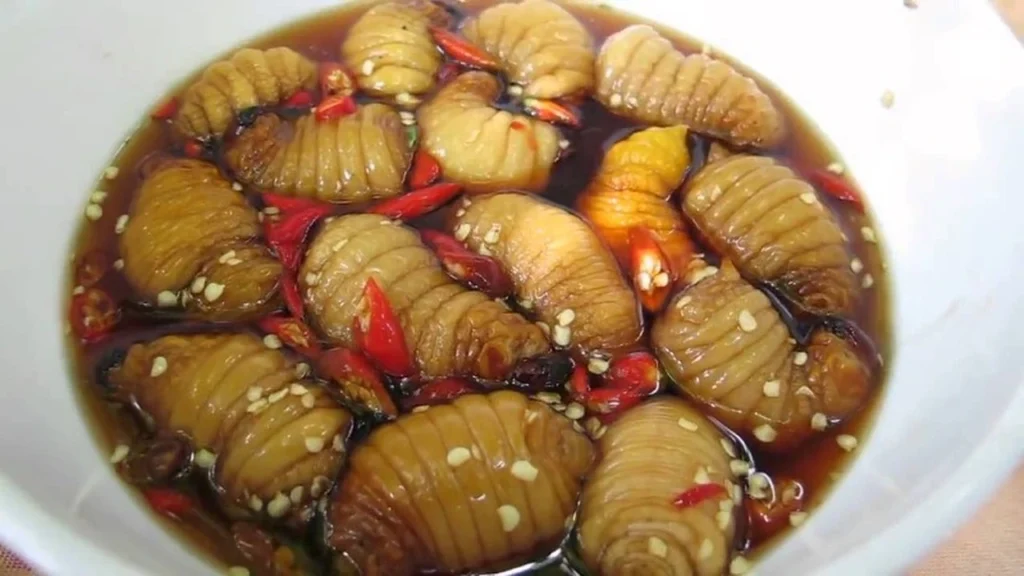
Coconut worms can be prepared in many ways such as grilling, frying, stir-frying with garlic, or steaming with lime leaves. However, the most popular dish is coconut worms dipped in fish sauce. Those who are “addicted” to this dish say that the pleasure lies in the moment when the liquid inside the worm bursts out, rich and fatty, then spreads through the mouth and throat, creating a strangely irresistible sensation for those brave enough to try it.
3. Bamboo Worm
Appearing mainly during the humid rainy season, bamboo worms are a specialty of the mountainous western region of Thanh Hoa.
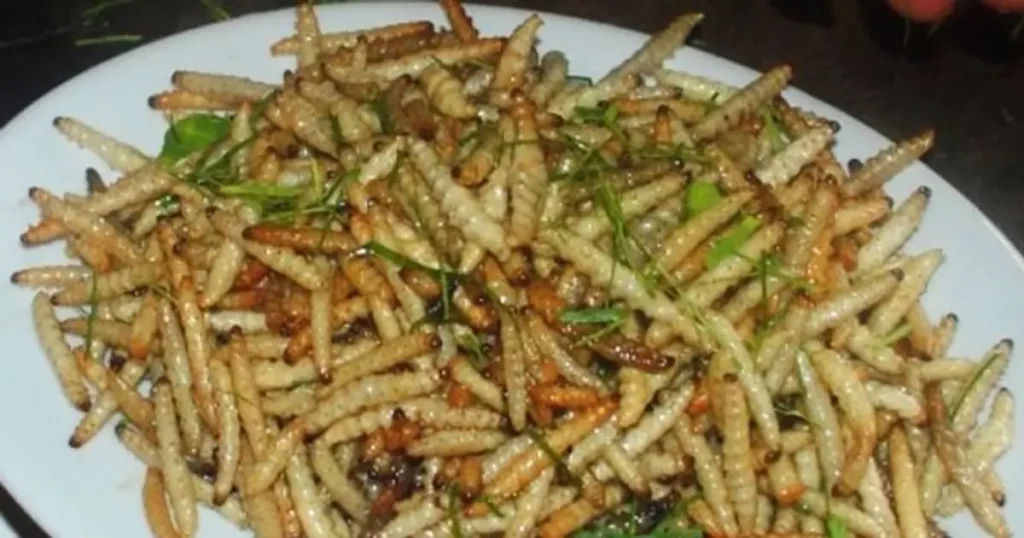
Forest goers look for bamboo shoots that are slightly curved, with somewhat darkened outer skin, wilted tops, and swollen nodes—signs that these shoots contain the fattest worms. After cutting down the bamboo shoot, they collect the worms from inside the hollow stem. Bamboo worms are about the size of a water spinach stem, milky white in color, and about two finger joints long.
Besides being soaked in alcohol, bamboo worms are commonly used in daily meals. They are fatty, nutty, highly nutritious, and considered clean and healthy food.
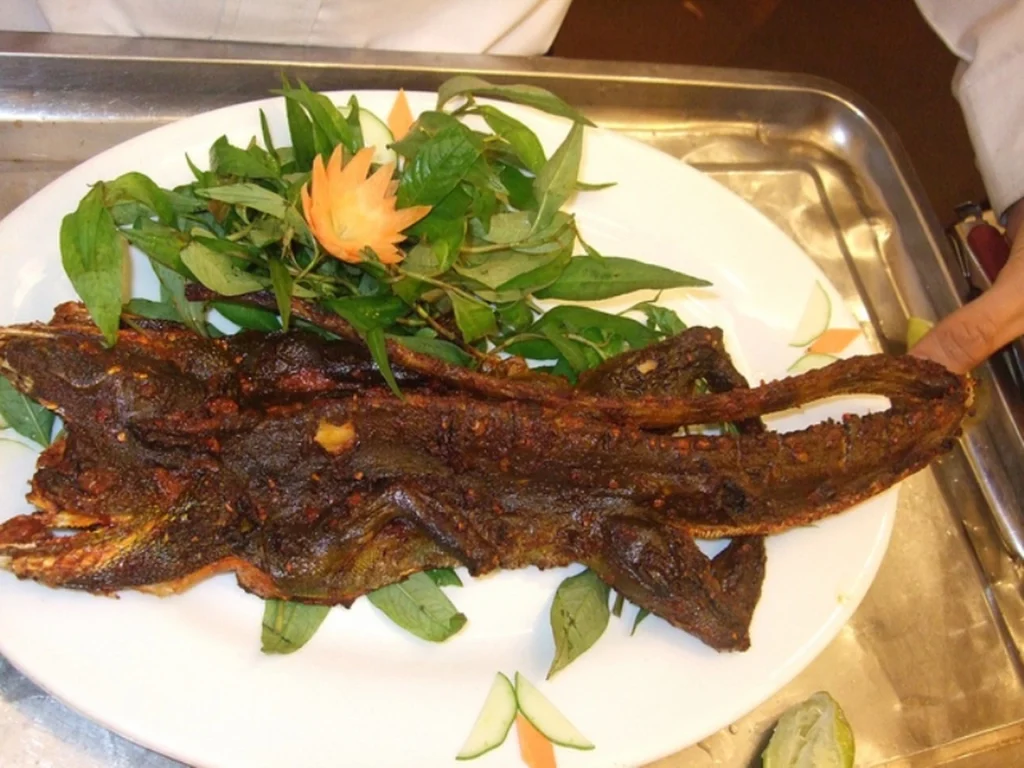
They are often prepared into dishes such as tamarind leaf salad, sour soup with tamarind leaves, grilled with salt, or stewed with medicinal herbs.
5. Bamboo Rat
The bamboo rat has features quite similar to a regular rat and is considered a rustic yet typical specialty of mountainous regions such as the Central Highlands, Hoa Binh, and among the Muong people in Phu Tho.
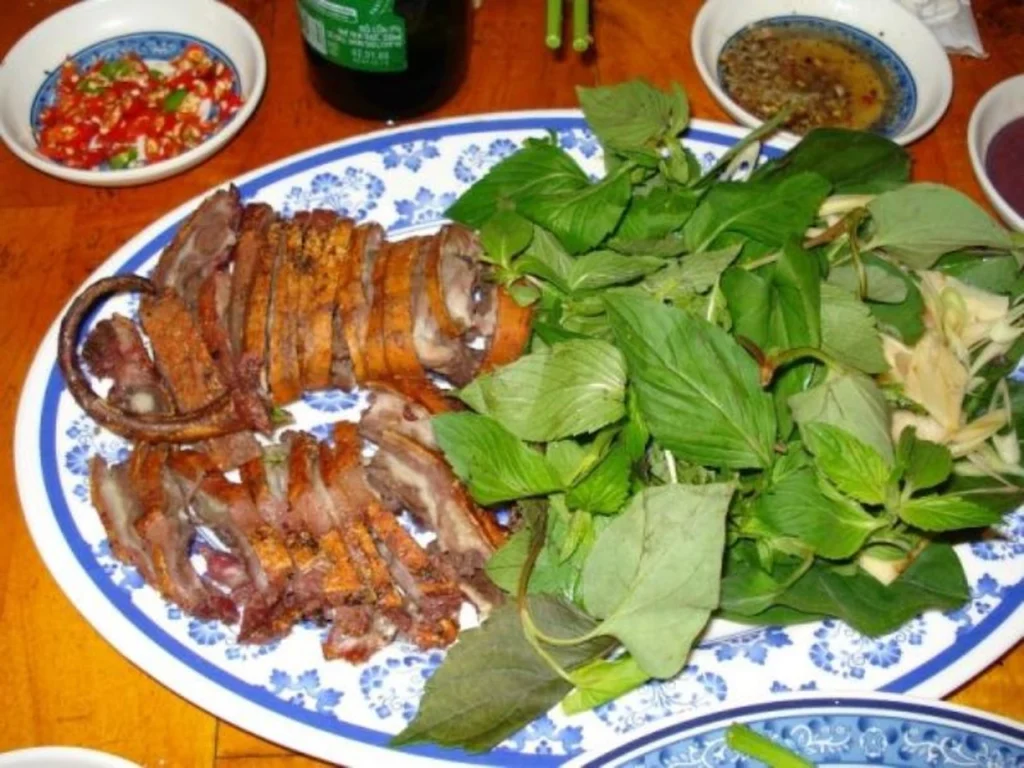
Bamboo rat can be cooked in many ways such as steaming, stir-frying with spices, or cooking with plum wine. Once you have tasted this specialty, it is hard to forget its delicious, cool, and protein-rich flavor.
6. Bat
Bat is considered a favorite drinking snack among people in the Mekong Delta. There are two main types: fruit bats and black bats. Black bats are larger and darker, while fruit bats have grayish fur. According to common belief, both types smell unpleasant, but the stronger the smell when caught, the more fragrant the meat becomes after cooking.
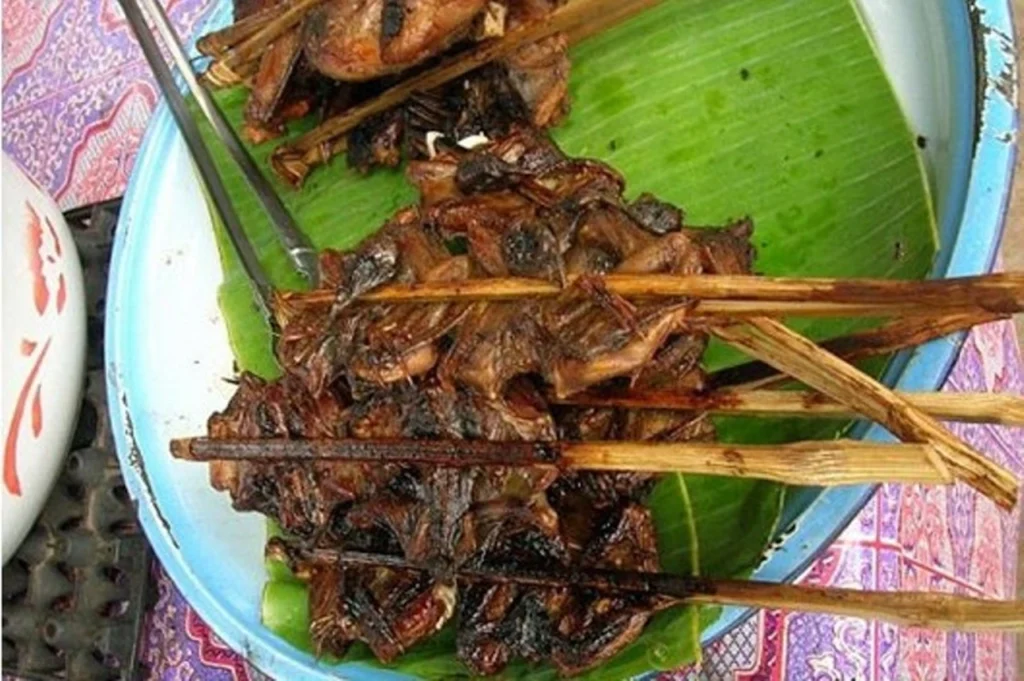
Bats can be prepared in many dishes, but the most popular is bat porridge. The meat is minced or cut into pieces, stir-fried with garlic, then added to a pot of porridge. Once seasoned well, it is served hot over shredded banana blossom.
In addition, people in the Mekong Delta also enjoy dishes such as bat braised in coconut water, bat salad with cabbage, or bat wrapped in rice paper and dipped in sweet and sour fish sauce. To reduce the strong odor, cooks often add pepper, scallions, and herbs during preparation.
According to local belief, bat meat can help treat various illnesses such as coughs and tuberculosis.
Source: https://dantri.com.vn/du-lich/nhung-mon-an-viet-nghe-ten-da-muon-chun-dua-20160930135250906.htm
WORD BANK:
uneasy /ʌnˈiː.zi/ [B2] (adj): không thoải mái, lo lắng
specialty /ˈspeʃ.əl.t̬i/ [B2] (n): đặc sản
indispensable /ˌɪn.dɪˈspen.sə.bəl/ [C1] (adj): không thể thiếu
elaborate /ɪˈlæb.ə.rət/ [B2] (adj): cầu kỳ, tinh vi
recipe /ˈres.ə.pi/ [A2] (n): công thức nấu ăn
larva /ˈlɑːr.və/ (n): ấu trùng
coconut palm shoot /ˈkoʊ.kə.nʌt pɑːm ʃuːt/ (n): đọt dừa
food connoisseur /ˌfuːd ˌkɑː.nəˈsɝː/ (n): người sành ăn
crunchiness /ˈkrʌn.tʃi.nəs/ (n): độ giòn
rich fatty taste /rɪtʃ ˈfæt̬.i teɪst/ (n): vị béo đậm
distinctive /dɪˈstɪŋk.tɪv/ [B2] (adj): đặc trưng
aroma /əˈroʊ.mə/ [B2] (n): hương thơm
plump /plʌmp/ (adj): béo tròn
wriggly /ˈrɪɡ.əl.i/ (adj): ngọ nguậy
grill /ɡrɪl/ (v): nướng
fry /fraɪ/ [A2] (v): chiên
stir-fry with garlic /ˈstɝː fraɪ wɪð ˈɡɑːr.lɪk/ (v): xào với tỏi
steaming /ˈstiː.mɪŋ/ (adj): hấp
lime leave /laɪm liːv/ (n): lá chanh
dip /dɪp/ (v): chấm
addicted to sth /əˈdɪk.tɪd tuː/ (adj): nghiện cái gì đó
liquid /ˈlɪk.wɪd/ [A2] (n): chất lỏng
burst out /bɝːst aʊt/ (v): vỡ ra
strangely /ˈstreɪndʒ.li/ (adv): một cách kỳ lạ
irresistible /ˌɪr.ɪˈzɪs.tə.bəl/ [C1] (adj): không thể cưỡng lại
sensation /senˈseɪ.ʃən/ [B2] (n): cảm giác
humid /ˈhjuː.mɪd/ [B2] (adj): ẩm ướt
forest goer /ˈfɔːr.ɪst ˌɡoʊ.ɚ/ (n): người đi rừng
bamboo shoot /bæmˈbuː ʃuːt/ (n): măng
curved /kɝːvd/ (adj): cong
somewhat /ˈsʌm.wʌt/ [B2] (adv): phần nào
darkened /ˈdɑːr.kənd/ (adj): sẫm màu
wilted /ˈwɪl.tɪd/ (adj): héo
swollen node /ˈswoʊ.lən noʊd/ (n): đốt phình (trên thân cây)
hollow /ˈhɑː.loʊ/ (adj): rỗng
stem /stem/ (n): thân cây
water spinach /ˈwɑː.t̬ɚ ˈspɪ.nɪtʃ/ (n): rau muống
finger joint /ˈfɪŋ.ɡɚ dʒɔɪnt/ (n): đốt ngón tay
soak /soʊk/ [B1] (v): ngâm
nutty /ˈnʌt̬.i/ (adj): có vị bùi
fragrant /ˈfreɪ.ɡrənt/ (adj): thơm
rich in nutrients /rɪtʃ ɪn ˈnuː.tri.ənts/ (adj): giàu dinh dưỡng
tamarind leaf /ˈtæm.ə.rɪnd liːf/ (n): lá me
sour soup /saʊr suːp/ (n): canh chua
stew /stuː/ (v): hầm
medicinal herb /məˈdɪs.ɪ.nəl ɝːb/ (n): thảo dược
rustic /ˈrʌs.tɪk/ (adj): mộc mạc
the Central Highlands /ðə ˈsen.trəl ˈhaɪ.ləndz/ (n): Tây Nguyên
plum /plʌm/ (n): mận
grayish /ˈɡreɪ.ɪʃ/ (adj): xám xám
fur /fɝː/ (n): lông
porridge /ˈpɔːr.ɪdʒ/ (n): cháo
minced /mɪnst/ (adj): băm nhỏ
shredded banana blossom /ˈʃred.ɪd bəˈnæn.ə ˈblɑː.səm/ (n): hoa chuối bào, rau hoa chuối
braise /breɪz/ (v): om
cabbage /ˈkæb.ɪdʒ/ (n): bắp cải
odor /ˈoʊ.dɚ/ (n): mùi
scallion /ˈskæl.jən/ (n): hành lá
cough /kɔːf/ (n): ho
tuberculosis /tuːˌbɝː.kjəˈloʊ.sɪs/ (n): bệnh lao
ỦNG HỘ READ TO LEAD!
Chào bạn! Có thể bạn chưa biết, Read to Lead là một trang giáo dục phi lợi nhuận với mục đích góp phần phát triển cộng đồng người học tiếng Anh tại Việt Nam. Chúng tôi không yêu cầu người đọc phải trả bất kỳ chi phí nào để sử dụng các sản phẩm của mình để mọi người đều có cơ hội học tập tốt hơn. Tuy nhiên, nếu bạn có thể, chúng tôi mong nhận được sự hỗ trợ tài chính từ bạn để duy trì hoạt động của trang và phát triển các sản phẩm mới.
Bạn có thể ủng hộ chúng tôi qua 1 trong 2 cách dưới đây.
– Cách 1: Chuyển tiền qua tài khoản Momo.
Số điện thoại 0947.886.865 (Chủ tài khoản: Nguyễn Tiến Trung)
Nội dung chuyển tiền: Ủng hộ Read to Lead
hoặc
– Cách 2: Chuyển tiền qua tài khoản ngân hàng.
Ngân hàng VIB chi nhánh Hải Phòng
Số tài khoản: 012704060048394 (Chủ tài khoản: Nguyễn Tiến Trung)
Nội dung chuyển tiền: Ủng hộ Read to Lead
Lớp luyện thi IELTS online
Bạn đang có nhu cầu thi chứng chỉ IELTS cho đầu vào đại học, đi du học, xin việc hay xin cư trú và đang phân vân chưa biết học ở đâu?
Nếu bạn đang tìm kiếm dịch vụ luyện thi IELTS online với giáo viên uy tín và chất lượng, cũng như học phí phải chăng, thì thầy Trung và Cô Thủy (Admin và dịch giả chính của Read to Lead) có thể là một lựa chọn phù hợp dành cho bạn.
Hãy liên hệ (nhắn tin) tới trang Facebook cá nhân của mình (https://www.facebook.com/nguyen.trung.509) để tìm hiểu về lớp học và được tư vấn cũng như được học thử nha!


