



[Reading level: C1 – Advanced]
Every morning, when her four-year-old daughter has gone to school and the house becomes quiet, 33-year-old Laura Mahon sits at the dining table, suppressing her pain to write birthday cards in advance for her daughter up until she turns 21.
The 33-year-old mother from the city of St Helens, Merseyside, fills each page with thoughts that no woman her age should have to worry about. Her hands tremble from pain and exhaustion, yet Laura remains determined to finish each letter, because she understands that one day, these will be the only bridge through which she can communicate with her daughter.
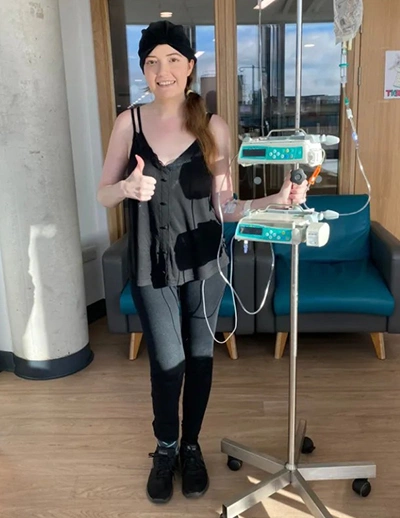
Laura is living with glioblastoma, the most common type of brain tumor in adults and one that progresses rapidly and is often fatal. This cancer has an extremely poor prognosis, as most patients struggle to survive beyond one year, and the five-year survival rate is under 5%.
According to the Brain Tumor Research organization, tumor growth increases intracranial pressure, directly causing persistent headaches. Warning signs include loss of appetite, nausea, vomiting, loss of balance, mood swings, language difficulties, memory decline, poor concentration, seizures, and vision problems. Early-stage symptoms are often mistaken for common health conditions. Because the brain controls multiple functions, clinical symptoms vary depending on the tumor’s location. Once formed, a tumor can double in size within just seven weeks.
According to Dr. Stephen Bagley from Penn Medicine, USA, the earliest onset signs of malignant brain tumors remain largely unknown to the medical community. One study shows that glioblastoma may have silently developed for an average of about 330 days before official diagnosis. Scientists have also detected changes in immune function and blood biomarkers up to five years before onset, although clear clinical symptoms often appear suddenly within three months prior to diagnosis.
Laura’s life changed in an instant. When she was 20 weeks pregnant, she woke up with numb legs. At first, her headaches and vomiting were mistaken for pregnancy symptoms or nerve pressure from the fetus. Only after she completely lost sensation in her right leg was she taken for an MRI scan at the Walton Centre in Liverpool. The results showed a tumor deep in her brain, but for her baby’s safety, she refused a biopsy and endured months of anxiety during pregnancy. By week 30, as her body gradually lost mobility, Laura and her husband Danny had to make the difficult decision to deliver Sienna six weeks early so she could begin treatment.
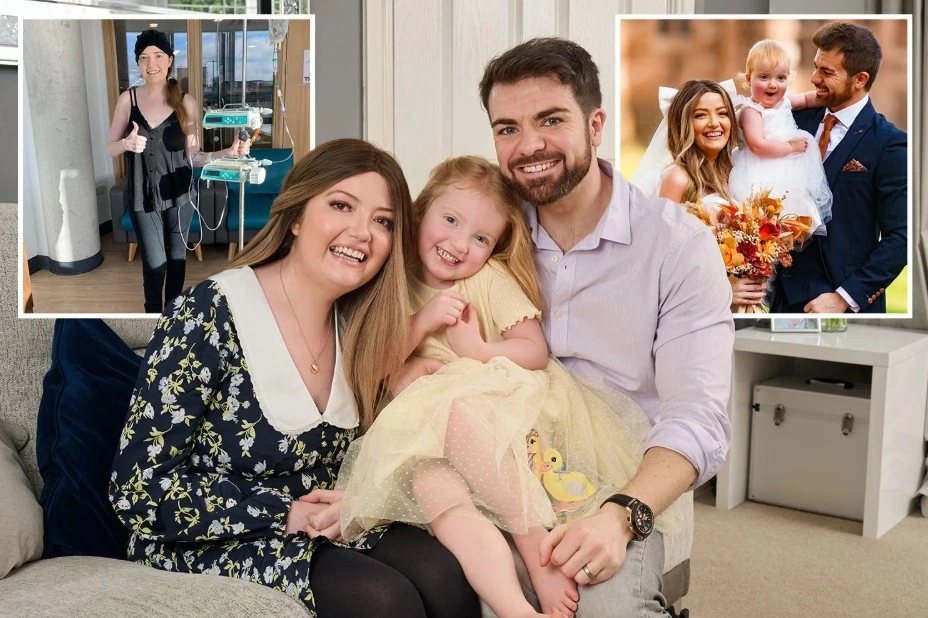
“It was the most terrifying time of my life,” Laura said, explaining that she tried to delay childbirth as long as possible to give Sienna a better chance of survival, but with each passing day, she felt as though she was slowly dying. The sensation of gradually losing feeling in parts of her body and being unable to move was a form of torture that left her so exhausted that doctors decided early delivery was necessary to ensure the safety of both mother and child.
Baby Sienna was born in November 2011, weighing 1.5 kg, and required special care. While her daughter fought for survival, Laura remained in the hospital undergoing a series of advanced tests. Just two days before Christmas, she received the news: “the tumor had progressed to stage 4 brain cancer and had doubled in size compared to the previous scan.”
“Because the tumor is located in the motor cortex—the area that controls all body movements—they could not completely remove it through surgery. When I tremblingly asked how much time I had left, the doctor said I would likely not live to see my daughter’s first birthday. At that moment, my whole world collapsed,” Laura recalled.
Nevertheless, Laura remained determined to fight for as long as possible. The following month, she married Danny before undergoing six weeks of intensive chemotherapy and radiotherapy. This was a final effort to extend her life expectancy from 12 months to 18 months. However, the harsh treatment pushed her already frail body to its limits. In 2023, after trying all available treatment options without success, she was advised to spend her remaining time “going home and making memories” with her family.
Recent test results show that the tumor has spread to multiple lobes of her brain, affecting her language, memory, and mobility. “The bad days now outnumber the good ones. Some days I just cry and go to bed early, but I hate doing that because I want to spend every moment with Sienna,” Laura shared.
In her final days, the mother prepared a special “memory box.” She wrote letters to her husband and daughter, prepared birthday cards for Sienna until she turns 21, and included a piece of jewelry for each occasion. “I want her to know how much I loved her and that I never gave up,” Laura said, adding that her biggest wish now is to take her daughter to Disneyland—the place that holds memories of her first love with her husband—so Sienna can experience being a princess in a fairytale world at least once.

Alongside her efforts to live, Laura has actively raised public awareness about brain tumors and has received several awards for her contributions. She hopes to pass away peacefully and wishes for assisted dying legislation to be approved in time to fulfill her desire. “Although I am not ready to leave this world, every day feels like torment,” she confided. “I wish to go gently and with as little pain as possible—not only for myself but also for Danny and my family.”
Source: https://vnexpress.net/nhung-la-thu-gui-tu-tuong-lai-cho-con-gai-cua-nguoi-me-u-nao-5052282.html
WORD BANK:
suppress sth /səˈpres/ [C1] (v): kìm nén, ức chế
pain /peɪn/ (n): cơn đau
in advance /ɪn ədˈvæns/ (adv): trước, заранее
tremble /ˈtrem.bəl/ (v): run rẩy
exhaustion /ɪɡˈzɔːs.tʃən/ [C1] (n): sự kiệt sức
determined /dɪˈtɝː.mɪnd/ [B2] (adj): quyết tâm
bridge /brɪdʒ/ (n): cầu nối
glioblastoma /ˌɡliː.oʊ.blæsˈtoʊ.mə/ (n): u nguyên bào thần kinh
brain tumor /breɪn ˈtuː.mɚ/ (n): khối u não
progress /ˈprɑː.ɡres/ [B1] (n): sự tiến triển
fatal /ˈfeɪ.t̬əl/ [C1] (adj): gây tử vong
prognosis /prɑːɡˈnoʊ.sɪs/ (n): tiên lượng bệnh
intracranial pressure /ˌɪn.trəˈkreɪ.ni.əl ˈpreʃ.ɚ/ (n): áp lực nội sọ
persistent /pɚˈsɪs.tənt/ [B2] (adj): dai dẳng
appetite /ˈæp.ə.taɪt/ [B2] (n): sự thèm ăn
nausea /ˈnɔː.zi.ə/ (n): buồn nôn
vomiting /ˈvɑː.mɪ.t̬ɪŋ/ (n): nôn mửa
mood swings /muːd swɪŋz/ (n): thay đổi tâm trạng thất thường
seizure /ˈsiː.ʒɚ/ (n): cơn co giật
clinical symptom /ˈklɪn.ɪ.kəl ˈsɪmp.təm/ (n): triệu chứng lâm sàng
onset /ˈɑːn.set/ (n): sự khởi phát
an onset sign /ən ˈɑːn.set saɪn/ (n): dấu hiệu khởi phát
malignant /məˈlɪɡ.nənt/ (adj): ác tính
immune /ɪˈmjuːn/ [B2] (adj): miễn dịch
biomarker /ˈbaɪ.oʊˌmɑːr.kɚ/ (n): dấu ấn sinh học
prior to sth /ˈpraɪ.ɚ tuː/ (prep): trước khi
surpass sth /sɚˈpæs/ [C1] (v): vượt qua
fateful milestone /ˈfeɪt.fəl ˈmaɪl.stoʊn/ (n): cột mốc định mệnh
courageously /kəˈreɪ.dʒəs.li/ (adv): một cách dũng cảm
in an instant /ɪn ən ˈɪn.stənt/ (adv): ngay lập tức
pregnant /ˈpreɡ.nənt/ [B1] (adj): mang thai
numb /nʌm/ (adj): tê liệt, mất cảm giác
be mistaken for sb/sth /biː mɪˈsteɪ.kən fɔːr/ (v): bị nhầm là
nerve /nɝːv/ (n): dây thần kinh
fetus /ˈfiː.t̬əs/ (n): bào thai
sensation /senˈseɪ.ʃən/ [B2] (n): cảm giác
biopsy /ˈbaɪ.ɑːp.si/ (n): sinh thiết
endure sth /ɪnˈdʊr/ [C1] (v): chịu đựng
mobility /moʊˈbɪl.ə.t̬i/ (n): khả năng vận động
deliver a baby /dɪˈlɪv.ɚ ə ˈbeɪ.bi/ (v): sinh con
terrifying /ˈter.ə.faɪ.ɪŋ/ [B2] (adj): đáng sợ
torture /ˈtɔːr.tʃɚ/ (n): sự tra tấn, đau đớn
the motor cortex /ðə ˈmoʊ.tɚ ˈkɔːr.teks/ (n): vỏ não vận động
tremblingly /ˈtrem.blɪŋ.li/ (adv): một cách run rẩy
collapse /kəˈlæps/ [B2] (v): sụp đổ, ngã gục
intensive /ɪnˈten.sɪv/ [B2] (adj): chuyên sâu
chemotherapy /ˌkiː.moʊˈθer.ə.pi/ (n): hóa trị
radiotherapy /ˌreɪ.di.oʊˈθer.ə.pi/ (n): xạ trị
life expectancy /ˈlaɪf ɪkˌspek.tən.si/ (n): tuổi thọ dự kiến
frail /freɪl/ (adj): yếu ớt
lobe /loʊb/ (n): thùy (não)
outnumber sb/sth /ˌaʊtˈnʌm.bɚ/ (v): đông hơn
jewelry /ˈdʒuː.əl.ri/ (n): đồ trang sức
fairytale world /ˈfer.i.teɪl wɝːld/ (n): thế giới cổ tích
pass away /pæs əˈweɪ/ (v): qua đời
assisted dying /əˈsɪs.tɪd ˈdaɪ.ɪŋ/ (n): trợ tử
legislation /ˌledʒ.ɪˈsleɪ.ʃən/ (n): luật pháp
approved /əˈpruːvd/ (adj): được phê duyệt
fulfill one’s desire /fʊlˈfɪl wʌnz dɪˈzaɪɚ/ (v): thực hiện mong muốn
torment /ˈtɔːr.ment/ (n): sự dày vò
ỦNG HỘ READ TO LEAD!
Chào bạn! Có thể bạn chưa biết, Read to Lead là một trang giáo dục phi lợi nhuận với mục đích góp phần phát triển cộng đồng người học tiếng Anh tại Việt Nam. Chúng tôi không yêu cầu người đọc phải trả bất kỳ chi phí nào để sử dụng các sản phẩm của mình để mọi người đều có cơ hội học tập tốt hơn. Tuy nhiên, nếu bạn có thể, chúng tôi mong nhận được sự hỗ trợ tài chính từ bạn để duy trì hoạt động của trang và phát triển các sản phẩm mới.
Bạn có thể ủng hộ chúng tôi qua 1 trong 2 cách dưới đây.
– Cách 1: Chuyển tiền qua tài khoản Momo.
Số điện thoại 0947.886.865 (Chủ tài khoản: Nguyễn Tiến Trung)
Nội dung chuyển tiền: Ủng hộ Read to Lead
hoặc
– Cách 2: Chuyển tiền qua tài khoản ngân hàng.
Ngân hàng VIB chi nhánh Hải Phòng
Số tài khoản: 012704060048394 (Chủ tài khoản: Nguyễn Tiến Trung)
Nội dung chuyển tiền: Ủng hộ Read to Lead
Lớp luyện thi IELTS online
Bạn đang có nhu cầu thi chứng chỉ IELTS cho đầu vào đại học, đi du học, xin việc hay xin cư trú và đang phân vân chưa biết học ở đâu?
Nếu bạn đang tìm kiếm dịch vụ luyện thi IELTS online với giáo viên uy tín và chất lượng, cũng như học phí phải chăng, thì thầy Trung và Cô Thủy (Admin và dịch giả chính của Read to Lead) có thể là một lựa chọn phù hợp dành cho bạn.
Hãy liên hệ (nhắn tin) tới trang Facebook cá nhân của mình (https://www.facebook.com/nguyen.trung.509) để tìm hiểu về lớp học và được tư vấn cũng như được học thử nha!


