


[Reading level: C1 – Advanced]
Geological processes lasting millions of years have enabled the Middle East today to possess vast oil reserves that are easy to extract at low cost.
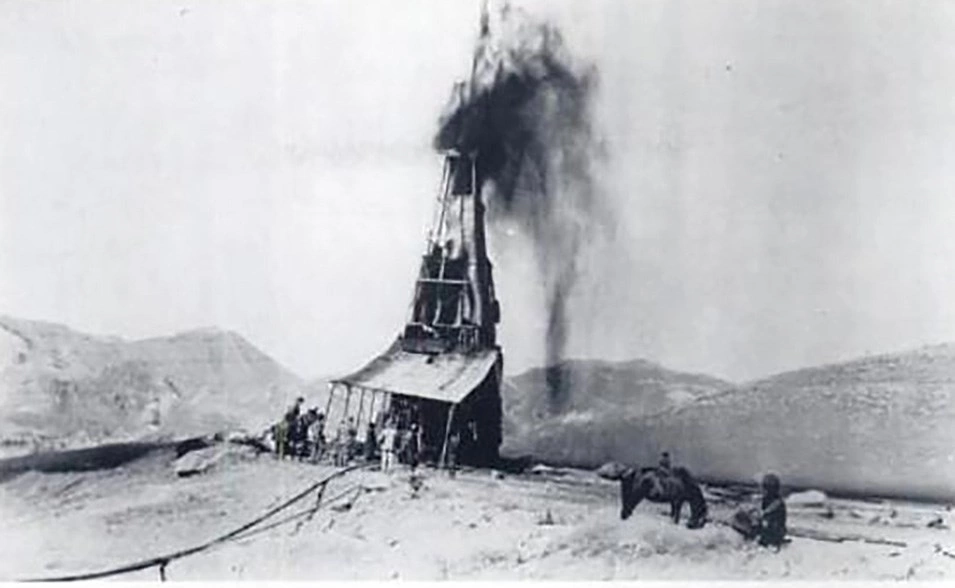
Oil was first commercially discovered in the Middle East in 1908, when a 24-meter oil gusher erupted at Masjid Suleiman in Persia (now southwestern Iran). According to the International Energy Agency, the Middle East currently possesses some of the lowest-cost oil and gas resources in the world. In 2024, the region supplied about 30% of global oil production and 17% of natural gas output, largely from Saudi Arabia, Iran, Iraq, and the United Arab Emirates.
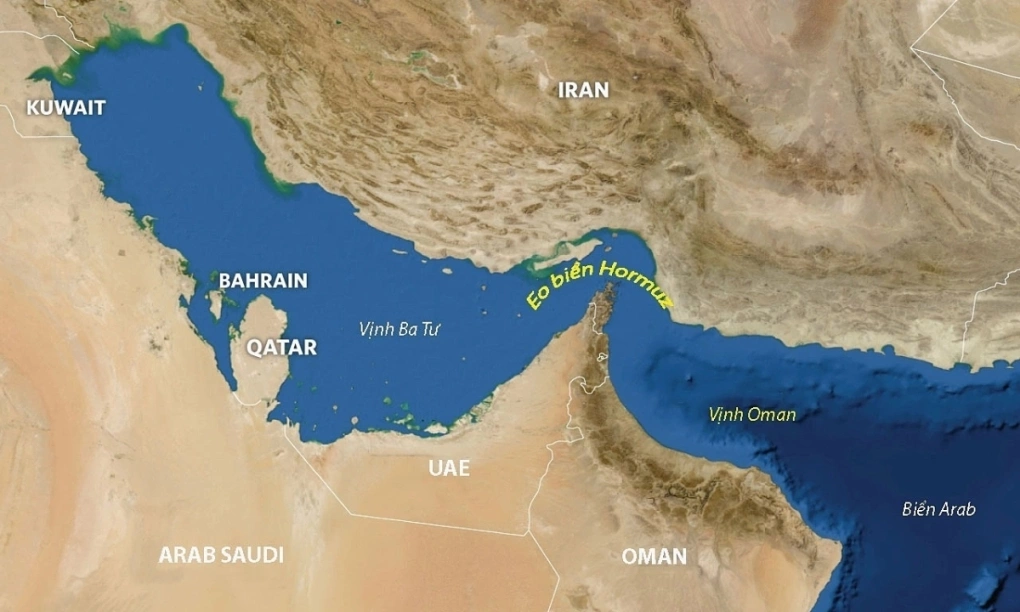
“The combination of multiple geological factors gives the Middle East enormous oil and gas reserves on both sides of the Persian Gulf,” said Mark Allen, a professor of Earth sciences at Durham University, in an interview with Scientific American.
Today, the Middle East is known for its hot deserts and arid landscapes. But around 50–250 million years ago, a vast ocean called Tethys Ocean existed here. Situated between the ancient continents Gondwana and Laurasia, this ocean teemed with life—from plankton, coral reefs, and fish to cephalopods and marine reptiles.
As tectonic plates shifted, the African and Arabian plates gradually collided with the Eurasian plate. This slow collision caused the Tethys Ocean to shrink and eventually close, forming a massive graveyard of organisms buried beneath what is now the Middle East.
Normally, dead organisms decompose and disappear. However, according to Ed Publica, under certain conditions—especially when oxygen levels are low—organic material can accumulate faster than it decomposes. Over millions of years, buried under layers of sediment such as sand, clay, and limestone, and subjected to increasing pressure and temperature, this organic matter transforms into hydrocarbons—the main components of crude oil and natural gas.
Thanks to this favorable combination of geological conditions, the Middle East hosts some of the largest oil fields in the world. According to the Guinness World Records, the Ghawar oil field in eastern Saudi Arabia is the largest conventional oil field on Earth. Discovered in 1948, it covers 5,260 km² and is estimated to contain over 70 billion barrels of oil, with production of about 4 million barrels per day.
However, this is only part of the reason why the Middle East has become a global oil powerhouse. In fact, the country with the largest oil reserves in the world is not located here. According to statistics from the Organization of the Petroleum Exporting Countries in 2024, that title belongs to Venezuela with 303 billion barrels, accounting for about 17% of global reserves. Saudi Arabia ranks second with 267 billion barrels, followed by Iran (208 billion), Iraq (145 billion), and the UAE (113 billion). Canada, which has the fourth-largest oil reserves at 163 billion barrels, derives most of its oil from oil sands, which are not included in OPEC data.
There are different types of oil. According to IFLScience, oil in Venezuela is “thick and viscous,” making extraction difficult and processing costs high. In contrast, most oil in the Middle East is described as “light and sweet,” making it far more attractive to the market. It is also found in relatively shallow sedimentary layers, making it easier to extract from the surface.
Ed Publica also highlights the quality and accessibility of oil reservoirs in the Middle East. In many places, such as shale basins in North America, oil extraction requires advanced techniques like hydraulic fracturing. But in the Middle East, reservoirs are often large, under high pressure, and geologically simple. In some cases, early wells could even allow oil to flow naturally to the surface due to underground pressure.
These favorable conditions have enabled the Middle East to hold about 50% of the world’s remaining recoverable oil reserves, while also being one of the regions with the lowest production costs. This has helped shape the global energy market for decades.
Source: https://vnexpress.net/tai-sao-trung-dong-nhieu-dau-mo-5055704.html
WORD BANK:
geological /ˌdʒiː.əˈlɑː.dʒɪ.kəl/ (adj): thuộc về địa chất
possess /pəˈzes/ [B2] (v): sở hữu
reserve /rɪˈzɝːv/ (n): trữ lượng
extract /ɪkˈstrækt/ (v): khai thác
oil gusher /ˈɔɪl ˌɡʌʃ.ɚ/ (n): giếng dầu phun trào mạnh
erupt /ɪˈrʌpt/ (v): phun trào
Persia /ˈpɝː.ʒə/ (n): Ba Tư
enormous /ɪˈnɔːr.məs/ [B2] (adj): khổng lồ
gulf /ɡʌlf/ (n): vịnh
arid /ˈær.ɪd/ (adj): khô cằn
continent /ˈkɑːn.tə.nənt/ [B1] (n): lục địa
teem with sth /tiːm wɪð/ (v): đầy rẫy, tràn ngập
plankton /ˈplæŋk.tən/ (n): sinh vật phù du
cephalopod /ˈsef.ə.lə.pɑːd/ (n): động vật chân đầu
reptile /ˈrep.taɪl/ (n): loài bò sát
tectonic plate /tekˈtɑː.nɪk pleɪt/ (n): mảng kiến tạo
collide with sth /kəˈlaɪd wɪð/ (v): va chạm với
shrink /ʃrɪŋk/ (v): co lại
graveyard /ˈɡreɪv.jɑːrd/ (n): nghĩa địa
beneath /bɪˈniːθ/ [B2] (pre): bên dưới
decompose /ˌdiː.kəmˈpoʊz/ (v): phân hủy
sediment /ˈsed.ə.mənt/ (n): trầm tích
subjected to /səbˈdʒek.tɪd tuː/ (adj): chịu, bị tác động bởi
organic matter /ɔːrˈɡæn.ɪk ˈmæt̬.ɚ/ (n): chất hữu cơ
crude oil /kruːd ɔɪl/ (n): dầu thô
favorable /ˈfeɪ.vər.ə.bəl/ (adj): thuận lợi
conventional /kənˈven.ʃən.əl/ [B2] (adj): thông thường, truyền thống
powerhouse /ˈpaʊ.ɚ.haʊs/ (n): cường quốc, trung tâm mạnh
title /ˈtaɪ.t̬əl/ [B1] (n): danh hiệu
derive from sth /dɪˈraɪv frəm/ (v): bắt nguồn từ
viscous /ˈvɪs.kəs/ (adj): nhớt, đặc sệt
relatively /ˈrel.ə.tɪv.li/ [B2] (adv): tương đối
shallow /ˈʃæl.oʊ/ (adj): nông
sedimentary layer /ˌsed.əˈmen.t̬ər.i ˈleɪ.ɚ/ (n): tầng trầm tích
oil reservoir /ˈɔɪl ˌrez.ɚ.vwɑːr/ (n): bể chứa dầu
shale basin /ʃeɪl ˈbeɪ.sən/ (n): bồn trầm tích đá phiến
hydraulic fracturing /haɪˈdrɔː.lɪk ˈfræk.tʃɚ.ɪŋ/ (n): phương pháp nứt vỡ thủy lực
ỦNG HỘ READ TO LEAD!
Chào bạn! Có thể bạn chưa biết, Read to Lead là một trang giáo dục phi lợi nhuận với mục đích góp phần phát triển cộng đồng người học tiếng Anh tại Việt Nam. Chúng tôi không yêu cầu người đọc phải trả bất kỳ chi phí nào để sử dụng các sản phẩm của mình để mọi người đều có cơ hội học tập tốt hơn. Tuy nhiên, nếu bạn có thể, chúng tôi mong nhận được sự hỗ trợ tài chính từ bạn để duy trì hoạt động của trang và phát triển các sản phẩm mới.
Bạn có thể ủng hộ chúng tôi qua 1 trong 2 cách dưới đây.
– Cách 1: Chuyển tiền qua tài khoản Momo.
Số điện thoại 0947.886.865 (Chủ tài khoản: Nguyễn Tiến Trung)
Nội dung chuyển tiền: Ủng hộ Read to Lead
hoặc
– Cách 2: Chuyển tiền qua tài khoản ngân hàng.
Ngân hàng VIB chi nhánh Hải Phòng
Số tài khoản: 012704060048394 (Chủ tài khoản: Nguyễn Tiến Trung)
Nội dung chuyển tiền: Ủng hộ Read to Lead
Lớp luyện thi IELTS online
Bạn đang có nhu cầu thi chứng chỉ IELTS cho đầu vào đại học, đi du học, xin việc hay xin cư trú và đang phân vân chưa biết học ở đâu?
Nếu bạn đang tìm kiếm dịch vụ luyện thi IELTS online với giáo viên uy tín và chất lượng, cũng như học phí phải chăng, thì thầy Trung và Cô Thủy (Admin và dịch giả chính của Read to Lead) có thể là một lựa chọn phù hợp dành cho bạn.
Hãy liên hệ (nhắn tin) tới trang Facebook cá nhân của mình (https://www.facebook.com/nguyen.trung.509) để tìm hiểu về lớp học và được tư vấn cũng như được học thử nha!


