


[Reading level: C1 – Advanced]
The 10 greatest players in FIFA World Cup history (Part 1) | Read to lead
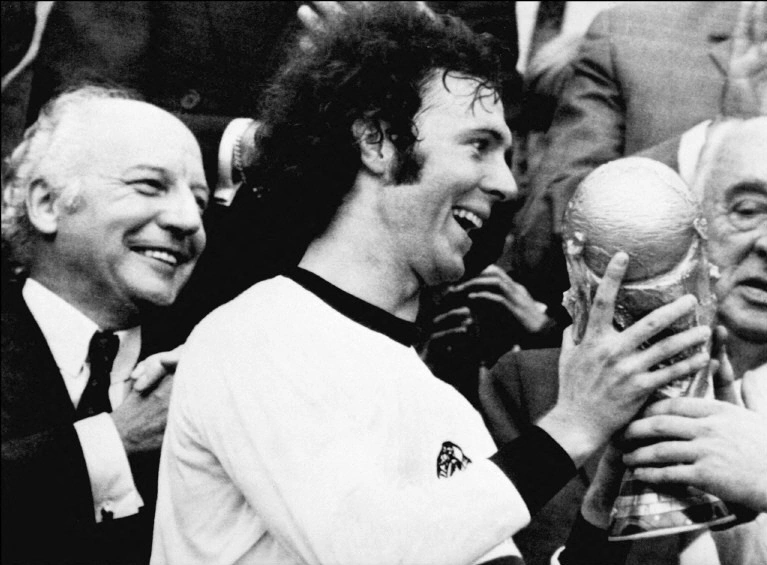
5. Franz Beckenbauer (Germany)
Former England star Glenn Hoddle once said that the true mark of a great player is the ability to excel across different eras of football. Franz Beckenbauer was a perfect example.
He played in three consecutive World Cups during a period when world football underwent major tactical changes, and he was always at the heart of those developments. Beckenbauer began his career as a midfielder before being moved into defense. Although he did not invent the libero (sweeper) role, he is widely credited with perfecting it.
At the 1966 FIFA World Cup, Beckenbauer scored four goals and played a crucial role in helping West Germany reach the final. Four years later in Mexico, he once again made his mark, notably in the famous victory over England.
However, the image most people remember came in the semi-final of the 1970 FIFA World Cup against Italy, in what became known as the “Game of the Century.” After dislocating his shoulder, Beckenbauer continued playing until the final whistle with his arm strapped to his body because West Germany had already used all of their substitutions.
At the 1974 FIFA World Cup, he completed his collection by leading West Germany to a 2–1 victory over the Netherlands in the final on home soil. Although many neutral fans sympathized with Johan Cruyff and the Netherlands’ “Total Football,” few would deny that Beckenbauer fully deserved to lift the World Cup trophy.
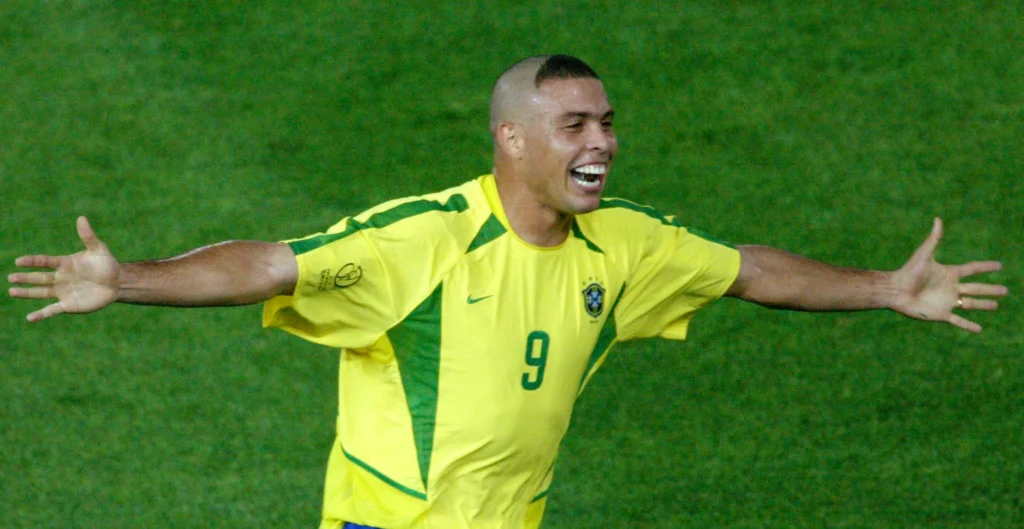
4. Ronaldo (Brazil)
The reason behind Ronaldo’s seizure before the 1998 FIFA World Cup final remains a mystery to this day. However, many believe the match in Paris would have unfolded very differently had the Brazilian striker been in his best physical and mental condition.
At the time, no striker struck more fear into opposing defenses than Ronaldo. Nicknamed “The Phenomenon,” he combined the explosive pace of a track athlete, the dribbling skills of a winger, and the finishing ability of an elite center-forward.
Although he delivered a below-par performance in Brazil’s 3–0 defeat to France in the final, Ronaldo was still awarded the Golden Ball as the best player of the 1998 World Cup thanks to his outstanding performances earlier in the tournament.
Four years later, at the 2002 FIFA World Cup, he completed one of football’s greatest redemption stories. After nearly four years of battling serious injuries, Ronaldo scored eight goals in seven matches, including a match-winning brace in the final as Brazil defeated Germany 2–0.
“I’m gradually beginning to realize what has just happened,” Ronaldo said after the match. “The happiness and emotion are so overwhelming that they are impossible to describe. I once said that my greatest victory was simply being able to play football again, to run again, and to score again. But Brazil’s fifth World Cup title has completed that journey of recovery.”
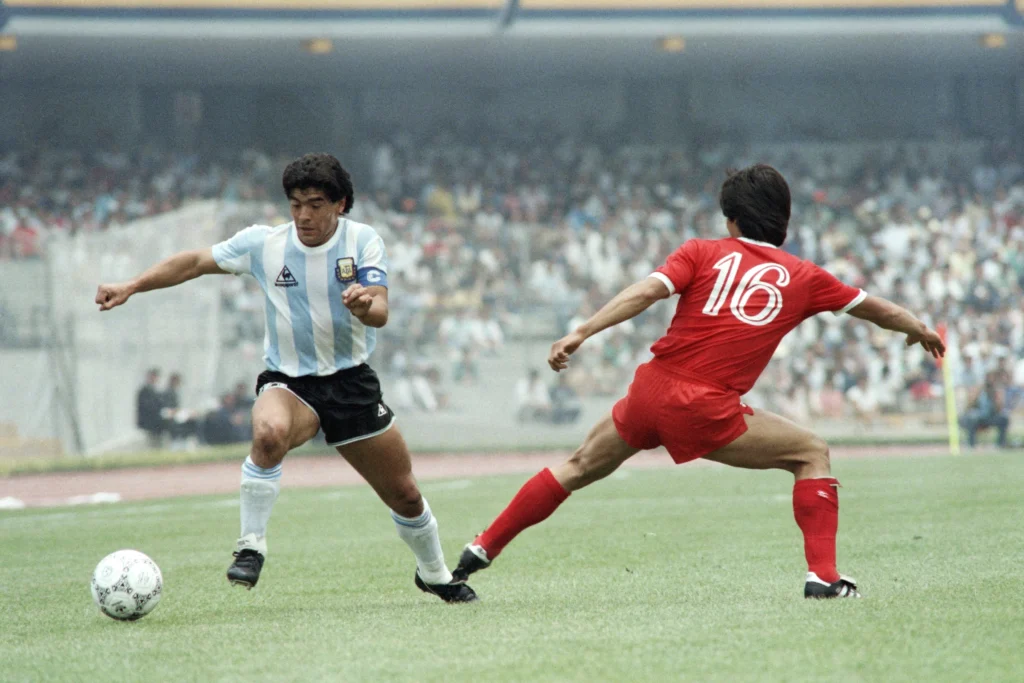
3. Diego Maradona (Argentina)
Few players have ever dominated a single World Cup the way Diego Maradona did at the 1986 FIFA World Cup in Mexico. After a disappointing tournament in Spain in 1982, where he was sent off against Brazil following a series of heavy challenges from his opponents, Maradona spent months preparing physically for the 1986 World Cup.
In Mexico, he was virtually unstoppable. Argentina scored 14 goals on their way to the title, and Maradona was directly involved in 10 of them.
His greatest moment came in the quarter-final against England. Maradona scored both goals in Argentina’s 2–1 victory, including the infamous “Hand of God” goal and what is widely regarded as the greatest solo goal in World Cup history.
Maradona’s World Cup legacy was somewhat tarnished by his failed drug test at the 1994 FIFA World Cup. He was also one of the most controversial figures in football history. Even so, his place among the greatest legends in World Cup history is virtually beyond dispute.
As his former teammate Jorge Valdano once said, Maradona’s career was a battle between one man and the entire world. And in Mexico in 1986, he emerged victorious.
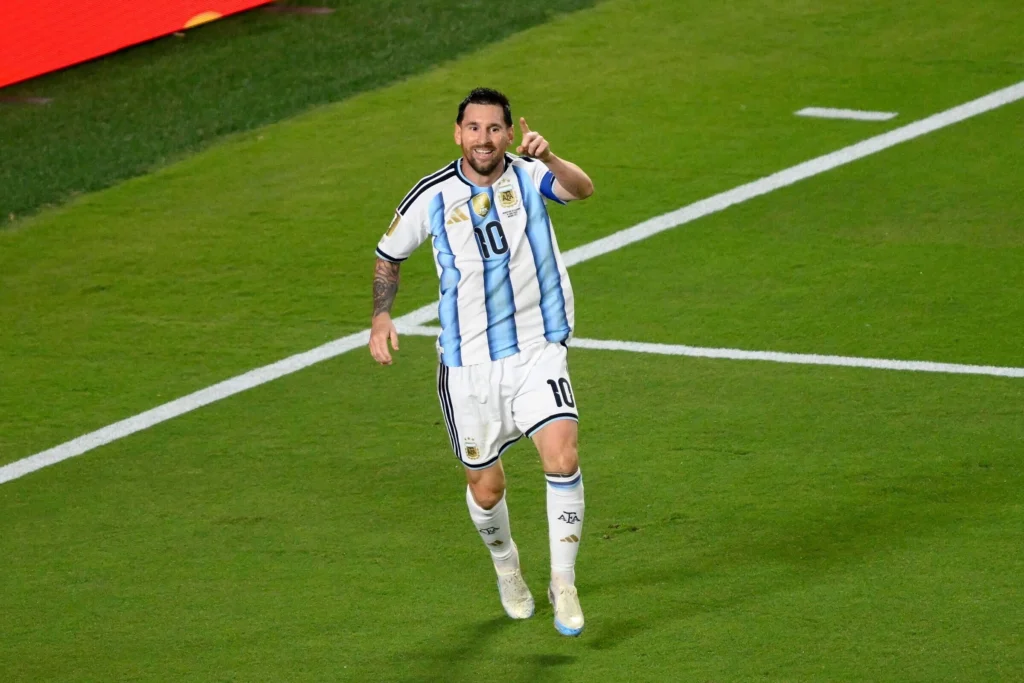
2. Lionel Messi (Argentina)
For more than 15 years, Lionel Messi has maintained a level of excellence rarely seen in football history. However, the debate over whether he is the greatest player of all time continued for years because he lacked a World Cup title.
Messi came agonizingly close to winning it in 2014. He was awarded the World Cup Golden Ball but was unable to lift the trophy after Argentina lost to Germany in extra time in the final.
Following Argentina’s defeat to France in the Round of 16 at the 2018 FIFA World Cup, many believed Messi’s final chance had slipped away. But at Qatar 2022, at the age of 35, he produced one of the greatest individual World Cup campaigns since Maradona in 1986.
After helping Argentina recover from the brink of a group-stage exit, Messi became the first player to score in every stage of a single World Cup campaign: the group stage, the Round of 16, the quarter-finals, the semi-finals, and the final. He was also named Player of the Match in every knockout-round game.
A second World Cup Golden Ball therefore seemed almost inevitable. After Argentina defeated France in a penalty shootout to win the title, Messi was widely expected to retire from international football. Instead, he chose to continue playing and went on to compete in the sixth World Cup of his career.
Messi has now equaled Miroslav Klose’s record of 16 World Cup goals. If he scores again at the 2026 FIFA World Cup, he could become the tournament’s all-time leading scorer while also strengthening his case to be regarded as the greatest player in World Cup history.
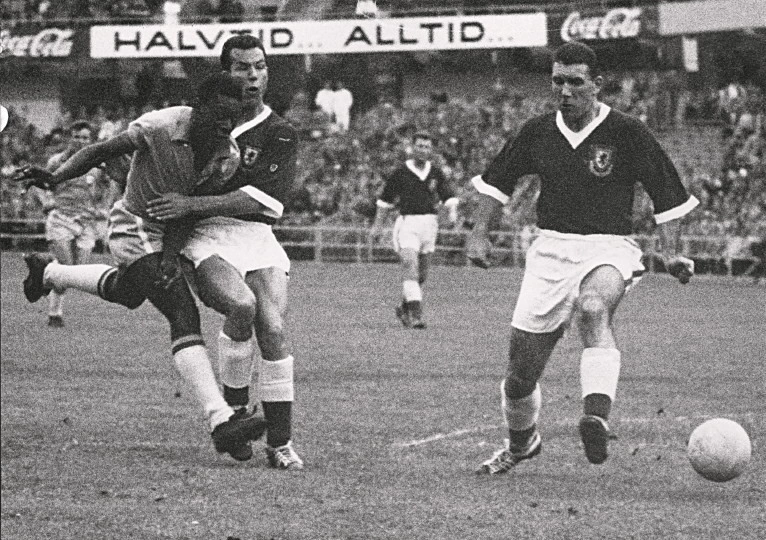
1. Pele (Brazil)
No one else could occupy the top spot but Pele, the man known as “The King of Football.” Pele remains the only player in history to have won three FIFA World Cup titles. Although injuries limited his role at the 1962 FIFA World Cup, he was the undisputed star of Brazil’s triumphs in 1958 and 1970.
In Sweden in 1958, Pele was just 17 years old but quickly earned a place in the starting lineup. He scored the winning goal against Wales in the quarter-finals, netted a hat-trick in Brazil’s 5–2 semi-final victory over France, and then scored twice in the final as Brazil defeated host nation Sweden.
France’s Just Fontaine won the Golden Boot with a record 13 goals, but after the tournament he still admitted: “When I watched Pele play, I felt I should retire.”
Twelve years later in Mexico, Pele produced the greatest masterpiece of his career. Under his leadership, the Brazil team of 1970—widely regarded as the greatest national team in football history—won all six of its matches to claim the World Cup title.
Pele scored four goals during the tournament, including one in Brazil’s 4–1 victory over Italy in the final. Italy defender Tarcisio Burgnich later recalled: “Before the match, I told myself he was only flesh and blood like everyone else. But I was wrong.”
Source: https://vnexpress.net/10-cau-thu-vi-dai-nhat-lich-su-world-cup-5088243.html
WORD BANK:
excel /ɪkˈsel/ [B2] (v): vượt trội, xuất sắc
tactical /ˈtæk.tɪ.kəl/ [B2] (adj): thuộc về chiến thuật
midfielder /ˈmɪdˌfiːl.dɚ/ (n): tiền vệ
libero /ˈliː.bə.roʊ/ (n): hậu vệ tự do
sweeper /ˈswiː.pɚ/ (n): hậu vệ quét
credited as sb/sth /ˈkred.ɪ.t̬ɪd/ (v): được công nhận là ai/cái gì
dislocate /ˈdɪs.loʊ.keɪt/ (v): làm trật khớp
until the final whistle /ənˈtɪl ðə ˈfaɪ.nəl ˈwɪs.əl/ (phr): cho đến tiếng còi mãn cuộc
strap /stræp/ (v): băng bó, quấn chặt
substitution /ˌsʌb.stəˈtuː.ʃən/ (n): quyền thay người; sự thay người
neutral fan /ˈnuː.trəl fæn/ (n): người hâm mộ trung lập
deserve to do sth /dɪˈzɝːv/ [B2] (v): xứng đáng làm gì
seizure /ˈsiː.ʒɚ/ [C2] (n): cơn co giật
mystery /ˈmɪs.tɚ.i/ [B1] (n): điều bí ẩn
unfold /ʌnˈfoʊld/ [C1] (v): diễn ra, hé lộ
strike fear /straɪk fɪr/ (v): gieo rắc nỗi sợ
pace /peɪs/ [B2] (n): tốc độ
drib /drɪb/ (v): rê bóng
dribbling skill /ˈdrɪb.lɪŋ skɪl/ (n): kỹ năng rê bóng
finishing ability /ˈfɪn.ɪ.ʃɪŋ əˈbɪl.ə.t̬i/ (n): khả năng dứt điểm
elite /ɪˈliːt/ (adj): hàng đầu
center-forward /ˌsen.t̬ɚ ˈfɔːr.wɚd/ (n): tiền đạo cắm
deliver a below-par performance /dɪˈlɪv.ɚ ə bɪˌloʊˈpɑːr pɚˈfɔːr.məns/ (v): thi đấu dưới phong độ
redemption /rɪˈdemp.ʃən/ [C1] (n): sự chuộc lỗi, sự phục hồi danh dự
battle sth /ˈbæt̬.əl/ [B2] (v): chống chọi với cái gì
brace /breɪs/ (n): cú đúp
send off sb /send ɔːf/ (v): truất quyền thi đấu ai
challenge /ˈtʃæl.ɪndʒ/ (n): pha vào bóng, pha tranh chấp
virtually /ˈvɝː.tʃu.ə.li/ [B2] (adv): hầu như, gần như
legacy /ˈleɡ.ə.si/ [C1] (n): di sản
tarnish /ˈtɑːr.nɪʃ/ [C2] (v): làm hoen ố, làm tổn hại
fail a drug test /feɪl ə drʌɡ test/ (v): không vượt qua bài kiểm tra doping
figure /ˈfɪɡ.jɚ/ [B2] (n): nhân vật
beyond dispute /biˈjɑːnd dɪˈspjuːt/ (phr): không thể tranh cãi
emerge victorious /ɪˈmɝːdʒ vɪkˈtɔːr.i.əs/ (v): giành chiến thắng
agonizing /ˈæɡ.ə.naɪ.zɪŋ/ [C2] (adj): đau đớn, đầy tiếc nuối
come agonizingly close to sth /kʌm ˈæɡ.ə.naɪ.zɪŋ.li kloʊs tə/ (v): đến rất gần nhưng vẫn lỡ mất
(a chance) slip away /slɪp əˈweɪ/ (v): (cơ hội) vuột mất
the brink of sth /ðə brɪŋk əv/ (n): bờ vực, ngưỡng của cái gì
knockout round /ˈnɑːk.aʊt raʊnd/ (n): vòng đấu loại trực tiếp
inevitable /ɪnˈev.ə.t̬ə.bəl/ [C1] (adj): không thể tránh khỏi
equal sb /ˈiː.kwəl/ [B2] (v): sánh ngang với ai
undisputed /ˌʌn.dɪˈspjuː.t̬ɪd/ (adj): không thể bàn cãi
the starting lineup /ðə ˈstɑːr.t̬ɪŋ ˈlaɪn.ʌp/ (n): đội hình ra sân
net /net/ (v): ghi bàn
masterpiece /ˈmæs.tɚ.piːs/ [C1] (n): kiệt tác
flesh and blood /fleʃ ənd blʌd/ (n): con người bằng xương bằng thịt
ỦNG HỘ READ TO LEAD!
Chào bạn! Có thể bạn chưa biết, Read to Lead là một trang giáo dục phi lợi nhuận với mục đích góp phần phát triển cộng đồng người học tiếng Anh tại Việt Nam. Chúng tôi không yêu cầu người đọc phải trả bất kỳ chi phí nào để sử dụng các sản phẩm của mình để mọi người đều có cơ hội học tập tốt hơn. Tuy nhiên, nếu bạn có thể, chúng tôi mong nhận được sự hỗ trợ tài chính từ bạn để duy trì hoạt động của trang và phát triển các sản phẩm mới.
Bạn có thể ủng hộ chúng tôi qua 1 trong 2 cách dưới đây.
– Cách 1: Chuyển tiền qua tài khoản Momo.
Số điện thoại 0947.886.865 (Chủ tài khoản: Nguyễn Tiến Trung)
Nội dung chuyển tiền: Ủng hộ Read to Lead
hoặc
– Cách 2: Chuyển tiền qua tài khoản ngân hàng.
Ngân hàng VIB chi nhánh Hải Phòng
Số tài khoản: 012704060048394 (Chủ tài khoản: Nguyễn Tiến Trung)
Nội dung chuyển tiền: Ủng hộ Read to Lead
Lớp luyện thi IELTS online
Bạn đang có nhu cầu thi chứng chỉ IELTS cho đầu vào đại học, đi du học, xin việc hay xin cư trú và đang phân vân chưa biết học ở đâu?
Nếu bạn đang tìm kiếm dịch vụ luyện thi IELTS online với giáo viên uy tín và chất lượng, cũng như học phí phải chăng, thì thầy Trung và Cô Thủy (Admin và dịch giả chính của Read to Lead) có thể là một lựa chọn phù hợp dành cho bạn.
Hãy liên hệ (nhắn tin) tới trang Facebook cá nhân của mình (https://www.facebook.com/nguyen.trung.509) để tìm hiểu về lớp học và được tư vấn cũng như được học thử nha!


ronaldo đâu bố
ronaldo đâu bố