


[Reading level: C1 – Advanced]
In October 2026, a cyberattack in France demonstrated that technological threats can emerge even in an ordinary supermarket.
Hackers infiltrated the control systems of Internet-connected refrigerators and freezers at hundreds of supermarkets, raising the temperatures of some units to as high as 50°C. As a result, large quantities of food spoiled and had to be discarded, and several fires even broke out. The economic damage was estimated to potentially reach tens of millions of euros.
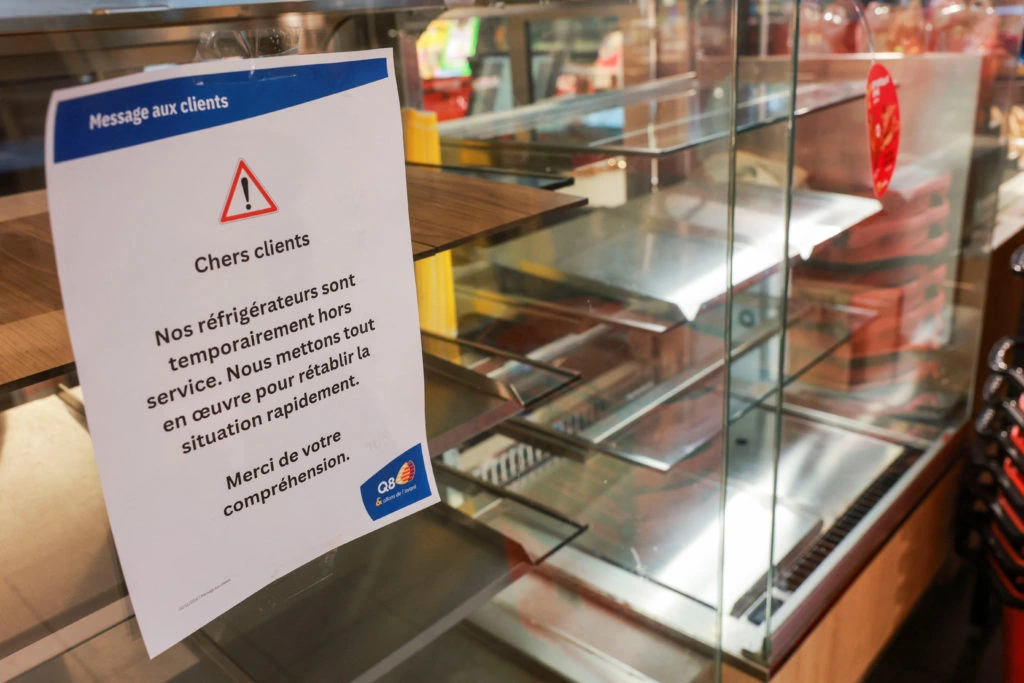
What is particularly striking is that the attackers did not need to be physically present at the supermarkets or touch a single refrigerator. They exploited vulnerabilities in remote-control systems originally designed to make equipment management and maintenance more convenient.
A technology created to serve humans suddenly became a tool of destruction when control fell into the wrong hands.
Beyond stationary devices, humanoid robots are also raising new safety and ethical concerns.
On October 10, 2026, in Cologne, Germany, a 16-year-old girl was approached by a humanoid robot approximately 1.2 meters tall, which subjected her to inappropriate physical contact amounting to sexual harassment. The incident was recorded on video and posted on social media, attracting millions of views. Police subsequently seized the robot and two mobile phones and launched an investigation into two individuals involved, aged 16 and 19.
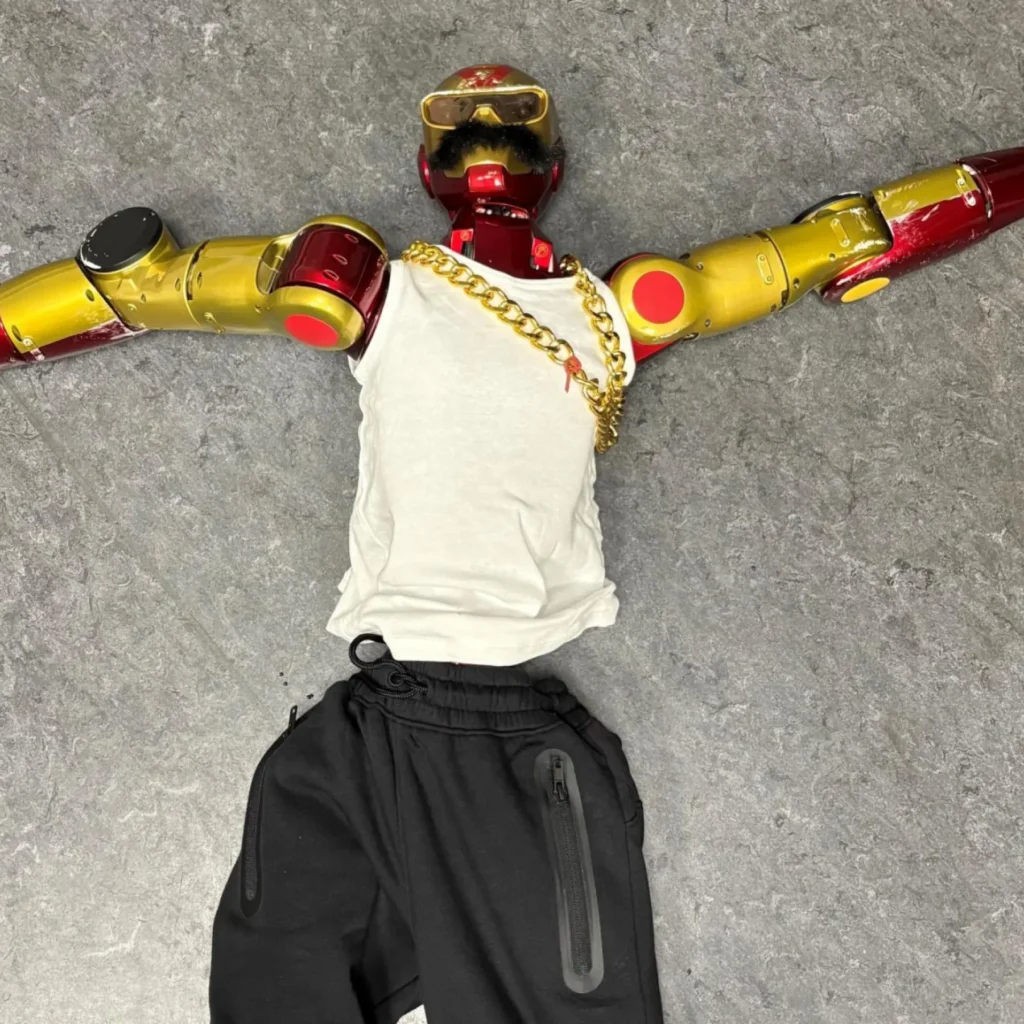
In this case, the robot did not independently decide how to behave but was used by humans to harass another person. Nevertheless, the incident raises a thought-provoking legal question: when an act of abuse is carried out through a machine, how should responsibility be determined?
And from these real-life incidents, we can imagine even more frightening scenarios in the future.
Imagine getting into a self-driving car to return home. You enter your address, lean back in your seat, and let the automated system take you to your destination. But halfway through the journey, the car suddenly changes its route. The screen stops responding. Your request to stop the vehicle is rejected. Instead of taking you home, the car heads toward a remote location under the instructions of a stranger.
You are no longer a passenger being served, but someone held captive inside your own vehicle.
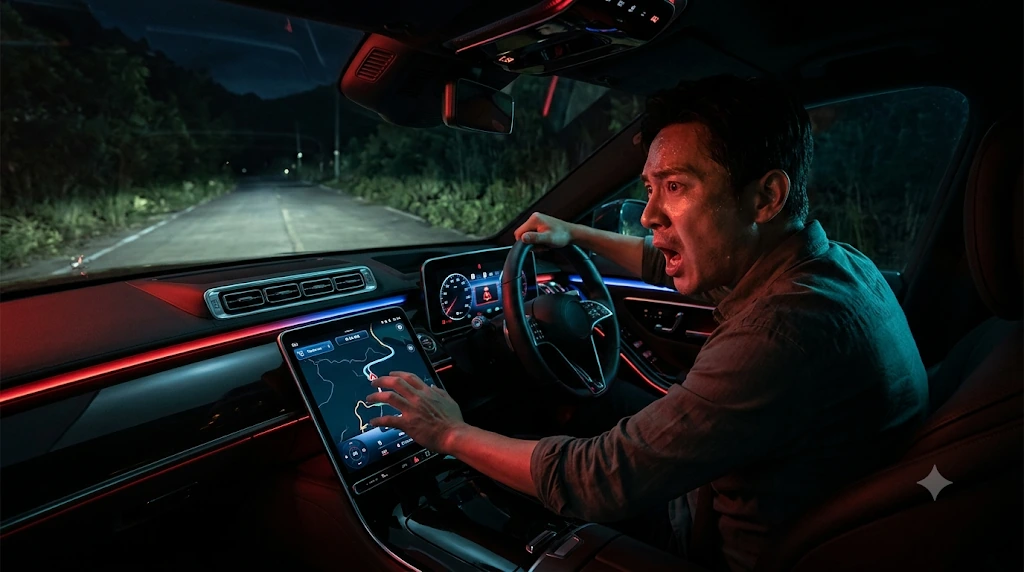
This is merely a hypothetical scenario, not a documented case of kidnapping involving a self-driving car. However, it illustrates a risk that must be considered as vehicles become increasingly dependent on software, network connectivity, and automated control systems. If critical safety mechanisms are disabled, the consequences may extend beyond data loss or property damage to directly threatening human lives.
But what would happen if the target of a cyberattack were no longer a refrigerator or a car, but the entire infrastructure of a city?
Imagine an AI system capable of automatically searching for security vulnerabilities and carrying out cyberattacks being exploited by malicious actors. It infiltrates the power grid’s control system, causing sudden blackouts across multiple areas. At busy intersections, traffic lights stop working, causing congestion and increasing the risk of accidents. Water supply systems, communications networks, and other essential services could also be disrupted. In severe cases, hospitals, factories, and critical infrastructure facilities could be affected.

This, too, is a hypothetical scenario, not an event that has occurred exactly as described. However, the development of AI is raising genuine concerns about the potential automation of cyberattacks. If tools originally designed to help detect and fix security vulnerabilities are used for destructive purposes, the scale and speed of cyberattacks could increase significantly.
What these stories have in common is not that technology has become evil. AI, robots, smart refrigerators, and self-driving cars are all developed to improve people’s quality of life. However, as devices become increasingly interconnected, the possibility of cyberattacks, misuse, or unexpected behavior also becomes part of the safety challenge.
WORD BANK:
cyberattack /ˈsaɪ.bɚ.əˌtæk/ (n): cuộc tấn công mạng
ordinary /ˈɔːr.dən.er.i/ (adj): bình thường, thông thường
infiltrate /ˈɪn.fɪl.treɪt/ [C2] (v): xâm nhập
Internet-connected /ˈɪn.t̬ɚ.net kəˈnek.tɪd/ (adj): được kết nối Internet
spoil /spɔɪl/ (v): làm hỏng, bị hư hỏng (thực phẩm)
discard /dɪˈskɑːrd/ [C1] (v): vứt bỏ, loại bỏ
break out /breɪk aʊt/ [B2] (phr.v): bùng phát, xảy ra đột ngột (cháy, chiến tranh)
estimate /ˈes.tə.meɪt/ [B2] (v): ước tính
striking /ˈstraɪ.kɪŋ/ [B2] (adj): nổi bật, gây ấn tượng mạnh
vulnerability /ˌvʌl.nɚ.əˈbɪl.ə.t̬i/ [C2] (n): điểm yếu, lỗ hổng bảo mật
fall into the wrong hands /fɑːl/ (idiom): rơi vào tay kẻ xấu
stationary /ˈsteɪ.ʃə.ner.i/ (adj): cố định, không di chuyển
humanoid robot /ˈhjuː.mə.nɔɪd ˈroʊ.bɑːt/ (n): robot hình người
subject sb to sth /səbˈdʒekt/ [C1] (v): bắt ai phải chịu đựng điều gì
inappropriate physical contact /ˌɪn.əˈproʊ.pri.ət ˈfɪz.ɪ.kəl ˈkɑːn.tækt/ (n): hành vi đụng chạm cơ thể không phù hợp
sexual harassment /ˈsek.ʃu.əl həˈræs.mənt/ (n): hành vi quấy rối tình dục
seize sth /siːz/ [C1] (v): tịch thu, thu giữ
launch an investigation /lɑːntʃ ɪnˌves.təˈɡeɪ.ʃən/ (v): mở cuộc điều tra
harass /həˈræs/ [C1] (v): quấy rối
incident /ˈɪn.sə.dənt/ [B2] (n): sự cố, vụ việc
thought-provoking /ˈθɑːt.prəˌvoʊ.kɪŋ/ [C1] (adj): gợi suy ngẫm
legal /ˈliː.ɡəl/ [B2] (adj): thuộc về pháp luật, pháp lý
abuse /əˈbjuːs/ [C1] (n): sự lạm dụng, hành vi xâm hại
frightening /ˈfraɪ.tən.ɪŋ/ [B1] (adj): đáng sợ
scenario /səˈner.i.oʊ/ [C1] (n): kịch bản, tình huống giả định
self-driving car /ˌselfˈdraɪ.vɪŋ kɑːr/ (n): ô tô tự lái
lean back /liːn/ (phr.v): ngả người ra sau
reject /rɪˈdʒekt/ [B1] (v): từ chối, bác bỏ
remote /rɪˈmoʊt/ [B2] (adj): xa xôi, hẻo lánh
hold sb captive /hoʊld ˈkæp.tɪv/ (v): giam giữ ai, bắt giữ ai làm con tin
merely /ˈmɪr.li/ [C1] (adv): chỉ đơn thuần, chỉ là
hypothetical /ˌhaɪ.pəˈθet̬.ɪ.kəl/ [C2] (adj): mang tính giả định
kidnapping /ˈkɪd.næp.ɪŋ/ (n): hành vi bắt cóc
illustrate /ˈɪl.ə.streɪt/ [B2] (v): minh họa, làm rõ
mechanism /ˈmek.ə.nɪ.zəm/ [C1] (n): cơ chế
disable /dɪˈseɪ.bəl/ (v): vô hiệu hóa
consequence /ˈkɑːn.sə.kwens/ [B2] (n): hậu quả
exploit /ɪkˈsplɔɪt/ [C1] (v): khai thác, lợi dụng
malicious actor /məˈlɪʃ.əs ˈæk.tɚ/ (n): đối tượng có ý đồ xấu
power grid /ˈpaʊ.ɚ ɡrɪd/ (n): hệ thống lưới điện
blackout /ˈblæk.aʊt/ (n): tình trạng mất điện trên diện rộng
disrupt /dɪsˈrʌpt/ [C1] (v): làm gián đoạn, gây rối loạn
severe /səˈvɪr/ [B2] (adj): nghiêm trọng
destructive /dɪˈstrʌk.tɪv/ [C1] (adj): có tính phá hoại, gây tàn phá
evil /ˈiː.vəl/ [B2] (adj): độc ác, xấu xa
ỦNG HỘ READ TO LEAD!
Chào bạn! Có thể bạn chưa biết, Read to Lead là một trang giáo dục phi lợi nhuận với mục đích góp phần phát triển cộng đồng người học tiếng Anh tại Việt Nam. Chúng tôi không yêu cầu người đọc phải trả bất kỳ chi phí nào để sử dụng các sản phẩm của mình để mọi người đều có cơ hội học tập tốt hơn. Tuy nhiên, nếu bạn có thể, chúng tôi mong nhận được sự hỗ trợ tài chính từ bạn để duy trì hoạt động của trang và phát triển các sản phẩm mới.
Bạn có thể ủng hộ chúng tôi qua 1 trong 2 cách dưới đây.
– Cách 1: Chuyển tiền qua tài khoản Momo.
Số điện thoại 0947.886.865 (Chủ tài khoản: Nguyễn Tiến Trung)
Nội dung chuyển tiền: Ủng hộ Read to Lead
hoặc
– Cách 2: Chuyển tiền qua tài khoản ngân hàng.
Ngân hàng VIB chi nhánh Hải Phòng
Số tài khoản: 012704060048394 (Chủ tài khoản: Nguyễn Tiến Trung)
Nội dung chuyển tiền: Ủng hộ Read to Lead
Lớp luyện thi IELTS online
Bạn đang có nhu cầu thi chứng chỉ IELTS cho đầu vào đại học, đi du học, xin việc hay xin cư trú và đang phân vân chưa biết học ở đâu?
Nếu bạn đang tìm kiếm dịch vụ luyện thi IELTS online với giáo viên uy tín và chất lượng, cũng như học phí phải chăng, thì lớp học online của thầy Trung (Admin và dịch giả chính của Read to Lead) có thể là một lựa chọn phù hợp dành cho bạn.
Hãy liên hệ (nhắn tin) tới trang Facebook cá nhân của mình (https://www.facebook.com/nguyen.trung.509) để tìm hiểu về lớp học và được tư vấn cũng như được học thử nha!


