


[Reading level: C1 – Advanced]
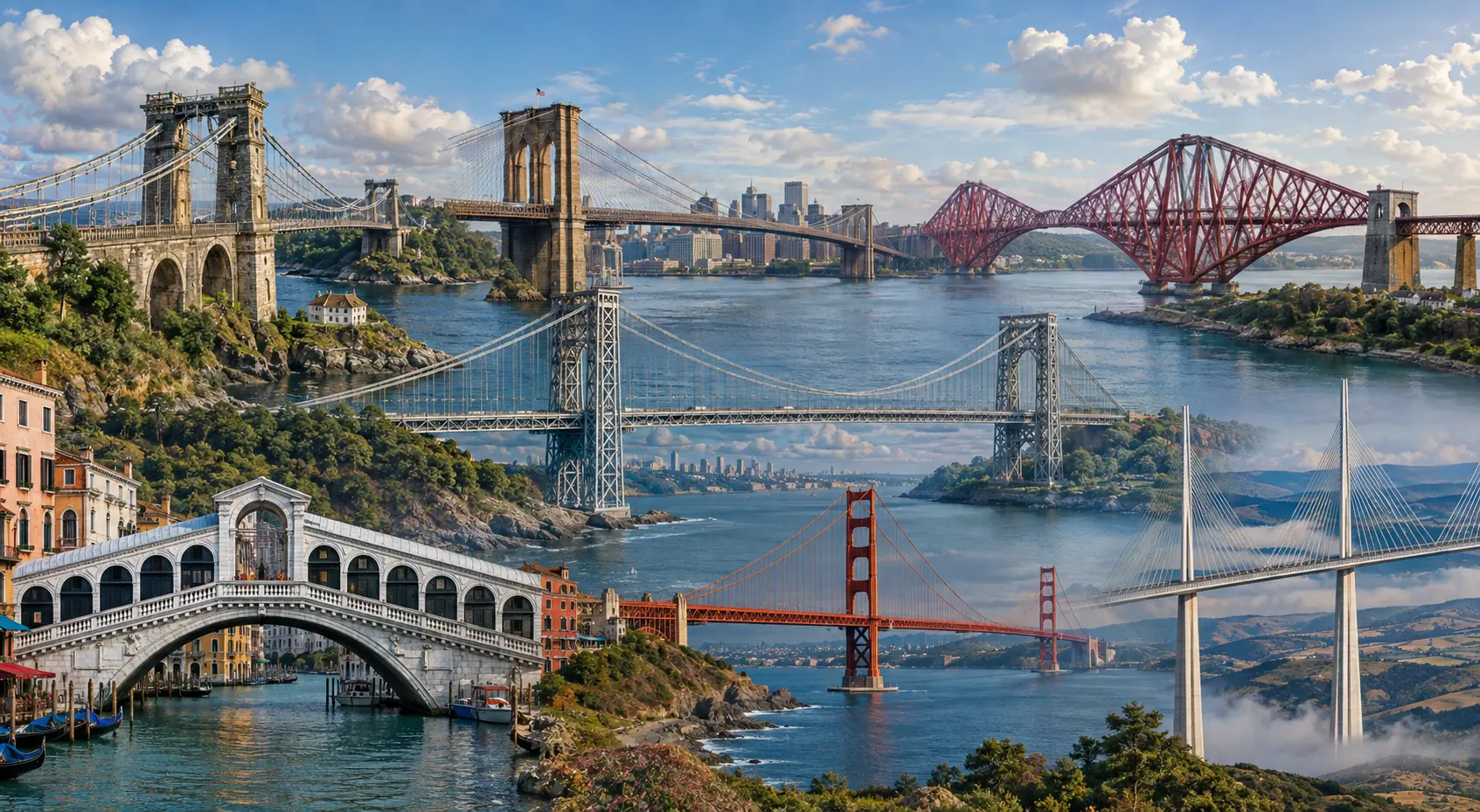
Bridges do far more than simply help people cross rivers, valleys, or other obstacles. Some have opened important trade routes, linked growing cities, supported the expansion of road and railway networks, and introduced engineering solutions that influenced generations of later projects.
From an early cast-iron arch built during the Industrial Revolution to enormous suspension bridges stretching almost two kilometers, these 10 bridges are notable not just for their size or appearance, but for the lasting impact they have had on transportation, society, and engineering.

1. Iron Bridge – England
Completed in 1779 over the River Severn, England’s Iron Bridge is widely regarded as the world’s first major bridge made of iron. Its importance extended well beyond providing a new river crossing. At a time when the Industrial Revolution was rapidly changing metal production, the bridge proved that cast iron could serve as a reliable material for large load-bearing structures.
Its success helped establish iron as an important construction material and turned the bridge into a lasting symbol of industrial engineering. The project also contributed to the development of the surrounding Ironbridge area, which became one of Britain’s major industrial centers.

2. Rialto Bridge – Venice, Italy
Completed in 1591, the Rialto Bridge replaced several earlier wooden bridges across Venice’s Grand Canal. For centuries, it remained the only pedestrian crossing connecting the two sides of the canal.
Its single stone arch spans more than 28 meters, leaving enough space for boats to travel underneath. The structure rests on thousands of timber piles driven into the ground. Beyond its engineering importance, the bridge connected Venice’s political center with its busy commercial district, making it easier for people and goods to move through one of Europe’s most important trading cities.

3. Menai Suspension Bridge – Wales
Designed by Thomas Telford and opened in 1826, the Menai Suspension Bridge represented a major advance in both transportation and suspension-bridge design. Its 579-foot main span was the longest in the world at the time.
The bridge allowed the important road linking London and Holyhead to cross the dangerous Menai Strait. More significantly, it showed that suspension bridges could provide an economical and practical way to create long road crossings. Its design influenced suspension bridges for decades and helped establish this type of structure as a viable solution for major spans.
4. Brooklyn Bridge – New York, US
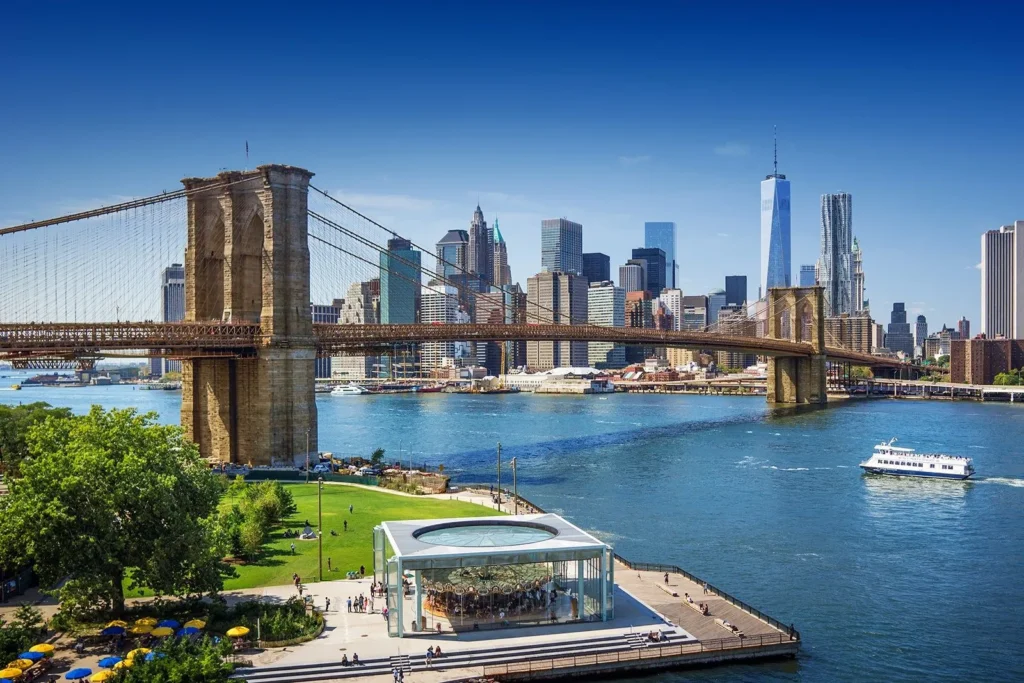
When the Brooklyn Bridge opened in 1883, it was one of the most ambitious infrastructure projects of the 19th century. John Roebling’s design combined suspension technology with stiffening elements and steel cables, supported by enormous masonry towers.
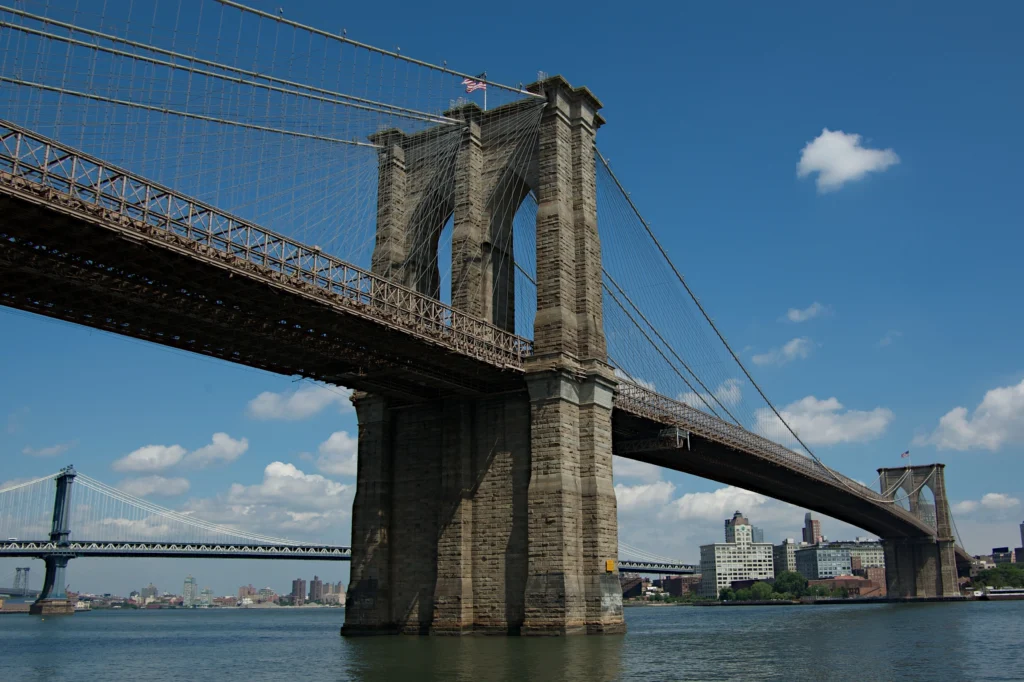
Construction of the bridge also advanced the use of pressurized caissons for underwater foundation work. By creating a permanent connection between Manhattan and Brooklyn, the bridge helped bring together areas that would eventually become part of modern New York City. It also proved that extremely large suspension bridges could successfully serve busy urban environments.

5. Forth Bridge – Scotland
Opened in 1890, Scotland’s Forth Bridge was one of the world’s earliest great multispan cantilever bridges. Its three massive towers and cantilever arms created spans of 521 meters, while approximately 54,000 tons of mild steel were used in its construction.
The bridge marked an important shift from iron to steel and demonstrated that cantilever structures could support the heavy loads and long spans required by railway systems. More than 135 years after opening, it continues to carry both passenger and freight trains.
6. George Washington Bridge – New York, US
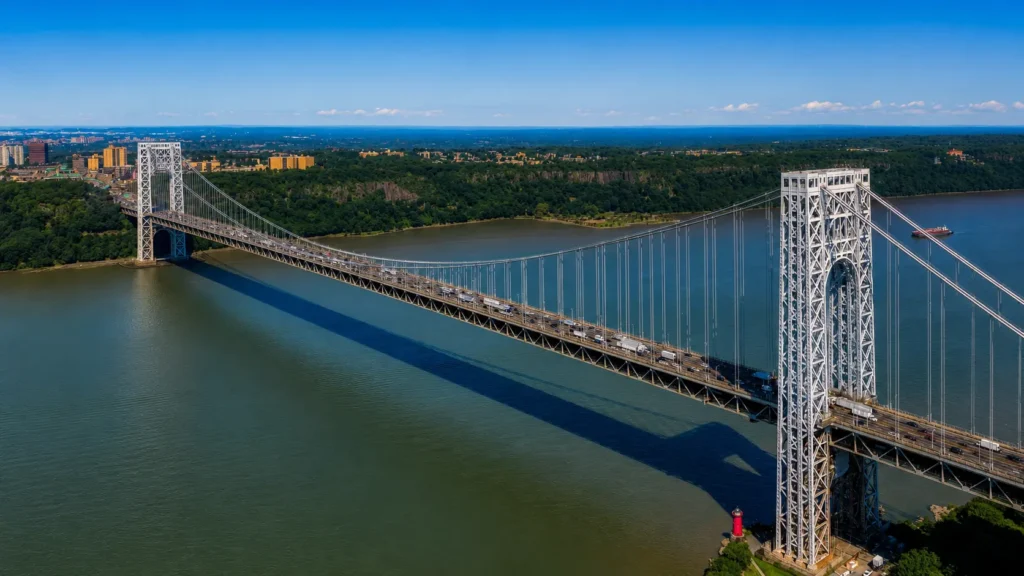
The George Washington Bridge transformed expectations for suspension bridges when it opened in 1931. Its 3,500-foot main span was almost twice as long as that of the largest suspension bridge built before it.
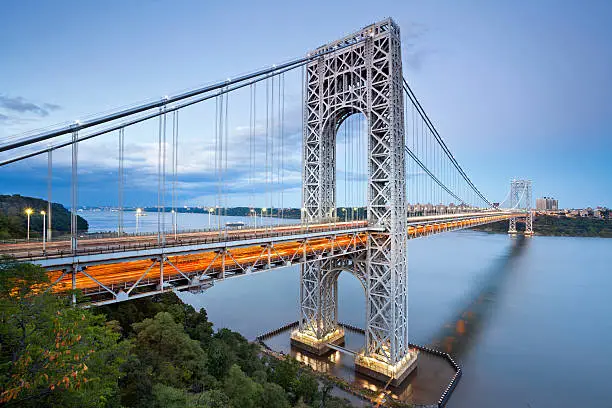
Chief engineer Othmar Ammann developed a lighter stiffening-truss design that increased flexibility while saving nearly $10 million in construction costs. He also planned the bridge with future expansion in mind. A lower deck was later added, increasing its capacity from six lanes on the upper level to a total of 14 lanes. The project became a textbook example of designing major infrastructure to accommodate future growth.

7. Golden Gate Bridge – San Francisco, US
Opened in 1937, the Golden Gate Bridge required engineers to overcome strong winds, deep water, powerful tides, and a strait about 1.7 miles wide. Its 4,200-foot main suspension span was the longest in the world when the bridge was completed.
Before its construction, Marin County relied heavily on ferries for connections with San Francisco. The bridge dramatically improved transportation around San Francisco Bay and demonstrated that enormous suspension bridges could cross challenging waterways while remaining both structurally practical and economically viable.
8. Sydney Harbor Bridge – Australia
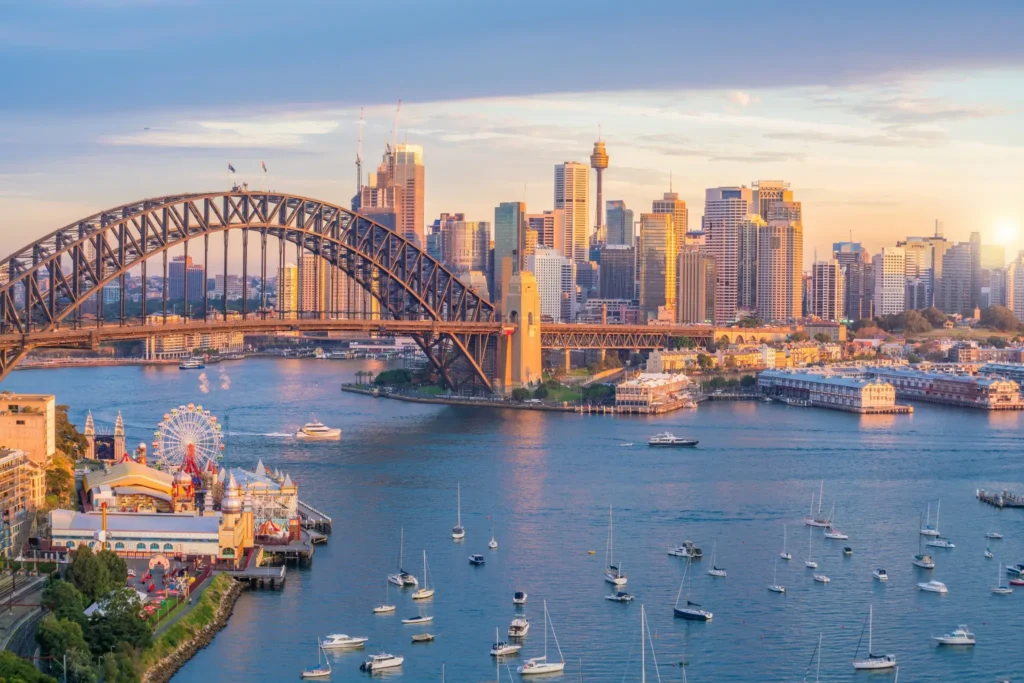
Completed in 1932, the Sydney Harbor Bridge became a central part of the city’s road and rail network, creating a permanent connection between Sydney’s northern and southern shores.
Its huge steel arch was constructed outward from both sides of the harbor before the two sections were joined above the water. More than 53,000 tonnes of steel and around six million rivets were used to build the structure. Beyond being an engineering achievement, the bridge helped reshape Sydney by providing a high-capacity crossing in a city where ferries had previously played the dominant role in harbor transportation.
9. Akashi Kaikyo Bridge – Japan
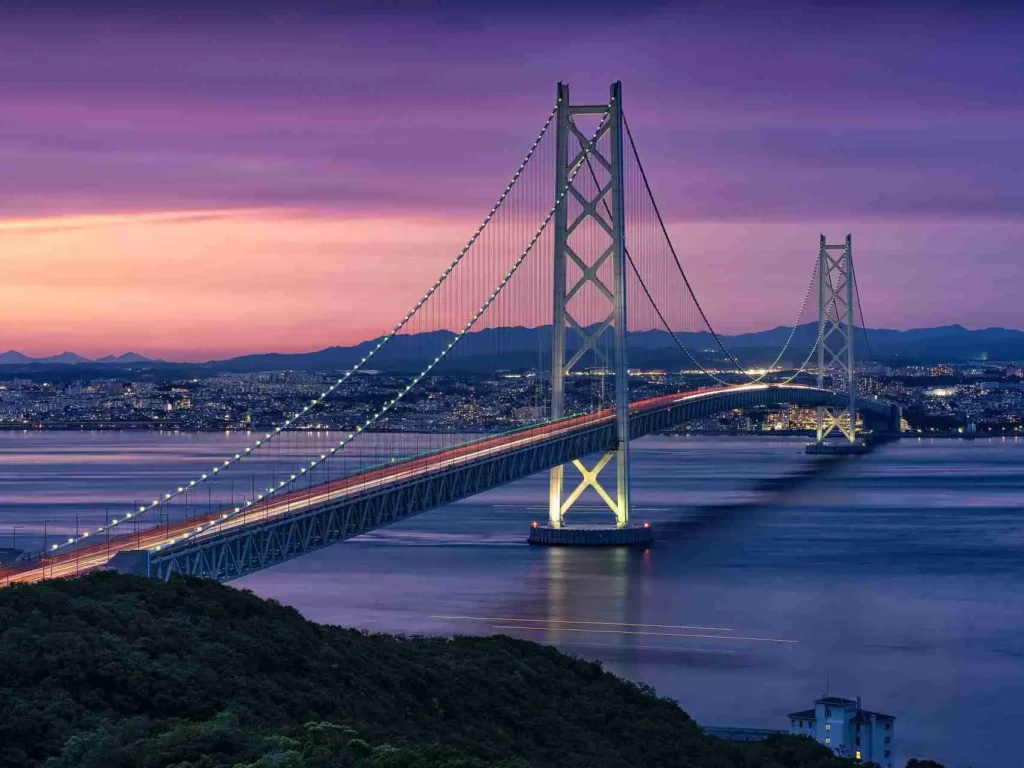
Japan’s Akashi Kaikyo Bridge marked a new stage in suspension-bridge engineering when it opened in 1998. Its 1,991-meter central span remains the longest of any suspension bridge in the world.

Engineers designed the structure to withstand powerful winds, earthquakes, strong tidal currents, and the challenges of constructing foundations in deep water. The bridge also became an important example of advanced structural monitoring. Sensors, GPS systems, and anemometers continuously measure its behavior. The project showed how computer analysis, modern materials, and monitoring technologies could be combined to build infrastructure on an unprecedented scale.

10. Millau Viaduct – France
Opened in 2004, France’s Millau Viaduct demonstrated how modern engineering could create an enormous highway crossing with a remarkably light and slender appearance. The cable-stayed bridge crosses the Tarn Valley, and its tallest mast reaches approximately 343 meters.

Its narrow deck and series of tall towers allow the highway to cross high above the deep valley instead of following the difficult terrain below. The project demonstrated how advanced materials, aerodynamic design, precise construction methods, and computer-assisted engineering could work together to create extremely high and long crossings while reducing their physical and visual impact on the surrounding landscape.
These bridges are not included simply because they are the oldest, longest, or tallest. Each represents an important turning point in bridge engineering, transportation, or infrastructure design. Together, they show how bridge construction evolved from stone and cast iron to steel, advanced suspension systems, computer-assisted design, and sophisticated structural monitoring.
Source: Interesting Engineering
WORD BANK:
valley /ˈvæl.i/ [B1] (n): thung lũng
obstacle /ˈɑːb.stə.kəl/ [B2] (n): chướng ngại vật
trade route /ˈtreɪd ˌruːt/ (n): tuyến đường thương mại
engineering /ˌen.dʒəˈnɪr.ɪŋ/ [B1] (n): ngành kỹ thuật
engineering solution /ˌen.dʒəˈnɪr.ɪŋ səˌluː.ʃən/ (n): giải pháp kỹ thuật
engineering achievement /ˌen.dʒəˈnɪr.ɪŋ əˌtʃiːv.mənt/ (n): thành tựu kỹ thuật
cast iron /ˌkæst ˈaɪ.ɚn/ (n): gang
arch /ɑːrtʃ/ [B2] (n): mái vòm; kết cấu vòm
the Industrial Revolution (n): Cách mạng Công nghiệp
enormous /ɪˈnɔːr.məs/ [B1] (adj): khổng lồ
suspension bridge /səˈspen.ʃən ˌbrɪdʒ/ (n): cầu treo
stretch /stretʃ/ [B2] (v): kéo dài; trải dài
lasting impact /ˌlæs.tɪŋ ˈɪm.pækt/ (n): ảnh hưởng lâu dài
be widely regarded as sb/sth /bi ˈwaɪd.li rɪˈɡɑːr.dɪd æz/ (phr): được nhiều người coi là ai/cái gì
reliable /rɪˈlaɪ.ə.bəl/ [B1] (adj): đáng tin cậy
load-bearing structure /ˈloʊdˌber.ɪŋ ˌstrʌk.tʃɚ/ (n): kết cấu chịu lực
establish /ɪˈstæb.lɪʃ/ [B2] (v): thành lập; thiết lập; xác lập
contribute to sth /kənˈtrɪb.juːt tə/ [B2] (v): đóng góp vào cái gì
grand /ɡrænd/ [B1] (adj): đồ sộ; hoành tráng
canal /kəˈnæl/ [B1] (n): kênh đào
pedestrian /pəˈdes.tri.ən/ [B1] (n): người đi bộ
crossing /ˈkrɑː.sɪŋ/ [B1] (n): nơi giao cắt; chỗ qua đường
span /spæn/ (n): nhịp cầu
span /spæn/ [C2] (v): bắc qua; kéo dài qua
main span /ˌmeɪn ˈspæn/ (n): nhịp chính
underneath /ˌʌn.dɚˈniːθ/ [B2] (prep, adv): ở bên dưới
rest on sth /ˈrest ɑːn/ (v): nằm trên; tựa trên cái gì
timber /ˈtɪm.bɚ/ [B2] (n): gỗ xây dựng
pile /paɪl/ (n): cọc
drive sth into the ground /draɪv ˌɪn.tə ðə ˈɡraʊnd/ (v): đóng cái gì xuống đất
commercial district /kəˈmɝː.ʃəl ˌdɪs.trɪkt/ (n): khu thương mại
advance /ədˈvæns/ [B2] (n): sự tiến bộ; bước tiến
advanced /ədˈvænst/ [B1] (adj): tiên tiến; hiện đại
viable /ˈvaɪ.ə.bəl/ [C1] (adj): khả thi
ambitious /æmˈbɪʃ.əs/ [B2] (adj): đầy tham vọng
stiffening element /ˈstɪf.ən.ɪŋ ˌel.ə.mənt/ (n): bộ phận gia cường
masonry /ˈmeɪ.sən.ri/ (n): kết cấu xây bằng gạch hoặc đá
tower /ˈtaʊ.ɚ/ [A2] (n): tòa tháp; trụ tháp
pressurized /ˈpreʃ.ɚ.aɪzd/ (adj): được điều áp; có áp suất
caisson /ˈkeɪ.sən/ (n): giếng chìm; thùng chìm dùng để thi công móng
foundation work /faʊnˈdeɪ.ʃən ˌwɝːk/ (n): công tác thi công móng
permanent /ˈpɝː.mə.nənt/ [B1] (adj): lâu dài; vĩnh viễn
eventually /ɪˈven.tʃu.ə.li/ [B1] (adv): cuối cùng
multispan /ˌmʌl.tiˈspæn/ (adj): có nhiều nhịp
cantilever bridge /ˈkæn.t̬əl.iː.vɚ ˌbrɪdʒ/ (n): cầu công xôn
cantilever arm /ˈkæn.t̬əl.iː.vɚ ˌɑːrm/ (n): cánh tay công xôn
mild steel /ˌmaɪld ˈstiːl/ (n): thép mềm; thép cacbon thấp
shift from sth to sth /ʃɪft frəm tə/ [B2] (v): chuyển từ cái gì sang cái gì
demonstrate /ˈdem.ən.streɪt/ [B2] (v): chứng minh; thể hiện
freight train /ˈfreɪt ˌtreɪn/ (n): tàu chở hàng
expectation for sth /ˌek.spekˈteɪ.ʃən fɔːr/ [B2] (n): kỳ vọng đối với cái gì
chief engineer /ˌtʃiːf en.dʒəˈnɪr/ (n): kỹ sư trưởng
truss /trʌs/ (n): giàn; kết cấu giàn
stiffening truss /ˈstɪf.ən.ɪŋ ˌtrʌs/ (n): giàn tăng cứng
flexibility /ˌflek.səˈbɪl.ə.t̬i/ [B2] (n): tính linh hoạt; độ mềm dẻo
(do sth) with sth in mind /wɪð ɪn ˈmaɪnd/ (phr): làm gì có tính đến cái gì
deck /dek/ [B2] (n): mặt cầu
capacity /kəˈpæs.ə.t̬i/ [B2] (n): sức chứa; công suất; khả năng chịu tải
upper level /ˌʌp.ɚ ˈlev.əl/ (n): tầng trên
lane /leɪn/ [B1] (n): làn đường
a textbook example /ə ˈtekst.bʊk ɪɡˌzæm.pəl/ (n): một ví dụ điển hình
accommodate sth /əˈkɑː.mə.deɪt/ [B2] (v): hỗ trợ cho cái gì, cho phép điều gì diễn ra
tide /taɪd/ [B2] (n): thủy triều
ferry /ˈfer.i/ [B1] (n): phà
enormous /ɪˈnɔːr.məs/ [B1] (adj): khổng lồ
waterway /ˈwɑː.t̬ɚ.weɪ/ (n): đường thủy
structurally practical /ˈstrʌk.tʃɚ.əl.i ˈpræk.tɪ.kəl/ (adj): khả thi về mặt kết cấu
viable /ˈvaɪ.ə.bəl/ [C1] (adj): khả thi
shore /ʃɔːr/ [B1] (n): bờ biển; bờ sông
steel arch /ˌstiːl ˈɑːrtʃ/ (n): vòm thép
outward /ˈaʊt.wɚd/ [C1] (adv, adj): hướng ra ngoài
harbor /ˈhɑːr.bɚ/ [B1] (n): cảng; bến cảng
high-capacity /ˌhaɪ.kəˈpæs.ə.t̬i/ (adj): có công suất lớn; có sức chứa lớn
play the dominant role in sth (phr): đóng vai trò chủ đạo trong cái gì
withstand /wɪðˈstænd/ [C2] (v): chịu được; chống chọi với
tidal current /ˈtaɪ.dəl ˌkɝː.ənt/ (n): dòng thủy triều
structural monitoring /ˈstrʌk.tʃɚ.əl ˌmɑː.nə.t̬ɚ.ɪŋ/ (n): hoạt động giám sát kết cấu
sensor /ˈsen.sɚ/ [B2] (n): cảm biến
anemometer /ˌæn.əˈmɑː.mə.t̬ɚ/ (n): máy đo tốc độ gió
measure /ˈmeʒ.ɚ/ [B1] (v): đo lường
computer analysis /kəmˈpjuː.t̬ɚ əˌnæl.ə.sɪs/ (n): hoạt động phân tích bằng máy tính
unprecedented /ʌnˈpres.ə.den.t̬ɪd/ [C2] (adj): chưa từng có
viaduct /ˈvaɪ.ə.dʌkt/ (n): cầu cạn
slender /ˈslen.dɚ/ [C2] (adj): mảnh; thanh mảnh
cable-stayed bridge /ˈkeɪ.bəlˌsteɪd ˈbrɪdʒ/ (n): cầu dây văng
mast /mæst/ (n): cột tháp; trụ tháp
narrow /ˈner.oʊ/ [A2] (adj): hẹp
terrain /təˈreɪn/ [C1] (n): địa hình
aerodynamic /ˌer.oʊ.daɪˈnæm.ɪk/ (adj): có tính khí động học
computer-assisted /kəmˈpjuː.t̬ɚ.əˌsɪs.tɪd/ (adj): có sự hỗ trợ của máy tính
visual /ˈvɪʒ.u.əl/ [B2] (adj): thuộc về thị giác; trực quan
turning point /ˈtɝː.nɪŋ ˌpɔɪnt/ (n): bước ngoặt
evolve /ɪˈvɑːlv/ [B2] (v): phát triển; tiến hóa
sophisticated /səˈfɪs.tə.keɪ.t̬ɪd/ [B2] (adj): tinh vi; phức tạp; tiên tiến
ỦNG HỘ READ TO LEAD!
Chào bạn! Có thể bạn chưa biết, Read to Lead là một trang giáo dục phi lợi nhuận với mục đích góp phần phát triển cộng đồng người học tiếng Anh tại Việt Nam. Chúng tôi không yêu cầu người đọc phải trả bất kỳ chi phí nào để sử dụng các sản phẩm của mình để mọi người đều có cơ hội học tập tốt hơn. Tuy nhiên, nếu bạn có thể, chúng tôi mong nhận được sự hỗ trợ tài chính từ bạn để duy trì hoạt động của trang và phát triển các sản phẩm mới.
Bạn có thể ủng hộ chúng tôi qua 1 trong 2 cách dưới đây.
– Cách 1: Chuyển tiền qua tài khoản Momo.
Số điện thoại 0947.886.865 (Chủ tài khoản: Nguyễn Tiến Trung)
Nội dung chuyển tiền: Ủng hộ Read to Lead
hoặc
– Cách 2: Chuyển tiền qua tài khoản ngân hàng.
Ngân hàng VIB chi nhánh Hải Phòng
Số tài khoản: 012704060048394 (Chủ tài khoản: Nguyễn Tiến Trung)
Nội dung chuyển tiền: Ủng hộ Read to Lead
Lớp luyện thi IELTS online
Bạn đang có nhu cầu thi chứng chỉ IELTS cho đầu vào đại học, đi du học, xin việc hay xin cư trú và đang phân vân chưa biết học ở đâu?
Nếu bạn đang tìm kiếm dịch vụ luyện thi IELTS online với giáo viên uy tín và chất lượng, cũng như học phí phải chăng, thì lớp học online của thầy Trung (Admin và dịch giả chính của Read to Lead) có thể là một lựa chọn phù hợp dành cho bạn.
Hãy liên hệ (nhắn tin) tới trang Facebook cá nhân của mình (https://www.facebook.com/nguyen.trung.509) để tìm hiểu về lớp học và được tư vấn cũng như được học thử nha!


