


[Reading level: B2 – Upper Intermediate]
Chopsticks are such an instrumental part of our cooking vocabulary when it comes to utensils. It’s interesting to think that there are people who live without them.
Chopsticks are a pair of long sticks used to eat food with one hand. Holding them is a bit like holding a pencil, except you have two and use them together in a pincer movement. Most chopsticks are made of wood, but they can also be made from plastic, bamboo, jade, gold, silver, and even ivory—though that’s not so popular anymore.
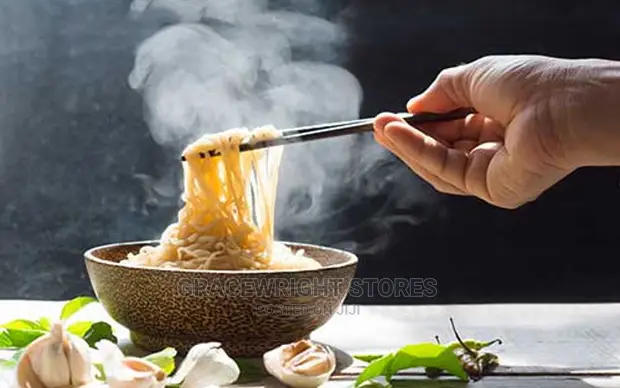
Chopsticks are well-designed for eating small pieces of food. They’re great for picking up noodles, and if you’re skilled, you can eat rice, pick up dumplings, or grab pieces of meat with ease. However, there are some etiquette rules to keep in mind. You shouldn’t use chopsticks like drumsticks—though it’s tempting. You also don’t want to stick chopsticks upright into a bowl of rice because it resembles a bowl of incense, which symbolizes death.
Chopsticks are used by a huge portion of the world. Across much of Asia, about 1.5 billion people fall within what could be called the “chopsticks sphere.” Different cultures have developed their own variations. Chinese chopsticks tend to be long and round. Korean chopsticks are flatter and often made of metal. Japanese chopsticks are typically round and very pointy.
While chopsticks are commonplace in American society today, there was a time in the late 1800s when they were seen as a marker of cultural difference. Some people viewed Asian men—who ate rice with sticks—as fundamentally different from American men, who used a knife and fork to eat meat. However, when China and the United States began diplomatic engagement in the 1970s, even figures like Richard Nixon and Henry Kissinger had to practice eating with chopsticks.
As Asian cuisine has moved from the East into the West, chopsticks have become part of the dining experience. Evidence of chopsticks dates back as far as the Shang dynasty, about 3,000 years ago. At that time, people often cooked using large tripods, and chopsticks were useful for stirring food and reaching into boiling pots without getting burned.
Chinese culture has long included knives and forks, particularly for cooking. But when it came to dining, chopsticks became the dominant utensil. One key reason is that much of Asian cuisine consists of small, bite-sized pieces. This approach to food is both practical and efficient—it takes less energy to cook small pieces quickly, and since everything is already bite-sized, there’s no need for a knife at the table.
There’s a circular relationship between food and utensils: the way food is prepared makes chopsticks practical, and in turn, chopsticks influence the way food is cooked. At the same time, chopsticks also reflect the communal nature of dining in many Asian cultures. Dishes are placed in the center of the table, and everyone uses chopsticks to take portions and place them on their rice before eating individually.
There’s even a famous legend about chopsticks. In the story, people are given extremely long chopsticks—too long to feed themselves. In hell, everyone starves because they struggle to get food into their mouths. But in heaven, people use the same chopsticks to feed one another.
WORD BANK:
instrumental /ˌɪn.strəˈmen.t̬əl/ [C1] (adj): quan trọng, có vai trò chính
utensil /juːˈten.səl/ [B2] (n): đồ dùng (nhà bếp, ăn uống)
pincer /ˈpɪn.sɚ/ (n): cái kẹp, cái kìm, càng cua
jade /dʒeɪd/ (n): ngọc bích
ivory /ˈaɪ.vɚ.i/ (n): ngà voi
pick up sth /pɪk ʌp/ (v): nhặt lên, gắp lên
dumpling /ˈdʌm.plɪŋ/ (n): há cảo, bánh bao nhỏ
grab sth /ɡræb/ (v): chộp lấy, nắm lấy
with ease /wɪð iːz/ (adv): một cách dễ dàng
drumstick /ˈdrʌm.stɪk/ (n): dùi trống
tempting /ˈtemp.tɪŋ/ [C1] (adj): hấp dẫn, lôi cuốn
upright /ˈʌp.raɪt/ (adj, adv): thẳng đứng
resemble sth /rɪˈzem.bəl/ (v): giống với cái gì
incense /ˈɪn.sens/ (n): nhang, hương
portion /ˈpɔːr.ʃən/ [B2] (n): phần, khẩu phần ăn
sphere /sfɪr/ [C1] (n): vùng, khu vực; phạm vi
variation /ˌver.iˈeɪ.ʃən/ [B2] (n): sự biến thể, khác biệt
pointy /ˈpɔɪn.ti/ (adj): nhọn, có đầu nhọn
commonplace /ˈkɑː.mən.pleɪs/ (adj): phổ biến, bình thường
marker /ˈmɑːr.kɚ/ (n): dấu hiệu, chỉ dấu
fundamentally /ˌfʌn.dəˈmen.t̬əl.i/ [C1] (adv): về cơ bản, cốt lõi
fork /fɔːrk/ (n): cái nĩa
diplomatic engagement /ˌdɪp.ləˈmæt̬.ɪk ɪnˈɡeɪdʒ.mənt/ (n): hoạt động ngoại giao, cam kết ngoại giao
figure /ˈfɪɡ.jɚ/ [B2] (n): nhân vật (quan trọng)
dining /ˈdaɪ.nɪŋ/ (n, adj): ăn uống, thuộc về ăn uống
date back to … /deɪt bæk tuː/ (v): có niên đại từ …
dynasty /ˈdaɪ.nə.sti/ [C1] (n): triều đại
tripod /ˈtraɪ.pɑːd/ (n): thiết bị có ba chân
stir sth /stɝː/ (v): khuấy, trộn
pot /pɑːt/ (n): nồi, chảo (dạng sâu lòng)
dominant /ˈdɑː.mə.nənt/ [C1] (adj): chiếm ưu thế, nổi trội
bite-sized /ˈbaɪt.saɪzd/ (adj): cắt nhỏ vừa miệng
communal /ˈkɑː.mjə.nəl/ [C1] (adj): mang tính cộng đồng, chung
communal nature /ˈkɑː.mjə.nəl ˈneɪ.tʃɚ/ (n): tính cộng đồng, tính chia sẻ
hell /hel/ (n): địa ngục
starve /stɑːrv/ (v): chết đói, đói lả
struggle to do sth /ˈstrʌ.ɡəl tuː/ (v): vật lộn để làm gì
heaven /ˈhev.ən/ (n): thiên đường
one another /ˌwʌn əˈnʌð.ɚ/ (pron): lẫn nhau
ỦNG HỘ READ TO LEAD!
Chào bạn! Có thể bạn chưa biết, Read to Lead là một trang giáo dục phi lợi nhuận với mục đích góp phần phát triển cộng đồng người học tiếng Anh tại Việt Nam. Chúng tôi không yêu cầu người đọc phải trả bất kỳ chi phí nào để sử dụng các sản phẩm của mình để mọi người đều có cơ hội học tập tốt hơn. Tuy nhiên, nếu bạn có thể, chúng tôi mong nhận được sự hỗ trợ tài chính từ bạn để duy trì hoạt động của trang và phát triển các sản phẩm mới.
Bạn có thể ủng hộ chúng tôi qua 1 trong 2 cách dưới đây.
– Cách 1: Chuyển tiền qua tài khoản Momo.
Số điện thoại 0947.886.865 (Chủ tài khoản: Nguyễn Tiến Trung)
Nội dung chuyển tiền: Ủng hộ Read to Lead
hoặc
– Cách 2: Chuyển tiền qua tài khoản ngân hàng.
Ngân hàng VIB chi nhánh Hải Phòng
Số tài khoản: 012704060048394 (Chủ tài khoản: Nguyễn Tiến Trung)
Nội dung chuyển tiền: Ủng hộ Read to Lead
Lớp luyện thi IELTS online
Bạn đang có nhu cầu thi chứng chỉ IELTS cho đầu vào đại học, đi du học, xin việc hay xin cư trú và đang phân vân chưa biết học ở đâu?
Nếu bạn đang tìm kiếm dịch vụ luyện thi IELTS online với giáo viên uy tín và chất lượng, cũng như học phí phải chăng, thì thầy Trung và Cô Thủy (Admin và dịch giả chính của Read to Lead) có thể là một lựa chọn phù hợp dành cho bạn.
Hãy liên hệ (nhắn tin) tới trang Facebook cá nhân của mình (https://www.facebook.com/nguyen.trung.509) để tìm hiểu về lớp học và được tư vấn cũng như được học thử nha!


