


[Reading level: B2 – Upper Intermedidate]
Tensions in the Middle East have pushed energy prices upward, causing input costs to surge while output remains slow, forcing businesses to find ways to maintain cash flow and sustain production.
“Every morning we wake up to a new price level,” said Dao Trong Khoa, Chairman of the Vietnam Logistics Service Business Association, referring to the cost pressures his company is facing. Costs are no longer fluctuating monthly or quarterly but are changing daily, even every morning.
According to Mr. Khoa, just by opening emails, businesses must update a series of new costs, from insurance fees and freight rates to various surcharges. Financial plans that have just been completed quickly become outdated as fluctuations no longer follow familiar patterns.
Costs rise daily, spreading across the entire chain
Cost pressure originates from energy prices but quickly spreads across the entire economy. On March 19, the price of RON 95-III gasoline rose to 30,690 VND per liter, and diesel to 33,420 VND, increasing by 52% and 73% respectively compared to the end of February. Gas prices also doubled or tripled, with each 12 kg cylinder increasing by 50,000–70,000 VND, driving up transportation and production costs.
By March 27, after tax reductions, fuel prices dropped sharply (RON 95-III decreased by 5,620 VND to 24,330 VND per liter; diesel dropped by 970–2,450 VND per liter), but the overall price level remained significantly higher than before the Middle East conflict. Specifically, RON 95-III was still about 21% higher and diesel about 84% higher compared to the end of February. Yesterday, fuel prices rose again, with RON 95-III reaching 25,150 VND per liter and diesel climbing to 40,820 VND.
Nguyen Ngoc Hoa, Chairman of the Ho Chi Minh City Business Association, stated that fuel is an input for most industries, so when prices increase, logistics, transportation, and goods costs all rise accordingly. Many international shipping routes have recorded cost increases of 2–3 times, while domestic transport is under similar pressure.
However, the biggest difficulty is not the rising costs, but that businesses cannot pass these costs on to selling prices.
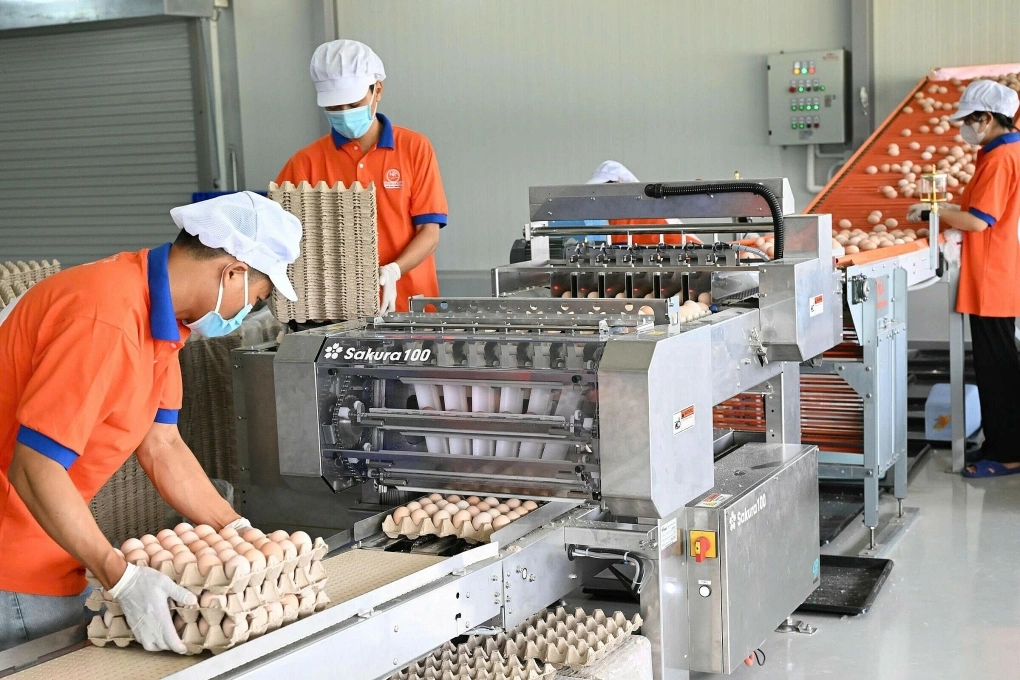
At Mebi Farm Joint Stock Company, CEO Lam Thuy Ai said that input costs continue to increase in a “stacking” manner, while purchasing power has dropped by about 30%. In the livestock sector, feed costs account for over 70% of total costs, so price fluctuations have pushed total production costs up by about 35%. However, egg prices cannot be adjusted accordingly and even remain low due to slow consumption.
As a result, businesses are forced to maintain production to ensure supply chains and employment, even if they must accept losses. Ms. Ai noted that the company’s ability to absorb losses has nearly been exhausted.
Similar pressure is also seen in the fertilizer industry. Vu Dinh Tuan, a representative of Ca Mau Petroleum Fertilizer Joint Stock Company, said input costs have risen sharply following oil prices, while international logistics costs have increased by 20–30% and domestic costs by 15–20%. For every 10 USD increase in oil prices, business costs rise by approximately 525 billion VND.
Despite this, companies cannot adjust selling prices accordingly due to concerns about putting pressure on farmers. Vu Khanh Thien from the Business Department of Vietnam Oil and Gas Fertilizer and Chemicals Corporation (Phu My Fertilizer) said domestic fertilizer prices have increased by about 20%, but companies still try to keep prices lower than the global market to support agricultural production.
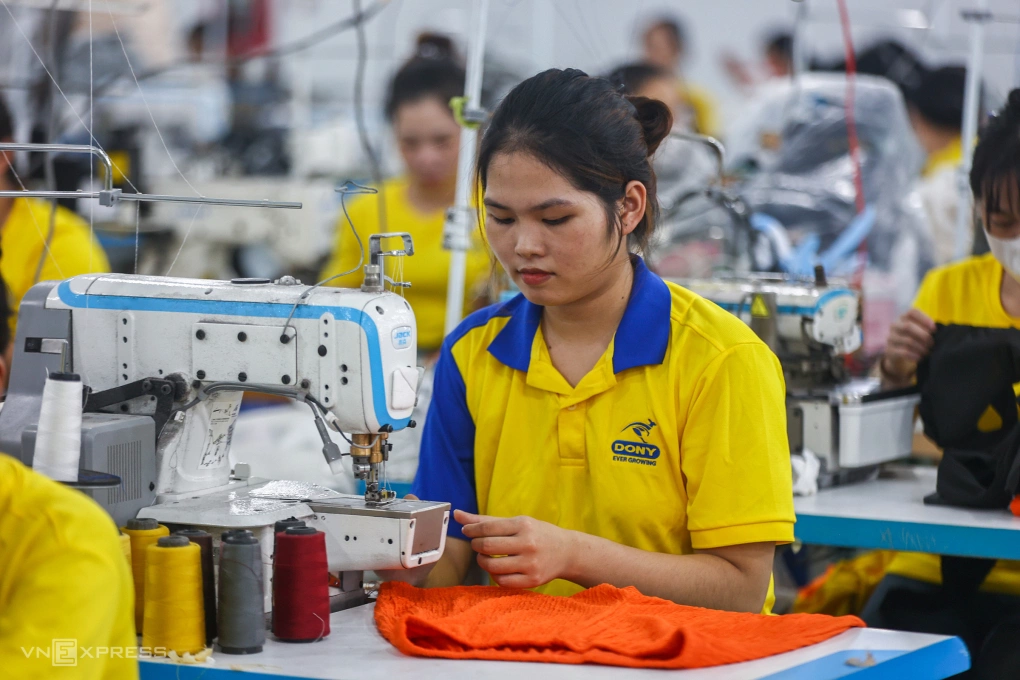
In export sectors, cost pressures are accompanied by declining demand. Pham Van Viet, Chairman of Viet Thang Jean Company, said raw material costs have increased by 8–18%, shipping costs have risen by 4,000–5,000 USD per container, while demand in major markets has decreased. Therefore, businesses must keep prices stable to maintain orders.
The common point across industries is that input costs rise rapidly while output prices cannot increase accordingly. When purchasing power is weak, most cost pressures remain within businesses.
Businesses struggle within limited margins
In this context, businesses are forced to proactively adjust operations to maintain production, although there is little room left.
At Mebi Farm, Ms. Ai said the company is strictly controlling inventory, shifting to production based on actual orders, and only adjusting selling prices at a limited level—around 10% for some processed seafood products—while fresh egg prices cannot be adjusted. For products made from previously stocked low-cost materials, the company keeps prices unchanged to stabilize the market.
In the fertilizer industry, Mr. Tuan said companies maintain factories at high capacity to optimize production costs while negotiating with transport partners to control logistics costs. When domestic demand declines, businesses boost exports of products such as urea and NPK to maintain capacity and cash flow. At the same time, companies in the sector have proposed that authorities reduce export taxes on fertilizers from 5% to 0% to enhance international competitiveness.
In the textile and garment industry, Mr. Viet said businesses are splitting orders into smaller batches, limiting air transport, and diversifying markets to reduce dependence on major markets.
In the logistics sector, the response trend is shifting toward proactive risk management. According to FIATA, businesses need to review contract terms, update surcharges and insurance in real time to avoid risks from fixed prices, and develop flexible transport scenarios while promoting multimodal transport. These solutions do not immediately reduce costs but help businesses become more proactive amid fluctuations.
However, businesses’ ability to self-adjust is limited, as most pressures come from systemic input factors.
In response to rising energy prices, the Government has required ensuring supply, increasing imports from stable markets, and maximizing the operation of domestic oil refineries.
At the same time, a series of fiscal tools have been applied to cool prices: import taxes on fuel reduced to 0% from March 9 to April 30; environmental protection taxes on fuel reduced to 0 VND per liter (a decrease of 1,500–2,000 VND) from March 27 to April 15. Special consumption tax on gasoline has also been reduced to 0%, and fuel is exempt from VAT declaration and payment while still allowing input tax deductions.
According to the Ministry of Finance, these measures reduce budget revenue by about 7.2 trillion VND per month but help lower costs for people and businesses, limiting widespread impacts on inflation and overall price levels.
From a long-term perspective, according to Pham Binh An, Deputy Director of the Ho Chi Minh City Institute for Development Studies, current cost pressures also highlight risks from dependence on fossil fuels. Therefore, shifting to alternative energy sources, especially electricity and renewable energy, can help businesses better control costs and reduce risks in the future.
Source: https://vnexpress.net/doanh-nghiep-chat-vat-trong-vong-xoay-chi-phi-5054084.html
WORD BANK:
tension /ˈten.ʃən/ [B2] (n): căng thẳng
push sth upward /pʊʃ ˈʌp.wɚd/ (v): đẩy cái gì lên trên
input cost /ˈɪn.pʊt kɔːst/ (n): chi phí đầu vào
surge /sɝːdʒ/ [C1] (v/n): tăng vọt
output /ˈaʊt.pʊt/ [B2] (n): đầu ra
cash flow /ˈkæʃ floʊ/ (n): dòng tiền
sustain sth /səˈsteɪn/ [B2] (v): duy trì cái gì
refer to sth /rɪˈfɝː tuː/ (v): đề cập đến cái gì
fluctuate /ˈflʌk.tʃu.eɪt/ [B2] (v): dao động
freight rate /freɪt reɪt/ (n): cước vận chuyển
surcharge /ˈsɝː.tʃɑːrdʒ/ (n): phụ phí
respectively /rɪˈspek.tɪv.li/ [B2] (adv): lần lượt
gas cylinder /ɡæs ˈsɪl.ɪn.dɚ/ (n): bình gas
drive up sth /draɪv ʌp/ (v): đẩy tăng cái gì
industry /ˈɪn.də.stri/ [B1] (n): ngành nghề
domestic /dəˈmes.tɪk/ [B2] (adj): trong nước
stacking /ˈstæk.ɪŋ/ (adj): chồng chất
purchasing power /ˈpɝː.tʃə.sɪŋ ˈpaʊ.ɚ/ (n): sức mua
livestock /ˈlaɪv.stɑːk/ (n): chăn nuôi / gia súc
feed /fiːd/ (n): thức ăn chăn nuôi
adjust sth /əˈdʒʌst/ [B1] (v): điều chỉnh cái gì
accordingly /əˈkɔːr.dɪŋ.li/ [B2] (adv): tương ứng
supply chain /səˈplaɪ tʃeɪn/ (n): chuỗi cung ứng
accept losses /əkˈsept ˈlɔː.sɪz/ (v): chấp nhận thua lỗ
absorb /əbˈzɔːrb/ [B2] (v): hấp thụ / gánh chịu
exhausted /ɪɡˈzɔː.stɪd/ [B2] (adj): cạn kiệt
fertilizer /ˈfɝː.t̬əl.aɪ.zɚ/ (n): phân bón
representative of sth /ˌrep.rɪˈzen.t̬ə.tɪv əv/ (adj): đại diện cho cái gì
across sth /əˈkrɔːs/ (pre): khắp cái gì
margin /ˈmɑːr.dʒɪn/ [B2] (n): biên / lợi nhuận biên
proactively /ˌproʊˈæk.tɪv.li/ (adv): một cách chủ động
inventory /ˈɪn.vən.tɔːr.i/ (n): hàng tồn kho
stock /stɑːk/ [B1] (n): hàng hóa / tồn kho
stabilize /ˈsteɪ.bəl.aɪz/ [B2] (v): ổn định
optimize sth /ˈɑːp.tə.maɪz/ (v): tối ưu hóa cái gì
negotiate sth /nɪˈɡoʊ.ʃi.eɪt/ [B2] (v): đàm phán cái gì
authorities /əˈθɔːr.ə.t̬iz/ (n): cơ quan chức năng
textile /ˈtek.staɪl/ (n): dệt may
garment /ˈɡɑːr.mənt/ (n): quần áo may mặc
split sth into sth /splɪt ˈɪn.tuː/ (v): chia cái gì thành cái gì
batch /bætʃ/ (n): lô hàng
diversify sth /daɪˈvɝː.sə.faɪ/ (v): đa dạng hóa cái gì
contract term /ˈkɑːn.trækt tɝːm/ (n): điều khoản hợp đồng
flexible /ˈflek.sə.bəl/ [B2] (adj): linh hoạt
scenario /səˈner.i.oʊ/ (n): kịch bản
multimodal transport /ˌmʌl.tiˈmoʊ.dəl ˈtræns.pɔːrt/ (n): vận tải đa phương thức
systemic /sɪˈstem.ɪk/ (adj): mang tính hệ thống
in response to sth /ɪn rɪˈspɑːns tuː/ (exp): để đáp lại cái gì
oil refinery /ɔɪl rɪˈfaɪ.nɚ.i/ (n): nhà máy lọc dầu
fiscal /ˈfɪs.kəl/ (adj): thuộc tài chính
exempt from sth /ɪɡˈzempt frəm/ (adj): được miễn cái gì
declaration /ˌdek.ləˈreɪ.ʃən/ (n): sự kê khai
deduction /dɪˈdʌk.ʃən/ (n): khấu trừ
budget revenue /ˈbʌdʒ.ɪt ˈrev.ə.nuː/ (n): nguồn thu ngân sách
inflation /ɪnˈfleɪ.ʃən/ [B2] (n): lạm phát
shift to sth /ʃɪft tuː/ (v): chuyển sang cái gì
alternative /ɔːlˈtɝː.nə.tɪv/ [B2] (adj/n): thay thế
ỦNG HỘ READ TO LEAD!
Chào bạn! Có thể bạn chưa biết, Read to Lead là một trang giáo dục phi lợi nhuận với mục đích góp phần phát triển cộng đồng người học tiếng Anh tại Việt Nam. Chúng tôi không yêu cầu người đọc phải trả bất kỳ chi phí nào để sử dụng các sản phẩm của mình để mọi người đều có cơ hội học tập tốt hơn. Tuy nhiên, nếu bạn có thể, chúng tôi mong nhận được sự hỗ trợ tài chính từ bạn để duy trì hoạt động của trang và phát triển các sản phẩm mới.
Bạn có thể ủng hộ chúng tôi qua 1 trong 2 cách dưới đây.
– Cách 1: Chuyển tiền qua tài khoản Momo.
Số điện thoại 0947.886.865 (Chủ tài khoản: Nguyễn Tiến Trung)
Nội dung chuyển tiền: Ủng hộ Read to Lead
hoặc
– Cách 2: Chuyển tiền qua tài khoản ngân hàng.
Ngân hàng VIB chi nhánh Hải Phòng
Số tài khoản: 012704060048394 (Chủ tài khoản: Nguyễn Tiến Trung)
Nội dung chuyển tiền: Ủng hộ Read to Lead
Lớp luyện thi IELTS online
Bạn đang có nhu cầu thi chứng chỉ IELTS cho đầu vào đại học, đi du học, xin việc hay xin cư trú và đang phân vân chưa biết học ở đâu?
Nếu bạn đang tìm kiếm dịch vụ luyện thi IELTS online với giáo viên uy tín và chất lượng, cũng như học phí phải chăng, thì thầy Trung và Cô Thủy (Admin và dịch giả chính của Read to Lead) có thể là một lựa chọn phù hợp dành cho bạn.
Hãy liên hệ (nhắn tin) tới trang Facebook cá nhân của mình (https://www.facebook.com/nguyen.trung.509) để tìm hiểu về lớp học và được tư vấn cũng như được học thử nha!


