


[Reading level: C1 – Advanced]
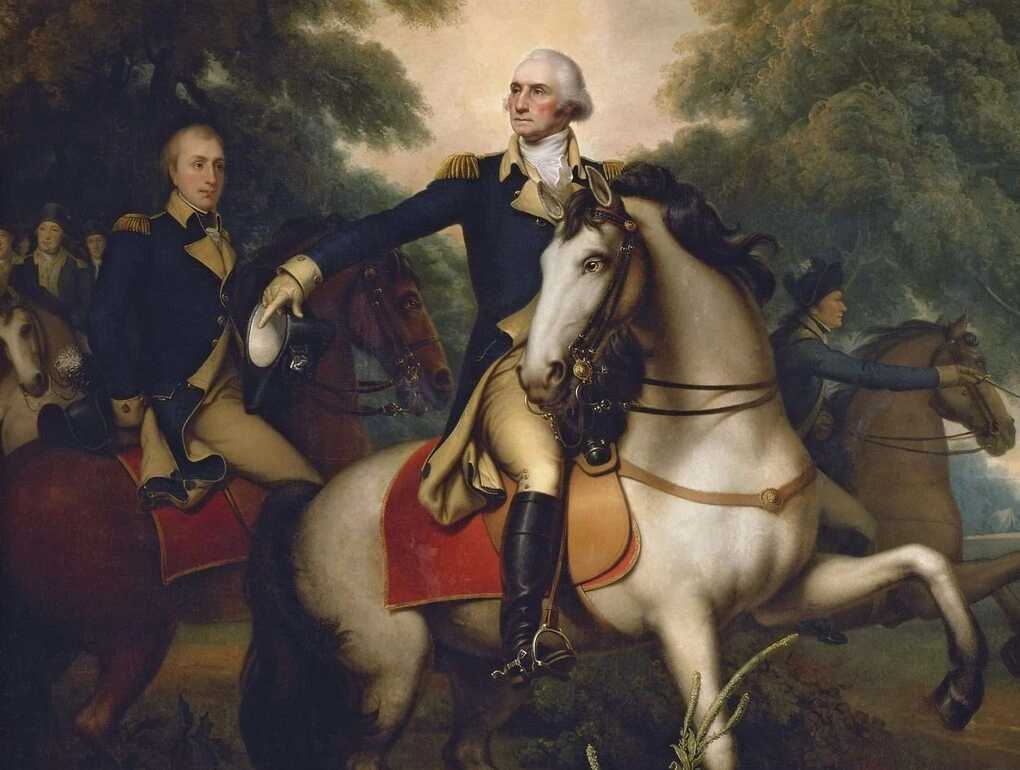
In 1783, after leading the American army to victory in the War of Independence, George Washington became the most respected and influential man in the United States. With an army that was completely loyal to him, he could have remained in power or even become a king if he had wished. In May 1782, Colonel Lewis Nicola wrote to Washington suggesting that he consider accepting the title of king, but Washington firmly rejected the proposal.
On December 23, 1783, Washington attended a session of the Confederation Congress in Annapolis, Maryland, to formally resign as Commander-in-Chief of the Continental Army. In his farewell address, he declared that he had fulfilled his duty and returned all military authority to Congress. Those present were deeply moved, and many were brought to tears. King George III of Britain later remarked that if Washington truly gave up power, “he will be the greatest man in the world.”
Washington’s decision was an extraordinary act in history. While many military leaders such as Julius Caesar, Oliver Cromwell, and Napoleon Bonaparte used their victories to consolidate power, Washington chose the opposite path. He has often been compared to Lucius Quinctius Cincinnatus of ancient Rome, who twice gave up supreme authority to return to the life of an ordinary farmer.
After leaving the army, Washington returned to his Mount Vernon estate on Christmas Eve in 1783. After more than eight years of war, he was finally able to return to the peaceful life he had long desired. He devoted most of his time to improving his farms, developing agriculture, and expanding his western landholdings. Believing that America’s future lay in the West, he actively supported transportation projects, including helping to establish the Patowmack Company to build a canal around the Great Falls of the Potomac River and expand trade with the western territories.
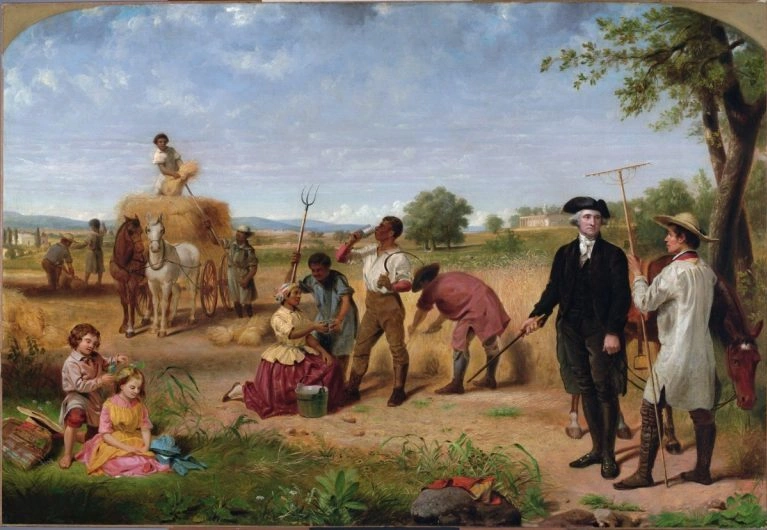
Although he wished to live a quiet life, Washington remained one of the most famous men in the world. Hundreds of former soldiers, politicians, scholars, and artists regularly visited Mount Vernon to meet him. At the same time, he continued to follow national affairs closely and grew increasingly concerned about the weakness of the central government under the Articles of Confederation. The federal government had too little authority to coordinate among the states or deal effectively with major crises, as demonstrated by Shays’ Rebellion in Massachusetts in 1787.
At first, Washington was reluctant to return to politics because he did not want people to think he was seeking power. However, when Virginia appointed him as a delegate to the convention in Philadelphia to revise the Articles of Confederation, he accepted because he believed that the nation’s interests were more important than his personal wishes.
At the Constitutional Convention of 1787, Washington was unanimously elected President of the Convention. Under his leadership, the delegates went beyond simply revising the Articles of Confederation and instead drafted an entirely new Constitution, laying the foundation for the federal government of the United States.
Throughout the convention, Washington spoke very little in order to avoid influencing the debates, but his prestige helped unite the delegates and inspired confidence in the entire process. Many historians believe that Washington himself served as the model for the office of President created by the new Constitution.
After the Constitution was completed and gradually ratified by the states, Washington returned once again to Mount Vernon. However, in the spring of 1789, the electors unanimously chose him as the first President of the United States. Once again, Washington accepted the position reluctantly, believing it was a duty to his country rather than a personal honor. He once compared leaving Mount Vernon to assume office to “a culprit who is going to the place of his execution,” knowing that if he failed, the reputation he had built over a lifetime would be ruined.
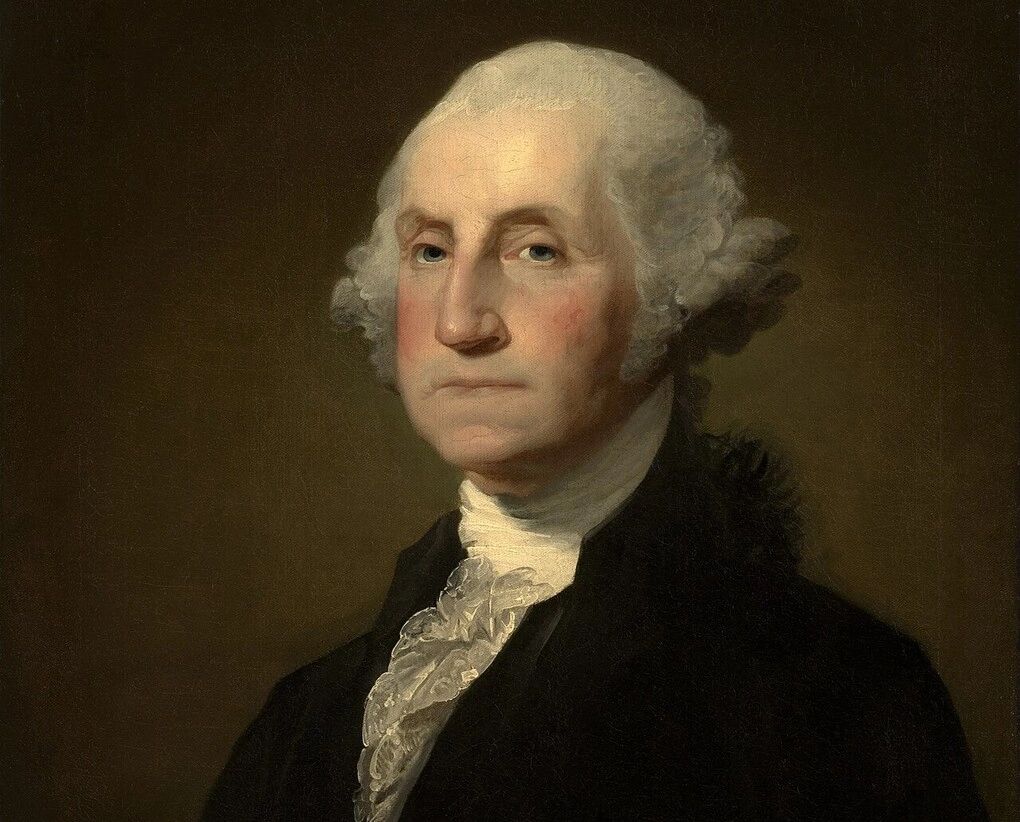
During his two terms in office from 1789 to 1797, Washington helped lay the foundations of the young federal government. At the end of his second term, despite remaining immensely popular, he voluntarily declined to seek another term and retired to Mount Vernon. His decision established the important precedent of the peaceful transfer of power and set an enduring example of limiting presidential authority.
Washington spent the final years of his life at Mount Vernon until his death in December 1799. In his famous funeral oration, Major General Henry “Light Horse Harry” Lee praised him as “First in war, first in peace, and first in the hearts of his countrymen.” By voluntarily giving up power on two occasions when he could easily have held onto it, George Washington became a lasting symbol of selfless public service and has been honored by generations of Americans as the “Father of His Country.”
Source: tiasang.com.vn
WORD BANK:
influential /ˌɪn.fluˈen.ʃəl/ [B2] (adj): có ảnh hưởng
colonel /ˈkɝː.nəl/ (n): đại tá
firmly reject sth /ˈfɝːm.li rɪˈdʒekt/ (v): kiên quyết bác bỏ cái gì
proposal /prəˈpoʊ.zəl/ [B2] (n): đề xuất, đề nghị
confederation /kənˌfed.əˈreɪ.ʃən/ (n): liên minh, liên bang
congress /ˈkɑːŋ.ɡrəs/ (n): quốc hội
formally /ˈfɔːr.mə.li/ [B2] (adv): một cách chính thức
resign /rɪˈzaɪn/ [B2] (v): từ chức
commander-in-chief /kəˌmæn.dɚ.ɪnˈtʃiːf/ (n): tổng tư lệnh
farewell /ˌferˈwel/ [B1] (n): lời chia tay
address /əˈdres/ [B2] (n): bài phát biểu
declare /dɪˈkler/ [B2] (v): tuyên bố
fulfill one’s duty /fʊlˈfɪl wʌnz ˈduː.t̬i/ (v): hoàn thành nghĩa vụ
deeply moved /ˈdiːp.li muːvd/ (adj): vô cùng xúc động
supreme /suˈpriːm/ [C1] (adj): tối cao
authority /əˈθɔːr.ə.t̬i/ [B2] (n): quyền lực; thẩm quyền
estate /ɪˈsteɪt/ [B2] (n): điền trang
devote sth to sth /dɪˈvoʊt/ [B2] (v): cống hiến cái gì cho cái gì
establish /ɪˈstæb.lɪʃ/ [B2] (v): thành lập
canal /kəˈnæl/ (n): kênh đào
territory /ˈter.ə.tɔːr.i/ [B2] (n): lãnh thổ
national affairs /ˈnæʃ.ən.əl əˈferz/ (n): công việc quốc gia
article /ˈɑːr.t̬ɪ.kəl/ [B1] (n): điều khoản
federal /ˈfed.ɚ.əl/ [C1] (adj): liên bang
coordinate /koʊˈɔːr.dən.eɪt/ [B2] (v): điều phối
rebellion /rɪˈbel.jən/ [C1] (n): cuộc nổi dậy
reluctant to do sth /rɪˈlʌk.tənt/ [B2] (adj): miễn cưỡng làm gì
appoint sb as … /əˈpɔɪnt/ [B2] (v): bổ nhiệm ai làm…
delegate /ˈdel.ɪ.ɡət/ [B2] (n): đại biểu
convention /kənˈven.ʃən/ [B2] (n): hội nghị
revise sth /rɪˈvaɪz/ [B2] (v): sửa đổi
constitution /ˌkɑːn.stəˈtuː.ʃən/ [B2] (n): hiến pháp
constitutional /ˌkɑːn.stəˈtuː.ʃən.əl/ [C1] (adj): thuộc hiến pháp
unanimously /juˈnæn.ə.məs.li/ (adv): nhất trí
draft /dræft/ [B2] (v): soạn thảo
prestige /preˈstiːʒ/ [C1] (n): uy tín
unite /juˈnaɪt/ [B2] (v): đoàn kết
ratify /ˈræt̬.ə.faɪ/ [C2] (v): phê chuẩn
honor /ˈɑː.nɚ/ [B2] (n): danh dự
assume office /əˈsuːm ˈɔː.fɪs/ (v): nhậm chức
culprit /ˈkʌl.prɪt/ [C1] (n): thủ phạm; người bị kết án
execution /ˌek.səˈkjuː.ʃən/ [C1] (n): sự hành quyết
term /tɝːm/ [B1] (n): nhiệm kỳ
immensely /ɪˈmens.li/ [C1] (adv): vô cùng, hết sức
precedent /ˈpres.ə.dənt/ [C2] (n): tiền lệ
hold onto sth /hoʊld ˈɑːn.tuː/ (v): giữ chặt, nắm giữ
lasting /ˈlæs.tɪŋ/ [B2] (adj): lâu dài
selfless /ˈself.ləs/ [C1] (adj): vị tha
ỦNG HỘ READ TO LEAD!
Chào bạn! Có thể bạn chưa biết, Read to Lead là một trang giáo dục phi lợi nhuận với mục đích góp phần phát triển cộng đồng người học tiếng Anh tại Việt Nam. Chúng tôi không yêu cầu người đọc phải trả bất kỳ chi phí nào để sử dụng các sản phẩm của mình để mọi người đều có cơ hội học tập tốt hơn. Tuy nhiên, nếu bạn có thể, chúng tôi mong nhận được sự hỗ trợ tài chính từ bạn để duy trì hoạt động của trang và phát triển các sản phẩm mới.
Bạn có thể ủng hộ chúng tôi qua 1 trong 2 cách dưới đây.
– Cách 1: Chuyển tiền qua tài khoản Momo.
Số điện thoại 0947.886.865 (Chủ tài khoản: Nguyễn Tiến Trung)
Nội dung chuyển tiền: Ủng hộ Read to Lead
hoặc
– Cách 2: Chuyển tiền qua tài khoản ngân hàng.
Ngân hàng VIB chi nhánh Hải Phòng
Số tài khoản: 012704060048394 (Chủ tài khoản: Nguyễn Tiến Trung)
Nội dung chuyển tiền: Ủng hộ Read to Lead
Lớp luyện thi IELTS online
Bạn đang có nhu cầu thi chứng chỉ IELTS cho đầu vào đại học, đi du học, xin việc hay xin cư trú và đang phân vân chưa biết học ở đâu?
Nếu bạn đang tìm kiếm dịch vụ luyện thi IELTS online với giáo viên uy tín và chất lượng, cũng như học phí phải chăng, thì thầy Trung và Cô Thủy (Admin và dịch giả chính của Read to Lead) có thể là một lựa chọn phù hợp dành cho bạn.
Hãy liên hệ (nhắn tin) tới trang Facebook cá nhân của mình (https://www.facebook.com/nguyen.trung.509) để tìm hiểu về lớp học và được tư vấn cũng như được học thử nha!


