


[Reading level: B2 – Upper Intermediate]
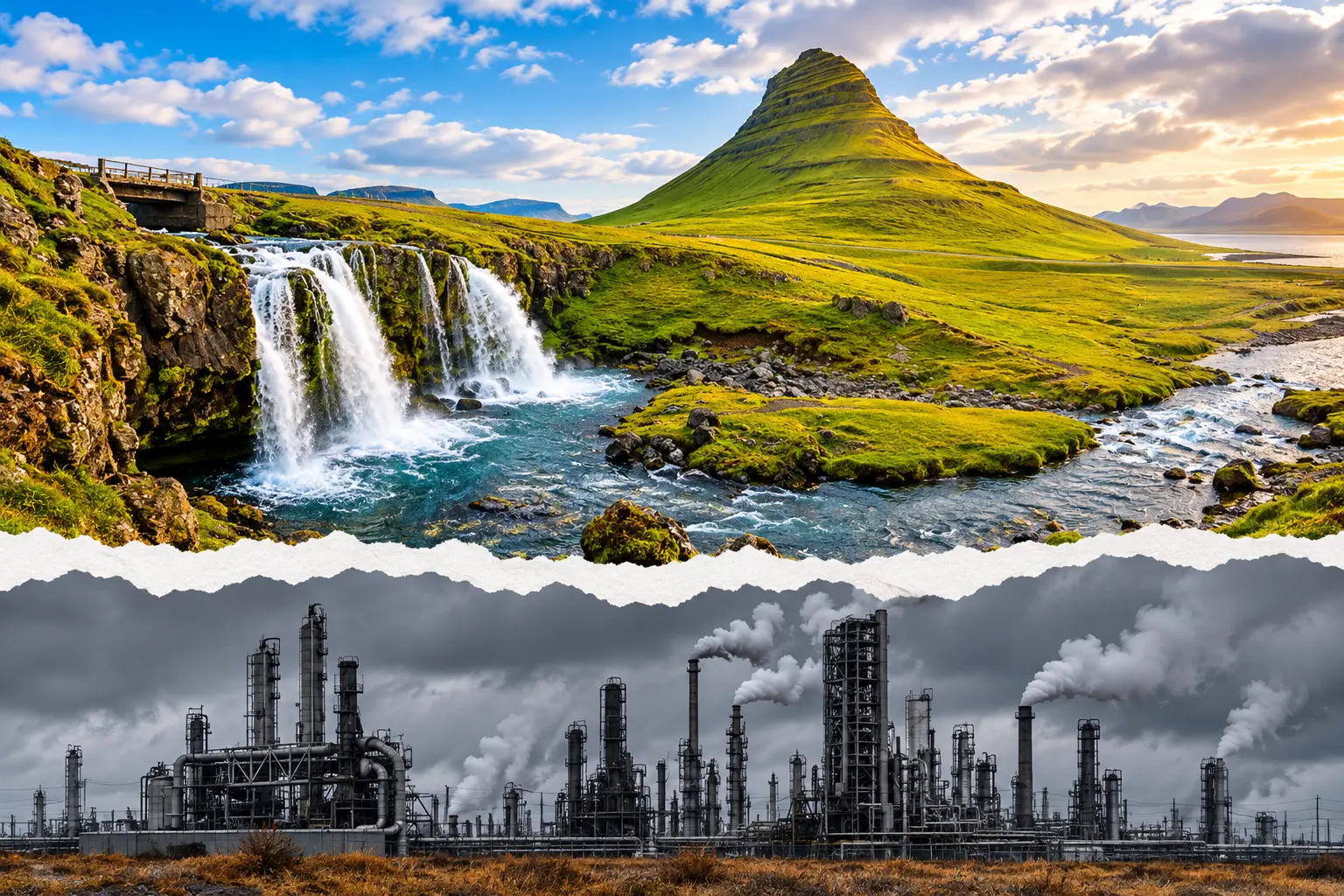
In many countries, reducing dependence on coal, oil, and natural gas remains a great challenge. But one country is in a very different position: almost all of its electricity is generated from renewable energy sources. That country is Iceland.
Iceland’s two most important energy sources are hydropower and geothermal energy. In recent years, hydropower has provided around 70% of the country’s electricity, while geothermal energy has contributed nearly 30%. Wind power and other sources account for only a very small share.
What is remarkable is that this success does not simply come from ambitious environmental policies. Iceland has an advantage that very few countries possess: its geography.
Iceland lies directly on the Mid-Atlantic Ridge, where the North American and Eurasian tectonic plates are gradually moving apart. As a result, volcanic activity is very intense, and heat from deep within the Earth lies relatively close to the surface.
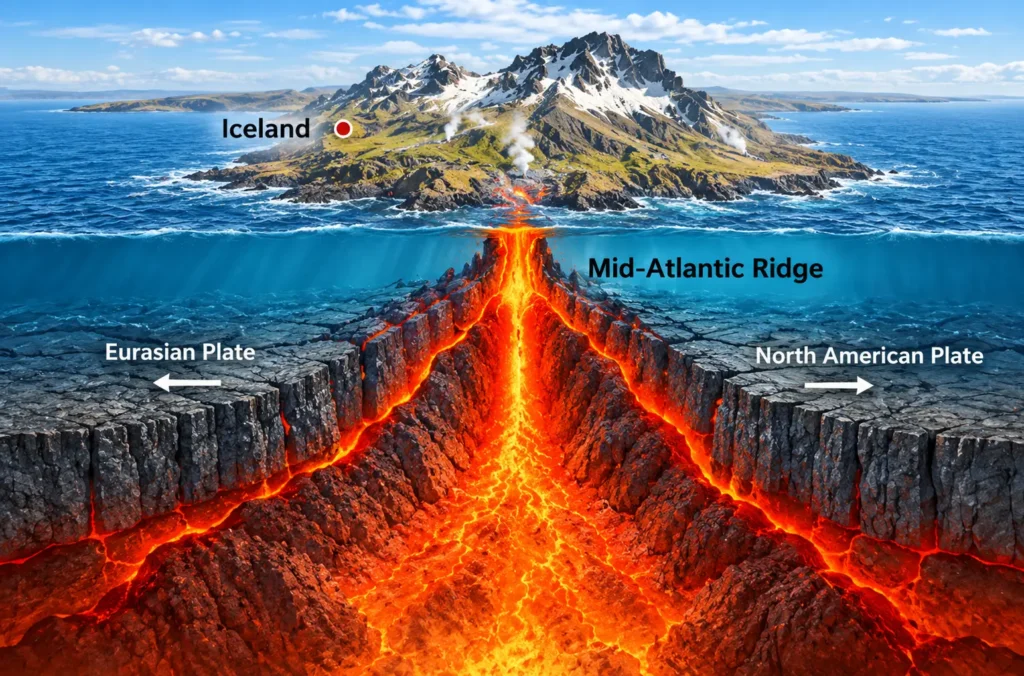
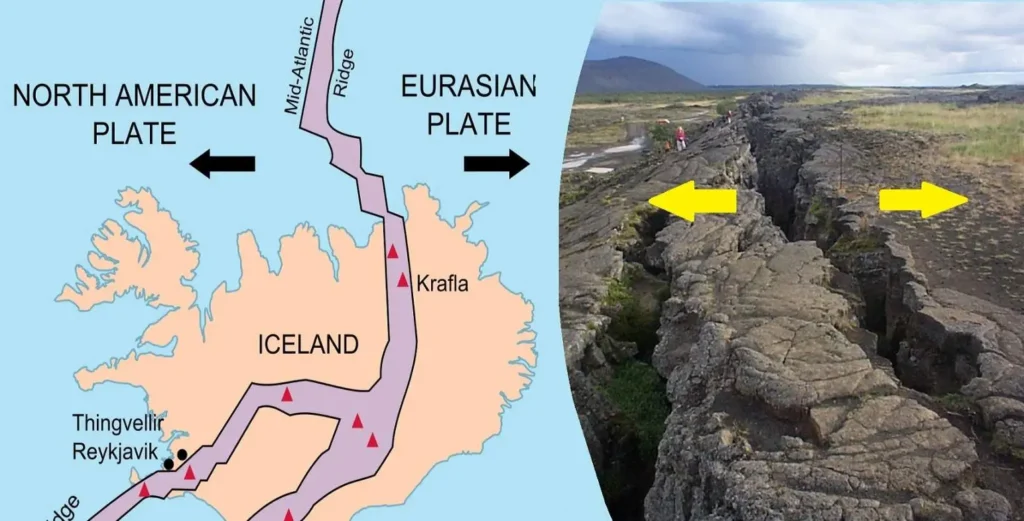
That is why Iceland has numerous volcanoes, hot springs, geothermal pools, and areas of land that constantly release steam. But instead of seeing them merely as fascinating natural phenomena, Icelanders have found ways to harness the enormous source of heat lying right beneath their feet.
Wells are drilled deep into areas containing geothermal hot water and steam. The steam can be directed to turbines, causing them to spin and generate electricity. Geothermal hot water can also be used directly to heat buildings.
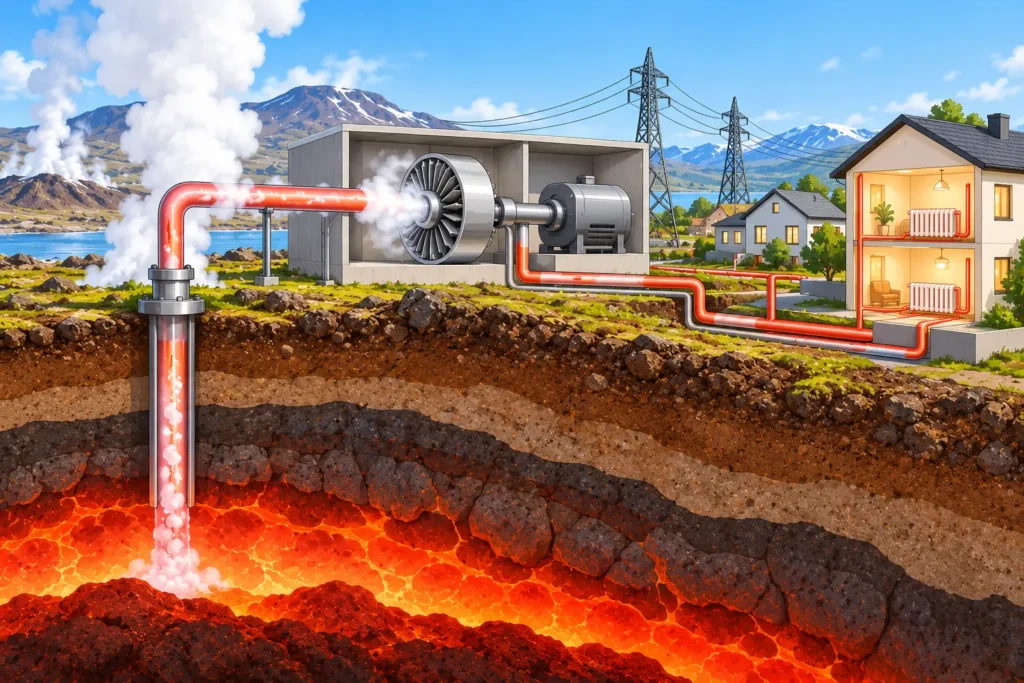
This is particularly important for a country located near the Arctic Circle. Winters in Iceland are long and cold, so heating used to be a major challenge. In the past, people had to rely on fuels such as peat and imported fossil fuels. Coal and oil had to be transported from abroad, making Iceland heavily dependent on external energy sources.
The development of geothermal energy changed that. Today, most homes in Iceland are heated using geothermal energy. Naturally heated water is delivered through networks of pipes to residential areas, providing people with hot water and heating without the need to burn large amounts of fossil fuels.
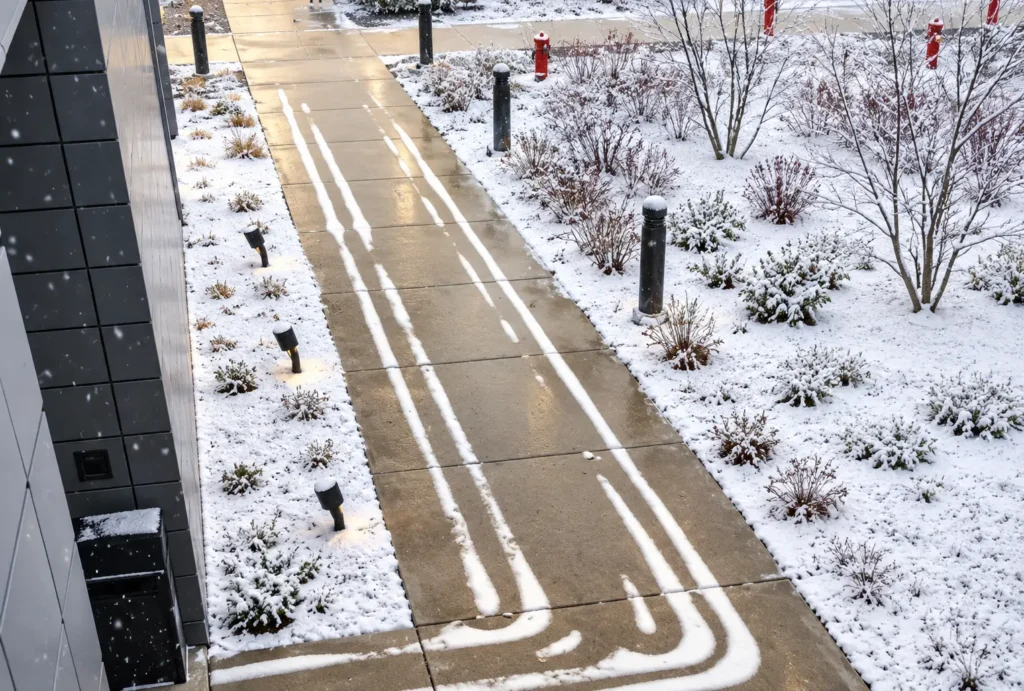
Geothermal heat is even used in a rather surprising way: to melt snow.
In Reykjavík, Iceland’s capital, some sidewalks, pedestrian paths, and public areas have hot-water pipes installed beneath them. During winter, heat rises to the surface, helping to melt snow and prevent ice from accumulating. This does not mean that every road in Reykjavík is heated, but it shows how Icelanders have made use of underground heat even for very ordinary everyday purposes.
However, geothermal energy is only half the story.
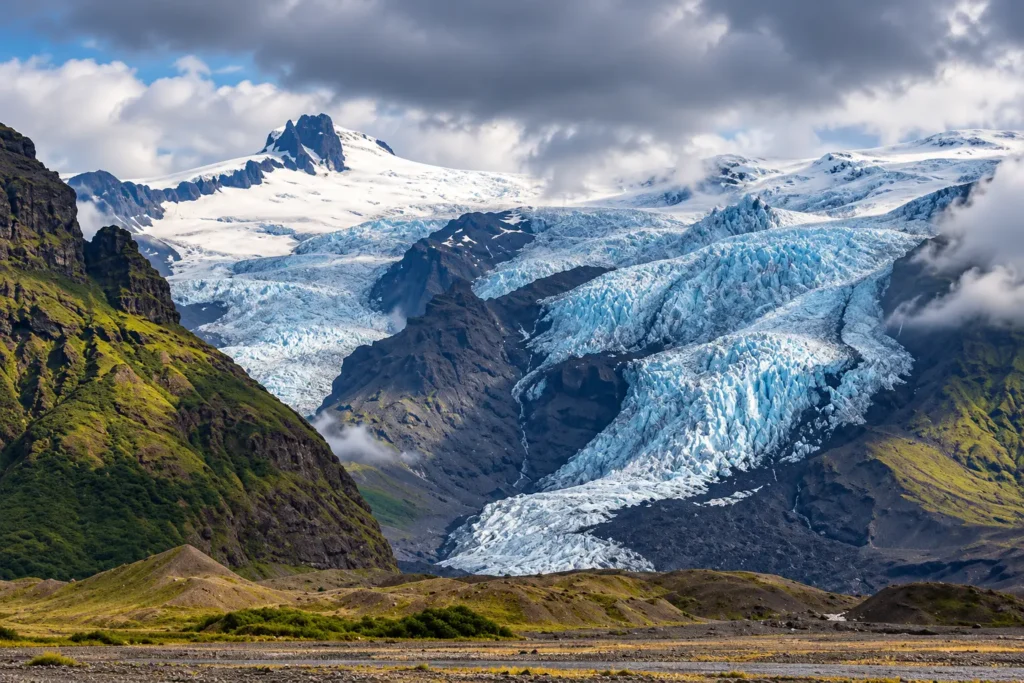
Iceland also receives large amounts of rain and snow and has numerous glaciers, rivers, and mountainous areas. Water flowing down from highlands and glaciers creates enormous hydropower potential. Hydroelectric power plants harness flowing water to spin turbines and generate electricity, and it is this energy source that currently supplies most of the country’s electricity.
Thanks to the combination of water from the mountains and heat from beneath the ground, Iceland has built an electricity system that relies almost entirely on renewable energy.
But that does not mean Iceland has completely stopped using fossil fuels. This is an important point that is easily misunderstood when people say that Iceland uses “100% renewable energy.”
Almost all of Iceland’s electricity comes from renewable sources, but the country’s entire energy system does not. Cars, fishing vessels, airplanes, and certain other activities still use petroleum-based fuels. As a result, Iceland still has to import fossil fuels.
Even so, Iceland’s story remains remarkable.
About a century ago, the country still depended heavily on traditional fuels and imported energy. After decades of building hydroelectric power plants, drilling geothermal wells, and developing heating networks, Iceland has transformed geological features once associated with volcanoes, earthquakes, and a harsh climate into an energy advantage.
WORD BANK:
renewable energy /rɪˈnuː.ə.bəl ˈen.ɚ.dʒi/ (n): năng lượng tái tạo
hydropower /ˈhaɪ.droʊˌpaʊ.ɚ/ (n): thủy điện
geothermal energy /ˌdʒiː.oʊˈθɝː.məl ˈen.ɚ.dʒi/ (n): năng lượng địa nhiệt
account for /əˈkaʊnt/ [B2] (phr v): chiếm tỷ lệ
ambitious /æmˈbɪʃ.əs/ [B2] (adj): đầy tham vọng
geography /dʒiˈɑː.ɡrə.fi/ (n): địa lý, đặc điểm địa lý
ridge /rɪdʒ/ (n): sống núi, dãy núi
tectonic plate /tekˈtɑː.nɪk pleɪt/ (n): mảng kiến tạo
move apart /muːv/ (phr v): tách xa nhau
volcanic activity /vɑːlˈkæn.ɪk ækˈtɪv.ə.t̬i/ (n): hoạt động núi lửa
intense /ɪnˈtens/ [B2] (adj): dữ dội, mạnh mẽ
relatively /ˈrel.ə.t̬ɪv.li/ [B2] (adv): tương đối
hot spring /ˌhɑːt ˈsprɪŋ/ (n): suối nước nóng
geothermal pool /ˌdʒiː.oʊˈθɝː.məl puːl/ (n): hồ địa nhiệt
steam /stiːm/ (n): hơi nước
merely /ˈmɪr.li/ [C1] (adv): chỉ, đơn thuần
fascinating /ˈfæs.ən.eɪ.t̬ɪŋ/ [B2] (adj): hấp dẫn, thú vị
phenomenon (plural: phenomena) /fəˈnɑː.mə.nɑːn/ [B2] (n): hiện tượng
harness sth /ˈhɑːr.nəs/ (v): khai thác, tận dụng (nguồn năng lượng, sức mạnh)
right beneath one’s feet /raɪt bɪˈniːθ/ (phr): ngay dưới chân ai
well /wel/ (n): giếng
drill /drɪl/ (v): khoan
direct sth to somewhere /dɪˈrekt/ [B2] (v): dẫn, hướng cái gì đến đâu
spin /spɪn/ [B2] (v): quay, xoay
peat /piːt/ (n): than bùn
from abroad /əˈbrɑːd/ (phr): từ nước ngoài
deliver /dɪˈlɪv.ɚ/ [B1] (v): vận chuyển, đưa đến, cung cấp
melt sth /melt/ (v): làm tan chảy cái gì (ví dụ: tuyết)
sidewalk /ˈsaɪd.wɑːk/ (n): vỉa hè
pedestrian path /pəˈdes.tri.ən pæθ/ (n): đường dành cho người đi bộ
accumulate /əˈkjuː.mjə.leɪt/ [C1] (v): tích tụ, tích lũy
Icelander /ˈaɪs.lən.dɚ/ (n): người Iceland
ordinary /ˈɔːr.dən.er.i/ [B1] (adj): bình thường, thông thường
glacier /ˈɡleɪ.ʃɚ/ (n): sông băng
enormous /ɪˈnɔːr.məs/ [B2] (adj): khổng lồ, rất lớn
potential /pəˈten.ʃəl/ [B2] (n): tiềm năng
fishing vessel /ˈfɪʃ.ɪŋ ˈves.əl/ (n): tàu đánh cá
petroleum-based fuel /pəˈtroʊ.li.əm beɪst ˈfjuː.əl/ (n): nhiên liệu có nguồn gốc từ dầu mỏ
harsh /hɑːrʃ/ [C1] (adj): khắc nghiệt, khắc khổ
ỦNG HỘ READ TO LEAD!
Chào bạn! Có thể bạn chưa biết, Read to Lead là một trang giáo dục phi lợi nhuận với mục đích góp phần phát triển cộng đồng người học tiếng Anh tại Việt Nam. Chúng tôi không yêu cầu người đọc phải trả bất kỳ chi phí nào để sử dụng các sản phẩm của mình để mọi người đều có cơ hội học tập tốt hơn. Tuy nhiên, nếu bạn có thể, chúng tôi mong nhận được sự hỗ trợ tài chính từ bạn để duy trì hoạt động của trang và phát triển các sản phẩm mới.
Bạn có thể ủng hộ chúng tôi qua 1 trong 2 cách dưới đây.
– Cách 1: Chuyển tiền qua tài khoản Momo.
Số điện thoại 0947.886.865 (Chủ tài khoản: Nguyễn Tiến Trung)
Nội dung chuyển tiền: Ủng hộ Read to Lead
hoặc
– Cách 2: Chuyển tiền qua tài khoản ngân hàng.
Ngân hàng VIB chi nhánh Hải Phòng
Số tài khoản: 012704060048394 (Chủ tài khoản: Nguyễn Tiến Trung)
Nội dung chuyển tiền: Ủng hộ Read to Lead
Lớp luyện thi IELTS online
Bạn đang có nhu cầu thi chứng chỉ IELTS cho đầu vào đại học, đi du học, xin việc hay xin cư trú và đang phân vân chưa biết học ở đâu?
Nếu bạn đang tìm kiếm dịch vụ luyện thi IELTS online với giáo viên uy tín và chất lượng, cũng như học phí phải chăng, thì lớp học online của thầy Trung (Admin và dịch giả chính của Read to Lead) có thể là một lựa chọn phù hợp dành cho bạn.
Hãy liên hệ (nhắn tin) tới trang Facebook cá nhân của mình (https://www.facebook.com/nguyen.trung.509) để tìm hiểu về lớp học và được tư vấn cũng như được học thử nha!


