


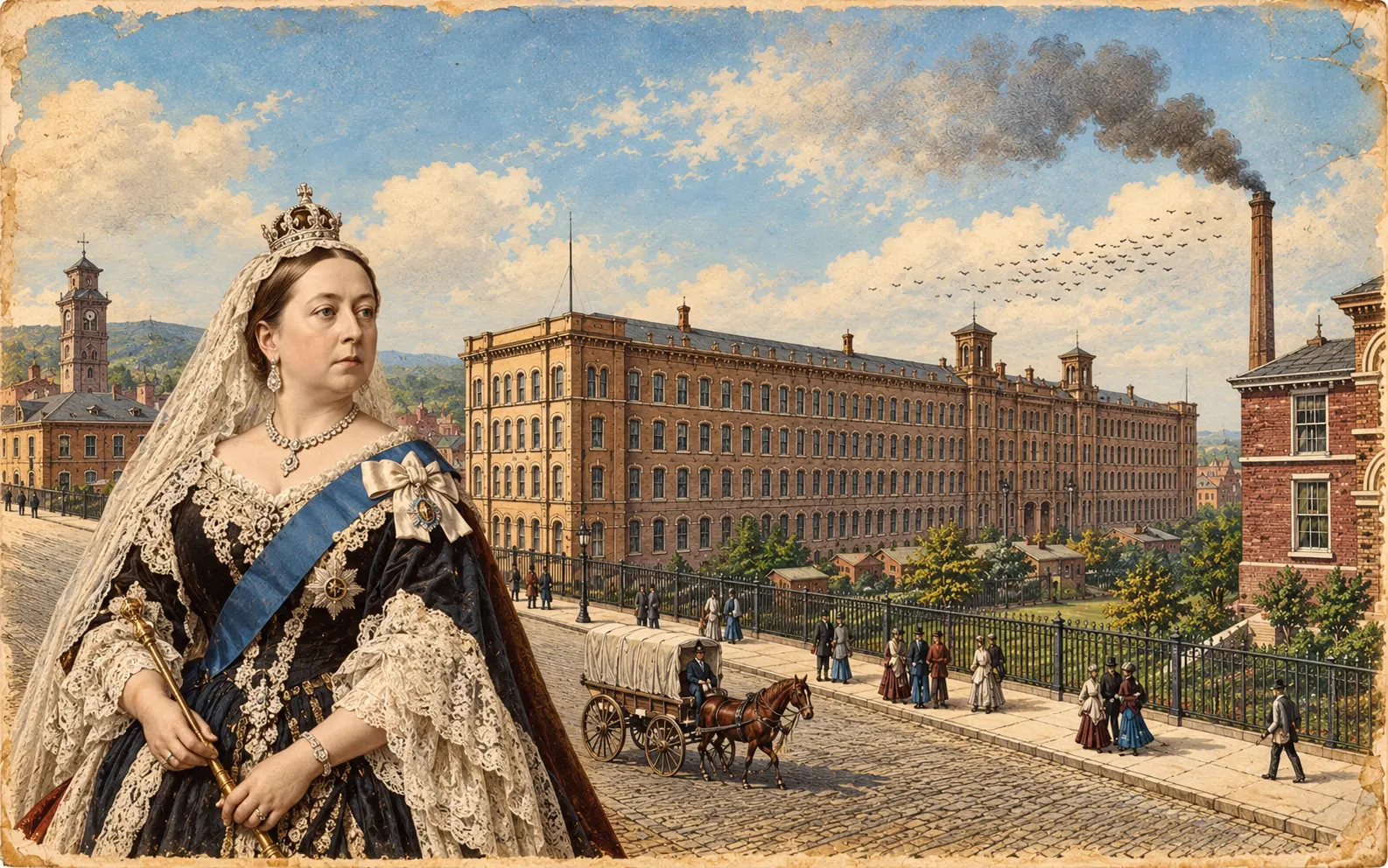
Victorian Britain – Part 2: The price of glory
[Reading level: C1 – Advanced]
There is one individual after whom an entire era was named: Queen Victoria I.
Victoria ascended the throne in 1837, at the age of just 18, and ruled Britain until her death in 1901. Her nearly 64 years on the throne coincided with one of the most glorious periods in British history. During this time, Britain not only became an industrial powerhouse but also built an empire stretching across the globe, leading the world in trade, engineering, transportation, and many fields of science.
Thus, the Queen’s name eventually became the name of an entire era: the Victorian era.
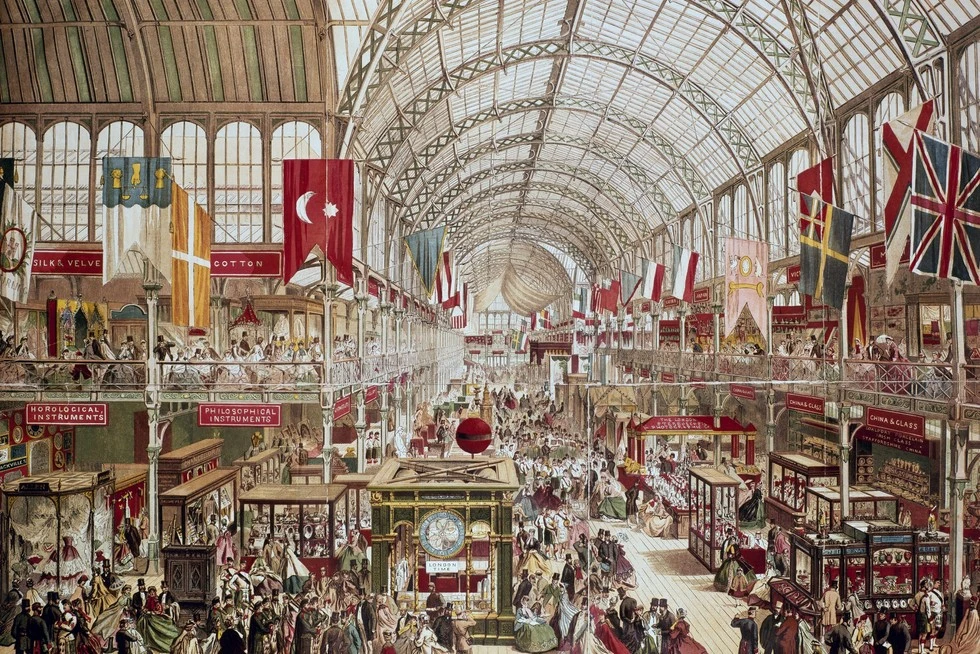
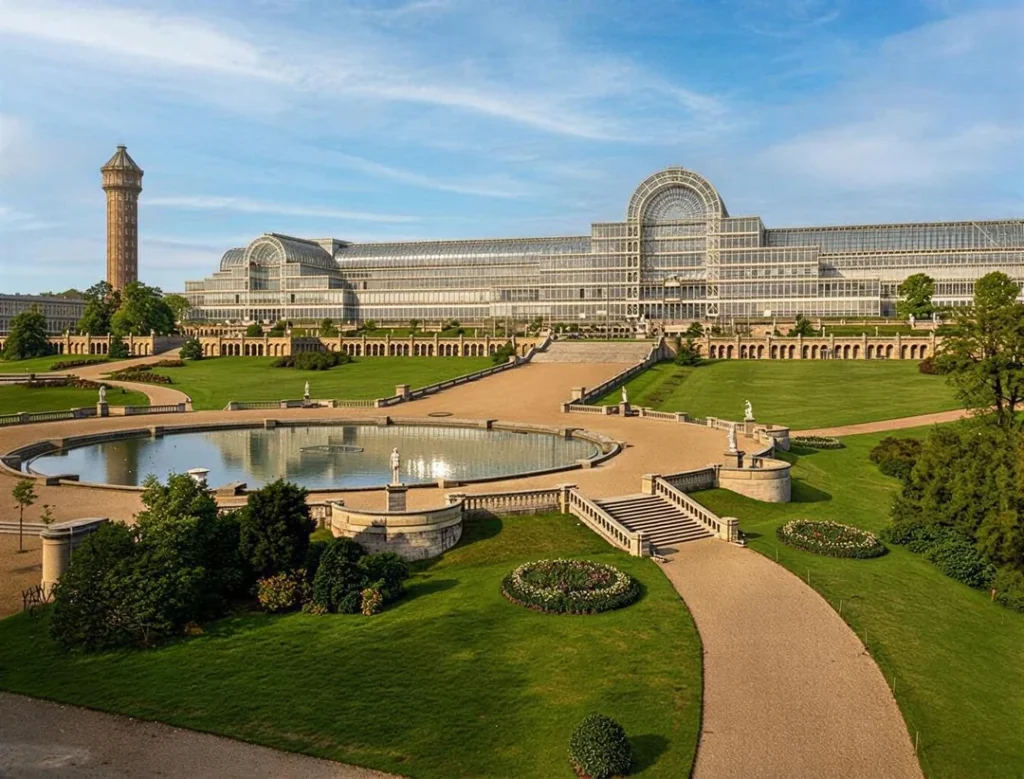
In the heart of London, the British erected the Crystal Palace – an enormous structure made of glass and iron – to display machinery, technology, raw materials, and products from Britain and many other parts of the world. More than six million visits were recorded at the exhibition. It was not merely a commercial event. It was like Britain’s declaration to the world: this was the age of industry, science, and engineering – and Britain stood at the center of that revolution.
Across the country, textile mills, engineering workshops, iron and steel works, and coal mines operated day and night. Manchester became an enormous textile manufacturing center; Birmingham was famous for manufacturing and engineering; and Sheffield was closely associated with steel. Goods produced in British factories were shipped to markets around the world.
But for such a vast industrial economy to function, goods had to move faster. And the British covered their country with railways.
When Victoria ascended the throne, railways were still a relatively new technology. But just a few decades later, steam trains connected London with cities, industrial regions, and ports throughout the country. Coal could be transported to factories, food could be delivered to cities, and goods could be moved to ports faster than ever before. A journey that had once taken several days by horse-drawn carriage could now be completed in just a few hours.
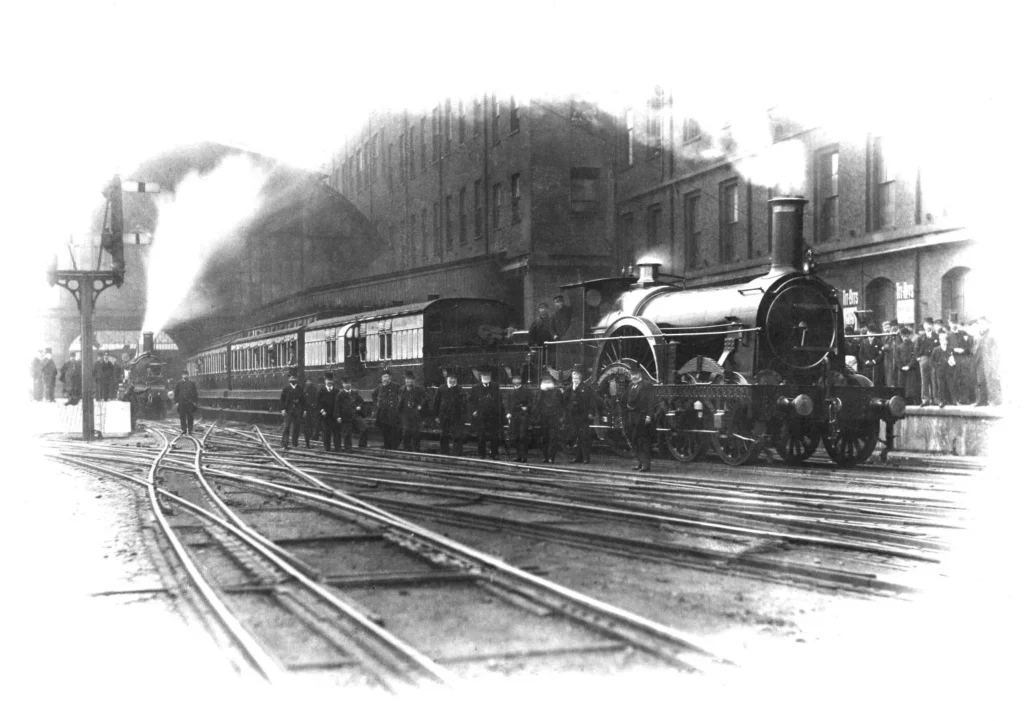
Railways even changed the way the British understood time. Previously, many localities used their own local time based on the position of the Sun. But when trains had to run according to precise schedules, a standardized time system became necessary. “Railway time,” based on Greenwich Mean Time, gradually came into widespread use across the country.
Distances were not shortened by railways alone.
The telegraph allowed information to travel hundreds of kilometers in a very short time. After undersea telegraph cables were laid, London could exchange information with places thousands of kilometers away at speeds that previous generations could scarcely have imagined.
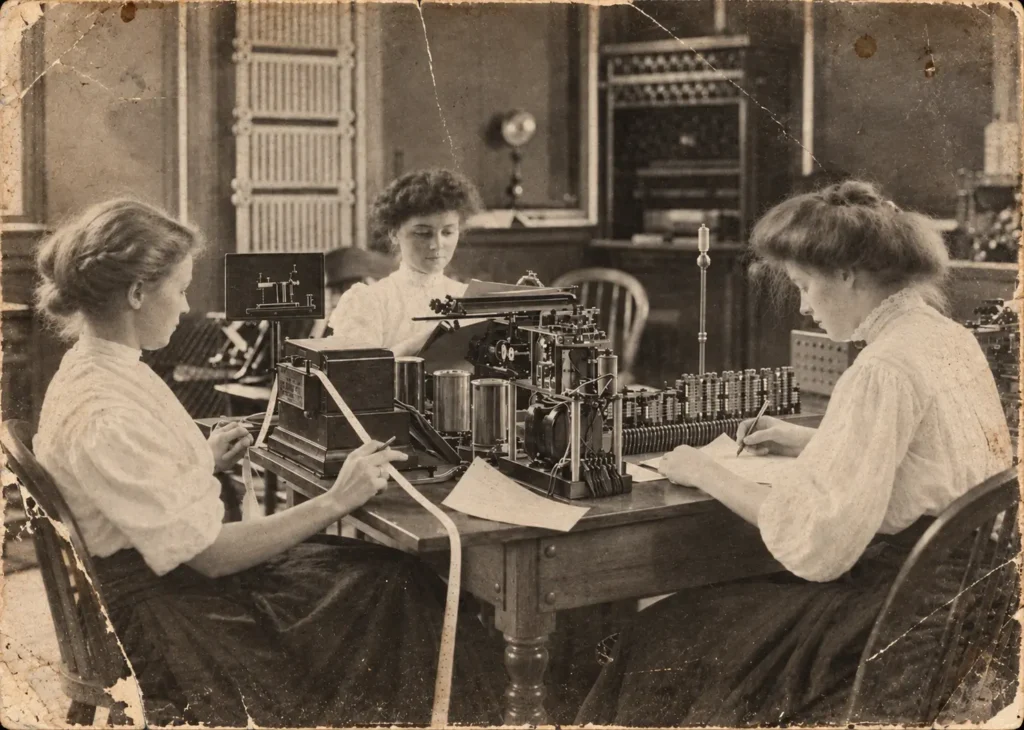
It was also an era of major scientific breakthroughs.
In 1859, Charles Darwin published On the Origin of Species, presenting his theory of evolution by natural selection and profoundly changing the way people understood the living world. Michael Faraday’s research into electricity and magnetism laid important foundations for later electrical technologies. Medicine and urban sanitation also gradually improved as scientists gained a better understanding of the causes of disease.
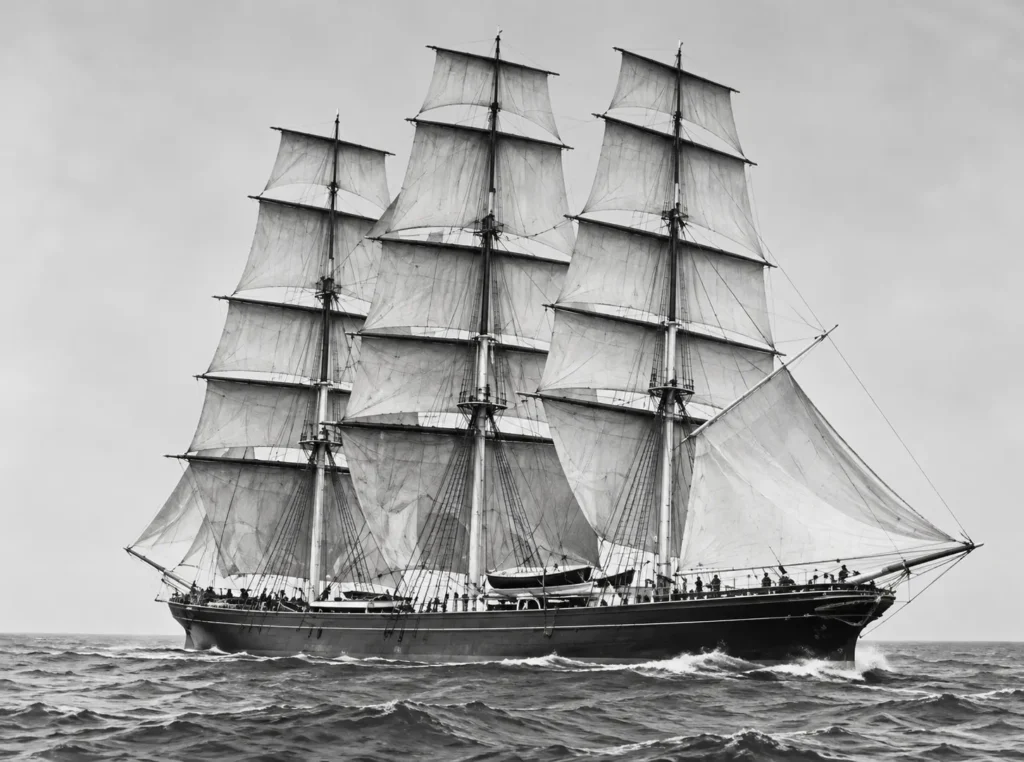
At sea, this industrial power was connected to a global trading network.
British ports received raw materials from many parts of the world and then shipped goods manufactured in British factories back to distant markets. London became one of the world’s most important financial centers, while the Royal Navy helped protect the shipping routes on which British trade depended.
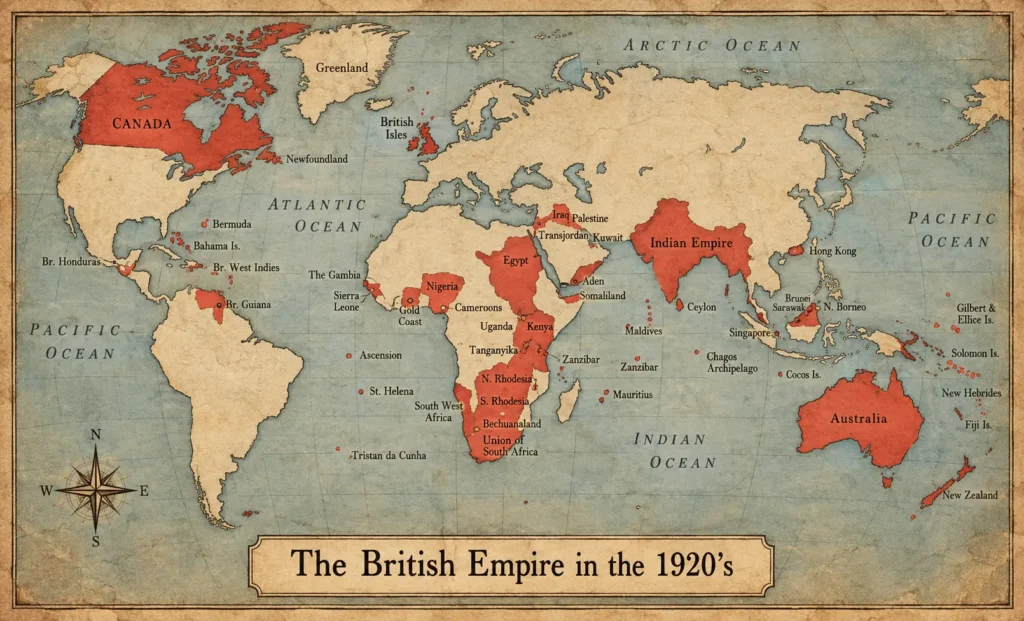
Alongside these developments came the expansion of the British Empire.
By the end of the Victorian era, the empire possessed or controlled vast territories in Asia, Africa, the Americas, and Oceania. In 1877, Victoria was officially proclaimed Empress of India. The image of an elderly queen seated on her throne became a symbol of an empire whose influence extended across several continents.
In 1897, Britain celebrated the Diamond Jubilee, marking the 60th anniversary of Victoria’s reign. Delegations from across the empire gathered in London. For many British people at the time, it was the moment that most clearly demonstrated the power and international standing their country had achieved.
When Victoria ascended the throne in 1837, Britain was already an industrializing power. When she died in 1901, the Britain she left behind had been completely transformed: railways stretched across the country, telegraph lines connected places separated by enormous distances, industrial cities produced goods for global markets, London had become a major center of finance and trade, and the British Empire extended across several continents.
That is why the name Victoria belongs not only to a queen. It became the name of an era – an era in which, viewed from the height of its industrial and imperial power, Britain seemed to stand at the very top of the world.
WORD BANK:
name sb/sth after sb /neɪm/ (v): được đặt tên theo ai
era /ˈer.ə/ [B2] (n): thời đại, kỷ nguyên
ascend the throne /əˈsend ðə θroʊn/ (phr): lên ngôi
rule /ruːl/ [B1] (v): trị vì, cai trị
coincide with sth /ˌkoʊ.ɪnˈsaɪd/ [C1] (v): trùng với, diễn ra cùng thời điểm với cái gì
powerhouse /ˈpaʊ.ɚ.haʊs/ (n): cường quốc, trung tâm quyền lực
empire /ˈem.paɪr/ [B2] (n): đế quốc, đế chế
stretch across sth /stretʃ/ (v): trải dài, trải rộng khắp cái gì
engineering /ˌen.dʒəˈnɪr.ɪŋ/ [B1] (n): ngành kỹ thuật, kỹ thuật công trình
erect sth /ɪˈrekt/ [C2] (v): xây dựng, dựng lên cái gì
display /dɪˈspleɪ/ [B1] (v): trưng bày, thể hiện
merely /ˈmɪr.li/ [C1] (adv): chỉ đơn thuần, chỉ là
declaration /ˌdek.ləˈreɪ.ʃən/ [C1] (n): lời tuyên bố, sự tuyên bố
revolution /ˌrev.əˈluː.ʃən/ [B2] (n): cuộc cách mạng
textile /ˈtek.staɪl/ (n): vải dệt, hàng dệt may
mill /mɪl/ (n): nhà máy (đặc biệt là nhà máy dệt)
workshop /ˈwɝːk.ʃɑːp/ [B2] (n): xưởng sản xuất, xưởng làm việc
closely associated with sth /ˈkloʊs.li əˈsoʊ.si.eɪ.t̬ɪd/ (phr): có mối liên hệ mật thiết với cái gì
vast /væst/ [B2] (adj): rộng lớn, bao la
relatively /ˈrel.ə.t̬ɪv.li/ [B2] (adv): tương đối
horse-drawn carriage /ˈhɔːrs.drɑːn ˈker.ɪdʒ/ (n): xe ngựa kéo
locality /loʊˈkæl.ə.t̬i/ (n): địa phương, khu vực
precise /prɪˈsaɪs/ [B2] (adj): chính xác, rõ ràng
standardized /ˈstæn.dɚ.daɪzd/ (adj): được tiêu chuẩn hóa
telegraph /ˈtel.ə.ɡræf/ (n): điện báo, máy điện báo
scarcely /ˈskers.li/ [C1] (adv): hầu như không, hiếm khi
breakthrough /ˈbreɪk.θruː/ [C1] (n): bước đột phá
profoundly /prəˈfaʊnd.li/ (adv): sâu sắc, mạnh mẽ
magnetism /ˈmæɡ.nə.tɪ.zəm/ (n): từ tính, hiện tượng từ
urban sanitation /ˈɝː.bən ˌsæn.əˈteɪ.ʃən/ (n): vệ sinh đô thị
territory /ˈter.ə.tɔːr.i/ [B2] (n): lãnh thổ
officially /əˈfɪʃ.əl.i/ [B2] (adv): chính thức
proclaim /proʊˈkleɪm/ [C2] (v): tuyên bố, công bố
empress /ˈem.prəs/ (n): nữ hoàng đế
jubilee /ˈdʒuː.bə.liː/ (n): lễ kỷ niệm đặc biệt (thường là 25, 50 hoặc 60 năm)
reign /reɪn/ (n): triều đại, thời gian trị vì
delegation /ˌdel.əˈɡeɪ.ʃən/ [C1] (n): phái đoàn, đoàn đại biểu
standing /ˈstæn.dɪŋ/ (n): vị thế, địa vị, uy tín
ỦNG HỘ READ TO LEAD!
Chào bạn! Có thể bạn chưa biết, Read to Lead là một trang giáo dục phi lợi nhuận với mục đích góp phần phát triển cộng đồng người học tiếng Anh tại Việt Nam. Chúng tôi không yêu cầu người đọc phải trả bất kỳ chi phí nào để sử dụng các sản phẩm của mình để mọi người đều có cơ hội học tập tốt hơn. Tuy nhiên, nếu bạn có thể, chúng tôi mong nhận được sự hỗ trợ tài chính từ bạn để duy trì hoạt động của trang và phát triển các sản phẩm mới.
Bạn có thể ủng hộ chúng tôi qua 1 trong 2 cách dưới đây.
– Cách 1: Chuyển tiền qua tài khoản Momo.
Số điện thoại 0947.886.865 (Chủ tài khoản: Nguyễn Tiến Trung)
Nội dung chuyển tiền: Ủng hộ Read to Lead
hoặc
– Cách 2: Chuyển tiền qua tài khoản ngân hàng.
Ngân hàng VIB chi nhánh Hải Phòng
Số tài khoản: 012704060048394 (Chủ tài khoản: Nguyễn Tiến Trung)
Nội dung chuyển tiền: Ủng hộ Read to Lead
Lớp luyện thi IELTS online
Bạn đang có nhu cầu thi chứng chỉ IELTS cho đầu vào đại học, đi du học, xin việc hay xin cư trú và đang phân vân chưa biết học ở đâu?
Nếu bạn đang tìm kiếm dịch vụ luyện thi IELTS online với giáo viên uy tín và chất lượng, cũng như học phí phải chăng, thì lớp học online của thầy Trung (Admin và dịch giả chính của Read to Lead) có thể là một lựa chọn phù hợp dành cho bạn.
Hãy liên hệ (nhắn tin) tới trang Facebook cá nhân của mình (https://www.facebook.com/nguyen.trung.509) để tìm hiểu về lớp học và được tư vấn cũng như được học thử nha!


