


[Reading level: C1 – Advanced]
Blood cancer was once considered a disease with a very poor prognosis. However, advances in modern medicine have given many patients the opportunity to control the disease in the long term or even achieve a complete cure.
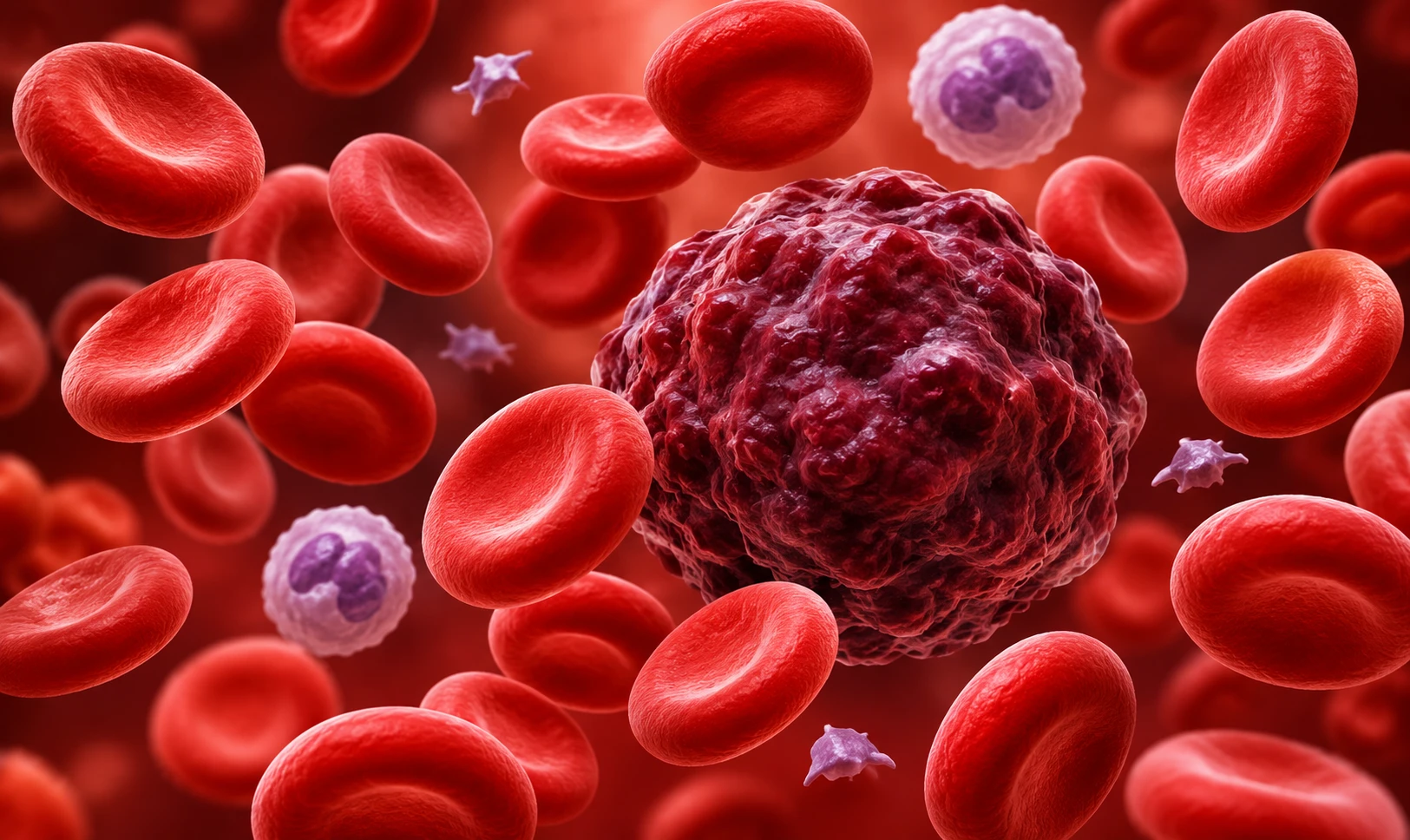
Blood cancer is a general term for a group of malignant diseases affecting the blood-forming and lymphatic systems, including leukemia, lymphoma, and multiple myeloma.
Leukemia occurs when the bone marrow produces too many abnormal white blood cells, interfering with the production of red blood cells and platelets, making patients more susceptible to anemia, bleeding, and weakened immunity.
The chances of a cure depend on the type of cancer, age, genetic characteristics, and how well each patient responds to treatment. Today, alongside conventional chemotherapy, methods such as targeted therapy, CAR-T immunotherapy, and hematopoietic stem cell transplantation are offering patients greater chances of survival.
However, the treatment process is often complicated, lasting several months or even years, and requires physical strength, perseverance, and adaptability. Treatment costs are also a considerable burden, particularly when new-generation drugs and technologies are used.
Blood cancer may be associated with exposure to toxic chemicals, ionizing radiation, genetic factors, or immune disorders. However, many patients develop the disease without any identifiable cause.
Common symptoms include persistent fatigue, recurrent infections, unexplained fever, easy bruising, and abnormal bleeding. Patients may also experience bone and joint pain, swollen lymph nodes, weight loss, and night sweats.
There is currently no guaranteed way to prevent blood cancer. However, limiting exposure to toxic chemicals, avoiding smoking, and maintaining a healthy lifestyle may help reduce certain risk factors.
Being diagnosed with blood cancer does not mean losing hope of survival. With advances in modern medicine, many patients can achieve long-term remission or even be cured. What matters is detecting the disease early, adhering to the treatment regimen, and maintaining a positive mindset throughout the treatment process.
Source: vtcnews.vn
WORD BANK:
blood cancer /blʌd ˈkæn.sɚ/ (n): ung thư máu
prognosis /prɑːɡˈnoʊ.sɪs/ (n): tiên lượng bệnh
general term /ˈdʒen.ɚ.əl tɝːm/ (n): thuật ngữ chung
malignant /məˈlɪɡ.nənt/ (adj): ác tính
lymphatic /lɪmˈfæt̬.ɪk/ (adj): thuộc hệ bạch huyết
leukemia /luːˈkiː.mi.ə/ (n): bệnh bạch cầu
lymphoma /lɪmˈfoʊ.mə/ (n): u lympho, ung thư hạch
multiple myeloma /ˌmʌl.tə.pəl maɪ.əˈloʊ.mə/ (n): đa u tủy xương
bone marrow /ˈboʊn ˌmær.oʊ/ (n): tủy xương
abnormal /æbˈnɔːr.məl/ [C1] (adj): bất thường
interfere with sth /ˌɪn.t̬ɚˈfɪr/ [B2] (v): cản trở cái gì
platelet /ˈpleɪt.lət/ (n): tiểu cầu
susceptible to sth /səˈsep.tə.bəl/ [C2] (adj): dễ bị ảnh hưởng bởi, dễ mắc phải cái gì
anemia /əˈniː.mi.ə/ (n): tình trạng thiếu máu
bleeding /ˈbliː.dɪŋ/ (n): sự chảy máu, xuất huyết
weakened immunity /ˈwiː.kənd ɪˈmjuː.nə.t̬i/ (n): tình trạng suy giảm miễn dịch
conventional /kənˈven.ʃən.əl/ [B2] (adj): truyền thống, thông thường
chemotherapy /ˌkiː.moʊˈθer.ə.pi/ (n): hóa trị
targeted therapy /ˈtɑːr.ɡɪ.t̬ɪd ˈθer.ə.pi/ (n): liệu pháp nhắm trúng đích
immunotherapy /ˌɪm.jə.noʊˈθer.ə.pi/ (n): liệu pháp miễn dịch
hematopoietic /hɪˌmæt̬.oʊ.pɔɪˈet̬.ɪk/ (adj): thuộc quá trình tạo máu
stem cell /ˈstem ˌsel/ (n): tế bào gốc
transplantation /ˌtræns.plænˈteɪ.ʃən/ (n): sự cấy ghép
perseverance /ˌpɝː.səˈvɪr.əns/ (n): sự kiên trì
adaptability /əˌdæp.təˈbɪl.ə.t̬i/ (n): khả năng thích nghi
burden /ˈbɝː.dən/ [C1] (n): gánh nặng
exposure to sth /ɪkˈspoʊ.ʒɚ/ [C1] (n): sự tiếp xúc, phơi nhiễm với cái gì
ionizing radiation /ˈaɪ.ə.naɪ.zɪŋ ˌreɪ.diˈeɪ.ʃən/ (n): bức xạ ion hóa
immune disorder /ɪˈmjuːn dɪˈsɔːr.dɚ/ (n): rối loạn miễn dịch
identifiable /aɪˌden.t̬əˈfaɪ.ə.bəl/ (adj): có thể xác định được
persistent /pɚˈsɪs.tənt/ [C2] (adj): dai dẳng, kéo dài
fatigue /fəˈtiːɡ/ (n): tình trạng mệt mỏi
recurrent /rɪˈkɝː.ənt/ (adj): tái diễn, tái phát
infection /ɪnˈfek.ʃən/ [B2] (n): tình trạng nhiễm trùng
bruising /ˈbruː.zɪŋ/ (n): tình trạng bầm tím
joint /dʒɔɪnt/ [B2] (n): khớp xương
swollen /ˈswoʊ.lən/ (adj): sưng, sưng to
lymph node /ˈlɪmf ˌnoʊd/ (n): hạch bạch huyết
guaranteed /ˌɡer.ənˈtiːd/ (adj): được đảm bảo, chắc chắn
adhere to sth /ədˈhɪr/ (v): tuân thủ cái gì
treatment regimen /ˈtriːt.mənt ˈredʒ.ə.mən/ (n): phác đồ điều trị
mindset /ˈmaɪnd.set/ (n): tư duy, tâm thế
ỦNG HỘ READ TO LEAD!
Chào bạn! Có thể bạn chưa biết, Read to Lead là một trang giáo dục phi lợi nhuận với mục đích góp phần phát triển cộng đồng người học tiếng Anh tại Việt Nam. Chúng tôi không yêu cầu người đọc phải trả bất kỳ chi phí nào để sử dụng các sản phẩm của mình để mọi người đều có cơ hội học tập tốt hơn. Tuy nhiên, nếu bạn có thể, chúng tôi mong nhận được sự hỗ trợ tài chính từ bạn để duy trì hoạt động của trang và phát triển các sản phẩm mới.
Bạn có thể ủng hộ chúng tôi qua 1 trong 2 cách dưới đây.
– Cách 1: Chuyển tiền qua tài khoản Momo.
Số điện thoại 0947.886.865 (Chủ tài khoản: Nguyễn Tiến Trung)
Nội dung chuyển tiền: Ủng hộ Read to Lead
hoặc
– Cách 2: Chuyển tiền qua tài khoản ngân hàng.
Ngân hàng VIB chi nhánh Hải Phòng
Số tài khoản: 012704060048394 (Chủ tài khoản: Nguyễn Tiến Trung)
Nội dung chuyển tiền: Ủng hộ Read to Lead
Lớp luyện thi IELTS online
Bạn đang có nhu cầu thi chứng chỉ IELTS cho đầu vào đại học, đi du học, xin việc hay xin cư trú và đang phân vân chưa biết học ở đâu?
Nếu bạn đang tìm kiếm dịch vụ luyện thi IELTS online với giáo viên uy tín và chất lượng, cũng như học phí phải chăng, thì lớp học online của thầy Trung (Admin và dịch giả chính của Read to Lead) có thể là một lựa chọn phù hợp dành cho bạn.
Hãy liên hệ (nhắn tin) tới trang Facebook cá nhân của mình (https://www.facebook.com/nguyen.trung.509) để tìm hiểu về lớp học và được tư vấn cũng như được học thử nha!


