


[Reading level: C1 – Advanced]
For decades, monitoring fish as they passed through massive hydroelectric dams was a surprisingly manual job. Workers often sat behind observation windows, watching fish swim by and recording them one by one. The process was slow, labor-intensive, and prone to human error.
At one of Tibet’s largest hydropower stations, China is now turning that job over to artificial intelligence.
The Zangmu Hydropower Station on the Yarlung Tsangpo River has reportedly deployed an AI-powered fish recognition system that combines sonar, optical imaging, and historical footage to identify and monitor fish moving through the dam’s fishway.
Operating around the clock, the system is reported to achieve an accuracy rate of about 95% when identifying species, counting fish, and analyzing their swimming characteristics.
Rather than recognizing faces in the human sense, the technology looks for features that distinguish one fish species from another. It examines swimming postures, fin shapes, body markings, and other physical characteristics, allowing it to recognize species native to the Tibetan Plateau.
But identifying fish is only part of the job. The system counts individual fish and records information such as water temperature and migration timing. Over time, these observations are building a large environmental database that researchers can use to study changes in fish populations and river ecology.
Helping fish get around a 116-meter dam
The technology is particularly important because dams can create enormous obstacles for aquatic life.
The 116-meter-high Zangmu Dam, which has a generating capacity of 510 megawatts, interrupts natural migration routes along the Yarlung Tsangpo. Fish that once moved freely between feeding and spawning grounds must now find another way around the barrier.
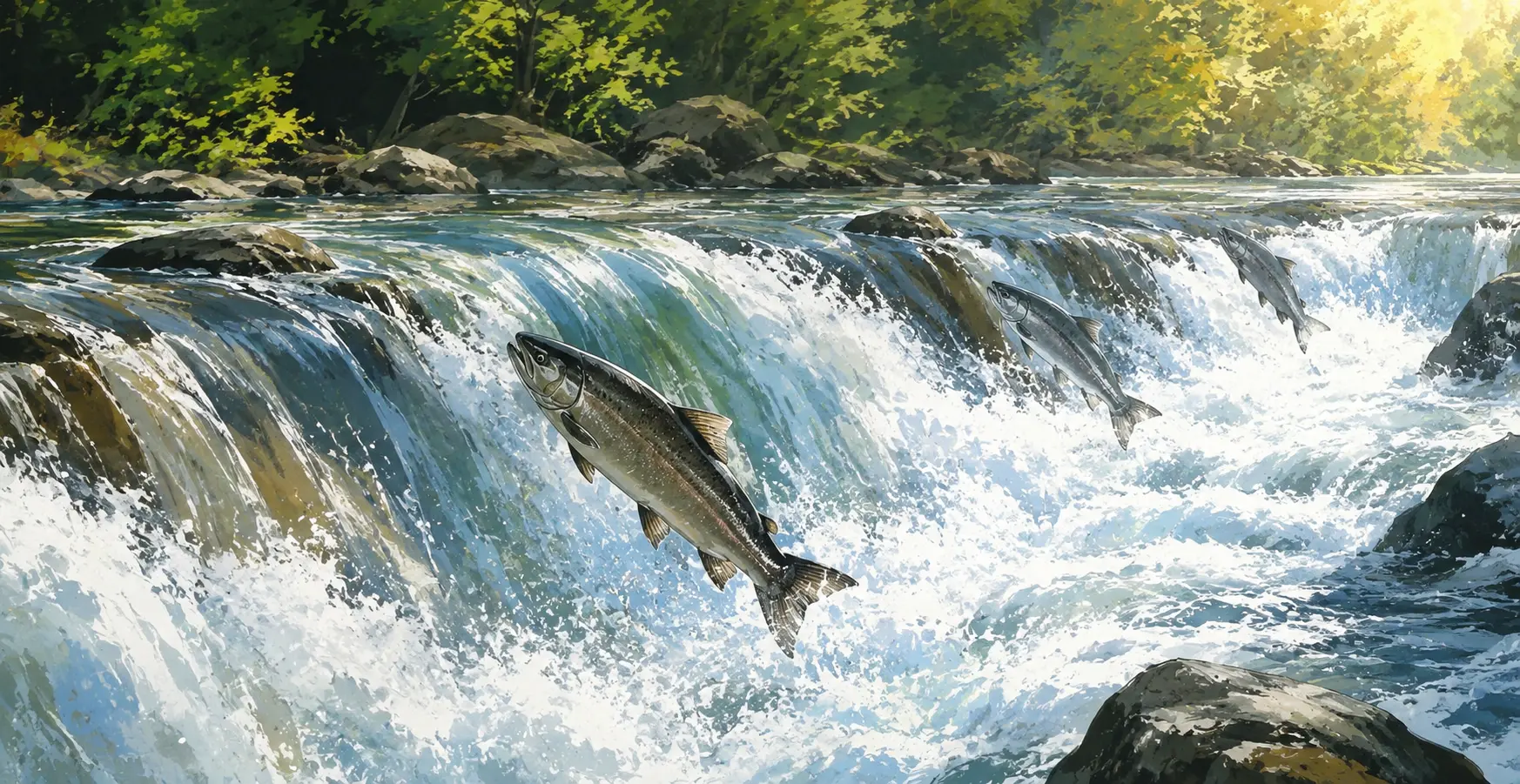
To address the problem, the hydropower station includes a specially designed fishway, sometimes called a fish ladder. Inspired by North American designs, it uses a series of gentle inclines and carefully controlled water flows to help fish travel upstream.
The design is especially important for weaker-swimming cold-water species, including Glyptosternon maculatum, a fish native to the region.
According to reports, the fishway has allowed around 570,000 rare fish to migrate upstream since the hydropower station began operating in 2015. It is designed to accommodate seven native fish species.
The station also operates a breeding program. Nearly 2 million fish have reportedly been released into the river in an effort to support and stabilize local populations.
The AI system now gives researchers a much more detailed picture of whether these measures are actually working.
The ecological price of hydropower
Fishways and artificial breeding programs, however, cannot completely eliminate the environmental consequences of large dams.
Hydroelectric dams generate electricity without directly burning fossil fuels, but they can radically transform river ecosystems. They block migration routes, separate populations, trap sediments and nutrients, and turn sections of fast-moving rivers into reservoirs.
These changes can alter water temperature, oxygen levels, sediment movement, and downstream habitats—all factors on which native aquatic species depend.
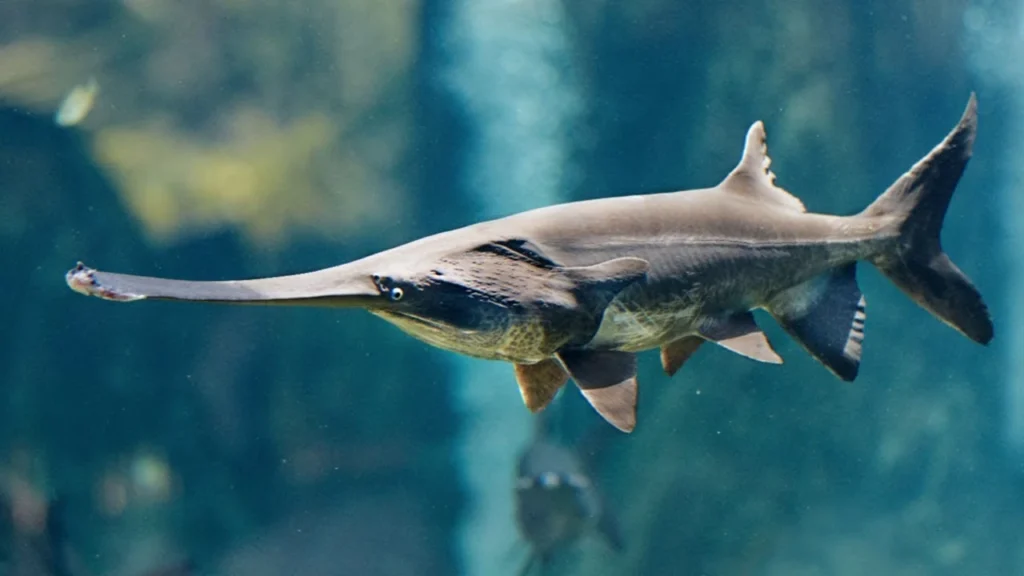
China has already witnessed how serious such disruption can become. Changes to major river systems have contributed to the decline of numerous species, with the Chinese paddlefish declared extinct and the Yangtze sturgeon facing an extremely precarious future.
That makes technologies capable of continuously measuring fish movements increasingly valuable. Similar AI- and camera-based monitoring systems are already being used elsewhere, including by fisheries researchers in the United States and Canada.
A much bigger dam is coming
The experiment at Zangmu also comes as China dramatically expands hydropower development on the Tibetan Plateau.
Of particular concern is a far larger hydropower project planned downstream in Medog County, near the Indian border. The enormous project is expected to have a generating capacity of around 60 gigawatts—roughly three times the installed capacity of China’s Three Gorges Dam.
Because the Yarlung Tsangpo eventually flows into India, where it becomes the Brahmaputra, before continuing toward Bangladesh, major changes to the river could have consequences far beyond Tibet.
The project has therefore raised both environmental and geopolitical concerns, particularly over its possible effects on ecosystems, sediment flows, and downstream communities in India and Bangladesh.
AI may give scientists an unprecedented ability to watch what happens beneath the surface. It can identify fish, count them, follow their migrations, and detect ecological changes that humans might otherwise miss.
But that leaves a much larger question unanswered: Can increasingly sophisticated conservation technology compensate for the ecological footprint of increasingly enormous dams?
Source: https://interestingengineering.com/innovation/fish-facial-recognition-at-hydropower-station
WORD BANK:
monitor sth /ˈmɑː.nə.t̬ɚ/ [B2] (v): theo dõi, giám sát cái gì
massive /ˈmæs.ɪv/ [B2] (adj): khổng lồ, đồ sộ
hydroelectric dam /ˌhaɪ.droʊ.ɪˈlek.trɪk dæm/ (n): đập thủy điện
hydropower station /ˈhaɪ.droʊˌpaʊ.ɚ ˌsteɪ.ʃən/ (n): nhà máy thủy điện
manual /ˈmæn.ju.əl/ [B2] (adj): thủ công, bằng tay
observation window /ˌɑːb.zɚˈveɪ.ʃən ˌwɪn.doʊ/ (n): cửa sổ quan sát
labor-intensive /ˌleɪ.bɚ.ɪnˈten.sɪv/ (adj): đòi hỏi nhiều lao động
prone to sth /proʊn/ [C2] (adj): dễ bị, có xu hướng gặp phải cái gì
turn sth over to sb /tɝːn ˈoʊ.vɚ/ (phr v): giao cái gì cho ai quản lý, phụ trách
reportedly /rɪˈpɔːr.t̬ɪd.li/ [C1] (adv): theo như được đưa tin
deploy sth /dɪˈplɔɪ/ [C1] (v): triển khai, đưa cái gì vào sử dụng
sonar /ˈsoʊ.nɑːr/ (n): thiết bị, công nghệ định vị bằng sóng âm
optical /ˈɑːp.tɪ.kəl/ [C1] (adj): thuộc về quang học, thị giác
footage /ˈfʊt̬.ɪdʒ/ [C1] (n): cảnh quay, đoạn phim
distinguish sb/sth from sb/sth /dɪˈstɪŋ.ɡwɪʃ/ [B2] (v): phân biệt ai/cái gì với ai/cái gì
posture /ˈpɑːs.tʃɚ/ [C1] (n): tư thế
body marking /ˈbɑː.di ˌmɑːr.kɪŋ/ (n): dấu, hoa văn trên cơ thể
native to … /ˈneɪ.t̬ɪv/ [C1] (adj): có nguồn gốc, bản địa ở…
the Tibetan Plateau /ðə təˈbet̬.ən ˈplæt.oʊ/ (n): Cao nguyên Tây Tạng
migration /maɪˈɡreɪ.ʃən/ [C1] (n): sự di cư, di trú
timing /ˈtaɪ.mɪŋ/ [B2] (n): thời điểm, việc lựa chọn thời điểm
ecology /iˈkɑː.lə.dʒi/ [C1] (n): sinh thái học, hệ sinh thái
enormous /ɪˈnɔːr.məs/ [B1] (adj): khổng lồ, rất lớn
obstacle /ˈɑːb.stə.kəl/ [B2] (n): chướng ngại vật, trở ngại
aquatic life /əˈkwæt̬.ɪk laɪf/ (n): sinh vật thủy sinh
interrupt sth /ˌɪn.t̬əˈrʌpt/ [B2] (v): làm gián đoạn cái gì
spawning ground /ˈspɑː.nɪŋ ˌɡraʊnd/ (n): bãi đẻ, nơi sinh sản của cá
barrier /ˈber.i.ɚ/ [B2] (n): rào cản, vật cản
address sth /əˈdres/ [C1] (v): giải quyết, xử lý vấn đề gì
fishway /ˈfɪʃ.weɪ/ (n): đường dẫn cho cá di chuyển qua đập
fish ladder /ˈfɪʃ ˌlæd.ɚ/ (n): thang cá, đường giúp cá vượt qua đập
gentle /ˈdʒen.t̬əl/ [B1] (adj): thoai thoải, nhẹ
incline /ˈɪn.klaɪn/ (n): đoạn dốc, mặt dốc
upstream /ˌʌpˈstriːm/ (adv/adj): về phía thượng nguồn, ở thượng nguồn
accommodate sth /əˈkɑː.mə.deɪt/ [B2] (v): đáp ứng, thích ứng với cái gì
breeding /ˈbriː.dɪŋ/ [C1] (n): sự sinh sản, gây giống
in an effort to do sth /ˈef.ɚt/ (phr): trong nỗ lực làm gì, nhằm làm gì
stabilize /ˈsteɪ.bə.laɪz/ [C1] (v): ổn định, làm cho ổn định
eliminate /iˈlɪm.ə.neɪt/ [B2] (v): loại bỏ
consequence /ˈkɑːn.sə.kwens/ [B2] (n): hậu quả
radically /ˈræd.ɪ.kəl.i/ [C1] (adv): một cách triệt để, hoàn toàn
trap sth /træp/ [B2] (v): giữ lại, chặn lại cái gì
sediment /ˈsed.ə.mənt/ (n): trầm tích, phù sa
section /ˈsek.ʃən/ [B1] (n): phần, đoạn, khu vực
reservoir /ˈrez.ɚ.vwɑːr/ [C1] (n): hồ chứa nước
alter sth /ˈɑːl.tɚ/ [B2] (v): thay đổi, làm biến đổi cái gì
witness sth /ˈwɪt.nəs/ [B2] (v): chứng kiến cái gì
paddlefish /ˈpæd.əl.fɪʃ/ (n): cá tầm thìa, cá mái chèo
declare /dɪˈkler/ [B2] (v): tuyên bố, công bố
sturgeon /ˈstɝː.dʒən/ (n): cá tầm
precarious /prɪˈker.i.əs/ [C2] (adj): bấp bênh, không ổn định, nguy hiểm
fisheries /ˈfɪʃ.ɚ.iz/ (n): ngành thủy sản, nghề cá
experiment /ɪkˈsper.ə.mənt/ [B1] (n): thí nghiệm, thử nghiệm
enormous /ɪˈnɔːr.məs/ [B1] (adj): khổng lồ, rất lớn
roughly /ˈrʌf.li/ [B2] (adv): xấp xỉ, khoảng
installed capacity /ɪnˈstɑːld kəˈpæs.ə.t̬i/ (n): công suất lắp đặt
geopolitical /ˌdʒiː.oʊ.pəˈlɪt̬.ɪ.kəl/ (adj): thuộc địa chính trị
unprecedented /ʌnˈpres.ə.den.t̬ɪd/ [C2] (adj): chưa từng có tiền lệ
detect sth /dɪˈtekt/ [B2] (v): phát hiện, nhận ra cái gì
sophisticated /səˈfɪs.tə.keɪ.t̬ɪd/ [C1] (adj): tinh vi, tiên tiến, phức tạp
compensate for sth /ˈkɑːm.pən.seɪt/ [C1] (v): bù đắp cho cái gì
ecological footprint /ˌiː.kəˈlɑː.dʒɪ.kəl ˈfʊt.prɪnt/ (n): dấu chân sinh thái, tác động lên môi trường
ỦNG HỘ READ TO LEAD!
Chào bạn! Có thể bạn chưa biết, Read to Lead là một trang giáo dục phi lợi nhuận với mục đích góp phần phát triển cộng đồng người học tiếng Anh tại Việt Nam. Chúng tôi không yêu cầu người đọc phải trả bất kỳ chi phí nào để sử dụng các sản phẩm của mình để mọi người đều có cơ hội học tập tốt hơn. Tuy nhiên, nếu bạn có thể, chúng tôi mong nhận được sự hỗ trợ tài chính từ bạn để duy trì hoạt động của trang và phát triển các sản phẩm mới.
Bạn có thể ủng hộ chúng tôi qua 1 trong 2 cách dưới đây.
– Cách 1: Chuyển tiền qua tài khoản Momo.
Số điện thoại 0947.886.865 (Chủ tài khoản: Nguyễn Tiến Trung)
Nội dung chuyển tiền: Ủng hộ Read to Lead
hoặc
– Cách 2: Chuyển tiền qua tài khoản ngân hàng.
Ngân hàng VIB chi nhánh Hải Phòng
Số tài khoản: 012704060048394 (Chủ tài khoản: Nguyễn Tiến Trung)
Nội dung chuyển tiền: Ủng hộ Read to Lead
Lớp luyện thi IELTS online
Bạn đang có nhu cầu thi chứng chỉ IELTS cho đầu vào đại học, đi du học, xin việc hay xin cư trú và đang phân vân chưa biết học ở đâu?
Nếu bạn đang tìm kiếm dịch vụ luyện thi IELTS online với giáo viên uy tín và chất lượng, cũng như học phí phải chăng, thì lớp học online của thầy Trung (Admin và dịch giả chính của Read to Lead) có thể là một lựa chọn phù hợp dành cho bạn.
Hãy liên hệ (nhắn tin) tới trang Facebook cá nhân của mình (https://www.facebook.com/nguyen.trung.509) để tìm hiểu về lớp học và được tư vấn cũng như được học thử nha!


