


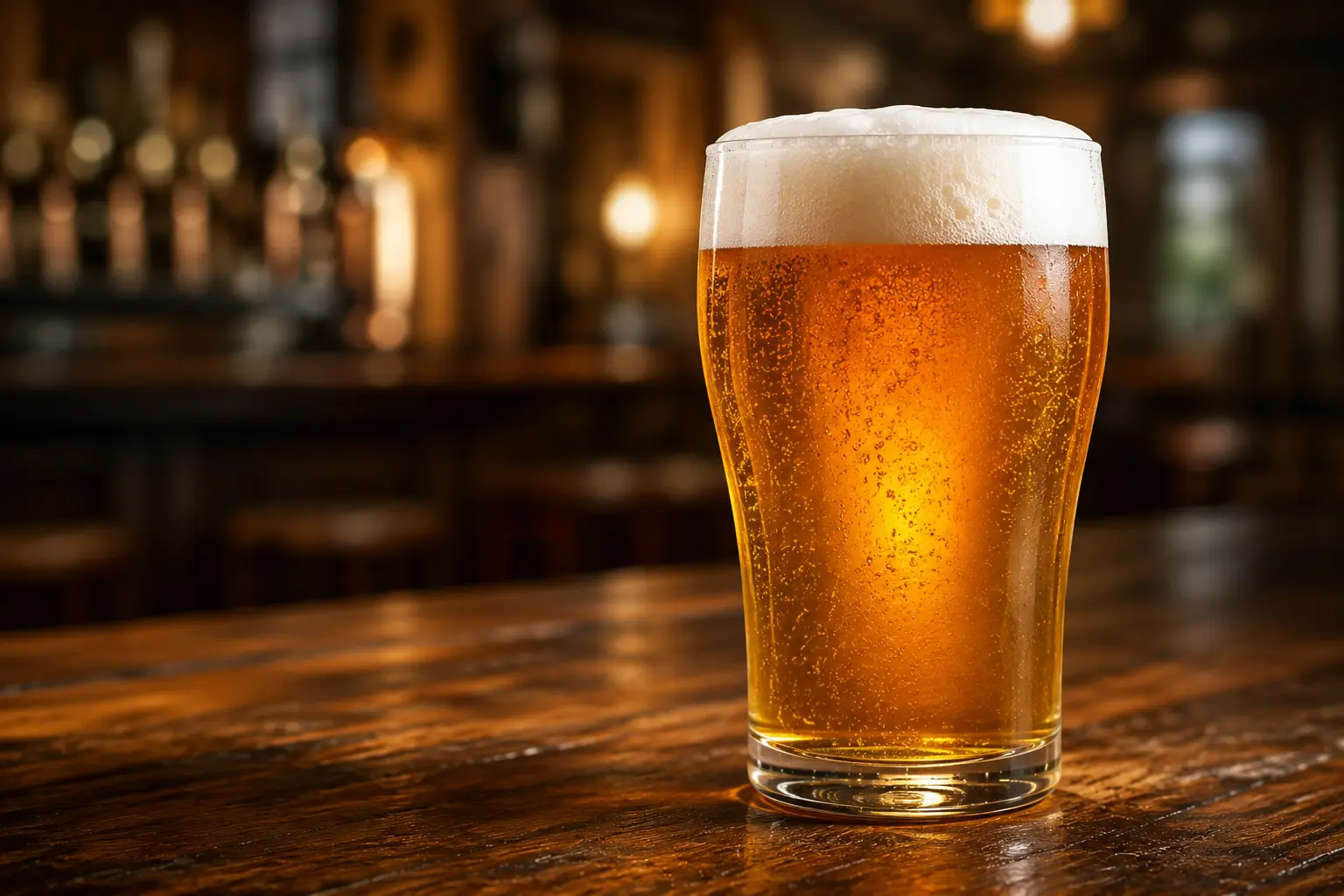
Somewhere in medieval Switzerland, a weary traveler is relieved to see a monastery up ahead. He’s welcomed, guided to a crowded guesthouse, and promptly served the abbey’s specialty: a tall glass of beer.
For centuries, monasteries across modern-day Europe were the primary large-scale brewers of beer. But this is hardly where this drink’s journey began. Beer refers to any alcoholic beverage made from fermented cereal grains—the edible seeds of a particular group of grasses.
The oldest evidence of beer brewing dates back 13,000 years to what’s now modern-day Israel, but experts believe the drink developed independently across the world.
In each of these regions, its composition was shaped by native grains. For example, 9,000 years ago in eastern China, people drank a sweet, cloudy beer made from rice, millet, and tubers. In the Andean region of South America, 5,000-year-old pottery suggests production of chicha, a brew of fermented maize.
Whatever the ingredients, ancient beer brewing required two main steps. First, the starches in the cereal grains had to be converted into fermentable sugars. Some groups achieved this by chewing them, while others soaked them in water to trigger germination, a process that naturally breaks down starches.
The second step was fermentation. Unbeknownst to brewers at the time, wild yeast found its way into the mixture—carried through the air, on fruit, or via reused tools still harboring yeasts from prior brews. With time and storage, yeasts converted some of these sugars into alcohol while releasing carbon dioxide.
This ancient beer was often imperfectly filtered, so it contained much more fiber, B vitamins, and protein than modern beer. And some cultures boiled the initial sugar mixture, which killed many unwanted microorganisms, making it safer to drink than other available water sources.
The oldest surviving recipe describing this process appears in a Sumerian poem dedicated to their goddess of beer, Ninkasi. The Babylonians built on this adoration—Hammurabi’s code mandated daily beer rations for every citizen. And any brewer caught overcharging for a pint was condemned to death by drowning.
In Ancient Egypt, beer was primarily made in the home by women, and was a staple of the daily diet. It also played a central role in religious festivals, and served as an offering at temples and the tombs of pharaohs.
By the 20th century BCE, beer had spilled over from Egypt into Greece, though it wasn’t as popular as wine. Nevertheless, over the following centuries, the thirst for beer spread through Europe and beyond.
In the early Middle Ages, European monasteries pioneered large-scale beer production, both to provide to traveling pilgrims and to sell to support monastery upkeep. Around this same time, brewers from Central and Eastern Europe made a key change to their recipe: they began adding hops.
These green flowers are rich in acidic compounds, imbuing beer with a new bitter flavor and acting as a preservative. Hops became so closely associated with beer that in 1516, a Bavarian duke issued a beer purity law, known as the Reinheitsgebot, that defined beer’s composition as strictly barley, hops, and water.
The Industrial Revolution ushered in other essential beer innovations, including advances in refrigeration. In 1876, French chemist Louis Pasteur identified yeast’s role in beer fermentation. With this, a key beer ingredient was finally made visible.
Brewers began selecting for different yeasts to refine recipes and experiment with flavor.
Today, there are well over 100 distinct beer varieties, with lagers and ales being the two main types.
Lagers, which include pilsners and bocks, are fermented with yeasts that thrive at colder temperatures and live at the bottom of fermentation vessels. Ales, like porters, stouts, and pale ales, ferment quicker, with yeasts that live at higher temperatures and float at the top of the mixture.
But some beers break this mold. Kölsches, for example, start with ale yeast, but are finished at colder temperatures like lagers. Others draw on ancient methods, like Belgian Lambics, which rely on spontaneous fermentation with wild yeast.
Meanwhile, there are still new challenges to navigate. The growing demand for non-alcoholic beers has pushed producers to find ways to limit or remove alcohol while still preserving flavor.
And if history is any indication, beer’s story will continue brewing for many years to come.
Source: TED-Ed
WORD BANK:
medieval /ˌmed.iˈiː.vəl/ [B2] (adj): thuộc thời Trung Cổ
weary /ˈwɪr.i/ [C1] (adj): mệt mỏi, kiệt sức
monastery /ˈmɑː.nə.ster.i/ [C1] (n): tu viện
abbey /ˈæb.i/ (n): tu viện lớn
specialty /ˈspeʃ.əl.t̬i/ [B2] (n): đặc sản, món nổi tiếng
brewer /ˈbruː.ɚ/ (n): người nấu bia
beverage /ˈbev.ɚ.ɪdʒ/ [B2] (n): đồ uống
ferment /fɚˈment/ (v): lên men
edible /ˈed.ə.bəl/ [C1] (adj): ăn được
date back /ˈdeɪt ˌbæk/ (v): có từ, bắt nguồn từ
composition /ˌkɑːm.pəˈzɪʃ.ən/ [B2] (n): thành phần, cấu tạo
cloudy /ˈklaʊ.di/ (adj): đục, không trong
millet /ˈmɪl.ɪt/ (n): hạt kê
tuber /ˈtuː.bɚ/ (n): củ
maize /meɪz/ (n): ngô
starch /stɑːrtʃ/ (n): tinh bột
convert sth into sth /kənˈvɝːt/ [B2] (v): chuyển đổi cái gì thành cái gì
chew /tʃuː/ [B1] (v): nhai
soak /soʊk/ [B2] (v): ngâm
trigger sth /ˈtrɪɡ.ɚ/ [B2] (v): kích hoạt, gây ra
germination /ˌdʒɝː.məˈneɪ.ʃən/ (n): sự nảy mầm
break down sth /ˌbreɪk ˈdaʊn/ (v): phân giải
unbeknownst to sb /ˌʌn.bɪˈnoʊnst/ (adv): mà ai đó không hề biết
yeast /jiːst/ (n): nấm men
harbor sth /ˈhɑːr.bɚ/ [C1] (v): chứa đựng, mang trong mình
prior /ˈpraɪ.ɚ/ [B2] (adj): trước đó
brew /bruː/ (v): nấu, ủ (bia)
imperfectly /ɪmˈpɝː.fekt.li/ (adv): một cách không hoàn hảo
filter /ˈfɪl.t̬ɚ/ [B1] (v): lọc
microorganism /ˌmaɪ.kroʊˈɔːr.ɡə.nɪ.zəm/ [C1] (n): vi sinh vật
surviving /sɚˈvaɪ.vɪŋ/ (adj): còn tồn tại tới ngày nay
dedicated to sth /ˈded.ə.keɪ.t̬ɪd/ [B2] (adj): dành riêng cho, cống hiến cho
goddess /ˈɡɑː.dəs/ (n): nữ thần
adoration /ˌæd.əˈreɪ.ʃən/ (n): sự tôn sùng, ngưỡng mộ
code /koʊd/ [B2] (n): bộ luật
mandate sth /ˈmæn.deɪt/ [C1] (v): quy định, bắt buộc
ration /ˈræʃ.ən/ (n): khẩu phần
overcharge /ˌoʊ.vɚˈtʃɑːrdʒ/ (v): tính giá quá cao
pint /paɪnt/ (n): đơn vị pint
condemn sb /kənˈdem/ [C1] (v): lên án, kết tội ai
condemn sb to death /kənˈdem tə deθ/ (v): kết án tử hình ai
staple /ˈsteɪ.pəl/ [C1] (n): mặt hàng thiết yếu, lương thực chính
religious /rɪˈlɪdʒ.əs/ [B1] (adj): thuộc tôn giáo
offering /ˈɔː.fɚ.ɪŋ/ (n): lễ vật, vật dâng cúng
tomb /tuːm/ [B2] (n): lăng mộ
spill over /ˌspɪl ˈoʊ.vɚ/ (v): lan sang, tràn sang
the thirst for sth /ðə θɝːst fɔːr/ (n): sự khao khát cái gì
pioneer sth /ˌpaɪ.əˈnɪr/ [C1] (v): tiên phong trong việc gì
pilgrim /ˈpɪl.ɡrɪm/ (n): người hành hương
upkeep /ˈʌp.kiːp/ (n): sự bảo trì, chi phí duy trì
hop /hɑːp/ (n): hoa bia
acidic /əˈsɪd.ɪk/ (adj): có tính axit
compound /ˈkɑːm.paʊnd/ [B2] (n): hợp chất
imbue sth with sth /ɪmˈbjuː/ (v): thấm nhuần, truyền cho cái gì đặc tính gì
preservative /prɪˈzɝː.və.t̬ɪv/ (n): chất bảo quản
duke /duːk/ (n): công tước
purity /ˈpjʊr.ə.t̬i/ [B2] (n): sự tinh khiết
define sth /dɪˈfaɪn/ [B1] (v): định nghĩa, xác định
barley /ˈbɑːr.li/ (n): lúa mạch
usher in sth /ˈʌʃ.ɚ ɪn/ (v): mở ra, khởi đầu cho
chemist /ˈkem.ɪst/ [B2] (n): nhà hóa học
refine sth /rɪˈfaɪn/ [C1] (v): tinh chế, cải tiến
experiment with sth /ɪkˈsper.ə.mənt wɪð/ [B2] (v): thử nghiệm với cái gì
lager /ˈlɑː.ɡɚ/ (n): bia lager
ale /eɪl/ (n): bia ale
thrive /θraɪv/ [C1] (v): phát triển mạnh, thịnh vượng
fermentation vessel /ˌfɝː.mənˈteɪ.ʃən ˌves.əl/ (n): thùng lên men
break the mold /ˌbreɪk ðə ˈmoʊld/ (idiom): không tuân theo khuôn mẫu
draw on sth [C1] (v): dựa vào, tận dụng
spontaneous /spɑːnˈteɪ.ni.əs/ [C1] (adj): tự phát
navigate (a challenge) /ˈnæv.ə.ɡeɪt/ [C1] (v): vượt qua, xử lý (một thử thách)
if history is any indication (phrase): nếu lịch sử là một dấu hiệu đáng tin cậy
ỦNG HỘ READ TO LEAD!
Chào bạn! Có thể bạn chưa biết, Read to Lead là một trang giáo dục phi lợi nhuận với mục đích góp phần phát triển cộng đồng người học tiếng Anh tại Việt Nam. Chúng tôi không yêu cầu người đọc phải trả bất kỳ chi phí nào để sử dụng các sản phẩm của mình để mọi người đều có cơ hội học tập tốt hơn. Tuy nhiên, nếu bạn có thể, chúng tôi mong nhận được sự hỗ trợ tài chính từ bạn để duy trì hoạt động của trang và phát triển các sản phẩm mới.
Bạn có thể ủng hộ chúng tôi qua 1 trong 2 cách dưới đây.
– Cách 1: Chuyển tiền qua tài khoản Momo.
Số điện thoại 0947.886.865 (Chủ tài khoản: Nguyễn Tiến Trung)
Nội dung chuyển tiền: Ủng hộ Read to Lead
hoặc
– Cách 2: Chuyển tiền qua tài khoản ngân hàng.
Ngân hàng VIB chi nhánh Hải Phòng
Số tài khoản: 012704060048394 (Chủ tài khoản: Nguyễn Tiến Trung)
Nội dung chuyển tiền: Ủng hộ Read to Lead
Lớp luyện thi IELTS online
Bạn đang có nhu cầu thi chứng chỉ IELTS cho đầu vào đại học, đi du học, xin việc hay xin cư trú và đang phân vân chưa biết học ở đâu?
Nếu bạn đang tìm kiếm dịch vụ luyện thi IELTS online với giáo viên uy tín và chất lượng, cũng như học phí phải chăng, thì thầy Trung và Cô Thủy (Admin và dịch giả chính của Read to Lead) có thể là một lựa chọn phù hợp dành cho bạn.
Hãy liên hệ (nhắn tin) tới trang Facebook cá nhân của mình (https://www.facebook.com/nguyen.trung.509) để tìm hiểu về lớp học và được tư vấn cũng như được học thử nha!


