


[Reading level: C1 – Advanced]
When we think of communication, we often think of humans, animals, or smart devices. Yet few people would expect that plants—organisms that seem silent and passive—are also capable of “talking” to one another and to the world around them. Many plants even produce actual sounds, although humans cannot hear them with the naked ear.
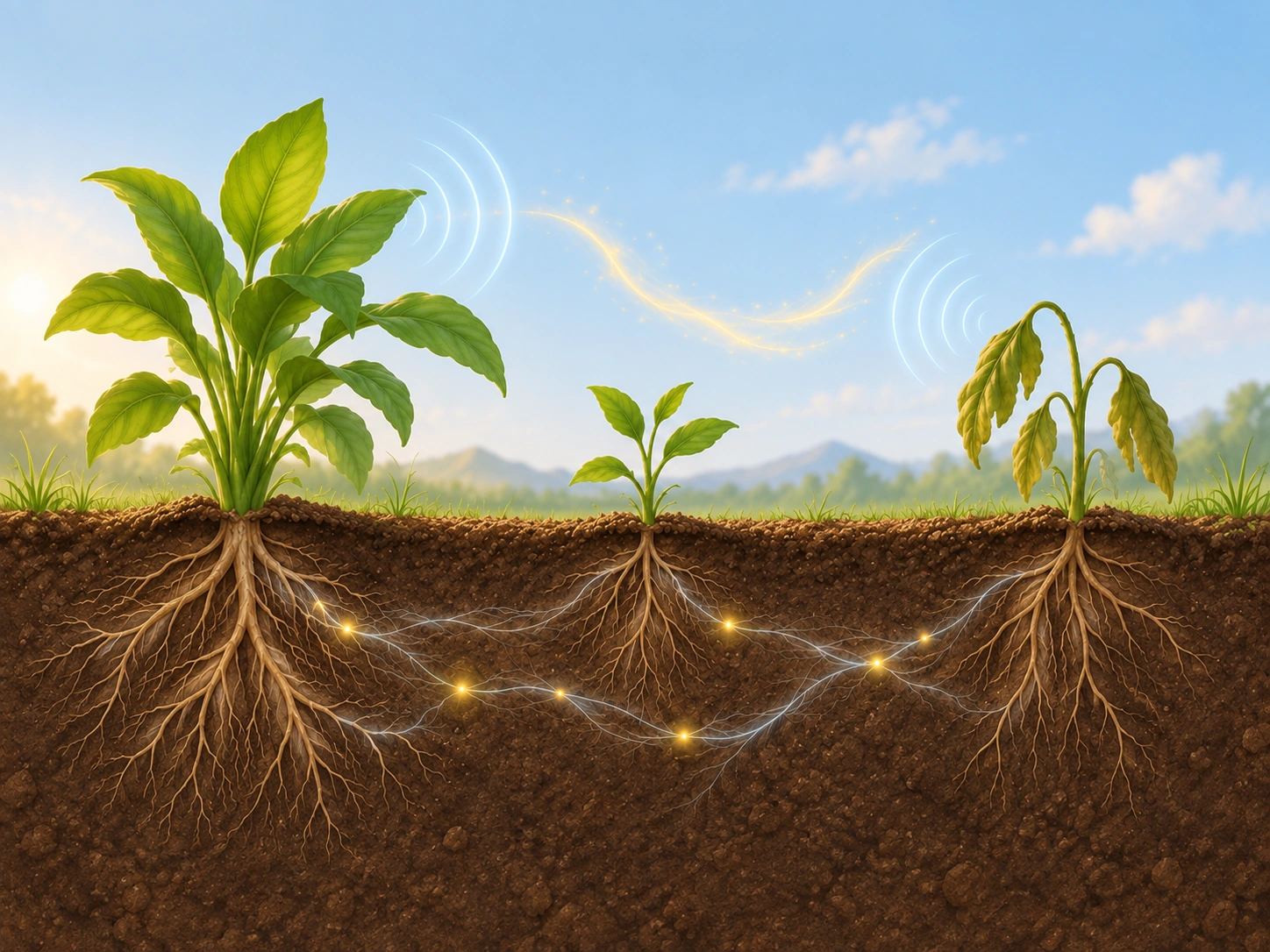
A study conducted at Tel Aviv University in Israel surprised the scientific community by discovering that tomato plants, when deprived of water or physically damaged, can emit airborne ultrasonic signals—sounds resembling “cries for help” that humans cannot hear.
However, animals such as mice, bats, and especially moths can detect these sounds. Female moths, for example, can hear the sounds produced by dehydrated plants and avoid laying their eggs on them, ensuring that their larvae will later have enough food from healthier plants. This is a vivid example showing that plants’ “voices” not only exist but can also directly influence the behaviour of other species.

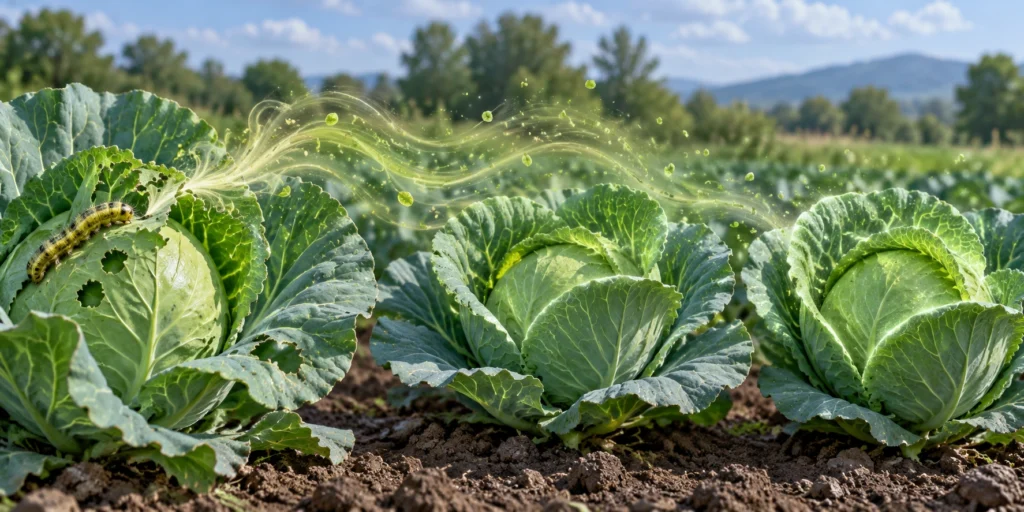
Besides producing sounds, plants possess several other remarkable forms of communication. When attacked by insects, some plants, such as tobacco, soybeans, and cabbage, release volatile compounds into the air. When neighbouring plants “smell” these chemical signals, they immediately activate their defence mechanisms in preparation for the threat. This resembles an early-warning system among individual plants, helping them increase their chances of survival without needing to move.
Below the ground, plants have another extraordinary “communication network”—a symbiotic fungal network. Through mycorrhizal threads connecting their root systems, plants can transmit chemical and electrical signals to warn one another, share nutrients, or support young and weak plants within the ecosystem. Scientists call this system the “Wood Wide Web”—a natural Internet of the forest. Its existence shows that plants are far from solitary; instead, they live in communities whose members interact with and support one another.

Even when a plant is damaged in one particular area—for example, when an insect eats one of its leaves—it sends electrical signals throughout its body to activate protective responses, such as producing bitter substances, closing its stomata, or strengthening its protective waxy coating. This method of signal transmission is reminiscent of the nervous system in animals, even though plants have neither brains nor nerves.
The discovery of plants’ ability to “talk” and “listen” is not merely of academic interest; it also opens up enormous potential for agricultural applications. By using ultrasonic sensors, humans may be able to “listen” to plants’ cries for help and detect water shortages, pests, diseases, or biological stress at an early stage. Instead of waiting until plants display visible symptoms, farmers could intervene sooner and more precisely, thereby increasing yields and reducing costs. At the same time, understanding plants’ chemical language could help us influence insect behaviour naturally, reduce the use of chemical pesticides, and move towards more sustainable agriculture.
Although we still cannot talk to plants as people do in fairy tales, it is clear that the plant world is far from silent. Plants are simply “speaking” in ways that humans have never noticed before—through ultrasonic sounds, chemical scents carried on the wind, streams of signals beneath the ground, and subtle electrical impulses passing between individual leaves. Once we learn how to listen, that world will no longer seem like a silent garden, but rather an ecosystem filled with voices whispering all around us.
WORD BANK:
organism /ˈɔːr.ɡə.nɪ.zəm/ [B2] (n): sinh vật
with the naked ear /wɪð ðə ˌneɪ.kɪd ˈɪr/ (phrase): bằng tai thường
conduct /kənˈdʌkt/ [B2] (v): tiến hành, thực hiện
be deprived of sth /biː dɪˈpraɪvd əv/ [C1] (phrase): bị tước đoạt, không có hoặc thiếu cái gì
emit sth /iˈmɪt/ [C1] (v): phát ra, tỏa ra cái gì
airborne /ˈer.bɔːrn/ [C1] (adj): tồn tại hoặc lan truyền trong không khí
ultrasonic signal /ˌʌl.trəˈsɑː.nɪk ˈsɪɡ.nəl/ (n): tín hiệu siêu âm
resemble sth /rɪˈzem.bəl/ [B2] (v): giống cái gì
moth /mɑːθ/ (n): bướm đêm
dehydrated /ˌdiː.haɪˈdreɪ.t̬ɪd/ (adj): bị mất nước, thiếu nước
larvae /ˈlɑːr.viː/ (n): ấu trùng
possess sth /pəˈzes/ [B2] (v): sở hữu, có cái gì
soybeans /ˈsɔɪ.biːn/ (n): đậu nành, đậu tương
cabbage /ˈkæb.ɪdʒ/ [A2] (n): bắp cải
volatile /ˈvɑː.lə.t̬əl/ [C2] (adj): dễ bay hơi
compound /ˈkɑːm.paʊnd/ [B2] (n): hợp chất
activate sth /ˈæk.tə.veɪt/ [B2] (v): kích hoạt cái gì
defence mechanism /dɪˈfens ˌmek.ə.nɪ.zəm/ (n): cơ chế phòng vệ
extraordinary /ɪkˈstrɔːr.dən.er.i/ [B2] (adj): phi thường, đặc biệt
symbiotic /ˌsɪm.baɪˈɑː.t̬ɪk/ (adj): cộng sinh
fungi /ˈfʌn.dʒaɪ/ (n): các loài nấm
fungal network /ˈfʌŋ.ɡəl ˈnet.wɝːk/ (n): mạng lưới nấm
thread /θred/ [B1] (n): sợi
mycorrhizal thread /ˌmaɪ.kəˈraɪ.zəl θred/ (n): sợi nấm rễ cộng sinh
one another /ˌwʌn əˈnʌð.ɚ/ [B1] (pron): lẫn nhau, nhau
existence /ɪɡˈzɪs.təns/ [B2] (n): sự tồn tại
far from … /ˈfɑːr frəm/ [B2] (phrase): hoàn toàn không, còn lâu mới…
solitary /ˈsɑː.lə.ter.i/ [C2] (adj): đơn độc, sống một mình
protective response /prəˈtek.tɪv rɪˈspɑːns/ (n): phản ứng bảo vệ
bitter /ˈbɪt̬.ɚ/ [B1] (adj): đắng
substance /ˈsʌb.stəns/ [B2] (n): chất
stomata /ˈstoʊ.mə.t̬ə/ (n): các khí khổng
waxy coating /ˈwæk.si ˈkoʊ.t̬ɪŋ/ (n): lớp phủ dạng sáp
be reminiscent of sth /biː ˌrem.əˈnɪs.ənt əv/ [C2] (phrase): gợi nhớ đến, làm liên tưởng đến cái gì
nervous system /ˈnɝː.vəs ˌsɪs.təm/ [B2] (n): hệ thần kinh
nerve /nɝːv/ [B2] (n): dây thần kinh
merely /ˈmɪr.li/ [B2] (adv): chỉ, đơn thuần
be of sth /biː əv/ (phrase): có, mang một phẩm chất hoặc giá trị nào đó
academic interest /ˌæk.əˈdem.ɪk ˈɪn.trəst/ (n): sự quan tâm về mặt học thuật, giá trị học thuật
open up sth /ˈoʊ.pən ʌp/ [B2] (phr v): mở ra, tạo ra cái gì
potential /pəˈten.ʃəl/ [B2] (n): tiềm năng
application /ˌæp.ləˈkeɪ.ʃən/ [B2] (n): sự ứng dụng; ứng dụng
sensor /ˈsen.sɚ/ [B2] (n): cảm biến
detect sth /dɪˈtekt/ [B2] (v): phát hiện cái gì
biological stress /ˌbaɪ.əˈlɑː.dʒɪ.kəl ˈstres/ (n): stress sinh học, tình trạng căng thẳng sinh học
visible /ˈvɪz.ə.bəl/ [B2] (adj): có thể nhìn thấy, rõ ràng
symptom /ˈsɪmp.təm/ [B1] (n): triệu chứng
intervene /ˌɪn.t̬ɚˈviːn/ [C1] (v): can thiệp
precisely /prɪˈsaɪs.li/ [B2] (adv): chính xác
yield /jiːld/ [C1] (n): sản lượng, năng suất
sustainable /səˈsteɪ.nə.bəl/ [B2] (adj): bền vững
fairy tale /ˈfer.i ˌteɪl/ [B1] (n): truyện cổ tích
scent /sent/ [C1] (n): mùi hương
stream /striːm/ [B1] (n): dòng, luồng
subtle /ˈsʌt̬.əl/ [C1] (adj): tinh tế, khó nhận thấy
electrical impulse /iˈlek.trɪ.kəl ˈɪm.pʌls/ (n): xung điện
whisper /ˈwɪs.pɚ/ [B2] (v): thì thầm
ỦNG HỘ READ TO LEAD!
Chào bạn! Có thể bạn chưa biết, Read to Lead là một trang giáo dục phi lợi nhuận với mục đích góp phần phát triển cộng đồng người học tiếng Anh tại Việt Nam. Chúng tôi không yêu cầu người đọc phải trả bất kỳ chi phí nào để sử dụng các sản phẩm của mình để mọi người đều có cơ hội học tập tốt hơn. Tuy nhiên, nếu bạn có thể, chúng tôi mong nhận được sự hỗ trợ tài chính từ bạn để duy trì hoạt động của trang và phát triển các sản phẩm mới.
Bạn có thể ủng hộ chúng tôi qua 1 trong 2 cách dưới đây.
– Cách 1: Chuyển tiền qua tài khoản Momo.
Số điện thoại 0947.886.865 (Chủ tài khoản: Nguyễn Tiến Trung)
Nội dung chuyển tiền: Ủng hộ Read to Lead
hoặc
– Cách 2: Chuyển tiền qua tài khoản ngân hàng.
Ngân hàng VIB chi nhánh Hải Phòng
Số tài khoản: 012704060048394 (Chủ tài khoản: Nguyễn Tiến Trung)
Nội dung chuyển tiền: Ủng hộ Read to Lead
Lớp luyện thi IELTS online
Bạn đang có nhu cầu thi chứng chỉ IELTS cho đầu vào đại học, đi du học, xin việc hay xin cư trú và đang phân vân chưa biết học ở đâu?
Nếu bạn đang tìm kiếm dịch vụ luyện thi IELTS online với giáo viên uy tín và chất lượng, cũng như học phí phải chăng, thì lớp học online của thầy Trung (Admin và dịch giả chính của Read to Lead) có thể là một lựa chọn phù hợp dành cho bạn.
Hãy liên hệ (nhắn tin) tới trang Facebook cá nhân của mình (https://www.facebook.com/nguyen.trung.509) để tìm hiểu về lớp học và được tư vấn cũng như được học thử nha!


