


[Reading level: C1 – Advanced]
Being late, missing a departure, or having to change your schedule are never pleasant experiences. They make us anxious and frustrated, and may even cause us to blame ourselves for not preparing better. Yet, on a few rare occasions, a seemingly inconvenient delay has unexpectedly helped people avoid unimaginable disasters.
A change of plans before the Titanic disaster
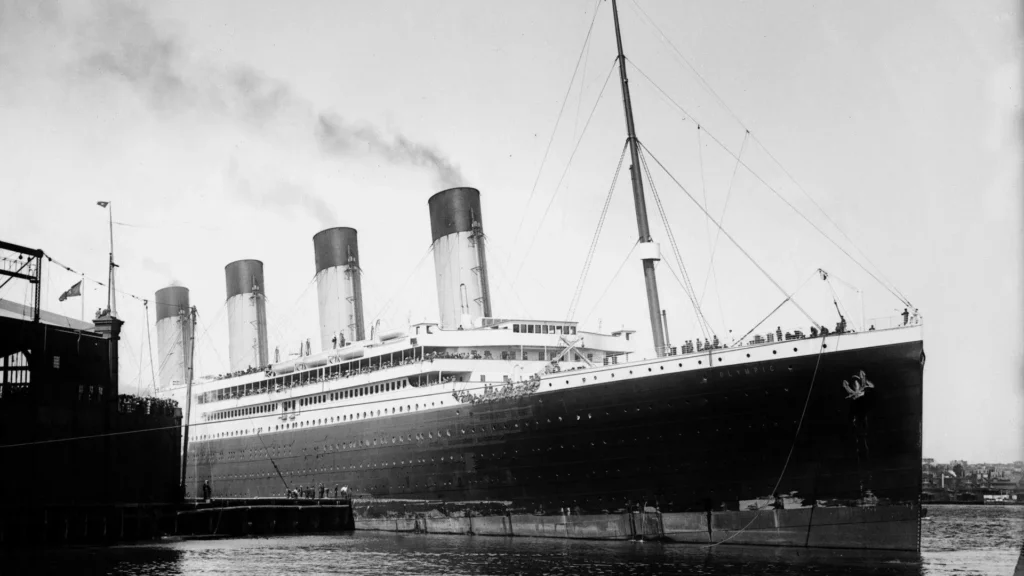
In late 1911, Milton S. Hershey—the founder of the Hershey chocolate company—wrote a cheque for $300 to reserve a first-class cabin on the maiden voyage of the RMS Titanic.
According to the original plan, he and his wife, Catherine, would return to the United States aboard what was then one of the most luxurious ships in the world.
However, a delay involving their connecting train from Belgium to England meant that the couple could not reach Southampton in time and were reluctantly forced to remain behind.

Their initial disappointment quickly turned into shock when, a few days later, the Titanic struck an iceberg and sank to the bottom of the ocean, claiming the lives of more than 1,500 people. That unexpected delay ultimately allowed the Hershey empire to continue.
A twenty-minute delay and Daallo Airlines Flight 159
On 2 February 2016, Daallo Airlines Flight 159 took off from Mogadishu, Somalia, on its way to Djibouti. There were 74 passengers and seven crew members aboard the Airbus A321.
About 15 minutes after take-off, a bomb hidden inside a laptop exploded in the passenger cabin, tearing a hole in the side of the aircraft. The bomber was sucked out of the plane and killed, while three other people were injured. Despite the serious damage to the aircraft, the pilots managed to return to Mogadishu and land safely, allowing the remaining 80 people to survive.
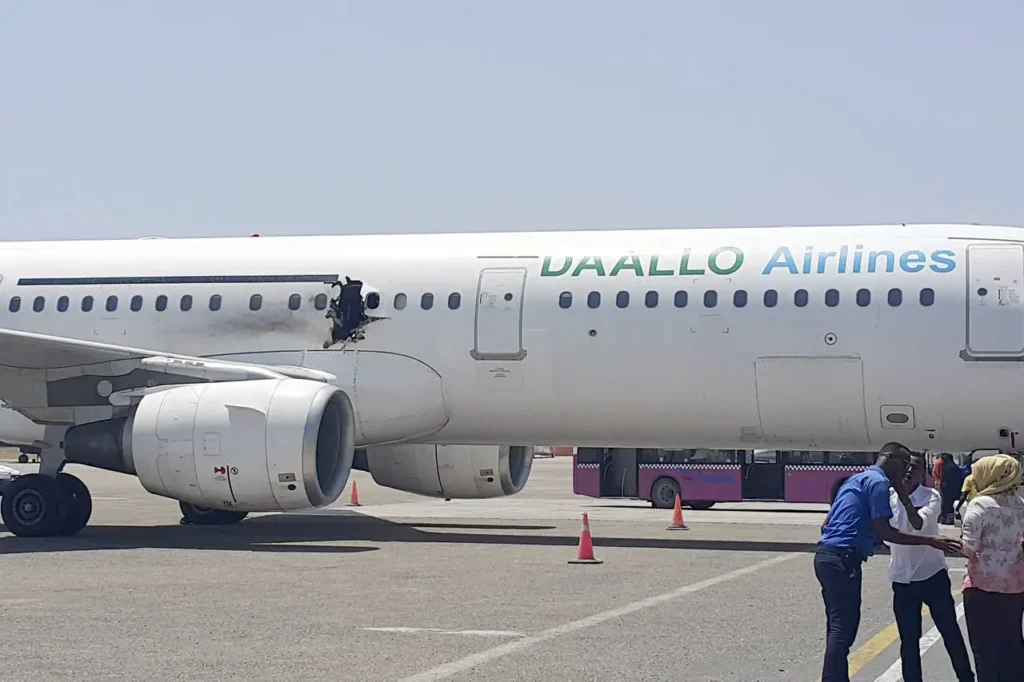
What is particularly noteworthy is that the flight had departed about 20 minutes late. When the explosion occurred, the aircraft was still climbing and had not yet reached cruising altitude.
The incident occurred when the aircraft was at an altitude of only about 4,200 meters, rather than its cruising altitude of over 9,000 meters. Because the pressure differential was not yet severe, the plane’s structure was kept from completely blowing apart, allowing the captain to execute an emergency landing.
The 20-minute delay might initially have frustrated many passengers at the airport, but it ultimately became an important factor in limiting the devastating effects of the attack.
A one-hour delay before the flood in nepal
On the morning of 26 August 2026, four vehicles carrying more than 100 people, most of whom were Vietnamese tourists, were scheduled to leave Kathmandu at 7 a.m. The group was on a pilgrimage and sightseeing tour, with Mount Kailash in Tibet as one of its main destinations.
However, because several members were late getting on the vehicles, the group had to delay its departure by about an hour. After travelling for some time, the drivers received news of a severe flash flood near the Nepal–Tibet border. To ensure everyone’s safety, the organisers decided to turn around and return to Kathmandu.
Floodwater, mud, and landslides later devastated numerous roads, bridges, and communities in the region. One member of the group said that if they had departed as scheduled, they might have entered the area struck by the raging floodwaters, and their vehicles could easily have been swept away.
No one can say with certainty what would have happened if the group had left on time. In this case, however, the one-hour delay clearly gave them more time to receive the warning and stay away from the dangerous area.
The Bottom Line
People usually want everything to go according to plan. We become frustrated when we are stuck in traffic, anxious when a flight is delayed, and disappointed when a journey is unexpectedly interrupted. Such reactions are completely natural because, at that moment, we can see only the immediate inconvenience.
However, life always contains variables that are beyond our ability to predict. Not every delay carries a special meaning, nor should every narrowly avoided accident be regarded as an arrangement of fate. Nevertheless, the stories above remind us that an unexpected change of plans is not necessarily an entirely bad thing.
Sometimes, moving a little more slowly helps us avoid a dangerous stretch of road. A cancelled journey may open up a different path. And an hour of seemingly pointless waiting can sometimes become the most precious hour of all.
Therefore, when things do not go as expected, perhaps we should remain a little calmer. After all, something that frustrates us today may be the very thing we feel grateful for tomorrow.
WORD BANK:
depart /dɪˈpɑːrt/ [B1] (v): khởi hành
departure /dɪˈpɑːr.tʃɚ/ [B1] (n): sự khởi hành
miss a departure /mɪs ə dɪˈpɑːr.tʃɚ/ (phr): lỡ chuyến
anxious /ˈæŋk.ʃəs/ [B2] (adj): lo lắng, sốt ruột
frustrated /ˈfrʌs.treɪ.t̬ɪd/ [B2] (adj): bực bội, thất vọng
blame sb for sth /bleɪm/ [B1] (v): trách ai về điều gì
seemingly /ˈsiː.mɪŋ.li/ [C1] (adv): có vẻ như, tưởng chừng như
delay /dɪˈleɪ/ [B1] (n, v): sự trì hoãn; trì hoãn
cheque /tʃek/ [B1] (n): tấm séc
reserve (a seat) /rɪˈzɝːv/ [B1] (v): đặt trước (chỗ ngồi)
first-class cabin /ˌfɝːstˈklæs ˈkæb.ɪn/ (n): khoang hạng nhất
maiden voyage /ˌmeɪ.dən ˈvɔɪ.ɪdʒ/ (n): chuyến hải trình đầu tiên
luxurious /lʌɡˈʒʊr.i.əs/ [B2] (adj): sang trọng, xa hoa
reluctantly /rɪˈlʌk.tənt.li/ [C1] (adv): một cách miễn cưỡng, bất đắc dĩ
tycoon /taɪˈkuːn/ [C1] (n): ông trùm, nhà tài phiệt
aboard /əˈbɔːrd/ [B2] (pre, adv): trên tàu, máy bay hoặc phương tiện
luxurious /lʌɡˈʒʊr.i.əs/ [B2] (adj): sang trọng
initial /ɪˈnɪʃ.əl/ [B2] (adj): ban đầu
strike (past: struck) /straɪk/ [B2] (v): va vào, đâm vào
iceberg /ˈaɪs.bɝːɡ/ [B2] (n): tảng băng trôi
claim one’s life /kleɪm wʌnz laɪf/ (phr): cướp đi sinh mạng của ai
ultimately /ˈʌl.tə.mət.li/ [B2] (adv): cuối cùng, rốt cuộc
empire /ˈem.paɪr/ [B2] (n): đế chế
ill-fated /ˌɪlˈfeɪ.t̬ɪd/ (adj): xấu số, định mệnh
voyage /ˈvɔɪ.ɪdʒ/ [B2] (n): chuyến hải trình
crew member /ˈkruː ˌmem.bɚ/ (n): thành viên phi hành đoàn
passenger cabin /ˈpæs.ən.dʒɚ ˌkæb.ɪn/ (n): khoang hành khách
tear /ter/ [B2] (v): xé, làm rách
suck sb/sth out of sth /sʌk aʊt əv/ (phr v): hút ai/cái gì ra khỏi cái gì
manage to do sth /ˈmæn.ɪdʒ/ [B1] (v): xoay xở, cố gắng làm được việc gì
fuselage /ˈfjuː.səl.ɑːʒ/ (n): thân máy bay
noteworthy /ˈnoʊtˌwɝː.ði/ [C1] (adj): đáng chú ý
cruising altitude /ˈkruː.zɪŋ ˌæl.tə.tuːd/ (n): độ cao hành trình
pressure differential /ˈpreʃ.ɚ ˌdɪf.əˈren.ʃəl/ (n): chênh lệch áp suất
severe /səˈvɪr/ [B2] (adj): nghiêm trọng, dữ dội
blow sth apart /bloʊ əˈpɑːrt/ (phr v): làm cái gì nổ tung
execute sth /ˈek.sə.kjuːt/ [C1] (v): thực hiện, tiến hành
devastating effect /ˈdev.ə.steɪ.t̬ɪŋ əˈfekt/ (n): hậu quả, tác động tàn khốc
be scheduled to do sth /ˈskedʒ.uːld/ [B2] (phr): được dự kiến, lên lịch làm gì
on a pilgrimage /ɑːn ə ˈpɪl.ɡrə.mɪdʒ/ (phr): đang trong một chuyến hành hương
destination /ˌdes.təˈneɪ.ʃən/ [B1] (n): điểm đến
flash flood /ˈflæʃ ˌflʌd/ (n): lũ quét
floodwater /ˈflʌdˌwɔː.t̬ɚ/ (n): nước lũ
mud /mʌd/ [B1] (n): bùn
landslide /ˈlænd.slaɪd/ (n): vụ sạt lở đất
raging /ˈreɪ.dʒɪŋ/ (adj): dữ dội, cuồn cuộn
sweep sth away /swiːp əˈweɪ/ (phr v): cuốn trôi cái gì
interrupt /ˌɪn.t̬əˈrʌpt/ [B1] (v): làm gián đoạn
variable /ˈver.i.ə.bəl/ [B2] (n): biến số
narrowly avoid an accident (v phr): suýt soát tránh được một tai nạn
an arrangement of fate /ən əˈreɪndʒ.mənt əv feɪt/ (phr): sự sắp đặt của số phận
not necessarily /nɑːt ˌnes.əˈser.ə.li/ [B2] (phr): không nhất thiết
a stretch of road /ə stretʃ əv roʊd/ (n): một đoạn đường
open sth up /ˈoʊ.pən ʌp/ [B2] (phr v): mở ra, tạo ra
a different path /ə ˈdɪf.ɚ.ənt pæθ/ (n): một hướng đi khác
pointless /ˈpɔɪnt.ləs/ [B2] (adj): vô ích, không có ý nghĩa
precious /ˈpreʃ.əs/ [B1] (adj): quý giá
go as expected /ɡoʊ æz ɪkˈspek.tɪd/ (phr): diễn ra đúng như mong đợi
calm /kɑːm/ [B1] (adj): bình tĩnh
be grateful for sb/sth /ˈɡreɪt.fəl/ [B1] (adj): biết ơn ai hoặc điều gì
ỦNG HỘ READ TO LEAD!
Chào bạn! Có thể bạn chưa biết, Read to Lead là một trang giáo dục phi lợi nhuận với mục đích góp phần phát triển cộng đồng người học tiếng Anh tại Việt Nam. Chúng tôi không yêu cầu người đọc phải trả bất kỳ chi phí nào để sử dụng các sản phẩm của mình để mọi người đều có cơ hội học tập tốt hơn. Tuy nhiên, nếu bạn có thể, chúng tôi mong nhận được sự hỗ trợ tài chính từ bạn để duy trì hoạt động của trang và phát triển các sản phẩm mới.
Bạn có thể ủng hộ chúng tôi qua 1 trong 2 cách dưới đây.
– Cách 1: Chuyển tiền qua tài khoản Momo.
Số điện thoại 0947.886.865 (Chủ tài khoản: Nguyễn Tiến Trung)
Nội dung chuyển tiền: Ủng hộ Read to Lead
hoặc
– Cách 2: Chuyển tiền qua tài khoản ngân hàng.
Ngân hàng VIB chi nhánh Hải Phòng
Số tài khoản: 012704060048394 (Chủ tài khoản: Nguyễn Tiến Trung)
Nội dung chuyển tiền: Ủng hộ Read to Lead
Lớp luyện thi IELTS online
Bạn đang có nhu cầu thi chứng chỉ IELTS cho đầu vào đại học, đi du học, xin việc hay xin cư trú và đang phân vân chưa biết học ở đâu?
Nếu bạn đang tìm kiếm dịch vụ luyện thi IELTS online với giáo viên uy tín và chất lượng, cũng như học phí phải chăng, thì lớp học online của thầy Trung (Admin và dịch giả chính của Read to Lead) có thể là một lựa chọn phù hợp dành cho bạn.
Hãy liên hệ (nhắn tin) tới trang Facebook cá nhân của mình (https://www.facebook.com/nguyen.trung.509) để tìm hiểu về lớp học và được tư vấn cũng như được học thử nha!


