


[Reading level: B2 – Upper Intermediate]
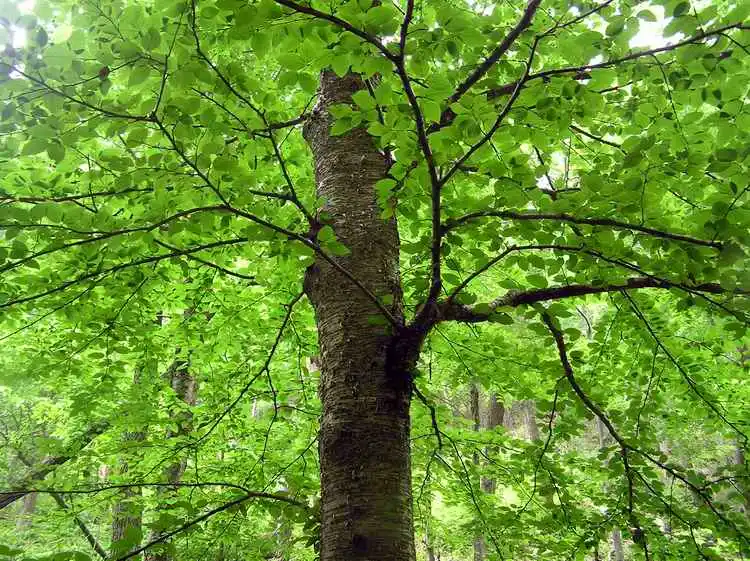
Even when shot with a bullet, the tree only shows a faint mark.
In the natural world, many miracles occur that leave people amazed. The tree described below is one such example. It is called iron birch or black birch (Betula schmidtii), and it is also known as the “king of wood.”
Iron birch is widely distributed in Primorsky Krai, Russia. It is also known as Schmidt birch, named in honor of the Russian scientist who first discovered and studied this tree.
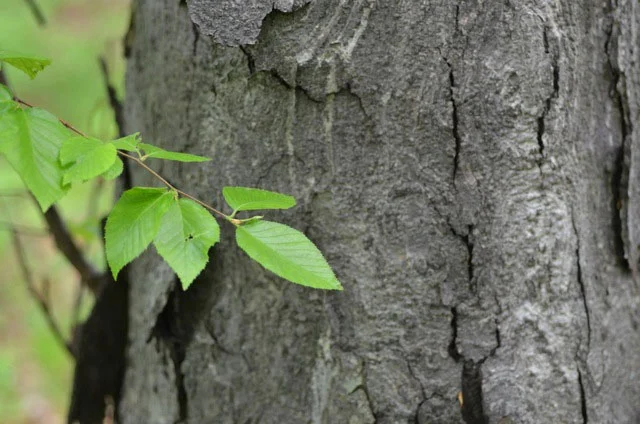
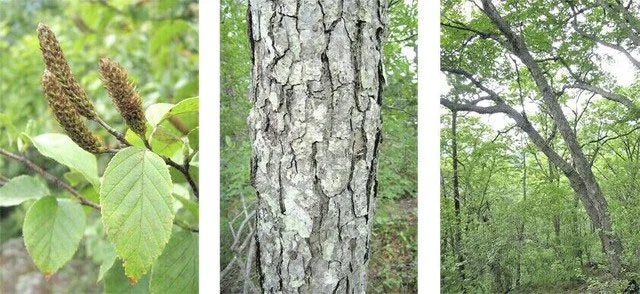
Black birch is a precious hardwood species. Mature trees can reach a diameter of about 0.7 meters and a height of around 20 meters. The outer bark of the trunk is bright red or dark brown to black, often marked with white spots. The leaves are short and oval in shape. Black birch typically grows in mountainous areas at elevations above 700 meters above sea level. Its average lifespan ranges from 300 to 350 years. The tree prefers sunlight and has strong resistance to cold and drought. Black birch is found on Honshu Island in Japan, in northern Korea, as well as in Russia and China.
The most remarkable feature of black birch is that its wood is considered one of the hardest in the world—about four times harder than acacia wood and twice as hard as steel. When something is used to knock on its trunk, it produces a “dang dang” sound, similar to striking metal. In addition, black birch wood is extremely difficult to cut with a knife. In fact, it is even capable of resisting bullets: when shot, a bullet striking the tree leaves only a faint mark and does not penetrate. Moreover, even when the trunk is submerged in water, it remains very dry for a long time because water cannot easily penetrate the wood. So why is this wood so hard?
The reason lies in the unique growth mechanism of iron birch. According to experts, iron birch possesses a special growth system that continuously absorbs nutrients, carbon dioxide, and water. Through complex biochemical processes, these substances are gradually condensed and compressed into dense wood fibers in the trunk and branches. Over time, this accumulation makes the wood of iron birch exceptionally hard.
In addition, the growing environment of iron birch plays an important role in making it the “king of trees.” The tree often grows in temperate regions with long winters and poor soil conditions. To survive in such harsh environments, iron birch must adapt by efficiently accumulating and utilizing limited nutrients. This adaptation process causes the wood fibers to become extremely compact and strong.
Scientific research shows that iron birch wood fibers are rich in lignin and cellulose. These components form a structure similar to composite materials under high-pressure conditions, giving the wood its extraordinary stiffness and strength.
Due to its extreme hardness, black birch wood has been used to manufacture aircraft components, automotive parts, ships, pipes, and other industrial products. It has even been used as a substitute for steel and is therefore very expensive. In the past, black birch was used to make balls and bearings and was applied in high-speed trains because of its resistance to water absorption and rust, achieving excellent results.
Black birch is not only a rare hardwood but also a valuable medicinal plant. Extracts made from its leaves and stems can be used to treat edema, swelling, gout, and rheumatism. The tree can also be used externally to help treat eczema, wounds, hair loss, acne, and other skin conditions.
At present, due to overexploitation and its slow growth rate, the number of black birch trees is decreasing rapidly. As a result, it has been listed as an endangered species and is now a plant that requires protection.
Source: https://scienceinfo.net/strange-tree-known-as-king-of-wood-harder-than-steel-bulletproof.html (adapted)
WORD BANK:
bullet /ˈbʊl.ɪt/ (n): viên đạn
miracle /ˈmɪr.ə.kəl/ (n): phép màu
amaze /əˈmeɪz/ (v): làm kinh ngạc
birch /bɝːtʃ/ (n): cây bạch dương
distribute /dɪˈstrɪb.juːt/ [B2] (v): phân phối
in honor of sb /ɪn ˈɑː.nɚ əv/ (phr): để tôn vinh ai
precious /ˈpreʃ.əs/ [B1] (adj): quý giá
diameter /daɪˈæm.ə.t̬ɚ/ (n): đường kính
bark /bɑːrk/ (n): vỏ cây
trunk /trʌŋk/ (n): thân cây
marked with sth /mɑːrkt wɪð/ (adj): được đánh dấu bằng cái gì
spot /spɑːt/ (n): đốm
elevation /ˌel.əˈveɪ.ʃən/ (n): độ cao
lifespan /ˈlaɪf.spæn/ (n): tuổi thọ
resist sth /rɪˈzɪst/ (v): chống lại
resistance to sth /rɪˈzɪs.təns tuː/ (n): sự kháng lại
drought /draʊt/ (n): hạn hán
acacia wood /əˈkeɪ.ʃə wʊd/ (n): gỗ keo
striking /ˈstraɪ.kɪŋ/ (adj): nổi bật
faint /feɪnt/ (adj): mờ
a faint mark /ə feɪnt mɑːrk/ (n): dấu mờ
penetrate /ˈpen.ə.treɪt/ (v): xuyên qua
submerge /səbˈmɝːdʒ/ (v): nhấn chìm
mechanism /ˈmek.ə.nɪ.zəm/ (n): cơ chế
absorb sth /əbˈzɔːrb/ (v): hấp thụ
biochemical /ˌbaɪ.oʊˈkem.ɪ.kəl/ (adj): thuộc sinh hóa
substance /ˈsʌb.stəns/ [B2] (n): chất
condense /kənˈdens/ (v): ngưng tụ
compress /kəmˈpres/ (v): nén
fiber /ˈfaɪ.bɚ/ (n): sợi
exceptionally /ɪkˈsep.ʃən.əl.i/ (adv): đặc biệt
temperate /ˈtem.pɚ.ət/ (adj): ôn đới
adapt /əˈdæpt/ [B2] (v): thích nghi
utilize sth /ˈjuː.t̬əl.aɪz/ (v): tận dụng
compact /ˈkɑːm.pækt/ (adj): chặt, đặc
lignin /ˈlɪɡ.nɪn/ (n): lignin (chất gỗ)
cellulose /ˈsel.jə.loʊs/ (n): xenlulo
component /kəmˈpoʊ.nənt/ [B2] (n): thành phần
composite /kəmˈpɑː.zɪt/ (n): vật liệu tổng hợp
stiffness /ˈstɪf.nəs/ (n): độ cứng
elastic /ɪˈlæs.tɪk/ (adj): đàn hồi
rebound force /ˈriː.baʊnd fɔːrs/ (n): lực bật lại
deformation /ˌdiː.fɔːrˈmeɪ.ʃən/ (n): sự biến dạng
subject sb/sth to sth /ˈsʌb.dʒekt tuː/ (v): khiến ai/cái gì chịu
attribute sth to sth /əˈtrɪb.juːt tuː/ (v): quy cho
density /ˈden.sə.t̬i/ (n): mật độ
the brink of sth /ðə brɪŋk əv/ (n): bờ vực gì đó
automotive /ˌɔː.t̬əˈmoʊ.tɪv/ (adj): thuộc ô tô
a substitute for sth /ə ˈsʌb.stə.tuːt fɔːr/ (n): vật thay thế
ball /bɔːl/ (n): viên bi
bearings /ˈber.ɪŋz/ (n): ổ bi
rust /rʌst/ (n): gỉ sét
medicinal plant /məˈdɪs.ən.əl plænt/ (n): cây thuốc
extract /ɪkˈstrækt/ (v): chiết xuất
edema /ɪˈdiː.mə/ (n): phù nề
swelling /ˈswel.ɪŋ/ (n): sự sưng
rheumatism /ˈruː.mə.tɪ.zəm/ (n): bệnh thấp khớp
acne /ˈæk.ni/ (n): mụn trứng cá
ỦNG HỘ READ TO LEAD!
Chào bạn! Có thể bạn chưa biết, Read to Lead là một trang giáo dục phi lợi nhuận với mục đích góp phần phát triển cộng đồng người học tiếng Anh tại Việt Nam. Chúng tôi không yêu cầu người đọc phải trả bất kỳ chi phí nào để sử dụng các sản phẩm của mình để mọi người đều có cơ hội học tập tốt hơn. Tuy nhiên, nếu bạn có thể, chúng tôi mong nhận được sự hỗ trợ tài chính từ bạn để duy trì hoạt động của trang và phát triển các sản phẩm mới.
Bạn có thể ủng hộ chúng tôi qua 1 trong 2 cách dưới đây.
– Cách 1: Chuyển tiền qua tài khoản Momo.
Số điện thoại 0947.886.865 (Chủ tài khoản: Nguyễn Tiến Trung)
Nội dung chuyển tiền: Ủng hộ Read to Lead
hoặc
– Cách 2: Chuyển tiền qua tài khoản ngân hàng.
Ngân hàng VIB chi nhánh Hải Phòng
Số tài khoản: 012704060048394 (Chủ tài khoản: Nguyễn Tiến Trung)
Nội dung chuyển tiền: Ủng hộ Read to Lead
Lớp luyện thi IELTS online
Bạn đang có nhu cầu thi chứng chỉ IELTS cho đầu vào đại học, đi du học, xin việc hay xin cư trú và đang phân vân chưa biết học ở đâu?
Nếu bạn đang tìm kiếm dịch vụ luyện thi IELTS online với giáo viên uy tín và chất lượng, cũng như học phí phải chăng, thì thầy Trung và Cô Thủy (Admin và dịch giả chính của Read to Lead) có thể là một lựa chọn phù hợp dành cho bạn.
Hãy liên hệ (nhắn tin) tới trang Facebook cá nhân của mình (https://www.facebook.com/nguyen.trung.509) để tìm hiểu về lớp học và được tư vấn cũng như được học thử nha!


