



[Reading level: B2 – Upper Intermediate]
The philosophy of viewing family as the foundation and prioritizing stability over short-term profits is believed to be the secret that has helped Japanese businesses survive for hundreds of years.
Shitenno-ji Temple in Osaka is one of Japan’s most important Buddhist structures, built in the 6th century. The structure is closely associated with the construction company Kongo Gumi, founded in 578. After nearly 1,450 years, Kongo Gumi is still operating and remains the world’s oldest business.
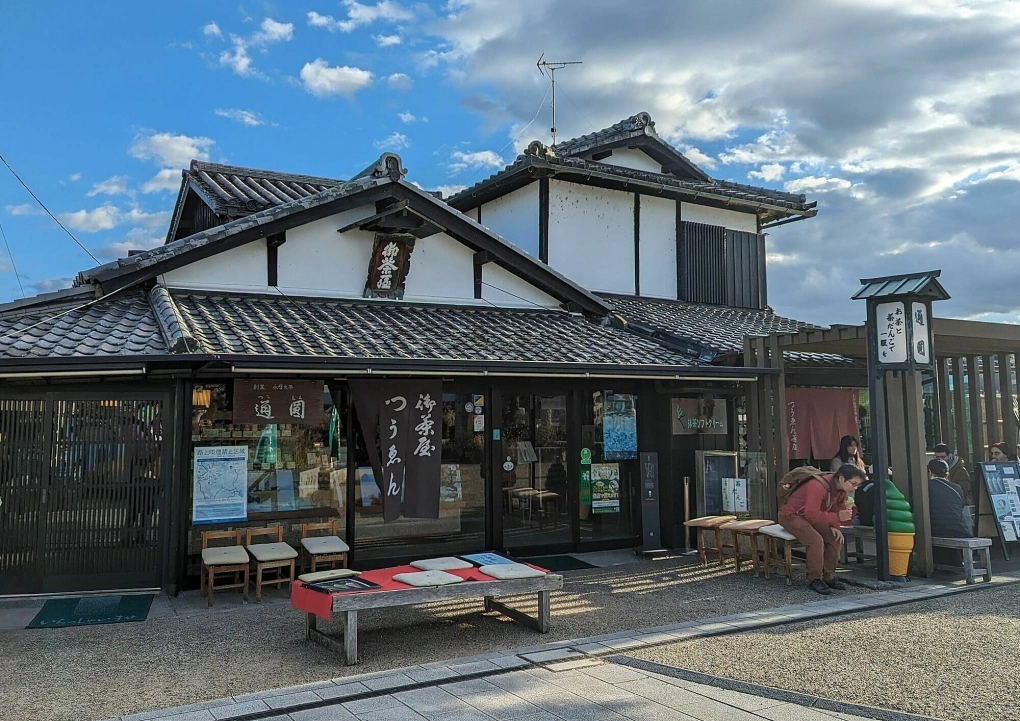
Japan is also home to many companies that are centuries old. Nishiyama Onsen Keiunkan hotel in Yamanashi has been open since 705. Tsuen Tea House in Kyoto has been serving customers since 1160.

According to Professor Toshio Goto of Japan University of Economics, the country has more than 52,000 businesses that are over 100 years old. Among them, 1,938 have existed for more than 500 years, and 21 companies have been operating for over 1,000 years. A study by the Bank of Korea on 5,586 businesses that are more than 200 years old found that 56% of them are located in Japan. This figure far exceeds the average lifespan (under 18 years) of the 500 largest companies listed on the US stock market (the S&P 500 group).
The group of Japanese businesses with histories of over 100 years is called shinise, referring to values accumulated through many generations. Most shinise are family-owned. Ms. Masako Eguchi-Bacon, director of the investment consulting company Oceanbridge Management (headquartered in the UK), said that the concept of family influences Japanese businesses of every scale.
In management culture, the concept of ie (home/household) plays the role of preserving the family name. Under this way of thinking, decisions focus on maintaining core values rather than pursuing short-term goals. Stability and continuity are placed above profits. Many companies maintain enough cash reserves to operate for two years without revenue. This long-term vision helps shinise survive natural disasters, wars, and pandemics.
Starting from small-scale operations, many companies have grown into large corporations. Nintendo was founded in 1889 and initially produced playing cards. Suntory began as a liquor store in Osaka in 1899. These businesses maintain a balance between caution and flexibility. They adapt to fit the times while expanding within the framework of their original core values.
The challenge facing traditional businesses today is the lack of successors. To solve this problem, many families adopt heirs to take over the family business. This model has appeared at corporations such as Panasonic and Toyota. At Suzuki, Mr. Osamu Suzuki was the fourth consecutive adopted heir to inherit the leadership position.
The tradition of prioritizing men as successors is also changing. Ms. Masako said that this role is gradually being entrusted to women. However, the issue of succession is becoming more difficult amid an aging population, with 10% of Japanese people being over 80 years old. Finding suitable personnel has become increasingly challenging.
On the other side, the attitude of the younger generation is changing. Instead of feeling pressured to follow a predetermined path, they are becoming more proactive in choosing whether to take over the family business. At present, entrepreneurial thinking is being integrated into the family-business model, helping the next generation preserve the family legacy.
Source: https://vnexpress.net/giai-ma-52-000-doanh-nghiep-tram-tuoi-tai-nhat-ban-5061442.html
WORD BANK:
philosophy /fəˈlɑː.sə.fi/ [B2] (n): triết lý
prioritize sth over sth /praɪˈɔːr.ə.taɪz/ [C1] (v): ưu tiên cái gì hơn cái gì
Buddhist /ˈbʊd.ɪst/ (adj,n): thuộc Phật giáo; Phật tử
far exceed sth /ɪkˈsiːd/ (v): vượt xa cái gì
average lifespan /ˈæv.ɚ.ɪdʒ ˈlaɪf.spæn/ (n): tuổi thọ trung bình
stock market /ˈstɑːk ˌmɑːr.kɪt/ (n): thị trường chứng khoán
refer to sth /rɪˈfɝː/ [B1] (v): đề cập tới cái gì
accumulate /əˈkjuː.mjə.leɪt/ [C1] (v): tích lũy
consulting company /kənˈsʌl.t̬ɪŋ ˈkʌm.pə.ni/ (n): công ty tư vấn
headquartered in somewhere /ˌhedˈkwɔːr.t̬ɚd/ (adj): đặt trụ sở tại đâu
concept /ˈkɑːn.sept/ [B2] (n): khái niệm
continuity /ˌkɑːn.t̬əˈnuː.ə.t̬i/ [C1] (n): tính liên tục; sự kế thừa
cash reserves /ˈkæʃ rɪˈzɝːvz/ (n): dự trữ tiền mặt
revenue /ˈrev.ə.nuː/ [B2] (n): doanh thu
pandemic /pænˈdem.ɪk/ [B2] (n): đại dịch
corporation /ˌkɔːr.pəˈreɪ.ʃən/ [B2] (n): tập đoàn
initially /ɪˈnɪʃ.ə.li/ [B2] (adv): ban đầu
liquor /ˈlɪk.ɚ/ (n): rượu mạnh; đồ uống có cồn
caution /ˈkɑː.ʃən/ [B2] (n): sự thận trọng
flexibility /ˌflek.səˈbɪl.ə.t̬i/ [C1] (n): tính linh hoạt
adapt /əˈdæpt/ [B2] (v): thích nghi
fit the times /fɪt ðə taɪmz/ (v): phù hợp với thời đại
successor /səkˈses.ɚ/ [C1] (n): người kế nhiệm
succession /səkˈseʃ.ən/ [C1] (n): sự kế nhiệm
adopt sb /əˈdɑːpt/ [B2] (v): nhận nuôi ai đó
heir /er/ [C2] (n): người thừa kế
take over /teɪk ˈoʊ.vɚ/ [B1] (v): tiếp quản
consecutive /kənˈsek.jə.t̬ɪv/ [C1] (adj): liên tiếp
inherit /ɪnˈher.ɪt/ [B2] (v): thừa kế
entrust sth to sb /ɪnˈtrʌst/ [C2] (v): giao phó cái gì cho ai
personnel /ˌpɝː.sənˈel/ [C1] (n): nhân sự
attitude /ˈæt̬.ə.tuːd/ [B1] (n): thái độ
predetermined /ˌpriː.dɪˈtɝːmɪnd/ (adj): được định sẵn
path /pæθ/ [B1] (n): con đường; lộ trình
proactive /ˌproʊˈæk.tɪv/ [C1] (adj): chủ động
entrepreneurial thinking /ˌɑːn.trə.prəˈnɝː.i.əl ˈθɪŋ.kɪŋ/ (n): tư duy khởi nghiệp
integrate sth into sth /ˈɪn.t̬ə.ɡreɪt/ [B2] (v): tích hợp cái gì vào cái gì
legacy /ˈleɡ.ə.si/ [C1] (n): di sản
ỦNG HỘ READ TO LEAD!
Chào bạn! Có thể bạn chưa biết, Read to Lead là một trang giáo dục phi lợi nhuận với mục đích góp phần phát triển cộng đồng người học tiếng Anh tại Việt Nam. Chúng tôi không yêu cầu người đọc phải trả bất kỳ chi phí nào để sử dụng các sản phẩm của mình để mọi người đều có cơ hội học tập tốt hơn. Tuy nhiên, nếu bạn có thể, chúng tôi mong nhận được sự hỗ trợ tài chính từ bạn để duy trì hoạt động của trang và phát triển các sản phẩm mới.
Bạn có thể ủng hộ chúng tôi qua 1 trong 2 cách dưới đây.
– Cách 1: Chuyển tiền qua tài khoản Momo.
Số điện thoại 0947.886.865 (Chủ tài khoản: Nguyễn Tiến Trung)
Nội dung chuyển tiền: Ủng hộ Read to Lead
hoặc
– Cách 2: Chuyển tiền qua tài khoản ngân hàng.
Ngân hàng VIB chi nhánh Hải Phòng
Số tài khoản: 012704060048394 (Chủ tài khoản: Nguyễn Tiến Trung)
Nội dung chuyển tiền: Ủng hộ Read to Lead
Lớp luyện thi IELTS online
Bạn đang có nhu cầu thi chứng chỉ IELTS cho đầu vào đại học, đi du học, xin việc hay xin cư trú và đang phân vân chưa biết học ở đâu?
Nếu bạn đang tìm kiếm dịch vụ luyện thi IELTS online với giáo viên uy tín và chất lượng, cũng như học phí phải chăng, thì thầy Trung và Cô Thủy (Admin và dịch giả chính của Read to Lead) có thể là một lựa chọn phù hợp dành cho bạn.
Hãy liên hệ (nhắn tin) tới trang Facebook cá nhân của mình (https://www.facebook.com/nguyen.trung.509) để tìm hiểu về lớp học và được tư vấn cũng như được học thử nha!


