


[Reading level: C1 – Advanced]
From an accidental discovery, scientists created a highly resistant chemical that has been used in everything from the project to build the atomic bomb to everyday kitchens.
A mysterious white powder
On April 6, 1938, at the Jackson Laboratory of the chemical company DuPont in New Jersey, the United States, chemist Roy Plunkett and his colleagues were researching a new type of refrigerant.
When they opened the valve of a metal cylinder containing tetrafluoroethylene (TFE) gas, no gas came out. Strangely, the cylinder was still heavy, as if there were something inside. The research team decided to saw it open and discovered a layer of slippery white powder coating its inner walls.
Plunkett continued his experiments and realised that the TFE gas had combined by itself into long molecular chains, creating a new polymer called polytetrafluoroethylene, or PTFE for short. This material later became widely known by its trade name, Teflon.
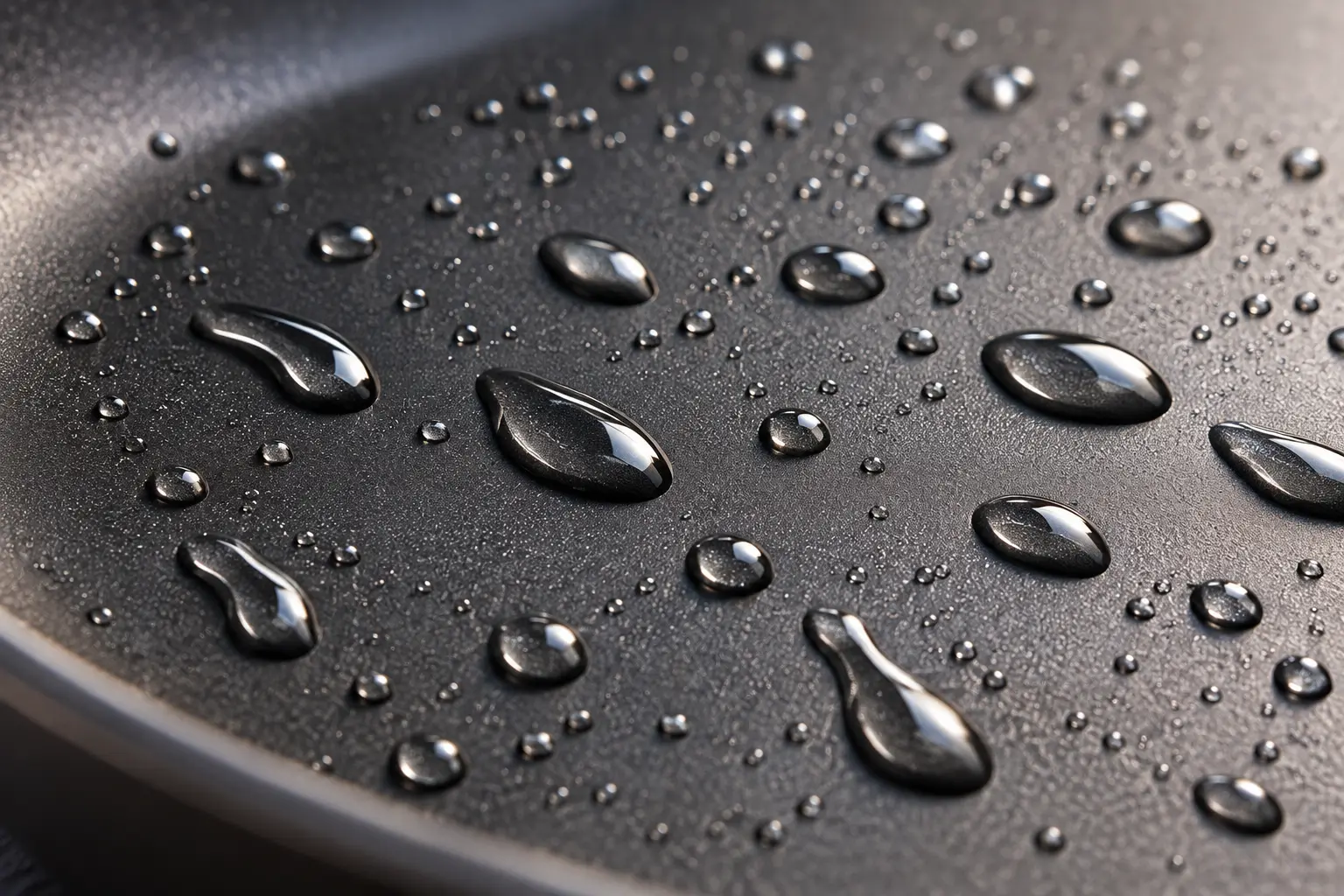
PTFE had almost ideal properties. It could withstand high temperatures, did not easily react with chemicals, repelled water and oil, and had an extremely low coefficient of friction. Put simply, almost nothing could stick to it.
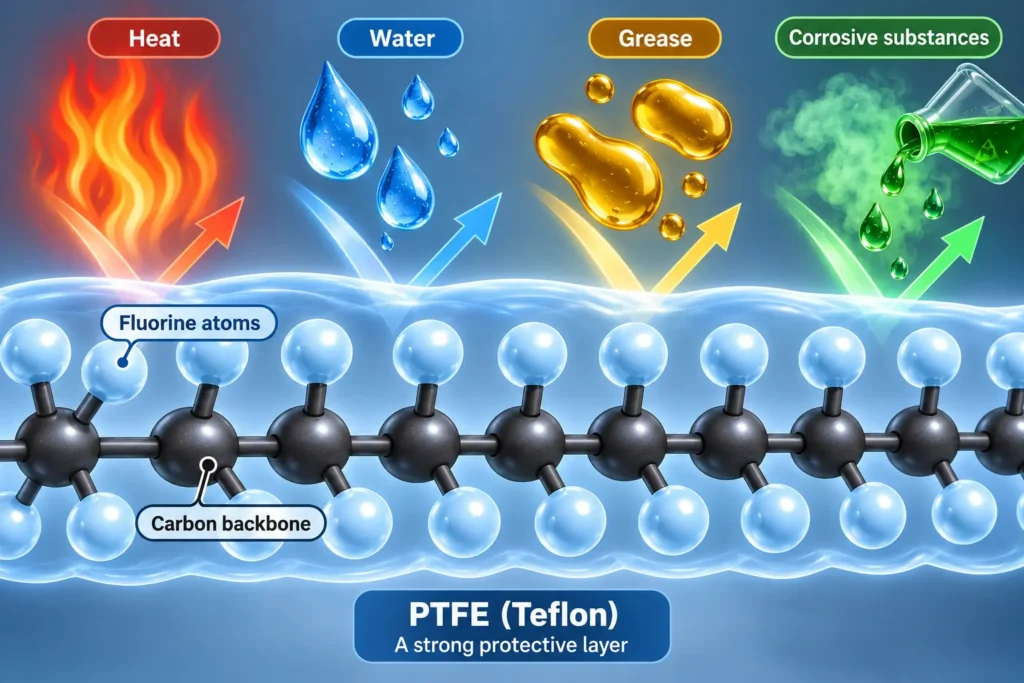
The secret lay in the bond between carbon and fluorine atoms. This is one of the strongest single bonds in organic chemistry. In the structure of PTFE, fluorine atoms surround the carbon backbone, creating an extremely strong protective layer. This structure enables the material to resist heat, water, grease, and many corrosive substances.
However, when PTFE was first discovered, it was too expensive to produce and had no clear commercial application. It might have been forgotten if the Second World War had not broken out.
From the atomic bomb to the kitchen
During the Manhattan Project to build the atomic bomb, the United States needed to enrich uranium by increasing the proportion of the uranium-235 isotope. One method involved converting uranium into uranium hexafluoride (UF₆) and then passing this compound through an enormous system of pipes and diffusion barriers.
The problem was that UF₆ was highly corrosive. It could destroy components made from ordinary metals or rubber, causing radioactive material to leak and threatening workers’ lives.
Engineers realised that PTFE was exactly the solution they needed. The material was used to make seals and valve packings and to protect the piping system at the K-25 plant in Oak Ridge. The vast resources of the military project helped DuPont develop the technology to manufacture PTFE on an industrial scale.
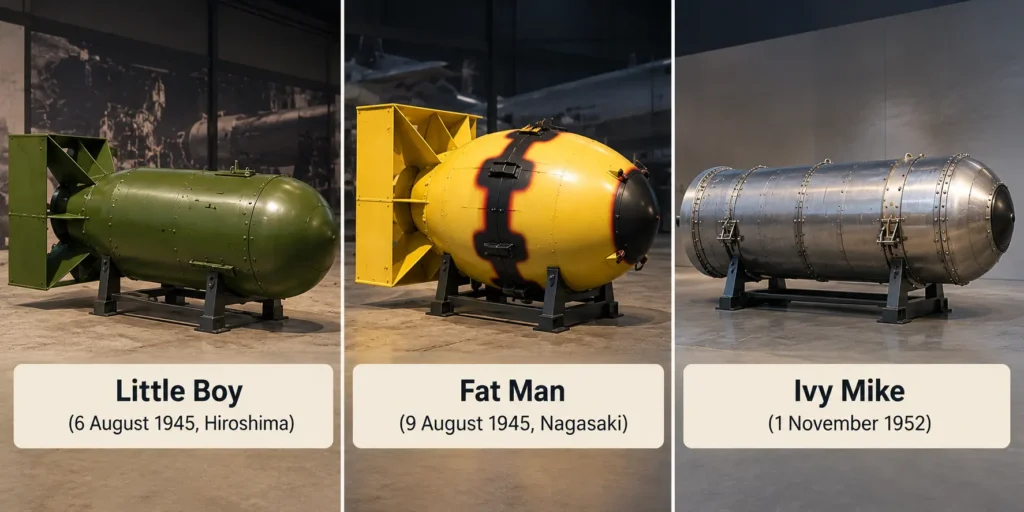
After the war, the material that had once served the atomic bomb programme began to enter civilian life. It was used to protect chemical pumps, insulate electrical wires, and manufacture a wide range of industrial equipment.
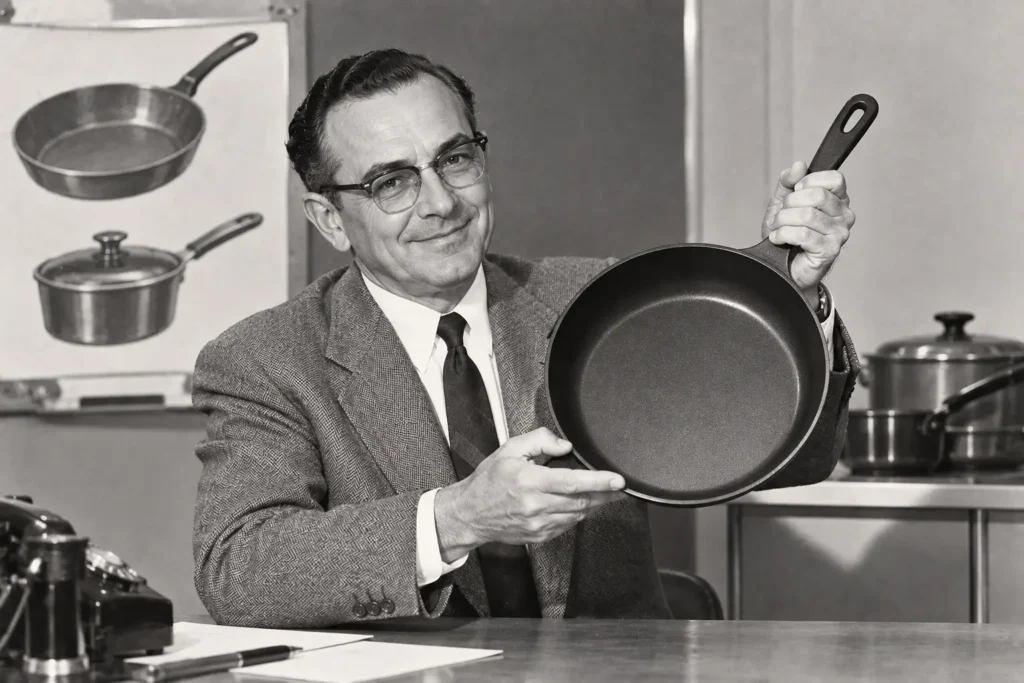
By the 1950s, Teflon coatings had appeared on cookware. In 1957, inventor Marion Trozzolo created the first Teflon-coated cast-iron frying pan in the United States and began selling it commercially in 1961. Non-stick pans quickly became familiar objects in millions of kitchens.
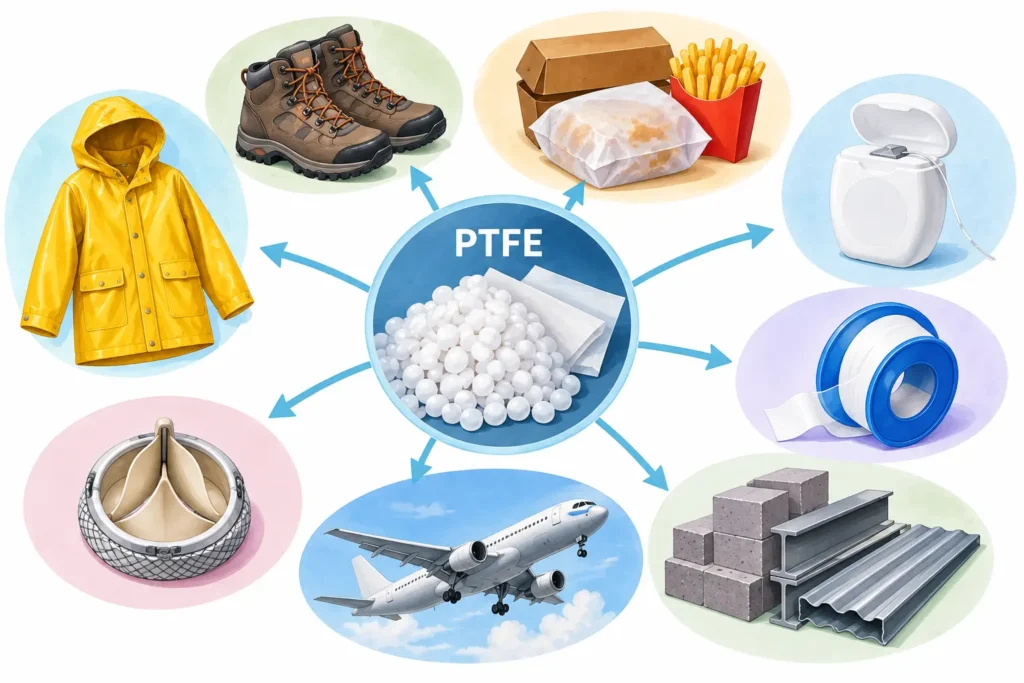
From there, fluorinated materials spread into many other fields. One form of PTFE was used to create Gore-Tex, a breathable, waterproof fabric commonly found in raincoats and hiking boots. Similar compounds also appeared in grease-resistant food packaging, dental floss, thread-seal tape, construction materials, aerospace equipment, and artificial heart valves.
When an advantage becomes a danger
The success of Teflon helped drive the development of a larger group of chemicals known as PFAS—per- and polyfluoroalkyl substances. This group includes thousands of compounds designed to resist water, grease, stains, or heat.
Like PTFE, PFAS rely on extremely strong carbon–fluorine bonds. Some have a structure that allows them to attach to the surface of a material while creating an outer layer that repels water and oil. This makes them useful in a wide variety of consumer products.
However, this remarkable durability is also the source of the problem. PFAS are extremely difficult to break down through light, heat, microorganisms, or natural processes. They can remain in the environment for many years, travel through groundwater, enter the food chain, and accumulate in living organisms. For this reason, they are known as “forever chemicals.”
A 2015 study detected certain types of PFAS in the blood of 97% of Americans. Long-term exposure to some compounds in this group has been linked to reduced fertility, developmental problems in children, effects on the immune system, and an increased risk of certain cancers.
These risks were concealed for many years. A lawsuit initiated by lawyer Robert Bilott in 1999 uncovered internal documents showing that DuPont and 3M had known about the toxicity of PFOA—a type of PFAS once used in the production of Teflon—but had failed to report the information fully to the authorities. DuPont later paid $671 million to settle more than 3,500 related lawsuits.
A material that is difficult to replace
Today, many countries are tightening restrictions on the use of PFAS. The United States has set very low limits for certain compounds in drinking water, while the European Union is considering restrictions on thousands of PFAS chemicals. Exemptions would be granted only for truly essential applications, such as medical devices or semiconductors for which no suitable alternative is available.
Even so, it is important to distinguish PTFE in finished products from some smaller PFAS molecules. PTFE consists of large molecules that are generally difficult for the body to absorb. Manufacturers therefore argue that Teflon should be regarded as a “polymer of low concern.”
Environmental scientists, however, argue that a product should not be assessed only while it is being used. The material’s entire life cycle—from production and factory emissions to its disposal and eventual breakdown into microplastics—may create risks.
Source: tiasang.com.vn
WORD BANK:
accidental /ˌæk.səˈden.t̬əl/ [B2] (adj): tình cờ, vô tình
highly resistant /ˈhaɪ.li rɪˈzɪs.tənt/ (adj): có khả năng chống chịu rất cao
atomic bomb /əˈtɑː.mɪk bɑːm/ (n): bom nguyên tử
chemist /ˈkem.ɪst/ [B2] (n): nhà hóa học
colleague /ˈkɑː.liːɡ/ [B1] (n): đồng nghiệp
refrigerant /rɪˈfrɪdʒ.ɚ.ənt/ (n): chất làm lạnh
valve /vælv/ (n): van
metal /ˈmet̬.əl/ [B1] (n): kim loại
cylinder /ˈsɪl.ɪn.dɚ/ [B2] (n): hình trụ; ống hình trụ
saw /sɑː/ (v): cưa
slippery /ˈslɪp.ɚ.i/ (adj): trơn, trơn trượt
coating /ˈkoʊ.t̬ɪŋ/ (n): lớp phủ
coated with sth /ˈkoʊ.t̬ɪd/ (adj): được phủ bằng cái gì
Teflon-coated /ˈtef.lɑːn ˌkoʊ.t̬ɪd/ (adj): được phủ Teflon
inner wall /ˌɪn.ɚ ˈwɑːl/ (n): thành trong, vách trong
experiment /ɪkˈsper.ə.mənt/ [B1] (n): thí nghiệm
molecular chain /məˈlek.jə.lɚ tʃeɪn/ (n): chuỗi phân tử
Teflon /ˈtef.lɑːn/ (n): Teflon
property /ˈprɑː.pɚ.t̬i/ [B2] (n): đặc tính, tính chất
withstand sth /wɪðˈstænd/ [C1] (v): chịu được, chống chịu được cái gì
repel sth /rɪˈpel/ (v): đẩy, chống lại cái gì, kháng cái gì
coefficient of friction /ˌkoʊ.əˈfɪʃ.ənt əv ˈfrɪk.ʃən/ (n): hệ số ma sát
put simply /ˌpʊt ˈsɪm.pli/ (phrase): nói một cách đơn giản
lie in sth /laɪ/ (v): nằm ở, nằm trong cái gì
bond /bɑːnd/ (n): liên kết
fluorine /ˈflʊr.iːn/ (n): flo
organic chemistry /ɔːrˈɡæn.ɪk ˈkem.ə.stri/ (n): hóa học hữu cơ
backbone /ˈbæk.boʊn/ (n): xương sống; mạch chính
protective layer /prəˈtek.tɪv ˈleɪ.ɚ/ (n): lớp bảo vệ
resist sth /rɪˈzɪst/ [B2] (v): chống lại, chịu được cái gì
grease /ɡriːs/ (n): dầu mỡ, chất béo
corrosive substance /kəˈroʊ.sɪv ˈsʌb.stəns/ (n): chất ăn mòn
commercial application /kəˈmɝː.ʃəl ˌæp.ləˈkeɪ.ʃən/ (n): ứng dụng thương mại
break out /breɪk aʊt/ [B2] (phr v): bùng nổ, nổ ra
enrich sth /ɪnˈrɪtʃ/ (v): làm giàu cái gì
uranium /jʊˈreɪ.ni.əm/ (n): urani
proportion /prəˈpɔːr.ʃən/ [B2] (n): tỷ lệ
isotope /ˈaɪ.sə.toʊp/ (n): đồng vị
compound /ˈkɑːm.paʊnd/ [B2] (n): hợp chất
diffusion barrier /dɪˈfjuː.ʒən ˈber.i.ɚ/ (n): màng chắn khuếch tán
component /kəmˈpoʊ.nənt/ [B2] (n): bộ phận, thành phần
ordinary /ˈɔːr.dən.er.i/ [B1] (adj): thông thường, bình thường
radioactive material /ˌreɪ.di.oʊˈæk.tɪv məˈtɪr.i.əl/ (n): vật liệu phóng xạ
leak /liːk/ [B2] (v): rò rỉ
seal /siːl/ (n): gioăng, bộ phận làm kín
valve packing /ˈvælv ˌpæk.ɪŋ/ (n): vật liệu làm kín van, gioăng chèn van
on an industrial scale /ɑːn ən ɪnˈdʌs.tri.əl skeɪl/ (phrase): ở quy mô công nghiệp
civilian life /səˈvɪl.jən laɪf/ (n): đời sống dân sự
insulate /ˈɪn.sə.leɪt/ (v): cách nhiệt, cách điện
cookware /ˈkʊk.wer/ (n): dụng cụ nấu ăn
cast-iron /ˌkæst ˈaɪ.ɚn/ (adj): làm bằng gang
frying pan /ˈfraɪ.ɪŋ pæn/ (n): chảo rán, chảo chiên
non-stick pan /ˌnɑːnˈstɪk pæn/ (n): chảo chống dính
breathable /ˈbriː.ðə.bəl/ (adj): thoáng khí
waterproof /ˈwɑː.t̬ɚ.pruːf/ [B2] (adj): chống thấm nước
fabric /ˈfæb.rɪk/ [B2] (n): vải
hiking boot /ˈhaɪ.kɪŋ buːt/ (n): giày đi bộ đường dài, giày leo núi
grease-resistant /ˈɡriːs.rɪˌzɪs.tənt/ (adj): chống dầu mỡ
dental floss /ˈden.t̬əl flɑːs/ (n): chỉ nha khoa
thread-seal tape /ˈθred.siːl teɪp/ (n): băng tan, băng keo làm kín ren
artificial /ˌɑːr.t̬əˈfɪʃ.əl/ [B2] (adj): nhân tạo
heart valve /ˈhɑːrt vælv/ (n): van tim
drive sth /draɪv/ (v): thúc đẩy cái gì
stain /steɪn/ (n): vết bẩn, vết ố
break down /breɪk daʊn/ [B2] (phr v): phân hủy
microorganism /ˌmaɪ.kroʊˈɔːr.ɡə.nɪ.zəm/ (n): vi sinh vật
food chain /ˈfuːd tʃeɪn/ (n): chuỗi thức ăn
exposure to sth /ɪkˈspoʊ.ʒɚ/ [B2] (n): sự tiếp xúc với cái gì
fertility /fɚˈtɪl.ə.t̬i/ (n): khả năng sinh sản
developmental problem /dɪˌvel.əpˈmen.t̬əl ˈprɑː.bləm/ (n): vấn đề về phát triển
immune system /ɪˈmjuːn ˌsɪs.təm/ [B2] (n): hệ miễn dịch
conceal sth /kənˈsiːl/ [C1] (v): che giấu cái gì
lawsuit /ˈlɑː.suːt/ (n): vụ kiện
initiate /ɪˈnɪʃ.i.eɪt/ [C1] (v): khởi xướng, bắt đầu
toxicity /tɑːkˈsɪs.ə.t̬i/ (n): độc tính
tighten (regulations) /ˈtaɪ.t̬ən/ [C1] (v): siết chặt (các quy định)
exemption /ɪɡˈzemp.ʃən/ (n): sự miễn trừ, ngoại lệ được miễn
grant sth to sb/sth /ɡrænt/ [B2] (v): cấp, trao cái gì cho ai/cái gì
semiconductor /ˌsem.i.kənˈdʌk.tɚ/ (n): chất bán dẫn
alternative /ɑːlˈtɝː.nə.t̬ɪv/ [B1] (n): phương án thay thế
distinguish /dɪˈstɪŋ.ɡwɪʃ/ [B2] (v): phân biệt
disposal /dɪˈspoʊ.zəl/ [C1] (n): sự xử lý, thải bỏ
microplastic /ˌmaɪ.kroʊˈplæs.tɪk/ (n): vi nhựa
ỦNG HỘ READ TO LEAD!
Chào bạn! Có thể bạn chưa biết, Read to Lead là một trang giáo dục phi lợi nhuận với mục đích góp phần phát triển cộng đồng người học tiếng Anh tại Việt Nam. Chúng tôi không yêu cầu người đọc phải trả bất kỳ chi phí nào để sử dụng các sản phẩm của mình để mọi người đều có cơ hội học tập tốt hơn. Tuy nhiên, nếu bạn có thể, chúng tôi mong nhận được sự hỗ trợ tài chính từ bạn để duy trì hoạt động của trang và phát triển các sản phẩm mới.
Bạn có thể ủng hộ chúng tôi qua 1 trong 2 cách dưới đây.
– Cách 1: Chuyển tiền qua tài khoản Momo.
Số điện thoại 0947.886.865 (Chủ tài khoản: Nguyễn Tiến Trung)
Nội dung chuyển tiền: Ủng hộ Read to Lead
hoặc
– Cách 2: Chuyển tiền qua tài khoản ngân hàng.
Ngân hàng VIB chi nhánh Hải Phòng
Số tài khoản: 012704060048394 (Chủ tài khoản: Nguyễn Tiến Trung)
Nội dung chuyển tiền: Ủng hộ Read to Lead
Lớp luyện thi IELTS online
Bạn đang có nhu cầu thi chứng chỉ IELTS cho đầu vào đại học, đi du học, xin việc hay xin cư trú và đang phân vân chưa biết học ở đâu?
Nếu bạn đang tìm kiếm dịch vụ luyện thi IELTS online với giáo viên uy tín và chất lượng, cũng như học phí phải chăng, thì lớp học online của thầy Trung (Admin và dịch giả chính của Read to Lead) có thể là một lựa chọn phù hợp dành cho bạn.
Hãy liên hệ (nhắn tin) tới trang Facebook cá nhân của mình (https://www.facebook.com/nguyen.trung.509) để tìm hiểu về lớp học và được tư vấn cũng như được học thử nha!


