


[Reading level: B2 – Upper Intermediate]
Looking at photographs of Vietnam taken in the 1970s and early 1980s, one can easily see a scene very different from that of today. The streets were wide and quiet, with almost no privately owned cars and only a few bicycles appearing from time to time. In major cities, bicycles gradually became the main means of transport, but owning a good one was still beyond the reach of many families.
At that time, bicycles were not used only for going to school or work. A bicycle could be the most valuable possession in the household and was looked after as carefully as a motorbike or car is today. Depending on the period, brand and way it was purchased, a bicycle could be worth between half a tael and a full tael of gold. A Thong Nhat bicycle was already considered a valuable item, while French Peugeot, Chinese Phoenix and Czechoslovak Favorit bicycles were even clearer signs of their owners’ financial circumstances.
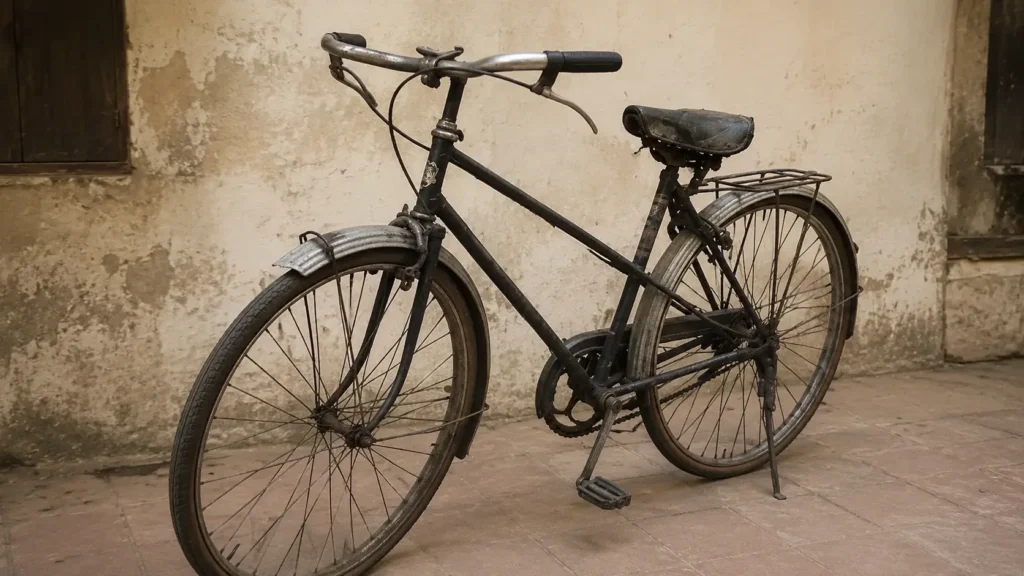

A single bicycle usually served the whole family. In the morning, the father might ride it to work; at noon, the mother would use it to buy food; and in the afternoon, the child would take it to school. When necessary, people could carry all kinds of things on their bicycles, from rice, firewood and vegetables to pigs, chickens and bulky objects. The bicycle was both a means of transport and a tool for earning a living.
However, under the centrally planned subsidy system, having money did not necessarily mean that one could buy a bicycle. Many goods were distributed through workplaces, state-run shops and the ration-coupon system. Bicycles were among them. Each time a workplace received a limited number of bicycles, its employees had to be considered or entered into a draw to decide who would be allowed to buy one.
Those who received a bicycle were usually also given a booklet for purchasing spare parts, containing coupons for chains, freewheels, inner tubes and tyres. However, these items were also extremely scarce. As a result, punctured inner tubes were patched again and again, stretched chains were removed and repaired, and even worn tyres could not simply be thrown away. This scarcity gave rise to many repair services that young people today might find very strange.
One of these was the job of resizing bicycle tyres. At the time, bicycle tyres came in different sizes, but the correct size was not always available. For example, some 680-mm tyres used on Soviet bicycles did not fit the commonly used 650-mm rims. The repairer had to cut the steel bead around the edge of the tyre, shorten it and then reconnect it so that the tyre would fit tightly around the rim. The work required great precision because, if it was done unevenly, the tyre could become misshapen or come off the rim.
In addition to resizing tyres, there were also services for pressing and retreading tyres and reversing worn bicycle chains. Parts that seemed to be beyond repair were restored so that they could remain in use for several more months. Bicycle repair shops at the time were often little more than a corner of the pavement equipped with a pump, a basin of water, a few spanners and a box containing pieces of rubber cut from old inner tubes. Signs advertising “inner-tube repairs,” “chain reversing” and “tyre resizing” were once very familiar, but they have now almost completely disappeared.
Following the Đổi Mới reforms of 1986, goods gradually began to circulate more freely. Many imported bicycles and spare parts appeared on the market. Buying a bicycle no longer depended on distribution quotas, but it was also at this point that the bicycle’s position began to be threatened by the motorbike.
During the 1990s, Honda Cubs, Dreams, Minsks and Simsons became increasingly common. Motorbikes allowed people to travel faster and farther and carry more goods without using much physical effort. As incomes rose and motorbikes became easier to purchase, the sound of bicycle bells in the streets was gradually replaced by the roar of engines. Motorbikes were later joined by growing numbers of privately owned cars, making it increasingly difficult for conventional bicycles to compete as a means of daily transport.

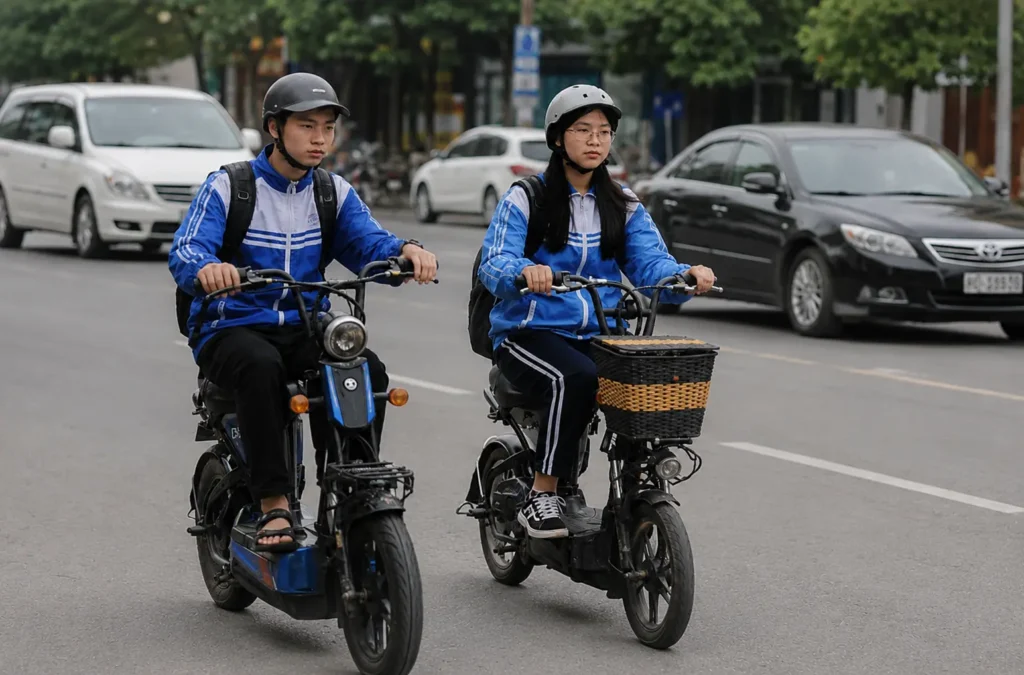
However, the two-wheeled vehicle did not disappear completely; it merely changed its form. From the early 2000s, electric bicycles began to become popular, particularly among students and older people. They were followed by electric motorbikes, whose speed, design and passenger-carrying capacity were similar to those of petrol-powered motorbikes. As air pollution became a growing concern, electric vehicles increasingly came to be seen as part of the trend towards green transport.
Today, conventional bicycles are rarely seen on busy streets. When they do appear, they often take a different form: sports bicycles. In the early morning or at weekends, groups of people can be seen riding mountain bikes or road bikes to improve their fitness, meet friends and explore new routes.

A good sports bicycle can cost tens or even hundreds of millions of dong. Interestingly, the bicycle has once again become a valuable possession, just as it was several decades ago. However, while bicycles during the subsidy period were precious because they were scarce and essential, modern bicycles are often expensive because of their lightweight materials, advanced technology and their owners’ passion for cycling.
The bicycle’s journey in Vietnam therefore resembles the turning of its own wheels. From a luxury item, it became a common means of transport, before being pushed off the streets by motorbikes and cars and eventually returning as a piece of sports equipment and a green transport option. Looking back at the story of the bicycle also means looking back at Vietnam’s transformation: from scarcity to abundance and from quiet, empty roads to the crowded streams of traffic seen today.
WORD BANK:
beyond the reach of sb /bɪˈjɑːnd ðə riːtʃ əv/ (phrase): ngoài khả năng của ai
possession /pəˈzeʃ.ən/ [B2] (n): tài sản; vật sở hữu
purchase /ˈpɝː.tʃəs/ [B2] (v, n): mua; sự mua hàng
a tael of gold /ə teɪl əv ɡoʊld/ (phrase): một lạng vàng; một cây vàng
financial circumstance /faɪˈnæn.ʃəl ˈsɝː.kəm.stæns/ (n): hoàn cảnh tài chính
firewood /ˈfaɪr.wʊd/ (n): củi
bulky /ˈbʌl.ki/ [C1] (adj): cồng kềnh
earn a living /ɝːn ə ˈlɪv.ɪŋ/ [B2] (phrase): kiếm sống
the centrally planned subsidy system (n): hệ thống kinh tế kế hoạch hóa tập trung bao cấp, hệ thống bao cấp
necessarily /ˌnes.əˈser.əl.i/ [B2] (adv): nhất thiết; tất yếu
distribute sth /dɪˈstrɪb.juːt/ [B2] (v): phân phối cái gì
state-run shop /ˌsteɪtˈrʌn ʃɑːp/ (n): cửa hàng mậu dịch; cửa hàng do nhà nước quản lý
ration /ˈræʃ.ən/ (n, v): khẩu phần; phân phối theo định mức
the ration-coupon system /ðə ˈræʃ.ən ˌkuː.pɑːn ˌsɪs.təm/ (n): hệ thống tem phiếu
draw /drɔː/ [B2] (n): cuộc bốc thăm
booklet /ˈbʊk.lət/ [B2] (n): cuốn sổ nhỏ; tập sách mỏng
spare part /ˈsper ˌpɑːrt/ [B2] (n): phụ tùng thay thế
coupon /ˈkuː.pɑːn/ (n): phiếu mua hàng; tem phiếu
chain /tʃeɪn/ [B1] (n): xích
freewheel /ˈfriː.wiːl/ (n): líp xe đạp
inner tube /ˈɪn.ɚ ˌtuːb/ (n): săm xe
scarce /skers/ [C1] (adj): khan hiếm
puncture /ˈpʌŋk.tʃɚ/ (n, v): lỗ thủng; làm thủng
patch sth /pætʃ/ [B2] (v): vá cái gì
stretched /stretʃt/ (adj): bị giãn; bị dão
scarcity /ˈsker.sə.t̬i/ [C1] (n): sự khan hiếm
rim /rɪm/ (n): vành xe
steel bead /ˈstiːl ˌbiːd/ (n): tanh thép; vòng thép ở mép lốp
edge /edʒ/ [B1] (n): mép; rìa
precision /prɪˈsɪʒ.ən/ [C1] (n): độ chính xác; sự chính xác
unevenly /ʌnˈiː.vən.li/ (adv): không đều
misshapen /ˌmɪsˈʃeɪ.pən/ (adj): méo mó; biến dạng
pressing /ˈpres.ɪŋ/ (n): việc ép; công đoạn ép
retread sth /ˌriːˈtred/ (v): đắp lại bề mặt lốp
reverse sth /rɪˈvɝːs/ [B2] (v): đảo ngược; lộn lại
worn /wɔːrn/ [B2] (adj): bị mòn; cũ vì sử dụng nhiều
beyond repair /bɪˈjɑːnd rɪˈper/ (phrase): hỏng đến mức không thể sửa được
corner /ˈkɔːr.nɚ/ [A2] (n): góc
pavement /ˈpeɪv.mənt/ [B1] (n): vỉa hè
pump /pʌmp/ [B1] (n): cái bơm
basin /ˈbeɪ.sən/ (n): chậu
spanner /ˈspæn.ɚ/ (n): cờ lê
circulate /ˈsɝː.kjə.leɪt/ [C1] (v): lưu thông; luân chuyển
distribution quota /ˌdɪs.trəˈbjuː.ʃən ˈkwoʊ.t̬ə/ (n): hạn ngạch phân phối; chỉ tiêu phân phối
threaten sb/sth /ˈθret.ən/ [B2] (v): đe dọa ai/cái gì
passenger-carrying capacity /ˈpæs.ən.dʒɚ ˌker.i.ɪŋ kəˈpæs.ə.t̬i/ (n): khả năng chở hành khách
petrol-powered /ˈpet.rəl ˌpaʊ.ɚd/ (adj): chạy bằng xăng
conventional /kənˈven.ʃən.əl/ [B2] (adj): thông thường; truyền thống
precious /ˈpreʃ.əs/ [B2] (adj): quý giá
lightweight /ˈlaɪt.weɪt/ (adj): nhẹ; có trọng lượng nhẹ
a passion for sth /ə ˈpæʃ.ən fɔːr/ [B2] (phrase): niềm đam mê đối với cái gì
resemble sb/sth /rɪˈzem.bəl/ [B2] (v): giống ai/cái gì
push sb/sth off sth /pʊʃ ɑːf/ (phr v): đẩy ai/cái gì ra khỏi cái gì
abundance /əˈbʌn.dəns/ [C1] (n): sự dồi dào; sự phong phú
ỦNG HỘ READ TO LEAD!
Chào bạn! Có thể bạn chưa biết, Read to Lead là một trang giáo dục phi lợi nhuận với mục đích góp phần phát triển cộng đồng người học tiếng Anh tại Việt Nam. Chúng tôi không yêu cầu người đọc phải trả bất kỳ chi phí nào để sử dụng các sản phẩm của mình để mọi người đều có cơ hội học tập tốt hơn. Tuy nhiên, nếu bạn có thể, chúng tôi mong nhận được sự hỗ trợ tài chính từ bạn để duy trì hoạt động của trang và phát triển các sản phẩm mới.
Bạn có thể ủng hộ chúng tôi qua 1 trong 2 cách dưới đây.
– Cách 1: Chuyển tiền qua tài khoản Momo.
Số điện thoại 0947.886.865 (Chủ tài khoản: Nguyễn Tiến Trung)
Nội dung chuyển tiền: Ủng hộ Read to Lead
hoặc
– Cách 2: Chuyển tiền qua tài khoản ngân hàng.
Ngân hàng VIB chi nhánh Hải Phòng
Số tài khoản: 012704060048394 (Chủ tài khoản: Nguyễn Tiến Trung)
Nội dung chuyển tiền: Ủng hộ Read to Lead
Lớp luyện thi IELTS online
Bạn đang có nhu cầu thi chứng chỉ IELTS cho đầu vào đại học, đi du học, xin việc hay xin cư trú và đang phân vân chưa biết học ở đâu?
Nếu bạn đang tìm kiếm dịch vụ luyện thi IELTS online với giáo viên uy tín và chất lượng, cũng như học phí phải chăng, thì lớp học online của thầy Trung (Admin và dịch giả chính của Read to Lead) có thể là một lựa chọn phù hợp dành cho bạn.
Hãy liên hệ (nhắn tin) tới trang Facebook cá nhân của mình (https://www.facebook.com/nguyen.trung.509) để tìm hiểu về lớp học và được tư vấn cũng như được học thử nha!


