


[Reading level: B2 – Upper Intermediate]
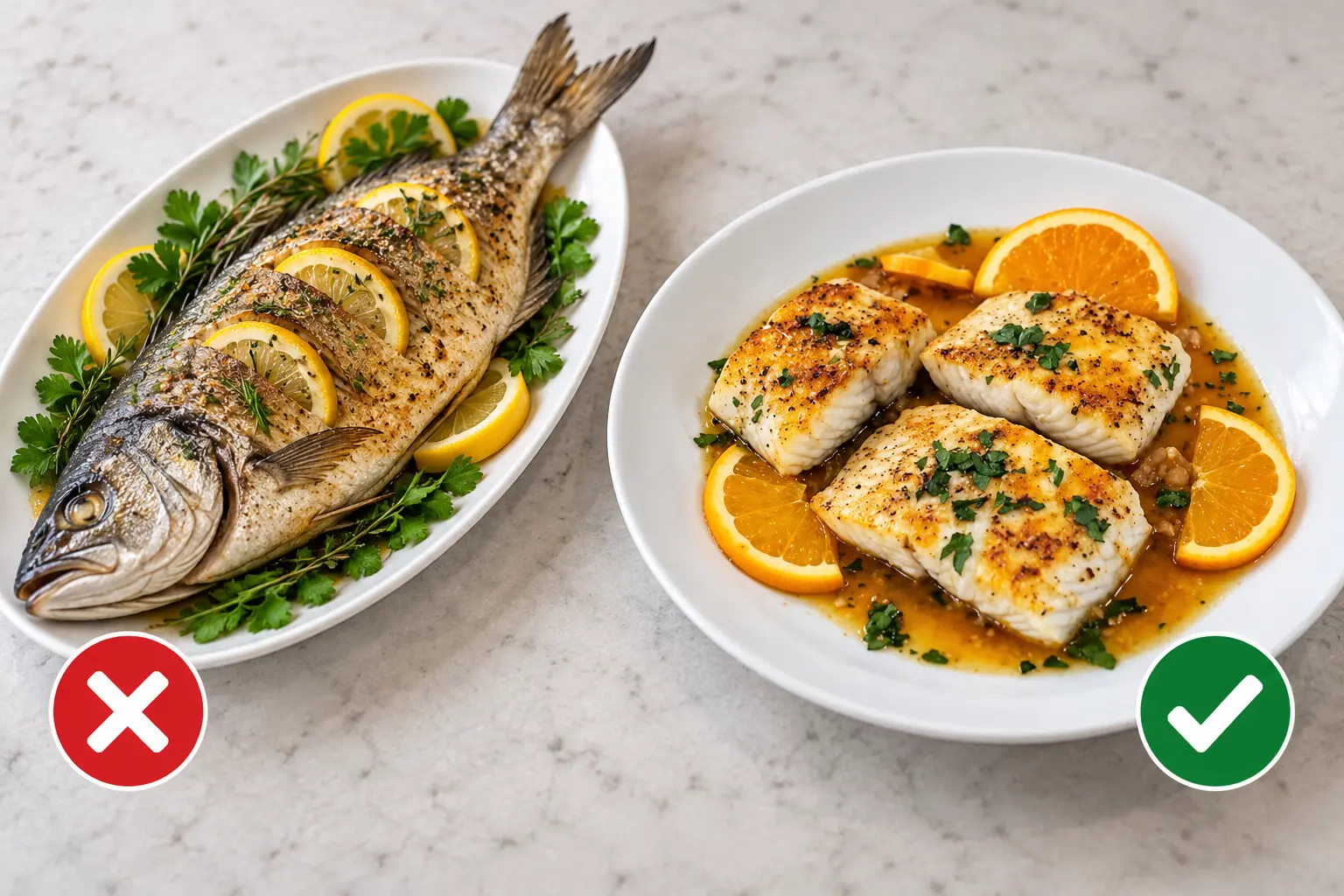
If you walk into a supermarket in the United States, you may notice something quite interesting: fish is often sold in the form of fillets that have been cleaned, deboned, and carefully packaged. Salmon, cod, tilapia, and many other types of fish are cut into convenient portions. Fish with their heads, tails, and fins still intact are much less common.
Meanwhile, in Vietnam, the sight of live fish swimming in tanks or whole fish displayed at market stalls is extremely familiar. When buying fish, many people like to examine the eyes, gills, scales, and firmness of the flesh to assess its freshness. Once brought home, fish can be steamed, fried, braised, cooked in soup, or used in hotpots. Not only the flesh but also the head, bones, skin, and even internal organs can become ingredients in delicious dishes.
So why do many Americans prefer fish fillets to whole fish?
First of all, Americans are generally more accustomed to meat that has already been processed and prepared than to the original, intact form of an animal. Beef is sold as steaks or ground meat, chicken is divided into breasts, thighs, or wings, and fish is cut into fillets. This way of selling food makes it more convenient and less likely to remind consumers of the animal it originally came from.
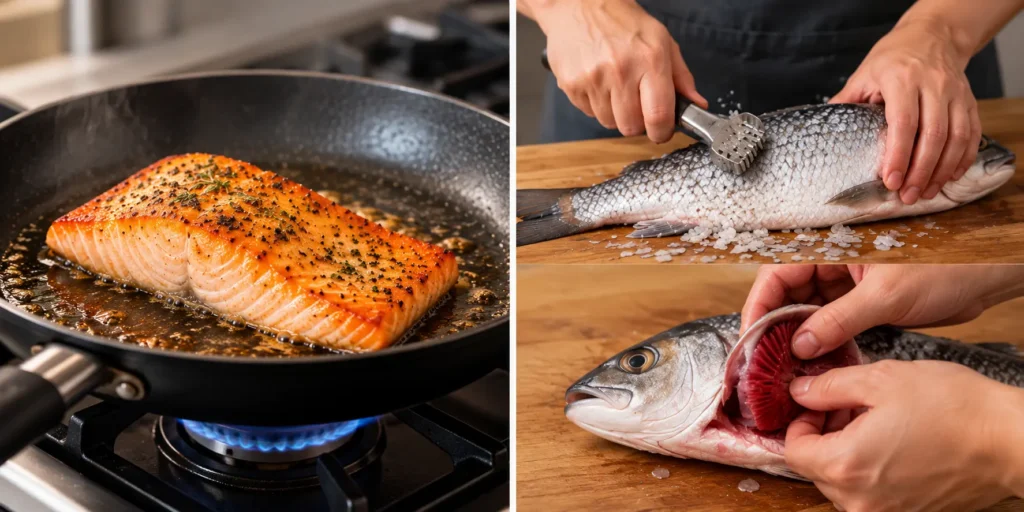
As a result, a piece of pan-fried salmon may look very appealing, while a steamed fish with its head, eyes, and tail still intact may make some Americans feel uncomfortable or even slightly uneasy. By contrast, for Vietnamese people, steamed or fried whole fish is a perfectly ordinary dish.
Another important reason is fish bones. Vietnamese people usually become familiar with eating fish containing bones from an early age. At first, parents remove the bones for their children; as they grow older, children gradually learn how to identify and remove bones while eating. Meanwhile, for those who have grown up eating mainly fish fillets, having to constantly check for and remove bones can be quite inconvenient. The risk of getting a fish bone stuck in the throat also makes some people reluctant to eat whole fish.
The modern pace of life also contributes to this habit. After a day at work, many American families want to prepare dinner quickly, with as few steps as possible. A fish fillet can be seasoned, placed in the oven, or pan-fried and ready in just 10–20 minutes. Meanwhile, an unprepared whole fish may require additional work, such as removing the scales and gills, cleaning out the internal organs, and dealing with the fishy smell.
The difference also lies in the food production and distribution system. In the United States, fish is often processed, divided into portions, packaged, and refrigerated before reaching consumers. Filleting fish at processing facilities makes the products uniform in size and easier to package, transport, and use.
From an economic perspective, storing and transporting parts of the fish that most customers do not need, such as the head, bones, fins, and internal organs, can waste storage space and increase transportation costs. By removing or separating these parts at the processing stage, businesses can optimize storage space, reduce transportation costs, and improve distribution efficiency.
Parts that are not used for fillets can also be utilized to produce animal feed, fish oil, or other products. When applied on a scale of millions of fish each year, optimizing each stage of this process can bring significant economic benefits.
When consumers prefer fish fillets, supermarkets tend to prioritize selling them. And when fillets are available everywhere, subsequent generations become even more accustomed to buying fish that has already been cut into portions. Supply and demand therefore influence each other, gradually reinforcing this consumer habit.

Cooking culture also plays a significant role. Vietnamese cuisine includes many dishes that make use of almost the entire fish. Fish heads can be used to make sour soup; fish bones can be used to prepare broth; small fish can be braised until tender or deep-fried until crispy; and fish skin and internal organs also appear in certain regional dishes. Many Vietnamese people even believe that the flesh near the head or close to the bones is the tastiest part.
Meanwhile, many popular fish dishes in American households, such as baked salmon, pan-fried cod, or battered and fried fish, are better suited to fish that has already been deboned and cut into portions. When recipes mainly use fillets, consumers also have less reason to buy whole fish.
Another interesting point is the perception of food freshness. In Vietnam, many people feel more reassured when they can see a fish that is still alive or intact. Clear eyes, red gills, shiny skin, and firm flesh are often considered signs of freshness.
In the United States, buyers tend to rely more on storage conditions and product information, such as display temperatures, packaging dates, expiration dates, and the reputation of retailers. A properly stored fish fillet can still be very fresh, while a whole fish is not necessarily of good quality if it has not been handled and stored correctly.
Nevertheless, it would be inaccurate to say that Americans do not eat whole fish. At seafood restaurants, Asian and Mediterranean restaurants, or in communities with strong fishing traditions, grilled or fried whole fish remains popular. Conversely, fish fillets are also becoming increasingly common in Vietnam, particularly in major cities.
In the end, either way of eating is inherently tastier or more civilized than the other. They are simply different eating habits that have developed over generations under the influence of culture, technology, and lifestyle.
Source: BLV Hải Thanh
WORD BANK:
fillet /ˈfɪl.ɪt/ (n): miếng phi lê (thịt hoặc cá đã lọc xương)
debone /diːˈboʊn/ (v): lọc xương, rút xương
salmon /ˈsæm.ən/ (n): cá hồi
cod /kɑːd/ (n): cá tuyết
tilapia /tɪˈlɑː.pi.ə/ (n): cá rô phi
portion /ˈpɔːr.ʃən/ [B2] (n): khẩu phần, phần ăn
intact /ɪnˈtækt/ [C1] (adj): nguyên vẹn
tank /tæŋk/ [B2] (n): bể chứa, bồn chứa
whole fish /hoʊl fɪʃ/ (n): cá nguyên con
market stall /ˈmɑːr.kɪt stɑːl/ (n): sạp hàng ở chợ
gill /ɡɪl/ (n): mang cá
firmness /ˈfɝːm.nəs/ (n): độ săn chắc, độ cứng
flesh /fleʃ/ [C2] (n): thịt (của động vật, cá)
braise /breɪz/ (v): om, kho (nấu chậm với ít chất lỏng)
internal organ /ɪnˈtɝː.nəl ˈɔːr.ɡən/ (n): cơ quan nội tạng
accustomed to sth /əˈkʌs.təmd/ [C1] (adj): quen với điều gì
ground meat /ɡraʊnd miːt/ (n): thịt xay
breast /brest/ [B2] (n): ức (gà, vịt hoặc gia cầm)
thigh /θaɪ/ (n): đùi
pan-fry /ˈpæn.fraɪ/ (v): áp chảo, chiên bằng chảo với ít dầu
uneasy /ʌnˈiː.zi/ [B2] (adj): bất an, e ngại, không thoải mái
reluctant to do sth /rɪˈlʌk.tənt/ [C1] (adj): miễn cưỡng, không muốn làm gì
pace of life /peɪs əv laɪf/ (n): nhịp sống
season /ˈsiː.zən/ (v): tẩm gia vị, nêm nếm
oven /ˈʌv.ən/ [B1] (n): lò nướng
scale /skeɪl/ (n): vảy cá
fishy smell /ˈfɪʃ.i smel/ (n): mùi tanh
distribution /ˌdɪs.trəˈbjuː.ʃən/ [B2] (n): sự phân phối
refrigerate /rɪˈfrɪdʒ.ə.reɪt/ (v): bảo quản lạnh, làm lạnh
uniform in size /ˈjuː.nə.fɔːrm/ (adj): đồng đều về kích thước
optimize /ˈɑːp.tə.maɪz/ (v): tối ưu hóa
reinforce a habit /ˌriː.ɪnˈfɔːrs ə ˈhæb.ɪt/ (v): củng cố một thói quen
consumer habit /kənˈsuː.mɚ ˈhæb.ɪt/ (n): thói quen tiêu dùng
cuisine /kwɪˈziːn/ [B2] (n): ẩm thực, phong cách nấu ăn
sour soup /saʊr suːp/ (n): canh chua
broth /brɑːθ/ (n): nước dùng
tender /ˈten.dɚ/ [B2] (adj): mềm, dễ nhai (thịt)
deep-fry /ˌdiːpˈfraɪ/ (v): chiên ngập dầu
crispy /ˈkrɪs.pi/ (adj): giòn, giòn rụm
regional /ˈriː.dʒən.əl/ [B2] (adj): thuộc vùng miền, thuộc khu vực
batter /ˈbæt̬.ɚ/ (v): tẩm bột (trước khi chiên)
perception /pɚˈsep.ʃən/ [C2] (n): nhận thức, quan niệm, cách nhìn nhận
reassured /ˌriː.əˈʃʊrd/ (adj): cảm thấy yên tâm, được trấn an
alive /əˈlaɪv/ [A2] (adj): còn sống
firm /fɝːm/ [B2] (adj): săn chắc, rắn chắc
Mediterranean /ˌmed.ə.təˈreɪ.ni.ən/ (adj): thuộc vùng Địa Trung Hải
inherently /ɪnˈher.ənt.li/ [C2] (adv): vốn dĩ, về bản chất
civilized /ˈsɪv.ə.laɪzd/ (adj): văn minh, có văn hóa
ỦNG HỘ READ TO LEAD!
Chào bạn! Có thể bạn chưa biết, Read to Lead là một trang giáo dục phi lợi nhuận với mục đích góp phần phát triển cộng đồng người học tiếng Anh tại Việt Nam. Chúng tôi không yêu cầu người đọc phải trả bất kỳ chi phí nào để sử dụng các sản phẩm của mình để mọi người đều có cơ hội học tập tốt hơn. Tuy nhiên, nếu bạn có thể, chúng tôi mong nhận được sự hỗ trợ tài chính từ bạn để duy trì hoạt động của trang và phát triển các sản phẩm mới.
Bạn có thể ủng hộ chúng tôi qua 1 trong 2 cách dưới đây.
– Cách 1: Chuyển tiền qua tài khoản Momo.
Số điện thoại 0947.886.865 (Chủ tài khoản: Nguyễn Tiến Trung)
Nội dung chuyển tiền: Ủng hộ Read to Lead
hoặc
– Cách 2: Chuyển tiền qua tài khoản ngân hàng.
Ngân hàng VIB chi nhánh Hải Phòng
Số tài khoản: 012704060048394 (Chủ tài khoản: Nguyễn Tiến Trung)
Nội dung chuyển tiền: Ủng hộ Read to Lead
Lớp luyện thi IELTS online
Bạn đang có nhu cầu thi chứng chỉ IELTS cho đầu vào đại học, đi du học, xin việc hay xin cư trú và đang phân vân chưa biết học ở đâu?
Nếu bạn đang tìm kiếm dịch vụ luyện thi IELTS online với giáo viên uy tín và chất lượng, cũng như học phí phải chăng, thì lớp học online của thầy Trung (Admin và dịch giả chính của Read to Lead) có thể là một lựa chọn phù hợp dành cho bạn.
Hãy liên hệ (nhắn tin) tới trang Facebook cá nhân của mình (https://www.facebook.com/nguyen.trung.509) để tìm hiểu về lớp học và được tư vấn cũng như được học thử nha!


