



[Reading level: B2 – Upper Intermediate]
In the 1980s, New York City was far from the glamorous image of bright lights and towering skyscrapers that many people associate with it today. In numerous areas, the prevailing atmosphere was one of gloom and unease. Rows of aging apartment buildings with peeling paint stood silently along pothole-ridden streets. Windows that had been smashed were left unrepaired, crudely covered with cardboard or rotting wooden boards instead of new panes of glass. At night, the dim yellow glow of streetlights cast weak light onto sidewalks littered with trash, broken bottles, and discarded needles.
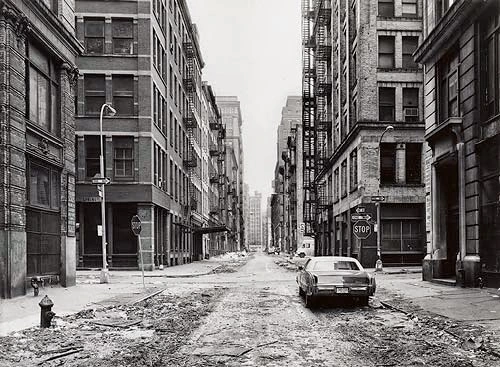
In that context, social scientists began to ask an important question: were small signs of neglect—such as a broken window left unrepaired—merely consequences of crime, or did they in fact contribute to further deviant behavior? From these observations emerged a concept that would later become widely influential, known as the “Broken Windows” theory, which sought to explain how minor visible signs of disorder could lead to more serious problems within a community.
This effect is based on a simple yet thought-provoking observation: a small sign of neglect can create a sense of disorder, which in turn encourages further negative behavior. When a broken window is left unrepaired, it silently sends the message that no one is responsible, that there are no clear rules, and that social norms can be violated without consequences. Over time, small violations accumulate and may lead to more serious offenses.
In education, the broken window effect highlights the importance of the learning environment and early discipline. A messy classroom, rules that are not enforced consistently, or minor misbehavior that is ignored can easily create a feeling that “it doesn’t matter.” In contrast, when classrooms are tidy and rules are clear and consistently maintained, students tend to behave more responsibly. Addressing small problems early is not about punishment, but about establishing positive norms and a sense of safety in the learning environment.
In business, this effect reflects how organizational culture is shaped by very small details. Things that seem insignificant—such as frequent lateness, disrespectful communication, or neglected procedures—can gradually become the “new normal” if they are not corrected in time. Conversely, when companies pay attention to fixing small “broken windows,” such as standardizing processes, maintaining work discipline, and providing timely feedback, they create a professional environment where efficiency and a sense of responsibility are sustained.
At the personal level, the broken window effect emphasizes the role of daily habits. A cluttered room, an unstructured daily routine, or repeated procrastination can gradually affect motivation and quality of life. On the other hand, maintaining small but positive habits—keeping one’s living space tidy, following personal plans, and keeping promises to oneself—helps strengthen a sense of control and discipline, thereby laying the foundation for bigger changes.
However, it should be noted that the broken window effect should not be applied mechanically. Paying attention to small mistakes needs to go hand in hand with an understanding of context and human factors. When applied flexibly and humanely, this effect conveys a core message: taking care of small things early is the key to preventing bigger problems in the future.
WORD BANK:
be far from sth /biː fɑːr frəm/ (phr): khác xa, không hề
glamorous /ˈɡlæm.ɚ.əs/ (adj): hào nhoáng, quyến rũ
skyscraper /ˈskaɪˌskreɪ.pɚ/ (n): nhà chọc trời
prevailing /prɪˈveɪ.lɪŋ/ [C1] (adj): phổ biến, thịnh hành
gloom /ɡluːm/ (n): sự u ám, ảm đạm
unease /ʌnˈiːz/ (n): sự bất an, lo lắng
rows of sth /roʊz əv/ (phr): hàng dài cái gì
peeling paint /ˈpiː.lɪŋ peɪnt/ (n): lớp sơn bong tróc
pothole-ridden (street/road) /ˈpɑːt.hoʊl ˌrɪd.ən/ (adj): (đường) đầy ổ gà
smashed /smæʃt/ (adj): bị đập vỡ
crudely /ˈkruːd.li/ (adv): một cách thô sơ
rotting /ˈrɑː.t̬ɪŋ/ (adj): mục nát, đang phân hủy
dim /dɪm/ (adj): mờ, lờ mờ
cast (light onto sth) /kæst/ (v): chiếu (ánh sáng lên)
litter /ˈlɪt̬.ɚ/ (n): rác vứt bừa bãi
needle /ˈniː.dəl/ (n): kim tiêm
neglect /nɪˈɡlekt/ (n): sự bỏ bê, sao nhãng
merely /ˈmɪr.li/ (adv): chỉ đơn thuần
deviant /ˈdiː.vi.ənt/ (adj): lệch chuẩn, sai lệch
concept /ˈkɑːn.sept/ [B2] (n): khái niệm
seek to do sth (past: sought) /siːk/ (v): tìm cách làm gì
minor /ˈmaɪ.nɚ/ nhỏ
visible /ˈvɪz.ə.bəl/ (adj): có thể thấy được
disorder /dɪsˈɔːr.dɚ/ (n): sự mất trật tự
thought-provoking /ˈθɔːt prəˌvoʊ.kɪŋ/ (adj): gợi suy nghĩ
left unrepaired /left ˌʌn.rɪˈperd/ (phr): bị bỏ mặc không sửa chữa
accumulate /əˈkjuː.mjə.leɪt/ [C1] (v): tích tụ, dồn lại
discipline /ˈdɪs.ə.plɪn/ (n): kỷ luật
messy /ˈmes.i/ (adj): bừa bộn
enforce /ɪnˈfɔːrs/ [B2] (v): thực thi, áp đặt
consistently /kənˈsɪs.tənt.li/ (adv): một cách nhất quán
misbehavior /ˌmɪs.bɪˈheɪ.vjɚ/ (n): hành vi sai trái
norms /nɔːrmz/ (n): chuẩn mực
lateness /ˈleɪt.nəs/ (n): sự đến muộn
procedure /prəˈsiː.dʒɚ/ [B2] (n): thủ tục
conversely /kənˈvɝːs.li/ [C1] (adv): ngược lại
standardize /ˈstæn.dɚ.daɪz/ (v): tiêu chuẩn hóa
sustain sth /səˈsteɪn/ [C1] (v): duy trì
cluttered /ˈklʌt̬.ɚd/ (adj): lộn xộn, bừa bộn
procrastination /proʊˌkræs.təˈneɪ.ʃən/ (n): sự trì hoãn
keep a promise (v phr): giữ lời hứa
thereby /ˌðerˈbaɪ/ [C1] (adv): do đó
lay the foundation for sth /leɪ ðə faʊnˈdeɪ.ʃən fɔːr/ (phr): đặt nền tảng cho
mechanically /məˈkæn.ɪ.kəl.i/ (adv): một cách máy móc
go hand in hand with sth /ɡoʊ hænd ɪn hænd wɪð/ (phr): đi đôi với
flexibly /ˈflek.sə.bli/ (adv): một cách linh hoạt
humanely /hjuːˈmeɪn.li/ (adv): một cách nhân đạo
convey a message /kənˈveɪ ə ˈmes.ɪdʒ/ (phr): truyền tải thông điệp
core /kɔːr/ (n): cốt lõi
ỦNG HỘ READ TO LEAD!
Chào bạn! Có thể bạn chưa biết, Read to Lead là một trang giáo dục phi lợi nhuận với mục đích góp phần phát triển cộng đồng người học tiếng Anh tại Việt Nam. Chúng tôi không yêu cầu người đọc phải trả bất kỳ chi phí nào để sử dụng các sản phẩm của mình để mọi người đều có cơ hội học tập tốt hơn. Tuy nhiên, nếu bạn có thể, chúng tôi mong nhận được sự hỗ trợ tài chính từ bạn để duy trì hoạt động của trang và phát triển các sản phẩm mới.
Bạn có thể ủng hộ chúng tôi qua 1 trong 2 cách dưới đây.
– Cách 1: Chuyển tiền qua tài khoản Momo.
Số điện thoại 0947.886.865 (Chủ tài khoản: Nguyễn Tiến Trung)
Nội dung chuyển tiền: Ủng hộ Read to Lead
hoặc
– Cách 2: Chuyển tiền qua tài khoản ngân hàng.
Ngân hàng VIB chi nhánh Hải Phòng
Số tài khoản: 012704060048394 (Chủ tài khoản: Nguyễn Tiến Trung)
Nội dung chuyển tiền: Ủng hộ Read to Lead
Lớp luyện thi IELTS online
Bạn đang có nhu cầu thi chứng chỉ IELTS cho đầu vào đại học, đi du học, xin việc hay xin cư trú và đang phân vân chưa biết học ở đâu?
Nếu bạn đang tìm kiếm dịch vụ luyện thi IELTS online với giáo viên uy tín và chất lượng, cũng như học phí phải chăng, thì thầy Trung và Cô Thủy (Admin và dịch giả chính của Read to Lead) có thể là một lựa chọn phù hợp dành cho bạn.
Hãy liên hệ (nhắn tin) tới trang Facebook cá nhân của mình (https://www.facebook.com/nguyen.trung.509) để tìm hiểu về lớp học và được tư vấn cũng như được học thử nha!


