


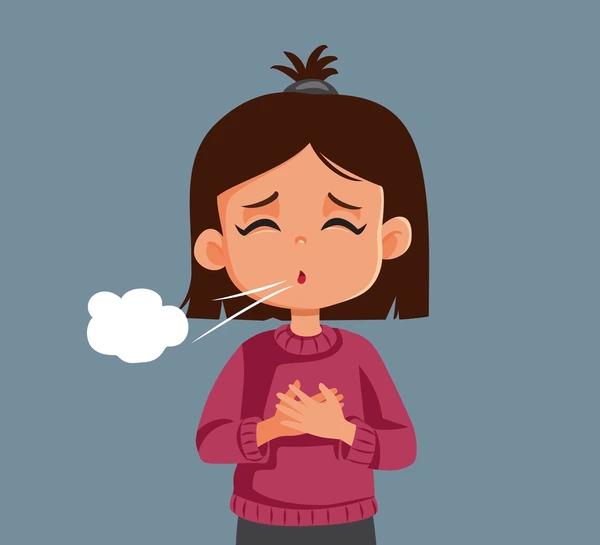
It starts with a cough, or a wheeze. Soon, your chest feels tight. Your breathing speeds up and gets shallower, making you feel short of breath. These are common symptoms of an asthma attack.
Around the world, more than 300 million people suffer from asthma, and around 250,000 people die from it each year. But why do people get asthma and how can this disease be deadly?
Asthma affects the respiratory system, particularly the smaller airways, such as the bronchi and bronchioles. These airways have an inner lining called the mucosa that’s surrounded by a layer of smooth muscle.
In people with asthma, the airways are chronically inflamed, which can make them hyper-responsive to certain triggers. Some of the many asthma triggers include tobacco smoke, pollen, dust, fragrances, exercise, cold weather, stress, and even the common cold.
When people with asthma are exposed to these triggers, an asthma attack, or exacerbation, can occur. But how exactly do such everyday factors lead to an asthma attack?
If an asthmatic is exposed to a trigger, the smooth rings of muscle that circle the small airways in their lungs contract and become narrow. Simultaneously, the trigger worsens inflammation, causing the mucosal lining to become more swollen and secrete more mucus.
Under normal conditions, the body uses this mucus to trap and clear particles, like pollen or dust, but during an asthma attack, it blocks the narrowed airways, making it even harder to breathe.
These effects lead to the symptoms of asthma. Smooth muscle constriction results in the feeling of chest tightness. Excess mucus and increased inflammation can cause coughing.
And the wheezing noise? That happens because as the airways constrict, air whistles as it passes through the narrowed space. These symptoms may make a person feel like they’re running out of air.
Yet counterintuitively, during an asthma attack, the inflammation can make it harder to exhale than inhale. Over time, this leads to an excess of air in the lungs, a phenomenon known as hyperinflation.
The trapping of air inside the lungs forces the body to work harder to move air in and out of them. Over time, this can lead to reduced oxygen delivery to the body’s organs and tissues. Sometimes, in untreated severe asthma attacks, the body can’t keep up, which can lead to death from lack of oxygen.
So how do we prevent these uncomfortable and potentially fatal attacks in people who have asthma? One way is to reduce the presence of triggers.
Unfortunately, the world is an unpredictable place and exposure to triggers can’t always be controlled. This is where inhalers, the primary treatment for asthma, come in.
These medications help asthmatics both control and prevent their asthma symptoms. Inhalers transport medication along the affected airways using a liquid mist or fine powder to treat the problem at its source.
They come in two forms. There are reliever medications, which treat symptoms immediately and contain beta-agonists. Beta-agonists relax constricted muscles, allowing the airways to widen so more air can travel into and out of the lungs.
The other form of inhalers serve as preventive medications, which treat asthma symptoms over the long term, and contain corticosteroids. Corticosteroids reduce airway sensitivity and inflammation, so asthma can be kept under control.
They’re also crucial in preventing long-term damage from chronic inflammation, which can cause scarring of the airways. Inhalers are known to be very effective, and have helped many people live better lives.
Although we’ve come a long way in improving how we treat and diagnose asthma, we still don’t know its exact causes. We currently believe that a combination of genetic and environmental factors plays a role, potentially acting during early childhood.
Recent research has even linked poverty to asthma incidents. This may be due to reasons ranging from exposure to additional pollutants and environmental irritants to difficulties in obtaining medical care or treatment.
As our understanding of asthma improves, we can continue to find better ways to keep people’s airways happy and healthy.
WORD BANK:
wheeze /wiːz/ (v,n): thở khò khè
tight /taɪt/ (adj): chặt, căng; (miêu tả ngực bị tức)
shallower /ˈʃæloʊ.ɚ/ (adj): nông hơn
short of breath /ʃɔːrt əv breθ/ (adj): khó thở
symptom /ˈsɪmp.təm/ [B1] (n): triệu chứng
asthma attack /ˈæz.mə əˈtæk/ (n): cơn hen suyễn
respiratory system /ˈrɛs.pɚ.əˌtɔːr.i ˈsɪs.təm/ (n): hệ hô hấp
airway /ˈer.weɪ/ (n): đường dẫn khí
bronchi /ˈbrɑːŋ.kaɪ/ (n): phế quản
bronchiole /ˈbrɑːŋ.kiˌoʊl/ (n): tiểu phế quản
lining /ˈlaɪ.nɪŋ/ (n): lớp lót
mucosa /mjuːˈkoʊ.sə/ (n): niêm mạc
chronic /ˈkrɑː.nɪk/ [B2] (adj): mãn tính
inflamed /ɪnˈfleɪmd/ (adj): bị viêm
hyper-responsive to sth /ˌhaɪ.pɚ.rɪˈspɑːn.sɪv/ (adj): phản ứng quá mức với cái gì
trigger /ˈtrɪɡ.ɚ/ (n): tác nhân kích thích
pollen /ˈpɑː.lən/ (n): phấn hoa
dust /dʌst/ (n): bụi
fragrance /ˈfreɪ.ɡrəns/ (n): mùi hương
be exposed to sth /ɪkˈspoʊzd/ (v): tiếp xúc với cái gì
exacerbation /ɪɡˌzæs.ɚˈbeɪ.ʃən/ (n): sự làm trầm trọng thêm
asthmatic /æzˈmæt̬.ɪk/ (adj,n): thuộc bệnh hen suyễn; người bị hen suyễn
contract /kənˈtrækt/ (v): co lại
inflammation /ˌɪn.fləˈmeɪ.ʃən/ (n): sự viêm
swollen /ˈswoʊ.lən/ (adj): sưng
secrete /sɪˈkriːt/ (v): tiết ra
mucus /ˈmjuː.kəs/ (n): chất nhầy
constriction /kənˈstrɪk.ʃən/ (n): sự co thắt
wheezing /ˈwiː.zɪŋ/ (n): tiếng thở khò khè
run out of sth /rʌn aʊt əv/ (v): cạn, hết cái gì
counterintuitively /ˌkaʊn.t̬ɚ.ɪnˈtuː.ə.tɪv.li/ (adv): trái với trực giác
exhale /eksˈheɪl/ (v): thở ra
an excess of sth /ɪkˈses əv/ (n): sự dư thừa của cái gì
hyperinflation /ˌhaɪ.pɚ.ɪnˈfleɪ.ʃən/ (n): sự căng phồng quá mức
organ /ˈɔːr.ɡən/ [B1] (n): cơ quan
tissue /ˈtɪʃ.uː/ (n): mô
severe /sɪˈvɪr/ [B2] (adj): nghiêm trọng
keep up /kiːp ʌp/ (v): duy trì, theo kịp
fatal /ˈfeɪ.t̬əl/ (adj): gây chết người
inhaler /ɪnˈheɪ.lɚ/ (n): ống hít (thuốc hen)
come in /kʌm ɪn/ (v): có dạng, có loại
mist /mɪst/ (n): dạng sương
fine powder /faɪn ˈpaʊ.dɚ/ (n): bột mịn
reliever /rɪˈliː.vɚ/ (n): thuốc giảm triệu chứng
sensitivity /ˌsen.səˈtɪv.ə.t̬i/ (n): sự nhạy cảm
scarring /ˈskɑːr.ɪŋ/ (adj): gây sẹo, để lại sẹo
diagnose /ˌdaɪ.əɡˈnoʊs/ (v): chẩn đoán
irritant /ˈɪr.ɪ.t̬ənt/ (n): chất kích thích
ỦNG HỘ READ TO LEAD!
Chào bạn! Có thể bạn chưa biết, Read to Lead là một trang giáo dục phi lợi nhuận với mục đích góp phần phát triển cộng đồng người học tiếng Anh tại Việt Nam. Chúng tôi không yêu cầu người đọc phải trả bất kỳ chi phí nào để sử dụng các sản phẩm của mình để mọi người đều có cơ hội học tập tốt hơn. Tuy nhiên, nếu bạn có thể, chúng tôi mong nhận được sự hỗ trợ tài chính từ bạn để duy trì hoạt động của trang và phát triển các sản phẩm mới.
Bạn có thể ủng hộ chúng tôi qua 1 trong 2 cách dưới đây.
– Cách 1: Chuyển tiền qua tài khoản Momo.
Số điện thoại 0947.886.865 (Chủ tài khoản: Nguyễn Tiến Trung)
Nội dung chuyển tiền: Ủng hộ Read to Lead
hoặc
– Cách 2: Chuyển tiền qua tài khoản ngân hàng.
Ngân hàng VIB chi nhánh Hải Phòng
Số tài khoản: 012704060048394 (Chủ tài khoản: Nguyễn Tiến Trung)
Nội dung chuyển tiền: Ủng hộ Read to Lead
Lớp luyện thi IELTS online
Bạn đang có nhu cầu thi chứng chỉ IELTS cho đầu vào đại học, đi du học, xin việc hay xin cư trú và đang phân vân chưa biết học ở đâu?
Nếu bạn đang tìm kiếm dịch vụ luyện thi IELTS online với giáo viên uy tín và chất lượng, cũng như học phí phải chăng, thì thầy Trung và Cô Thủy (Admin và dịch giả chính của Read to Lead) có thể là một lựa chọn phù hợp dành cho bạn.
Hãy liên hệ (nhắn tin) tới trang Facebook cá nhân của mình (https://www.facebook.com/nguyen.trung.509) để tìm hiểu về lớp học và được tư vấn cũng như được học thử nha!


