


[Reading level: C1 – Advanced]
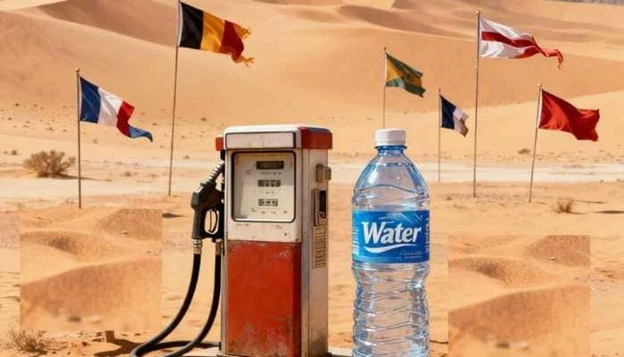
In most parts of the world, water is life and fuel is luxury. Yet, in a curious twist of economics and geography, there are nations where the price of a liter of gasoline undercuts that of bottled water. These are countries blessed (or burdened) with vast oil wealth, compound subsidy systems, and environmental contrasts that turn basic needs into symbols of inequality.
From the deserts of Saudi Arabia to the streets of Caracas, the cost of keeping a car running can be less than keeping a family hydrated. Here’s a closer look at six nations where fuel flow sells cheaper than water and what that reveals about the intersection of politics, resources, and daily life.
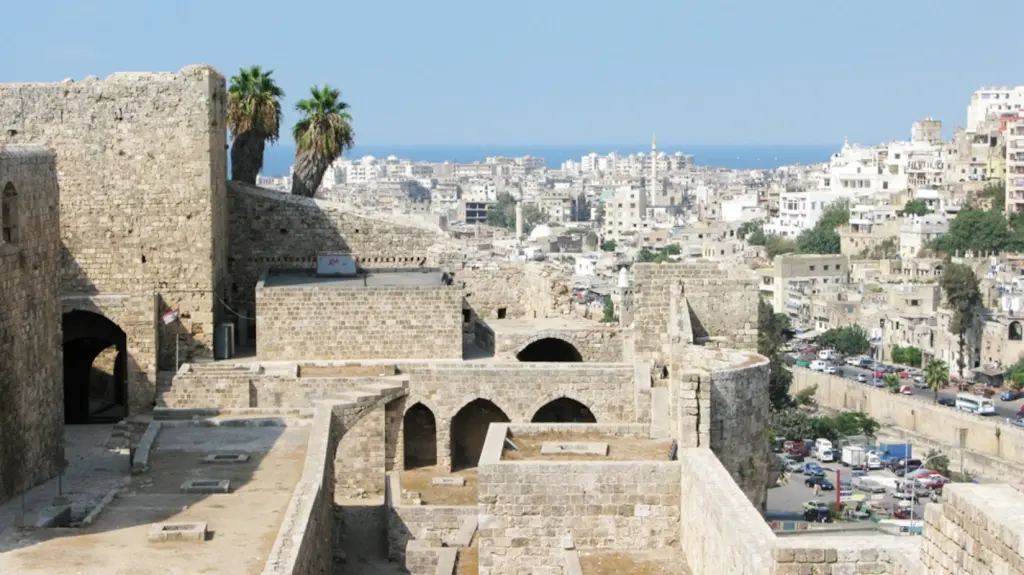
Libya – oil rich, water poor: In Libya, a liter of gasoline costs around $0.03, while bottled water goes for about $0.45. The numbers are staggering, but they tell a great story. Libya sits atop some of the world’s richest oil fields, and for decades, state subsidies have made fuel almost free. But water is another story. The North African nation’s arid climate and fragile infrastructure make clean water a costly commodity. As it is said by some residents in Tripoli –“You can fill your car easily, but not always your glass.”
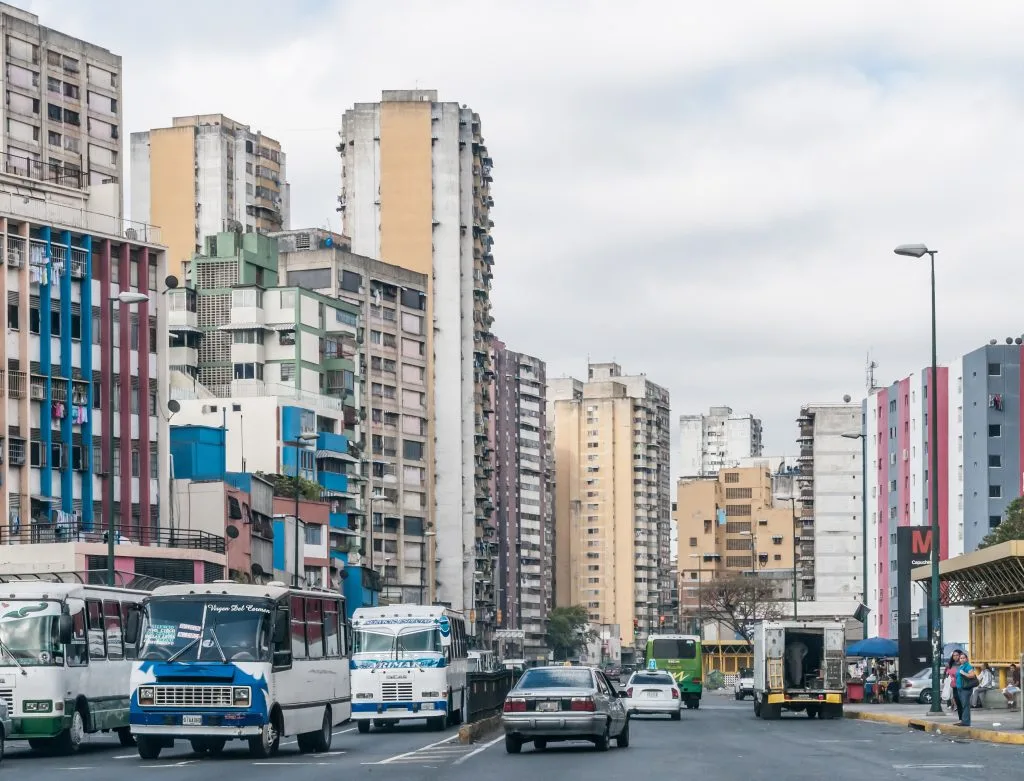
Venezuela – a crisis of contradictions: In Venezuela petrol prices hover near $0.02 per liter, one of the lowest globally. Thanks to heavy government subsidies and a national identity built around oil. But then, the same policies that make driving cheap have helped push the economy into disarray. Bottled water costs about $0.60 per liter, reflecting shortages, inflation and a crumbling public supply. Venezuelan families see water as luxurious item, compared to fuel.
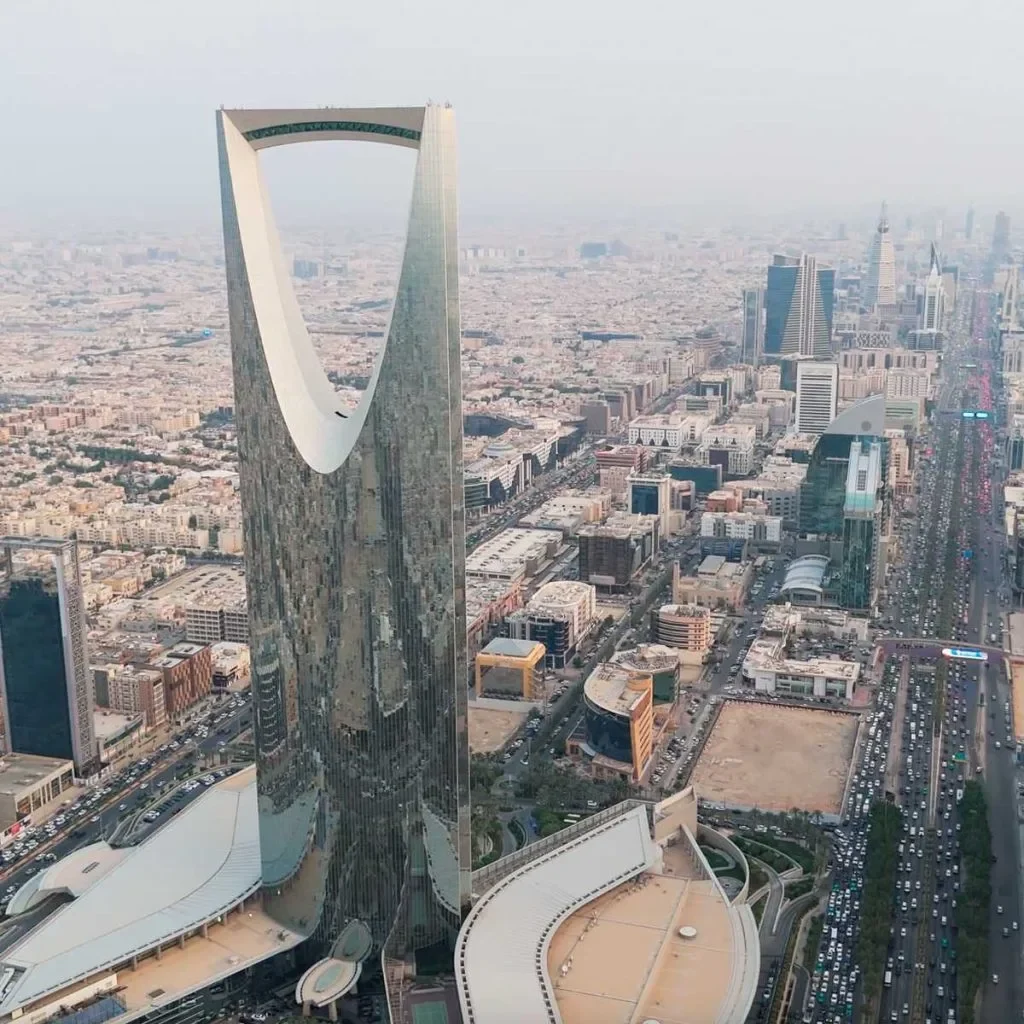
Saudi Arabia – the desert’s duality: In Saudi Arabia, fuel costs roughly $0.58 per liter, while bottled water can exceed $1.20. Here, oil wealth has long powered both economic might and cheap energy. Yet, the Kingdom’s geography with vast arid desert, makes fresh water one of its scarcest resources. Desalination plants line the coast, turning seawater into something drinkable at a high environmental and financial cost. Even as the government invests in sustainability, the irony persists: fuel remains plentiful, while water is precious.
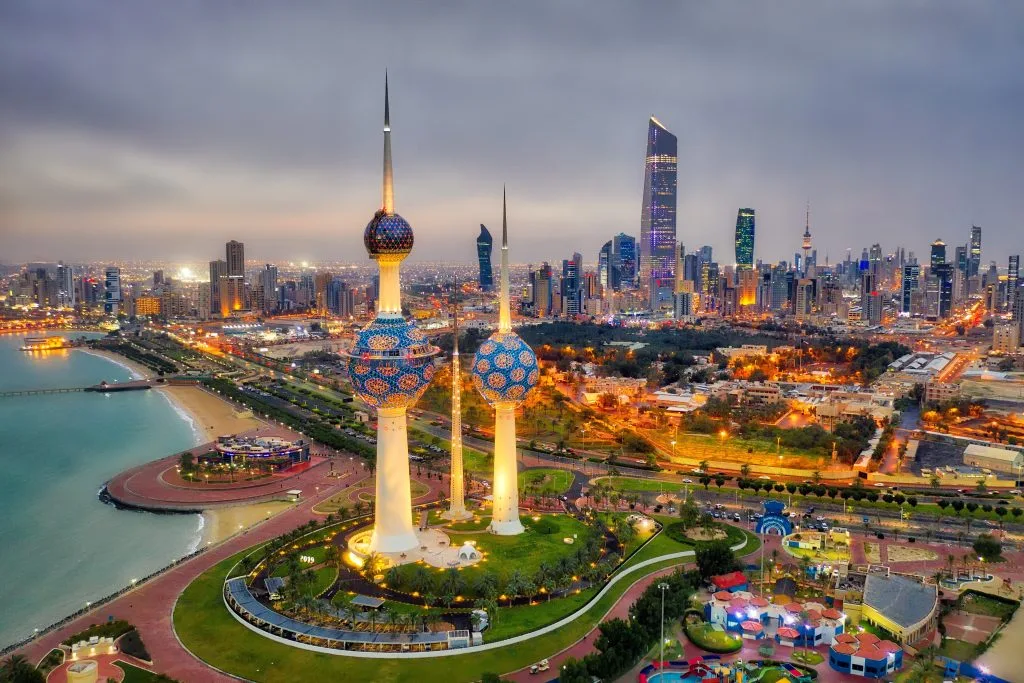
Kuwait – the price of luxury: While bottled water costs around $1.50, citizens pay about $0.34 per liter for fuel in Kuwait. Oil wealth has turned this tiny Gulf state into one of the world’s richest countries, yet its environment yields almost no natural freshwater. Every drop of drinkable water is desalinated and transported – a process more expensive than pumping crude from the ground. In Kuwait’s supermarkets, the price tags tell the story of a desert kingdom where wealth cannot buy geography.
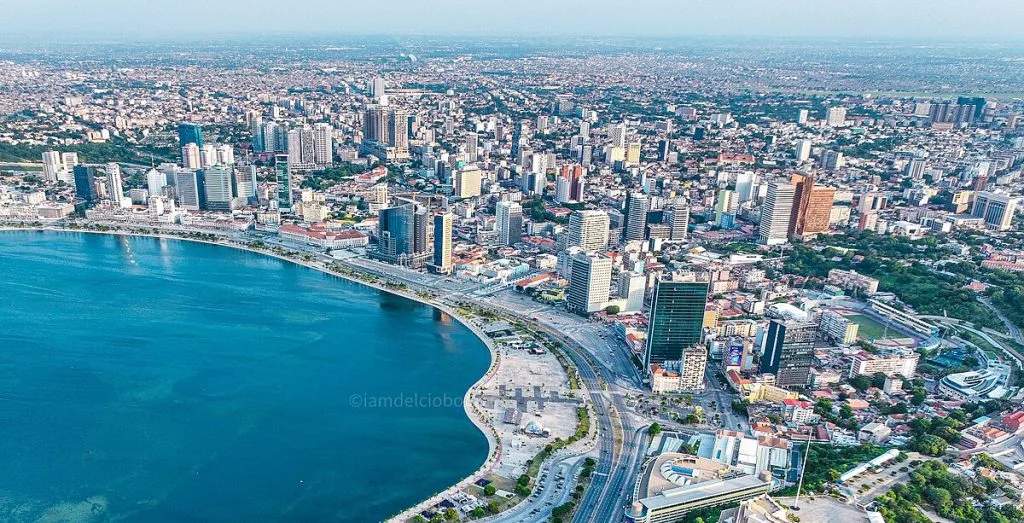
Angola – subsidized survival: In Angola, gasoline sells for $0.33 per liter, while bottled water averages $0.80. The government’s fuel subsidies are a holdover from its oil boom years, meant to ease economic hardship. But water distribution remains fragmented and unreliable, especially outside Luanda. With regards to most rural families, fetching water can take hours, which makes it far more expensive in labor than fuel ever could be in Angola.
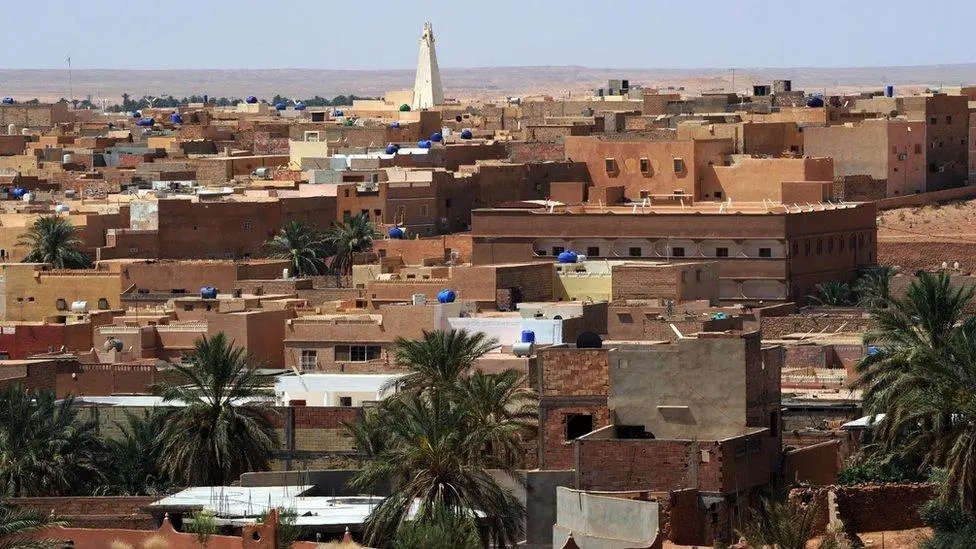
Algeria – the uneven balance: In Algeria, motorists pay around $0.34 per liter for petrol, while bottled water costs roughly $0.50. The nation’s heavy reliance on oil exports allows for low fuel prices, yet water infrastructure lags behind. With rising urban demand and erratic rainfall, even modest water costs reflect a growing scarcity issue.
These nations are parts of a tongue-in-cheek world of economic imbalances: that fuel purchase at filling stations across these locations, can be cheaper than drinking water, or a unit of water bottle, highlights a contradiction at the heart of global economics. This is a story of resource abundance clashing with environmental reality, in nations where the earth offers oil wealth but withholds water—essential for life.
Source: https://eandelmagazine.com/eandelmagazine/nations-of-paradox-countries-in-the-world-where-fuel-flows-cheaper-than-water/
WORD BANK:
luxury /ˈlʌɡ.ʒɚ.i/ [B2] (n): sự xa xỉ
curious twist /ˈkjʊr.i.əs twɪst/ (n): sự thay đổi/bước ngoặt kỳ lạ
undercut sth /ˌʌn.dɚˈkʌt/ (v): bán rẻ hơn, hạ giá hơn
blessed with sth /blest wɪð/ (adj): được ban cho, có được (điều tốt)
burden /ˈbɝː.dən/ (v): gây gánh nặng
wealth /welθ/ [B1] (n): sự giàu có
compound /ˈkɑːm.paʊnd/ (adj): phức tạp, kết hợp
subsidy /ˈsʌb.sə.di/ [C1] (n): trợ cấp
inequality /ˌɪn.ɪˈkwɑː.lə.t̬i/ [B2] (n): sự bất bình đẳng
hydrated /ˈhaɪ.dreɪ.t̬ɪd/ (adj): đủ nước
intersection /ˌɪn.t̬ɚˈsek.ʃən/ [B2] (n): sự giao thoa, giao điểm
go for /ɡoʊ fɔːr/ (v): có giá là
staggering /ˈstæɡ.ɚ.ɪŋ/ (adj): gây sửng sốt, rất lớn
atop sth /əˈtɑːp/ (pre): trên cái gì đó
arid /ˈær.ɪd/ (adj): khô cằn
fragile /ˈfrædʒ.əl/ [B2] (adj): mong manh
infrastructure /ˈɪn.frəˌstrʌk.tʃɚ/ [B2] (n): cơ sở hạ tầng
commodity /kəˈmɑː.də.t̬i/ [B2] (n): hàng hóa
hover /ˈhʌv.ɚ/ (v): lơ lửng
national identity /ˌnæʃ.ən.əl aɪˈden.t̬ə.t̬i/ (n): bản sắc dân tộc
disarray /ˌdɪs.əˈreɪ/ (n): tình trạng hỗn loạn
shortage /ˈʃɔːr.t̬ɪdʒ/ [B2] (n): sự thiếu hụt
inflation /ɪnˈfleɪ.ʃən/ [B2] (n): lạm phát
crumbling /ˈkrʌm.blɪŋ/ (adj): xuống cấp, đổ nát
exceed /ɪkˈsiːd/ [B2] (v): vượt quá
scarce /skers/ (adj): khan hiếm
desalinate /diːˈsæl.ə.neɪt/ (v): khử muối
desalination plant /diːˌsæl.əˈneɪ.ʃən plænt/ (n): nhà máy khử muối
line the coast /laɪn ðə koʊst/ (v): trải dài dọc bờ biển
sustainability /səˌsteɪ.nəˈbɪl.ə.t̬i/ [B2] (n): tính bền vững
irony /ˈaɪ.rə.ni/ [B2] (n): sự mỉa mai, trớ trêu
persist /pɚˈsɪst/ [C1] (v): tiếp tục tồn tại
plentiful /ˈplen.t̬ɪ.fəl/ (adj): dồi dào
precious /ˈpreʃ.əs/ [B1] (adj): quý giá
Gulf state /ɡʌlf steɪt/ (n): quốc gia vùng Vịnh
yield sth /jiːld/ (v): tạo ra, mang lại
crude /kruːd/ (adj): thô (dầu thô)
average /ˈæv.ɚ.ɪdʒ/ [B1] (v): trung bình là
holdover /ˈhoʊldˌoʊ.vɚ/ (n): tàn dư
boom /buːm/ (n): sự bùng nổ
distribution /ˌdɪs.trəˈbjuː.ʃən/ [B2] (n): sự phân phối
fragmented /ˈfræɡ.mən.t̬ɪd/ (adj): phân mảnh
unreliable /ˌʌn.rɪˈlaɪ.ə.bəl/ (adj): không đáng tin cậy
with regards to sb/sth /wɪð rɪˈɡɑːrdz tuː/ (exp): liên quan đến
fetch sth /fetʃ/ (v): có giá, bán được
roughly /ˈrʌf.li/ [B2] (adv): xấp xỉ
lag behind /læɡ bɪˈhaɪnd/ (v): tụt lại phía sau
erratic /ɪˈræt̬.ɪk/ (adj): thất thường
modest /ˈmɑː.dɪst/ [B2] (adj): vừa phải
scarcity /ˈsker.sə.t̬i/ [C1] (n): sự khan hiếm
tongue-in-cheek /ˌtʌŋ.ɪnˈtʃiːk/ (adj): mang tính mỉa mai, đùa cợt
contradiction /ˌkɑːn.trəˈdɪk.ʃən/ [B2] (n): sự mâu thuẫn
abundance /əˈbʌn.dəns/ (n): sự dồi dào
clash with sth /klæʃ wɪð/ (v): xung đột với
withhold sth /wɪðˈhoʊld/ (v): từ chối cung cấp, giữ lại
ỦNG HỘ READ TO LEAD!
Chào bạn! Có thể bạn chưa biết, Read to Lead là một trang giáo dục phi lợi nhuận với mục đích góp phần phát triển cộng đồng người học tiếng Anh tại Việt Nam. Chúng tôi không yêu cầu người đọc phải trả bất kỳ chi phí nào để sử dụng các sản phẩm của mình để mọi người đều có cơ hội học tập tốt hơn. Tuy nhiên, nếu bạn có thể, chúng tôi mong nhận được sự hỗ trợ tài chính từ bạn để duy trì hoạt động của trang và phát triển các sản phẩm mới.
Bạn có thể ủng hộ chúng tôi qua 1 trong 2 cách dưới đây.
– Cách 1: Chuyển tiền qua tài khoản Momo.
Số điện thoại 0947.886.865 (Chủ tài khoản: Nguyễn Tiến Trung)
Nội dung chuyển tiền: Ủng hộ Read to Lead
hoặc
– Cách 2: Chuyển tiền qua tài khoản ngân hàng.
Ngân hàng VIB chi nhánh Hải Phòng
Số tài khoản: 012704060048394 (Chủ tài khoản: Nguyễn Tiến Trung)
Nội dung chuyển tiền: Ủng hộ Read to Lead
Lớp luyện thi IELTS online
Bạn đang có nhu cầu thi chứng chỉ IELTS cho đầu vào đại học, đi du học, xin việc hay xin cư trú và đang phân vân chưa biết học ở đâu?
Nếu bạn đang tìm kiếm dịch vụ luyện thi IELTS online với giáo viên uy tín và chất lượng, cũng như học phí phải chăng, thì thầy Trung và Cô Thủy (Admin và dịch giả chính của Read to Lead) có thể là một lựa chọn phù hợp dành cho bạn.
Hãy liên hệ (nhắn tin) tới trang Facebook cá nhân của mình (https://www.facebook.com/nguyen.trung.509) để tìm hiểu về lớp học và được tư vấn cũng như được học thử nha!


