


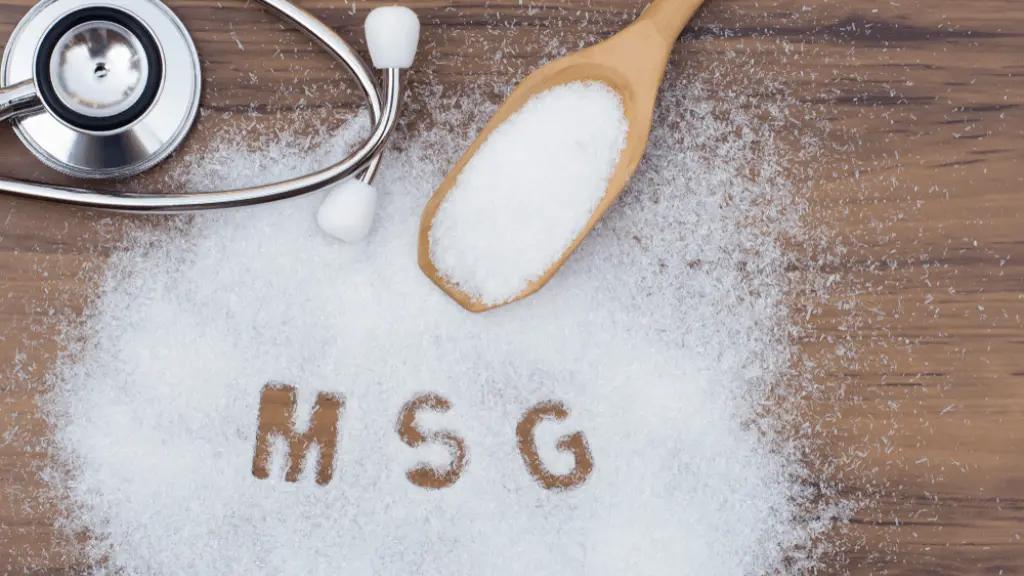
In 1968, Dr. Robert Ho Man Kwok felt ill after dinner at a Chinese restaurant. He wrote a letter detailing his symptoms to a prestigious medical journal, pondering whether his illness had resulted from eating monosodium glutamate—also known as MSG.
Kwok’s connection between his headache and this common seasoning in American Chinese cuisine was just a hunch. But his letter would dramatically change the world’s relationship with MSG, inspiring international panic, biased science, and sensationalist journalism for the next 40 years.
So what is this mysterious seasoning? Where does it come from, and is it actually bad for you?
MSG is a mixture of two common substances. Sodium, which is well-established as an essential part of our diet, and glutamate, a very common amino acid found in numerous plant and animal proteins.
Glutamate plays a key role in our digestion, muscle function, and immune system. Around the time of Dr. Kwok’s letter, it had been identified as an important part of our brain chemistry.
Our body produces enough glutamate for all these processes, but the molecule is also present in our diet. You can taste its signature savory flavor in foods like mushrooms, cheese, tomatoes, and broth.
Chasing this rich flavor is what led to MSG’s invention in 1908. A Japanese chemist named Dr. Ikeda Kikunae was trying to isolate the molecule responsible for a unique flavor he called “umami,” meaning “a pleasant, savory taste.”
Today, umami is recognized as one of the five basic tastes in food science. Each basic taste is produced by unique molecular mechanisms that can’t be replicated by combining other known tastes.
In the case of umami, those mechanisms arise when we cook or ferment certain foods, breaking down their proteins and releasing amino acids like glutamate.
But Ikeda found a savory shortcut to producing this chemical reaction. By isolating high quantities of glutamate from a bowl of noodle broth and combining them with another flavor enhancer like sodium, he created a seasoning that instantly increased the umami of any dish.
The result was a major success. By the 1930s, MSG was a kitchen staple across most of Asia; and by the mid-20th century, it could be found in commercial food production worldwide.
So when Dr. Kwok’s letter was published, the outrage was immediate. Researchers and citizens demanded a scientific enquiry into the popular additive.
On one hand, this wasn’t unreasonable. The substance hadn’t been tested for toxicity, and its health impacts were largely unknown.
However, it’s likely many people weren’t responding to a lack of food safety regulation, but rather the letter’s title: “Chinese Restaurant Syndrome.”
While MSG was commonly used in numerous cuisines, many Americans had longstanding prejudices against Asian eating customs, labeling them as exotic or dangerous. These stigmas fueled racially biased journalism, and spread fear that eating at Chinese restaurants could make you sick.
This prejudiced reporting extended to numerous studies about MSG and umami, the results of which were much less conclusive than the headlines suggested.
For example, when a 1969 study found that injecting mice with MSG caused severe damage to their retina and brain, some news outlets jumped to proclaim that eating MSG could cause brain damage.
Similarly, while some studies reported that excess glutamate could lead to problems like Alzheimer’s, these conditions were later found to be caused by internal glutamate imbalances, unrelated to the MSG we eat.
These headlines weren’t just a product of prejudiced reporters. Throughout the late 60s and early 70s, many doctors also considered “Chinese Restaurant Syndrome” to be a legitimate ailment.
Fortunately, today’s MSG researchers no longer see the additive in this discriminatory way. Recent studies have established the vital role glutamate plays in our metabolism, and some researchers even think MSG is a healthier alternative to added fat and sodium.
Others are investigating whether regular consumption of MSG Conclusion could be linked to obesity, and it is possible that binging MSG produces headaches, chest pains, or heart palpitations for some people.
But for most diners, a moderate amount of this savory seasoning seems like a safe way to make life a little tastier.
Source: TED-Ed
WORD BANK:
symptom /ˈsɪmp.təm/ [B1] (n): triệu chứng
prestigious /preˈstɪdʒ.əs/ [B2] (adj): có uy tín, danh giá
journal /ˈdʒɝː.nəl/ [B1] (n): tạp chí
ponder /ˈpɑːn.dɚ/ [C1] (v): suy ngẫm
monosodium glutamate (MSG) /ˌmɑː.noʊˈsoʊ.di.əm ˈɡluː.t̬ə.meɪt/ (n): bột ngọt
seasoning /ˈsiː.zən.ɪŋ/ [B1] (n): gia vị
hunch /hʌntʃ/ (n): linh cảm
panic /ˈpæn.ɪk/ [B1] (n): sự hoảng loạn
biased /ˈbaɪ.əst/ [C1] (adj): thiên vị
sensationalist /senˈseɪ.ʃən.əl.ɪst/ (adj): giật gân
mysterious /mɪˈstɪr.i.əs/ [B1] (adj): bí ẩn
substance /ˈsʌb.stəns/ [B1] (n): chất
sodium /ˈsoʊ.di.əm/ (n): natri
well-established as sth /ˌwel.ɪˈstæb.lɪʃt/ (adj): được công nhận rõ ràng là
glutamate /ˈɡluː.t̬ə.meɪt/ (n): glutamat
amino acid /əˈmiː.noʊ ˈæs.ɪd/ (n): axit amin
digestion /daɪˈdʒes.tʃən/ [B2] (n): sự tiêu hóa
immune system /ɪˈmjuːn ˌsɪs.təm/ (n): hệ miễn dịch
molecule /ˈmɑː.lə.kjuːl/ (n): phân tử
signature /ˈsɪɡ.nə.tʃɚ/ [B2] (adj): đặc trưng
savory /ˈseɪ.vɚ.i/ (adj): đậm đà (vị mặn/ngon)
broth /brɔːθ/ (n): nước dùng
chemist /ˈkem.ɪst/ (n): nhà hóa học
molecular mechanism /məˈlek.jə.lɚ ˈmek.ə.nɪ.zəm/ (n): cơ chế phân tử
replicate /ˈrep.lɪ.keɪt/ [C1] (v): tái tạo, sao chép
arise /əˈraɪz/ [B2] (v): phát sinh
ferment /fɚˈment/ (v): lên men
shortcut /ˈʃɔːrt.kʌt/ (n): lối tắt
flavor enhancer /ˈfleɪ.vɚ ɪnˈhæn.sɚ/ (n): chất tăng hương vị
staple /ˈsteɪ.pəl/ (n): mặt hàng thiết yếu
outrage /ˈaʊt.reɪdʒ/ (n): sự phẫn nộ
enquiry /ɪnˈkwaɪr.i/ (n): cuộc điều tra
additive /ˈæd.ə.t̬ɪv/ (n): chất phụ gia
toxicity /tɑːkˈsɪs.ə.t̬i/ (n): độc tính
largely unknown /ˈlɑːrdʒ.li ʌnˈnoʊn/ (adj): phần lớn chưa được biết đến
longstanding /ˈlɔːŋˌstæn.dɪŋ/ (adj): lâu đời
prejudice against sb/sth /ˈpredʒ.ə.dɪs/ (n): định kiến với ai/cái gì
label sth as sth /ˈleɪ.bəl/ (v): gán nhãn là
stigma /ˈstɪɡ.mə/ (n): sự kỳ thị
fuel sth /ˈfjuː.əl/ (v): làm gia tăng, kích động
racially /ˈreɪ.ʃəl.i/ (adv): về mặt chủng tộc
conclusive /kənˈkluː.sɪv/ [C1] (adj): mang tính kết luận rõ ràng
headline /ˈhed.laɪn/ (n): tiêu đề báo
inject sb with sth /ɪnˈdʒekt/ (v): tiêm cái gì vào ai
retina /ˈret.ən.ə/ (n): võng mạc
news outlet /ˈnuːz ˌaʊt.let/ (n): cơ quan báo chí
jump to do sth /dʒʌmp/ (v): vội vàng làm gì
proclaim /proʊˈkleɪm/ (v): tuyên bố
imbalance /ɪmˈbæl.əns/ (n): sự mất cân bằng
legitimate /ləˈdʒɪt̬.ə.mət/ [B2] (adj): hợp pháp, chính đáng, thực sự
ailment /ˈeɪl.mənt/ (n): bệnh nhẹ
discriminatory /dɪˈskrɪm.ə.nə.tɔːr.i/ (adj): mang tính phân biệt đối xử
metabolism /məˈtæb.ə.lɪ.zəm/ (n): sự trao đổi chất
chest pains /tʃest peɪnz/ (n): đau ngực
heart palpitation /hɑːrt ˌpæl.pɪˈteɪ.ʃən/ (n): tim đập nhanh
moderate /ˈmɑː.dɚ.ət/ [B2] (adj): vừa phải
ỦNG HỘ READ TO LEAD!
Chào bạn! Có thể bạn chưa biết, Read to Lead là một trang giáo dục phi lợi nhuận với mục đích góp phần phát triển cộng đồng người học tiếng Anh tại Việt Nam. Chúng tôi không yêu cầu người đọc phải trả bất kỳ chi phí nào để sử dụng các sản phẩm của mình để mọi người đều có cơ hội học tập tốt hơn. Tuy nhiên, nếu bạn có thể, chúng tôi mong nhận được sự hỗ trợ tài chính từ bạn để duy trì hoạt động của trang và phát triển các sản phẩm mới.
Bạn có thể ủng hộ chúng tôi qua 1 trong 2 cách dưới đây.
– Cách 1: Chuyển tiền qua tài khoản Momo.
Số điện thoại 0947.886.865 (Chủ tài khoản: Nguyễn Tiến Trung)
Nội dung chuyển tiền: Ủng hộ Read to Lead
hoặc
– Cách 2: Chuyển tiền qua tài khoản ngân hàng.
Ngân hàng VIB chi nhánh Hải Phòng
Số tài khoản: 012704060048394 (Chủ tài khoản: Nguyễn Tiến Trung)
Nội dung chuyển tiền: Ủng hộ Read to Lead
Lớp luyện thi IELTS online
Bạn đang có nhu cầu thi chứng chỉ IELTS cho đầu vào đại học, đi du học, xin việc hay xin cư trú và đang phân vân chưa biết học ở đâu?
Nếu bạn đang tìm kiếm dịch vụ luyện thi IELTS online với giáo viên uy tín và chất lượng, cũng như học phí phải chăng, thì thầy Trung và Cô Thủy (Admin và dịch giả chính của Read to Lead) có thể là một lựa chọn phù hợp dành cho bạn.
Hãy liên hệ (nhắn tin) tới trang Facebook cá nhân của mình (https://www.facebook.com/nguyen.trung.509) để tìm hiểu về lớp học và được tư vấn cũng như được học thử nha!


