



[Reading level: C1 – Advanced]
Quoc Thang, 30, can sit in a coffee shop for hours without talking to anyone, without doing any work, making use of every minute to relax in what he believes is rest.
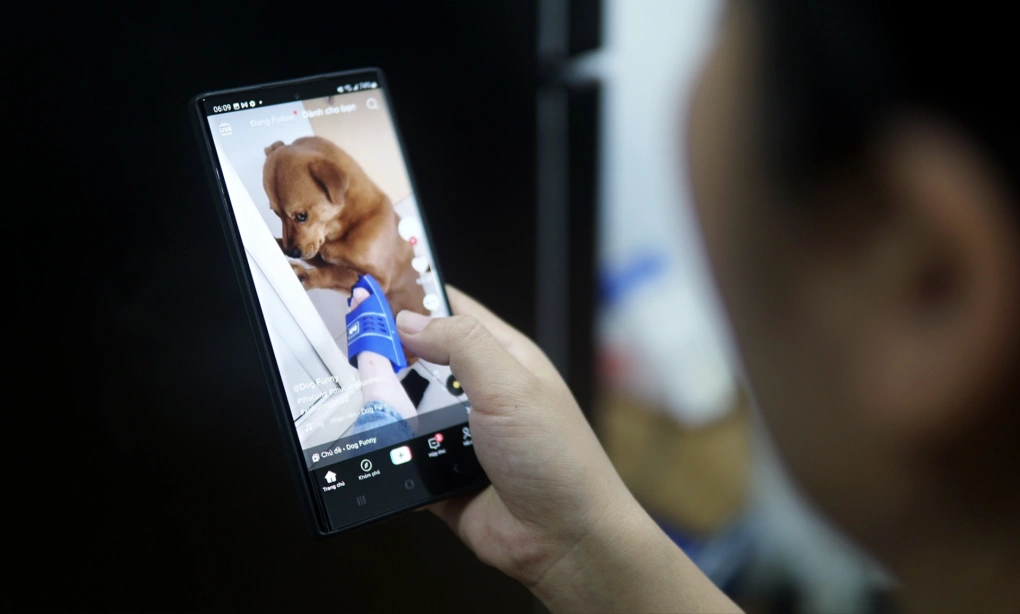
But Thang’s thumb, a pharmaceutical sales representative in Ho Chi Minh City, does not rest for a single second. It continuously and unconsciously swipes upward through short videos on TikTok and Facebook, from the moment he enters the café until the moment he leaves.
“Whenever I’m not in a good mood, I scroll even more as a reflex,” Thang shared, describing the feeling of being carried away like someone drifting into a hazy, numb state. “The more I watch, the more exhausted and empty-headed I feel, but five minutes after putting my phone down, my hand automatically reaches for it again.”
For many people, this addiction creeps into even the most private corners of their lives and destroys their sleep. Sang, 28, a communications specialist, used to reward himself with 15–20 minutes of phone scrolling before bed to relieve stress after a long workday. But the boundaries of self-control quickly blurred as he was repeatedly drawn into sensational drama videos and online exposés.
“At first, I only planned to watch a few clips, but when I suddenly looked at the clock, it was already 2 or 3 a.m.,” Sang recalled. Any night he scrolled on his phone became a sleepless night, his mind tense with thoughts about the meaningless content he had just consumed. The next day began with exhaustion, forgetfulness, and a body that felt sluggish and lifeless.
Sang’s ability to think systematically and his creativity as a professional content creator became completely frozen. He could no longer connect big ideas for campaigns; his thinking fragmented into scattered pieces of information, and he became more easily irritated with colleagues.
The syndrome known as “brain rot,” or the mental fog caused by continuously watching short videos, is no longer just a self-deprecating joke. It has become a widespread and genuine mental health issue. According to a report by DataReportal, by early 2024 Vietnam had approximately 67.72 million TikTok users aged 18 and above, making the country one of the largest TikTok markets in Southeast Asia.
Research from the Max Planck Institute for Human Development indicates that the rapid increase in digital content is significantly reducing attention spans, constantly pushing people toward newer and more stimulus. This explosion has been fueled by fierce competition among platforms, with Meta reporting that Reels accounts for more than 20% of users’ time on Instagram, while YouTube Shorts generates tens of billions of views every day.
This cognitive exhaustion stems from highly sophisticated content-distribution mechanisms. Vuong Nguyen Toan Thien, a clinical psychology master’s degree holder and Professional Director of Lumos Counseling and Psychological Therapy Center, explained that cognitive fatigue occurs when the nervous system becomes overloaded from processing an overwhelming volume of information and constantly switching between hundreds of different pieces of content. This temporarily impairs executive control functions in the prefrontal cortex, the area responsible for planning and impulse control.
The AI-powered recommendation algorithms used by these platforms function like digital slot machines, delivering variable rewards that make it impossible for users to predict what the next video will be. This mechanism generates massive amounts of instant dopamine, fundamentally different from the healthy dopamine produced through perseverance in achieving long-term goals.
One long-term consequence of short-video addiction is the decline of deep thinking and patience. Based on the principle of neuroplasticity, when the brain is trained to respond only to stimuli lasting 15 to 30 seconds, activities that require sustained concentration, such as reading books or writing reports, become extremely difficult.
“Users gradually develop low patience, weakened communication skills, and a reduced ability to delay gratification. Interacting primarily through screens reduces opportunities to practice deep listening and to read nonverbal cues in real-life situations,” Mr. Thien observed.
In addition, the blue light emitted by smartphone screens before bedtime directly suppresses melatonin production and delays REM sleep, the stage during which the brain consolidates memories and processes emotions. As a result, users wake up feeling exhausted despite getting enough sleep, a vicious cycle that many mistakenly attribute to work-related stress.
Meanwhile, the constant state of alertness induced by screen scrolling activates the adrenal glands to release cortisol, the stress hormone. Chronically elevated cortisol levels over time can weaken the immune system and increase the risk of chronic inflammation, anxiety disorders, and depression.
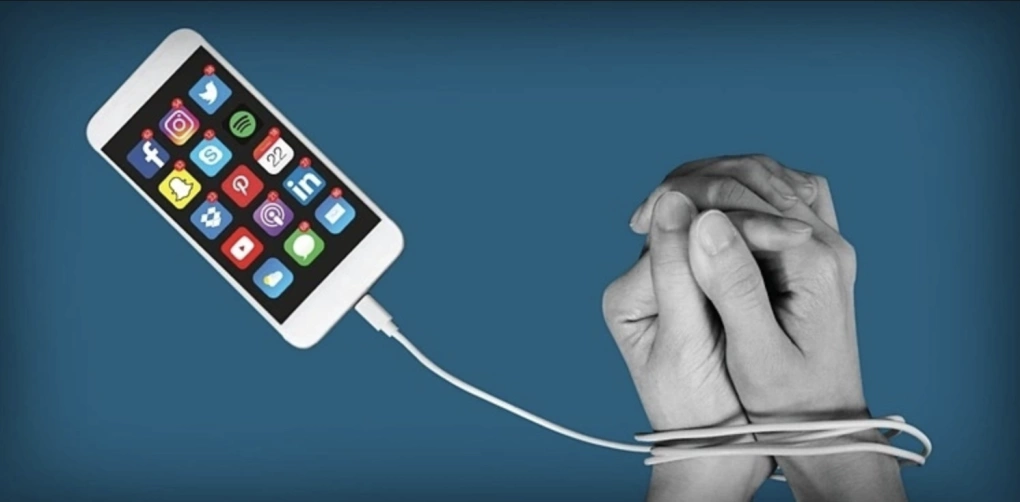
Faced with this “storm” of fragmented information, some young people are finding ways to defend themselves and regain control of their minds. After repeatedly uninstalling and reinstalling apps, Thang decided to undertake a thorough reset.
He restructured his daily routine by turning to outdoor physical activities. Instead of seeking instant dopamine from screens, he chose racket sports such as badminton and pickleball to stimulate the body’s natural dopamine production, helping enhance the responsiveness of the nervous system. On weekends, he heads to trekking routes and practices “forest bathing” so that his body can detoxify under natural sunlight.
“Your daily habits create your life,” Thang concluded after his journey of overcoming technology addiction. “Don’t grow old with regret because you sacrificed the most energetic years of your life to endless, aimless swipes on a screen.”
Meanwhile, psychologists advise users to pay attention to signs of declining real-life functioning, such as spending more time online than intended, feeling restless when away from their phones, procrastinating on work, or allowing technology to interfere with sleep.
“The good news is that the brain has a remarkable capacity to adapt and recover through practical digital detox strategies,” Mr. Thien said. Rather than pursuing extreme abstinence, he recommends that users proactively turn off unnecessary notifications, set time limits for apps, and create screen-free periods before bedtime.
Retraining attention through activities such as reading physical books, writing by hand, exercising, or simply accepting moments of boredom during the day can help the brain recover and restore its energy.
Source: https://vnexpress.net/thoi-nao-vi-nghien-luot-video-ngan-5083874.html
WORD BANK:
pharmaceutical sales representative /ˌfɑːr.məˈsuː.t̬ɪ.kəl seɪlz ˌrep.rɪˈzen.t̬ə.t̬ɪv/ (n): trình dược viên
unconsciously /ʌnˈkɑːn.ʃəs.li/ [B2] (adv): một cách vô thức
reflex /ˈriː.fleks/ [C1] (n): phản xạ
be carried away /bi ˈkær.id əˈweɪ/ (v): bị cuốn đi
drift into (a state) /drɪft ˈɪn.t̬uː/ (v): rơi dần vào (một trạng thái)
hazy /ˈheɪ.zi/ [C1] (adj): mơ hồ, không rõ ràng
numb /nʌm/ [C1] (adj): tê liệt cảm xúc, đờ đẫn
empty-headed /ˌemp.tiˈhed.ɪd/ (adj): đầu óc trống rỗng
reach for sth /riːtʃ fɔːr/ [B2] (v): với lấy cái gì
addiction /əˈdɪk.ʃən/ [B2] (n): sự nghiện
creep into sth /kriːp ˈɪn.t̬uː/ (v): len lỏi vào
scroll /skroʊl/ [B2] (v): lướt (màn hình)
boundary /ˈbaʊn.dɚ.i/ [B2] (n): ranh giới
blur /blɝː/ [C1] (v): làm mờ, xóa nhòa
be drawn into sth /bi drɔːn ˈɪn.t̬uː/ (v): bị lôi cuốn vào
sensational /senˈseɪ.ʃən.əl/ [C1] (adj): giật gân
exposé /ekˈspoʊ.zeɪ/ [C2] (n): phóng sự điều tra, bài vạch trần
tense with sth /tens wɪð/ (adj): căng thẳng vì điều gì
consume (content) /kənˈsuːm/ [B2] (v): xem, tiêu thụ nội dung
sluggish /ˈslʌɡ.ɪʃ/ [C1] (adj): uể oải, chậm chạp
fragmented /ˈfræɡ.mən.t̬ɪd/ [C1] (adj): rời rạc, phân mảnh
scattered /ˈskæt̬.ɚd/ [C1] (adj): phân tán, thiếu tập trung
irritate /ˈɪr.ə.teɪt/ [B2] (v): làm khó chịu
syndrome /ˈsɪn.droʊm/ [C1] (n): hội chứng
brain rot /ˈbreɪn rɑːt/ (n): chứng “thối não”, suy giảm khả năng tập trung do nội dung số
mental fog /ˈmen.t̬əl fɑːɡ/ (n): trạng thái đầu óc mơ hồ
self-deprecating joke /ˌself dɪˈpreɪ.keɪ.t̬ɪŋ dʒoʊk/ (n): câu nói đùa tự giễu
genuine /ˈdʒen.ju.ɪn/ [B2] (adj): chân thật, thực sự
attention span /əˈten.ʃən spæn/ (n): khoảng thời gian tập trung
stimulus (plural: stimuli) /ˈstɪm.jə.ləs/ [C1] (n): các tác nhân kích thích
fuel /ˈfjuː.əl/ [C1] (v): thúc đẩy, làm gia tăng
fierce competition /fɪrs ˌkɑːm.pəˈtɪʃ.ən/ (n): sự cạnh tranh khốc liệt
cognitive exhaustion /ˈkɑːɡ.nə.t̬ɪv ɪɡˈzɔːs.tʃən/ (n): sự kiệt quệ nhận thức
stem from sth /stem frəm/ [B2] (v): bắt nguồn từ
sophisticated /səˈfɪs.tə.keɪ.t̬ɪd/ [C1] (adj): tinh vi
mechanism /ˈmek.ə.nɪ.zəm/ [B2] (n): cơ chế
content-distribution mechanism (n): cơ chế phân phối nội dung
clinical psychology /ˈklɪn.ɪ.kəl saɪˈkɑː.lə.dʒi/ (n): tâm lý học lâm sàng
counseling /ˈkaʊn.səl.ɪŋ/ [C1] (n): tư vấn tâm lý
fatigue /fəˈtiːɡ/ [C1] (n): sự mệt mỏi
psychological therapy /ˌsaɪ.kəˈlɑː.dʒɪ.kəl ˈθer.ə.pi/ (n): liệu pháp tâm lý
impair /ɪmˈper/ [C1] (v): làm suy giảm
prefrontal cortex /ˌpriːˈfrʌn.t̬əl ˈkɔːr.teks/ (n): vỏ não trước trán
impulse /ˈɪm.pʌls/ [C1] (n): sự thôi thúc bộc phát
algorithm /ˈæl.ɡə.rɪ.ðəm/ [C1] (n): thuật toán
slot machine /ˈslɑːt məˌʃiːn/ (n): máy đánh bạc tự động
variable /ˈver.i.ə.bəl/ [B2] (adj): thay đổi, biến đổi
instant /ˈɪn.stənt/ [B2] (adj): tức thì
dopamine /ˈdoʊ.pə.miːn/ (n): dopamine
fundamentally /ˌfʌn.dəˈmen.t̬əl.i/ [C1] (adv): về cơ bản
perseverance /ˌpɝː.səˈvɪr.əns/ [C1] (n): sự kiên trì
consequence /ˈkɑːn.sə.kwens/ [B2] (n): hậu quả
principle /ˈprɪn.sə.pəl/ [B2] (n): nguyên tắc
neuroplasticity /ˌnʊr.oʊ.plæsˈtɪs.ə.t̬i/ (n): tính dẻo của não bộ
sustained concentration /səˈsteɪnd ˌkɑːn.sənˈtreɪ.ʃən/ (n): sự tập trung kéo dài
delay sth /dɪˈleɪ/ [B2] (v): trì hoãn
gratification /ˌɡræt̬.ə.fəˈkeɪ.ʃən/ [C1] (n): sự thỏa mãn
primarily /praɪˈmer.ə.li/ [B2] (adv): chủ yếu
nonverbal cue /ˌnɑːnˈvɝː.bəl kjuː/ (n): tín hiệu phi ngôn ngữ
emit /iˈmɪt/ [C1] (v): phát ra
suppress sth /səˈpres/ [C1] (v): ức chế, kìm hãm
melatonin /ˌmel.əˈtoʊ.nɪn/ (n): melatonin
consolidate sth /kənˈsɑː.lə.deɪt/ [C1] (v): củng cố
a vicious cycle /ə ˈvɪʃ.əs ˈsaɪ.kəl/ (n): vòng luẩn quẩn
mistakenly /mɪˈsteɪ.kən.li/ [B2] (adv): một cách nhầm lẫn
attribute sth to sth /əˈtrɪb.juːt/ [C1] (v): quy cho cái gì là do cái gì
alertness /əˈlɝːt.nəs/ (n): sự tỉnh táo
induce sth /ɪnˈduːs/ [C1] (v): gây ra
adrenal gland /əˈdriː.nəl ɡlænd/ (n): tuyến thượng thận
cortisol /ˈkɔːr.t̬ə.sɔːl/ (n): cortisol
chronically elevated /ˈkrɑː.nɪ.kəl.i ˈel.ə.veɪ.t̬ɪd/ (adj): tăng cao kéo dài
immune system /ɪˈmjuːn ˈsɪs.təm/ [B2] (n): hệ miễn dịch
chronic /ˈkrɑː.nɪk/ [C1] (adj): mãn tính, kéo dài
chronic inflammation /ˌkrɑː.nɪk ˌɪn.fləˈmeɪ.ʃən/ (n): viêm mãn tính
undertake sth /ˌʌn.dɚˈteɪk/ [C1] (v): đảm nhận, thực hiện
thorough /ˈθɝː.oʊ/ [C1] (adj): kỹ lưỡng
restructure /ˌriːˈstrʌk.tʃɚ/ (v): tái cấu trúc
racket /ˈræk.ɪt/ (n): tiếng ồn huyên náo
responsiveness /rɪˈspɑːn.sɪv.nəs/ (n): khả năng phản hồi
trekking route /ˈtrek.ɪŋ ruːt/ (n): tuyến đường đi bộ đường dài
detoxify /diːˈtɑːk.sə.faɪ/ (v): thải độc
sacrifice /ˈsæk.rə.faɪs/ (v): hy sinh, đánh đổi
aimless /ˈeɪm.ləs/ [C1] (adj): vô định
restless /ˈrest.ləs/ [B2] (adj): bồn chồn
procrastinate on sth /proʊˈkræs.tə.neɪt ɑːn/ [C1] (v): trì hoãn việc gì
interfere with /ˌɪn.t̬ɚˈfɪr wɪð/ [B2] (v): cản trở, gây ảnh hưởng đến
adapt /əˈdæpt/ [B2] (v): thích nghi
digital detox /ˌdɪdʒ.ə.t̬əl ˈdiː.tɑːks/ (n): cai nghiện thiết bị số
extreme abstinence /ɪkˌstriːm ˈæb.stə.nəns/ (n): sự kiêng hoàn toàn
proactively /ˌproʊˈæk.tɪv.li/ [C1] (adv): một cách chủ động
ỦNG HỘ READ TO LEAD!
Chào bạn! Có thể bạn chưa biết, Read to Lead là một trang giáo dục phi lợi nhuận với mục đích góp phần phát triển cộng đồng người học tiếng Anh tại Việt Nam. Chúng tôi không yêu cầu người đọc phải trả bất kỳ chi phí nào để sử dụng các sản phẩm của mình để mọi người đều có cơ hội học tập tốt hơn. Tuy nhiên, nếu bạn có thể, chúng tôi mong nhận được sự hỗ trợ tài chính từ bạn để duy trì hoạt động của trang và phát triển các sản phẩm mới.
Bạn có thể ủng hộ chúng tôi qua 1 trong 2 cách dưới đây.
– Cách 1: Chuyển tiền qua tài khoản Momo.
Số điện thoại 0947.886.865 (Chủ tài khoản: Nguyễn Tiến Trung)
Nội dung chuyển tiền: Ủng hộ Read to Lead
hoặc
– Cách 2: Chuyển tiền qua tài khoản ngân hàng.
Ngân hàng VIB chi nhánh Hải Phòng
Số tài khoản: 012704060048394 (Chủ tài khoản: Nguyễn Tiến Trung)
Nội dung chuyển tiền: Ủng hộ Read to Lead
Lớp luyện thi IELTS online
Bạn đang có nhu cầu thi chứng chỉ IELTS cho đầu vào đại học, đi du học, xin việc hay xin cư trú và đang phân vân chưa biết học ở đâu?
Nếu bạn đang tìm kiếm dịch vụ luyện thi IELTS online với giáo viên uy tín và chất lượng, cũng như học phí phải chăng, thì thầy Trung và Cô Thủy (Admin và dịch giả chính của Read to Lead) có thể là một lựa chọn phù hợp dành cho bạn.
Hãy liên hệ (nhắn tin) tới trang Facebook cá nhân của mình (https://www.facebook.com/nguyen.trung.509) để tìm hiểu về lớp học và được tư vấn cũng như được học thử nha!


