


[Reading level: B2 – Upper Intermediate]
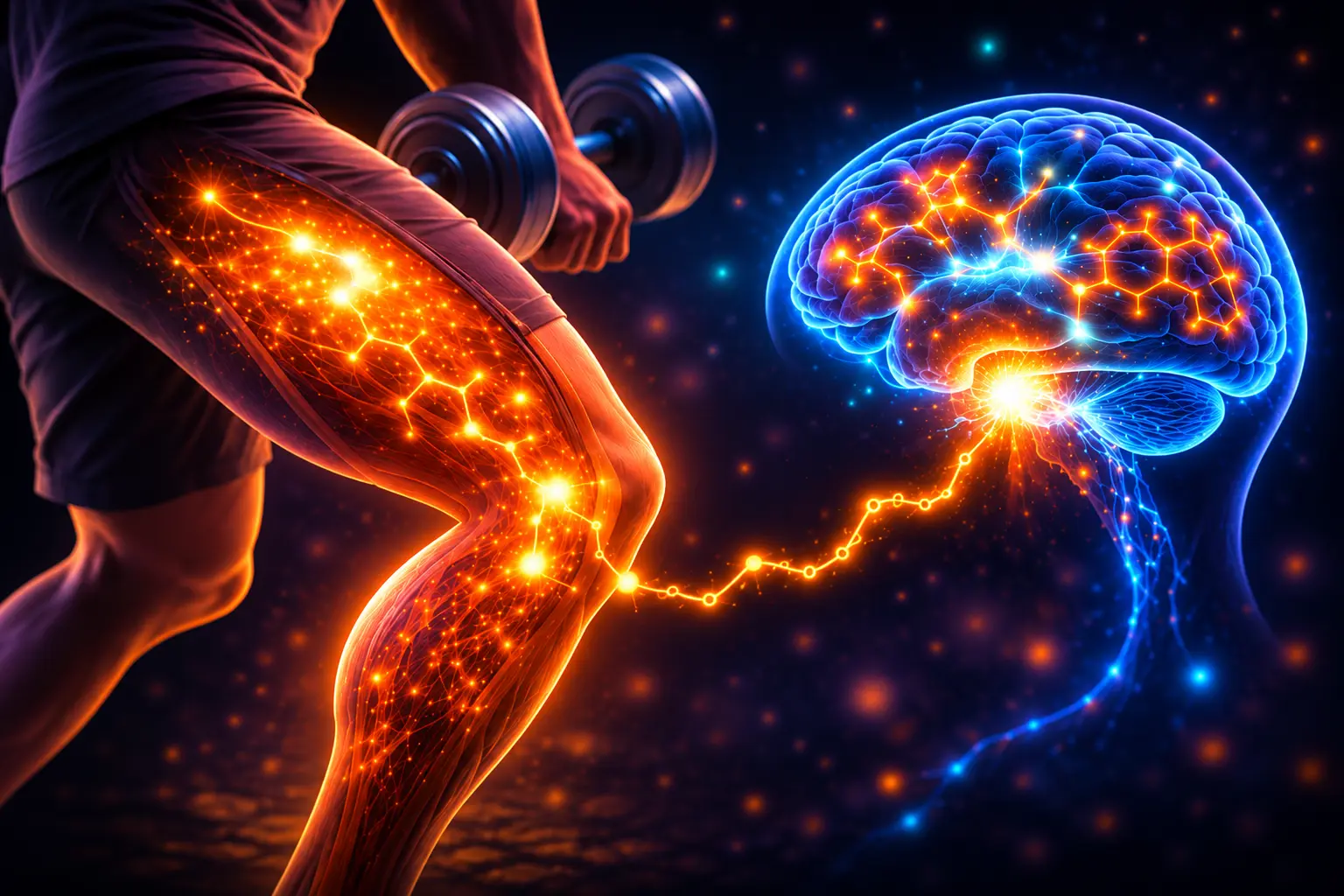
A study conducted by researchers at King’s College London in the UK found that people with stronger leg muscles tend to maintain better cognitive function as they age. They may also have more gray matter in their brains than those with lower leg power.
The study was published in the journal Gerontology in 2015 and involved 324 female twins, whose average age at the beginning of the study was around 55. The researchers measured the participants’ leg power and monitored changes in their cognitive abilities over approximately 10 years.
The results showed that women with greater leg power generally experienced less cognitive decline. Notably, among those who underwent magnetic resonance imaging (MRI) scans, greater leg power was also associated with a larger volume of gray matter. This pattern was also observed when comparing identical twins, who have nearly identical genetic characteristics.
According to the researchers’ statistical analysis, a difference of 40 watts in leg power was associated with a difference in cognitive performance equivalent to approximately 3.3 years of age. However, this does not mean that increasing leg power by 40 watts will make the brain 3.3 years younger.
Scientists suggest that the link between muscle activity and brain health may be partly explained by the physiological effects of exercise. When muscles are active, the body releases signaling molecules called myokines. Some of these molecules are being studied for their potential effects on processes related to the health of nerve cells.
In addition, regular exercise can improve cardiovascular health, support blood circulation, and influence factors related to the brain’s ability to adapt, including brain-derived neurotrophic factor (BDNF). This protein plays an important role in the survival, development, and connectivity of nerve cells.
However, it is important to emphasize that the study primarily identified an association between leg power and cognitive health. It did not prove that increasing leg strength directly increases gray matter volume or prevents brain atrophy. People with stronger leg muscles may also be more physically active and have better overall health.
Nevertheless, the recommendation remains that you maintain habits such as walking, climbing stairs, cycling, or doing exercises that strengthen your leg muscles. These activities are not only beneficial for physical mobility but may also help support brain health as you grow older.
WORD BANK:
conduct sth /kənˈdʌkt/ [B2] (v): tiến hành, thực hiện
cognitive function /ˈkɑːɡ.nə.t̬ɪv ˈfʌŋk.ʃən/ (n): chức năng nhận thức
gray matter /ˈɡreɪ ˌmæt̬.ɚ/ (n): chất xám
twin /twɪn/ [B2] (n): người sinh đôi
identical twin /aɪˌden.t̬ɪ.kəl ˈtwɪn/ (n): người sinh đôi cùng trứng
measure sth /ˈmeʒ.ɚ/ [B1] (v): đo lường cái gì
monitor sth /ˈmɑː.nə.t̬ɚ/ [B2] (v): theo dõi, giám sát cái gì
cognitive decline /ˈkɑːɡ.nə.t̬ɪv dɪˈklaɪn/ (n): sự suy giảm nhận thức
notably /ˈnoʊ.t̬ə.bli/ [C1] (adv): đáng chú ý là
magnetic resonance imaging (MRI) /mæɡˌnet̬.ɪk ˈrez.ən.əns ˈɪm.ɪ.dʒɪŋ/ (n): kỹ thuật chụp cộng hưởng từ
pattern /ˈpæt̬.ɚn/ [B1] (n): kiểu mẫu, xu hướng, quy luật
identical /aɪˈden.t̬ɪ.kəl/ [B2] (adj): giống hệt nhau
genetic /dʒəˈnet̬.ɪk/ [B2] (adj): thuộc về di truyền
characteristic /ˌker.ək.təˈrɪs.tɪk/ [B2] (n): đặc điểm, đặc tính
statistical analysis /stəˈtɪs.tɪ.kəl əˈnæl.ə.sɪs/ (n): phân tích thống kê
equivalent to sth /ɪˈkwɪv.əl.ənt/ [C1] (adj): tương đương với cái gì
physiological effect /ˌfɪz.i.əˈlɑː.dʒɪ.kəl ɪˈfekt/ (n): tác động sinh lý
signaling /ˈsɪɡ.nəl.ɪŋ/ (adj): có chức năng truyền tín hiệu
molecule /ˈmɑː.lə.kjuːl/ [C1] (n): phân tử
nerve cell /ˈnɝːv ˌsel/ (n): tế bào thần kinh
cardiovascular health /ˌkɑːr.di.oʊˈvæs.kjə.lɚ helθ/ (n): sức khỏe tim mạch
blood circulation /ˈblʌd ˌsɝː.kjəˈleɪ.ʃən/ (n): sự tuần hoàn máu
adapt /əˈdæpt/ [B2] (v): thích nghi, thích ứng
primarily /praɪˈmer.əl.i/ [B2] (adv): chủ yếu
association /əˌsoʊ.siˈeɪ.ʃən/ [B2] (n): mối liên hệ, sự liên kết
atrophy /ˈæt.rə.fi/ (n/v): sự teo đi; bị teo lại
brain atrophy /ˈbreɪn ˌæt.rə.fi/ (n): tình trạng teo não
mobility /moʊˈbɪl.ə.t̬i/ [C1] (n): khả năng vận động, di chuyển
ỦNG HỘ READ TO LEAD!
Chào bạn! Có thể bạn chưa biết, Read to Lead là một trang giáo dục phi lợi nhuận với mục đích góp phần phát triển cộng đồng người học tiếng Anh tại Việt Nam. Chúng tôi không yêu cầu người đọc phải trả bất kỳ chi phí nào để sử dụng các sản phẩm của mình để mọi người đều có cơ hội học tập tốt hơn. Tuy nhiên, nếu bạn có thể, chúng tôi mong nhận được sự hỗ trợ tài chính từ bạn để duy trì hoạt động của trang và phát triển các sản phẩm mới.
Bạn có thể ủng hộ chúng tôi qua 1 trong 2 cách dưới đây.
– Cách 1: Chuyển tiền qua tài khoản Momo.
Số điện thoại 0947.886.865 (Chủ tài khoản: Nguyễn Tiến Trung)
Nội dung chuyển tiền: Ủng hộ Read to Lead
hoặc
– Cách 2: Chuyển tiền qua tài khoản ngân hàng.
Ngân hàng VIB chi nhánh Hải Phòng
Số tài khoản: 012704060048394 (Chủ tài khoản: Nguyễn Tiến Trung)
Nội dung chuyển tiền: Ủng hộ Read to Lead
Lớp luyện thi IELTS online
Bạn đang có nhu cầu thi chứng chỉ IELTS cho đầu vào đại học, đi du học, xin việc hay xin cư trú và đang phân vân chưa biết học ở đâu?
Nếu bạn đang tìm kiếm dịch vụ luyện thi IELTS online với giáo viên uy tín và chất lượng, cũng như học phí phải chăng, thì lớp học online của thầy Trung (Admin và dịch giả chính của Read to Lead) có thể là một lựa chọn phù hợp dành cho bạn.
Hãy liên hệ (nhắn tin) tới trang Facebook cá nhân của mình (https://www.facebook.com/nguyen.trung.509) để tìm hiểu về lớp học và được tư vấn cũng như được học thử nha!


