


[Reading level: B2 – Upper Intermediate]
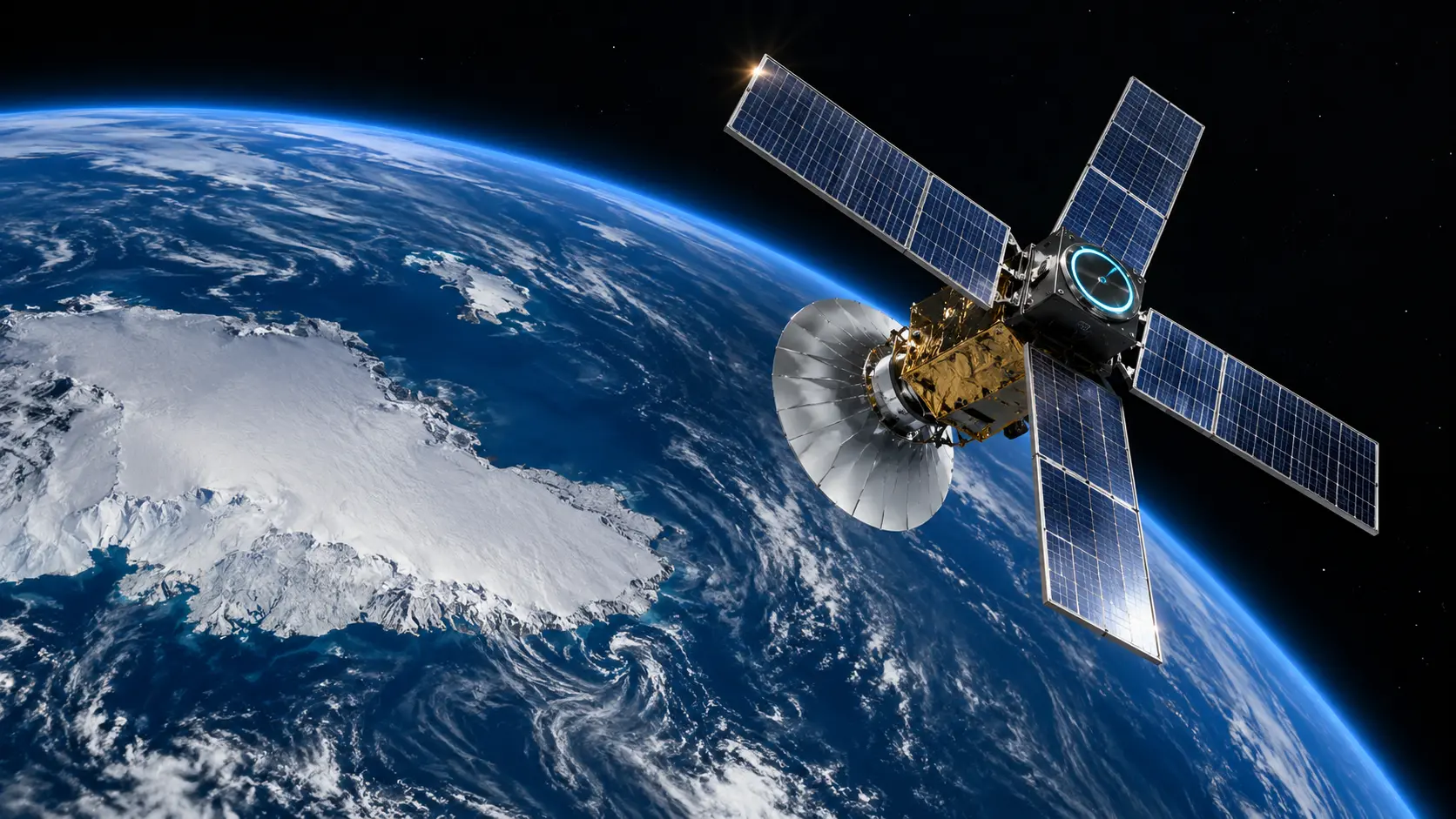
When a car runs out of fuel, it eventually stops moving. A satellite, however, behaves very differently. Even with an empty fuel tank, it can continue orbiting Earth for years, decades, or even longer, depending on its altitude.
Satellites use fuel to adjust their orbits, maintain their positions, and avoid collisions with other objects in space. Once the fuel is exhausted, they lose the ability to perform these maneuvers, although their electrical systems and scientific instruments may continue working.
Unlike aircraft, satellites do not need their engines running continuously to stay in motion. They remain in orbit because of their forward speed and Earth’s gravitational pull. Essentially, a satellite is constantly falling toward Earth, but moving sideways fast enough to keep missing the ground.
Fuel is mainly needed to change a satellite’s path. Small engines called thrusters allow it to move into higher or lower orbits, correct its position, or avoid potential collisions. Without fuel, these adjustments are no longer possible unless another propulsion system or servicing spacecraft can help.
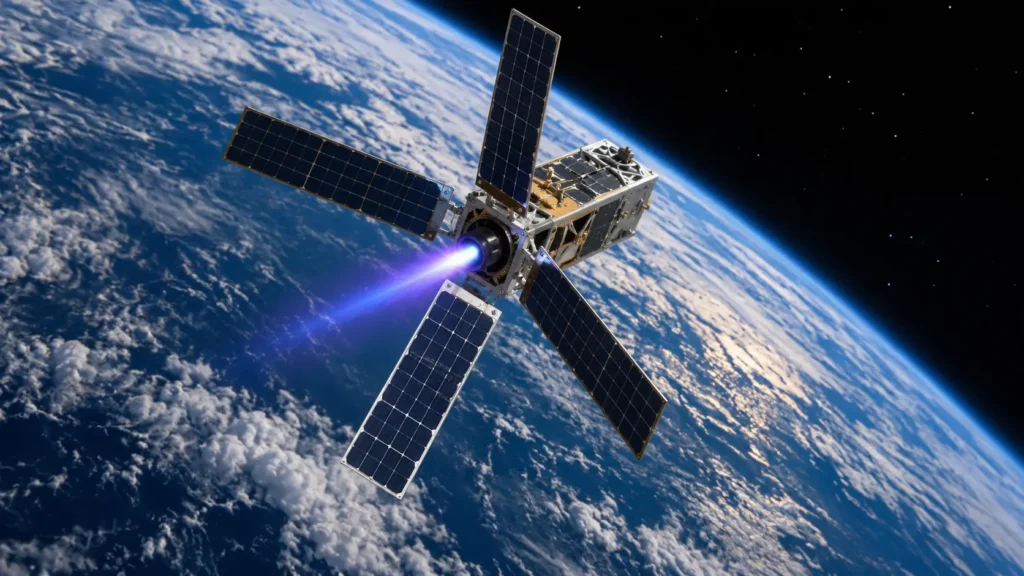
However, running out of fuel does not necessarily mean losing electrical power. Most satellites generate electricity through solar panels and store energy in batteries. Some can also control their orientation using electrically powered devices, allowing certain operations to continue even without fuel.
For satellites in low Earth orbit, the situation gradually changes over time. Although the atmosphere is extremely thin at these altitudes, it still creates resistance known as atmospheric drag. This slowly reduces a satellite’s orbital energy, causing it to descend toward Earth.
Without fuel to counteract this drag, the satellite may eventually enter the denser atmosphere, where intense heat and aerodynamic forces cause it to break apart. Much of the spacecraft may burn up, although some heat-resistant components can survive and reach the ground.
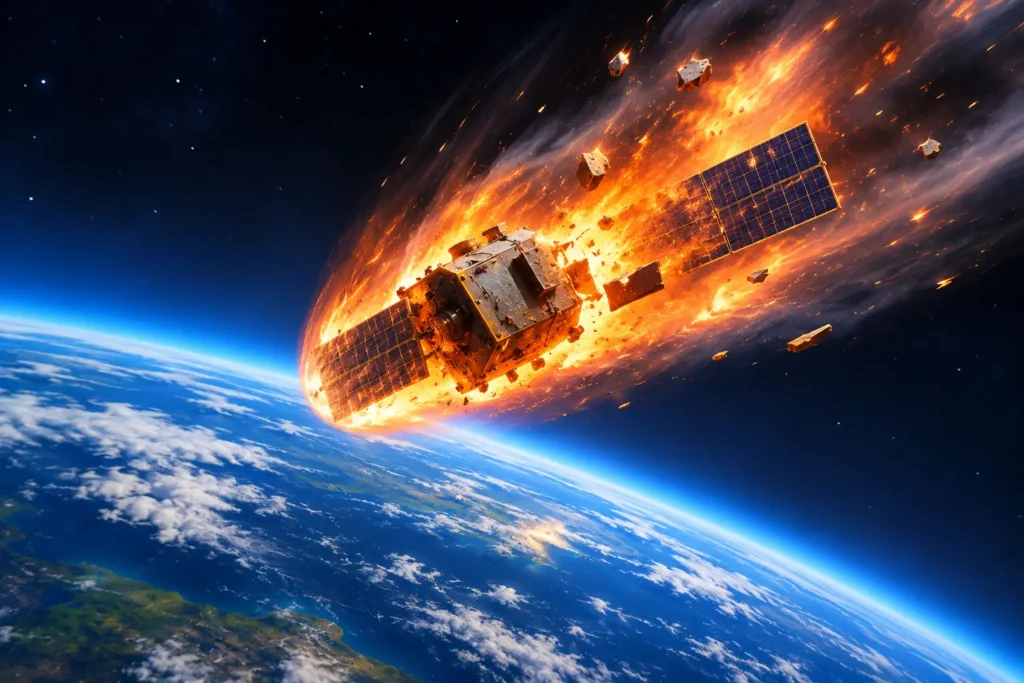
How long this takes depends on several factors, including altitude, size, mass, and atmospheric conditions. Increased solar activity can also expand Earth’s upper atmosphere, creating more drag and accelerating the satellite’s descent.
Satellites in geostationary orbit face a different fate. Located approximately 35,786 kilometers above the equator, they experience almost no atmospheric drag. Instead of falling back toward Earth, a fuel-depleted satellite may drift away from its assigned position and remain in space for an extremely long time.
To prevent abandoned satellites from becoming hazards, operators usually reserve enough fuel for safe disposal. Satellites in lower orbits can be guided toward atmospheric reentry, while geostationary satellites are typically moved into higher regions known as graveyard orbits.
Before shutting down a satellite permanently, operators may also perform a procedure called passivation. This involves releasing leftover fuel, reducing pressure inside tanks, and discharging batteries to minimize the risk of accidental explosions.
A satellite that runs out of fuel before being safely retired can become dangerous space debris. Unable to change course, it may collide with another spacecraft and produce thousands of fragments that threaten other satellites.
Ultimately, running out of fuel does not bring a satellite to an immediate stop. It simply takes away much of its ability to control its movement. Depending on where it orbits, it may eventually return to Earth or continue circling the planet long after its mission has ended.
Source: interestingengineering.com
WORD BANK:
orbit /ˈɔːr.bɪt/ [B2] (n/v): quỹ đạo; quay quanh
altitude /ˈæl.tə.tuːd/ (n): độ cao
adjust sth /əˈdʒʌst/ [B2] (v): điều chỉnh cái gì
exhausted /ɪɡˈzɑː.stɪd/ (adj): cạn kiệt, dùng hết
maneuver /məˈnuː.vɚ/ (n/v): thao tác điều khiển; điều khiển, xoay xở
scientific instrument /ˌsaɪ.ənˈtɪf.ɪk ˈɪn.strə.mənt/ (n): thiết bị khoa học
motion /ˈmoʊ.ʃən/ [B2] (n): sự chuyển động
stay in motion /steɪ ɪn ˈmoʊ.ʃən/ (v): duy trì chuyển động
gravitational pull /ˌɡræv.əˈteɪ.ʃən.əl pʊl/ (n): lực hút hấp dẫn
essentially /ɪˈsen.ʃəl.i/ [B2] (adv): về cơ bản
thruster /ˈθrʌs.tɚ/ (n): động cơ đẩy
propulsion system /prəˈpʌl.ʃən ˈsɪs.təm/ (n): hệ thống đẩy
servicing /ˈsɝː.vɪ.sɪŋ/ (n): việc bảo dưỡng, bảo trì
not necessarily /nɑːt ˌnes.əˈser.əl.i/ (adv): không nhất thiết
orientation /ˌɔːr.i.enˈteɪ.ʃən/ [C1] (n): hướng, sự định hướng
resistance /rɪˈzɪs.təns/ [B2] (n): lực cản, sự chống lại
atmospheric drag /ˌæt.məsˈfer.ɪk dræɡ/ (n): lực cản khí quyển
orbital energy /ˈɔːr.bɪ.təl ˈen.ɚ.dʒi/ (n): năng lượng quỹ đạo
descend /dɪˈsend/ [C1] (v): hạ xuống, đi xuống
descent /dɪˈsent/ [C1] (n): sự hạ xuống, quá trình đi xuống
counteract sth /ˌkaʊn.t̬ɚˈækt/ (v): chống lại, làm giảm tác động của cái gì
dense /dens/ [C1] (adj): dày đặc
intense /ɪnˈtens/ [B2] (adj): dữ dội, cực mạnh
aerodynamic force /ˌer.oʊ.daɪˈnæm.ɪk fɔːrs/ (n): lực khí động học
break apart /breɪk əˈpɑːrt/ (phr v): vỡ ra thành nhiều mảnh
heat-resistant /ˈhiːt.rɪˌzɪs.tənt/ (adj): chịu nhiệt
mass /mæs/ [B2] (n): khối lượng
accelerate sth /əkˈsel.ə.reɪt/ [C1] (v): đẩy nhanh, làm tăng tốc cái gì
geostationary /ˌdʒiː.oʊˈsteɪ.ʃən.er.i/ (adj): địa tĩnh
fate /feɪt/ [B2] (n): số phận
equator /ɪˈkweɪ.t̬ɚ/ (n): đường xích đạo
fuel-depleted /ˈfjuː.əl dɪˈpliː.tɪd/ (adj): cạn kiệt nhiên liệu
drift away from sth /drɪft əˈweɪ/ (phr v): trôi dạt ra xa cái gì
abandoned /əˈbæn.dənd/ (adj): bị bỏ rơi, bị bỏ lại
hazard /ˈhæz.ɚd/ [C1] (n): mối nguy hiểm
reserve sth /rɪˈzɝːv/ [B2] (v): dự trữ, dành riêng cái gì
disposal /dɪˈspoʊ.zəl/ [C1] (n): việc xử lý, loại bỏ
reentry /riːˈen.tri/ (n): sự quay trở lại khí quyển
graveyard /ˈɡreɪv.jɑːrd/ (n): nghĩa địa
permanently /ˈpɝː.mə.nənt.li/ [B2] (adv): vĩnh viễn
passivation /ˌpæs.ɪˈveɪ.ʃən/ (n): quá trình thụ động hóa, vô hiệu hóa năng lượng còn lại
leftover /ˈleftˌoʊ.vɚ/ (adj): còn sót lại, còn thừa
debris /dəˈbriː/ [C1] (n): mảnh vỡ, đống đổ nát
space debris /speɪs dəˈbriː/ (n): rác vũ trụ
collide with sth /kəˈlaɪd/ [C1] (v): va chạm với cái gì
fragment /ˈfræɡ.mənt/ [C1] (n): mảnh vỡ, mảnh nhỏ
ỦNG HỘ READ TO LEAD!
Chào bạn! Có thể bạn chưa biết, Read to Lead là một trang giáo dục phi lợi nhuận với mục đích góp phần phát triển cộng đồng người học tiếng Anh tại Việt Nam. Chúng tôi không yêu cầu người đọc phải trả bất kỳ chi phí nào để sử dụng các sản phẩm của mình để mọi người đều có cơ hội học tập tốt hơn. Tuy nhiên, nếu bạn có thể, chúng tôi mong nhận được sự hỗ trợ tài chính từ bạn để duy trì hoạt động của trang và phát triển các sản phẩm mới.
Bạn có thể ủng hộ chúng tôi qua 1 trong 2 cách dưới đây.
– Cách 1: Chuyển tiền qua tài khoản Momo.
Số điện thoại 0947.886.865 (Chủ tài khoản: Nguyễn Tiến Trung)
Nội dung chuyển tiền: Ủng hộ Read to Lead
hoặc
– Cách 2: Chuyển tiền qua tài khoản ngân hàng.
Ngân hàng VIB chi nhánh Hải Phòng
Số tài khoản: 012704060048394 (Chủ tài khoản: Nguyễn Tiến Trung)
Nội dung chuyển tiền: Ủng hộ Read to Lead
Lớp luyện thi IELTS online
Bạn đang có nhu cầu thi chứng chỉ IELTS cho đầu vào đại học, đi du học, xin việc hay xin cư trú và đang phân vân chưa biết học ở đâu?
Nếu bạn đang tìm kiếm dịch vụ luyện thi IELTS online với giáo viên uy tín và chất lượng, cũng như học phí phải chăng, thì lớp học online của thầy Trung (Admin và dịch giả chính của Read to Lead) có thể là một lựa chọn phù hợp dành cho bạn.
Hãy liên hệ (nhắn tin) tới trang Facebook cá nhân của mình (https://www.facebook.com/nguyen.trung.509) để tìm hiểu về lớp học và được tư vấn cũng như được học thử nha!


