


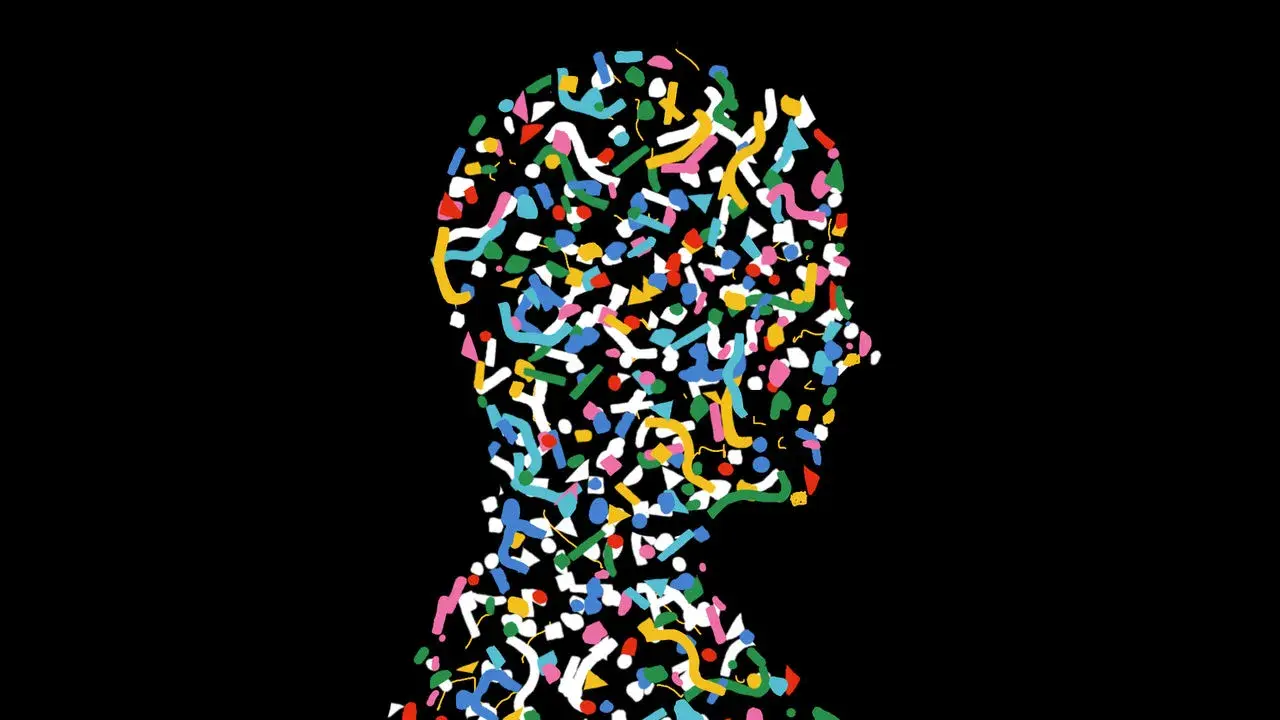
Plastic is everywhere. It’s in our clothes, our food – even the air we breathe. So, it’s no surprise that plastic is also in our bodies. But how exactly do these microscopic particles affect our health?
Micro and nanoplastics generally enter our bodies in one of three ways: through the air, through our skin, and most commonly, through what we eat and drink.
While processed foods have the most plastic, particles have infiltrated our farms and seas, making their way into most seafood, meat, and produce.
Plastic packaging sheds particles into whatever it touches— a single liter of bottled water can contain over 200,000 of them. Even metal cans and paper wrappers often hide plastic linings.
At home, particles enter our food from plastic cutting boards and Teflon cookware.
Plastic storage containers are especially bad— microwaving food in these can release millions of particles into your leftovers.
The amount of plastic you breathe depends on your environment. Urban areas and indoor spaces contain more airborne particles than rural ones, but most people inhale tens of thousands of particles a day.
Finally, beauty and personal care products let plastics and toxic chemicals seep into our skin.
Once inside, nanoplastics are small enough to pass through most cell membranes and settle deep in our tissues. Our bodies recognize these invaders and trigger inflammation to remove the foreign particles.
But since our natural defenses can’t break down plastic, the inflammatory response can trigger repeatedly, causing long term damage.
For example, particles circulating through the respiratory system can trigger widespread inflammation that impairs breathing and contributes to asthma and pneumonia.
Worse still, inflammation brings an influx of blood to these tissues, which plastics use to hitch a ride throughout the body.
Particles have been detected in our livers, spleens, muscles, bones, and even our brains.
It’s hard to say exactly how much plastic is in any one person, but these particles are just the tip of the iceberg.
There are over 16,000 chemicals involved in plastic production, and whenever plastic enters your body, some of these chemicals do too. The vast majority of these have health impacts we don’t yet understand, making it tricky to link specific health issues with specific chemicals and plastics.
However, researchers have identified a few particularly dangerous groups.
Endocrine disrupting chemicals— such as phthalates, PFAS, and BPA— are known to alter hormonal activity, wreaking havoc across the body.
By activating or inhibiting hormone receptors, EDCs can hijack our metabolisms, increasing the risk for obesity and type 2 diabetes.
They can mimic testosterone and estrogen, confusing our body’s hormonal balance.
In women, high phthalate levels have been linked with pregnancy complications. And in men, high BPA exposure has been connected to lower sperm count. In fact, research suggests these chemicals have contributed to the global decline in sperm count over the past 50 years.
Today, most people encounter these chemicals before they’re even born.
A study on over 300 pre-teens found that exposure to EDCs in utero may have impacted when they entered puberty over a decade later.
It’s easy to feel overwhelmed by this plastic plague.
After all, there are no medical interventions for getting this material out of our bodies. And data suggests these particles accumulate inside us faster than we excrete them through sweat, urine, and feces.
But small choices you make each day can reduce how much plastic enters your body.
When buying clothes, look for pieces made from natural fibers without toxic chemicals.
Swap your plastic cutting boards and storage containers for wood, stainless steel, and glass replacements.
Eliminate single use plastic and buy fresh, unpackaged foods whenever possible.
The more people stop buying plastic, the less of it we’ll see.
But fixing a problem this big requires big solutions.
Just like gasoline, plastic is a petrochemical product made and sold at a massive scale. So it’s going to take legislation on the local, state, and country level to make this material safer and regulate just how much of it we put into our world and our bodies.
Source: TED-Ed
WORD BANK:
microscopic particle /ˌmaɪ.krəˈskɑː.pɪk ˈpɑːr.t̬ɪ.kəl/ (n): hạt vi nhựa
nanoplastic /ˌnæn.oʊˈplæs.tɪk/ (n): nano nhựa
infiltrate /ˈɪn.fɪl.treɪt/ [C1] (v): xâm nhập
shed sth /ʃed/ (v): rơi ra, thải ra
paper wrapper /ˈpeɪ.pɚ ˈræp.ɚ/ (n): giấy gói
lining /ˈlaɪ.nɪŋ/ (n): lớp lót
cutting board /ˈkʌt̬.ɪŋ bɔːrd/ (n): thớt
Teflon /ˈtef.lɑːn/ (n): Teflon (chất chống dính)
cookware /ˈkʊk.wer/ (n): dụng cụ nấu ăn
microwave /ˈmaɪ.kroʊ.weɪv/ (v): hâm bằng lò vi sóng
leftover /ˈleftˌoʊ.vɚ/ (n): phần thức ăn còn lại
airborne /ˈer.bɔːrn/ (adj): trong không khí
inhale /ɪnˈheɪl/ (v): hít vào
seep into sth /siːp ˈɪn.tuː/ (v): thấm vào
cell membrane /sel ˈmem.breɪn/ (n): màng tế bào
settle /ˈset̬.əl/ (v): lắng xuống
tissue /ˈtɪʃ.uː/ (n): mô
invader /ɪnˈveɪ.dɚ/ (n): kẻ xâm nhập
trigger sth /ˈtrɪɡ.ɚ/ (v): gây ra
inflammation /ˌɪn.fləˈmeɪ.ʃən/ (n): sự viêm
foreign /ˈfɔːr.ən/ (adj): lạ
respiratory system /rɪˈspɪr.ə.tɔːr.i ˈsɪs.təm/ (n): hệ hô hấp
impair sth /ɪmˈper/ (v): làm suy giảm, làm yếu đi, làm hỏng cái gì đó
asthma /ˈæz.mə/ (n): bệnh hen suyễn
pneumonia /nuːˈmoʊ.njə/ (n): viêm phổi
an influx of sth /ˈɪn.flʌks/ (n): sự tràn vào (số lượng lớn) của cái gì đó
hitch a ride /hɪtʃ ə raɪd/ (v): đi nhờ
detect sth /dɪˈtekt/ (v): phát hiện
spleen /spliːn/ (n): lá lách
the tip of the iceberg /ðə tɪp əv ði ˈaɪs.bɝːɡ/ (idiom): phần nổi của tảng băng chìm
tricky /ˈtrɪk.i/ (adj): khó xử lý
endocrine /ˈen.də.krɪn/ (adj): nội tiết
phthalate /ˈθæl.eɪt/ (n): một hợp chất hóa học được sử dụng trong sản xuất nhựa, được cho là có hại cho sức khỏe.
alter sth /ˈɔːl.tɚ/ (v): làm thay đổi cái gì đó
hormonal activity /hɔːrˈmoʊ.nəl ækˈtɪv.ə.t̬i/ (n): hoạt động hormone
wreak havoc /riːk ˈhæv.ək/ (v): tàn phá nghiêm trọng
inhibit sth /ɪnˈhɪb.ɪt/ (v): ức chế
receptor /rɪˈsep.tɚ/ (n): thụ thể
hijack sth /ˈhaɪ.dʒæk/ (v): chiếm quyền điều khiển
metabolism /məˈtæb.ə.lɪ.zəm/ (n): sự trao đổi chất
obesity /oʊˈbiː.sə.t̬i/ (n): béo phì
diabetes /ˌdaɪ.əˈbiː.t̬iːz/ (n): bệnh tiểu đường
mimic sth /ˈmɪm.ɪk/ (v): bắt chước
testosterone /tesˈtɑː.stə.roʊn/ (n): testosterone
estrogen /ˈes.trə.dʒən/ (n): estrogen
pregnancy complication /ˈpreɡ.nən.si ˌkɑːm.plɪˈkeɪ.ʃən/ (n): biến chứng thai kỳ
sperm /spɝːm/ (n): tinh trùng
sb/sth count /kaʊnt/ (n): số lượng ai đó/cái gì đó
utero /ˈjuː.tə.roʊ/ (n): tử cung
enter puberty /ˈen.tɚ ˈpjuː.bɚ.t̬i/ (v): bước vào tuổi dậy thì
overwhelm /ˌoʊ.vɚˈwelm/ (v): làm cho choáng ngợp
plague /pleɪɡ/ (n): tai họa
medical intervention /ˈmed.ɪ.kəl ˌɪn.t̬ɚˈven.ʃən/ (n): can thiệp y tế
accumulate /əˈkjuː.mjə.leɪt/ (v): tích tụ
excrete /ɪkˈskriːt/ (v): bài tiết
urine /ˈjʊr.ɪn/ (n): nước tiểu
feces /ˈfiː.siːz/ (n): phân
fiber /ˈfaɪ.bɚ/ (n): sợi
swap sth for sth /swɑːp/ (v): thay thế cái này bằng cái khác
stainless steel /ˌsteɪn.ləs ˈstiːl/ (n): thép không gỉ
eliminate sth /ɪˈlɪm.ə.neɪt/ (v): loại bỏ
petrochemical product /ˌpet.roʊˈkem.ɪ.kəl ˈprɑː.dʌkt/ (n): sản phẩm hóa dầu
massive /ˈmæs.ɪv/ (adj): khổng lồ
legislation /ˌledʒ.ɪˈsleɪ.ʃən/ (n): pháp luật
regulate sth /ˈreɡ.jə.leɪt/ (v): điều chỉnh
ỦNG HỘ READ TO LEAD!
Chào bạn! Có thể bạn chưa biết, Read to Lead là một trang giáo dục phi lợi nhuận với mục đích góp phần phát triển cộng đồng người học tiếng Anh tại Việt Nam. Chúng tôi không yêu cầu người đọc phải trả bất kỳ chi phí nào để sử dụng các sản phẩm của mình để mọi người đều có cơ hội học tập tốt hơn. Tuy nhiên, nếu bạn có thể, chúng tôi mong nhận được sự hỗ trợ tài chính từ bạn để duy trì hoạt động của trang và phát triển các sản phẩm mới.
Bạn có thể ủng hộ chúng tôi qua 1 trong 2 cách dưới đây.
– Cách 1: Chuyển tiền qua tài khoản Momo.
Số điện thoại 0947.886.865 (Chủ tài khoản: Nguyễn Tiến Trung)
Nội dung chuyển tiền: Ủng hộ Read to Lead
hoặc
– Cách 2: Chuyển tiền qua tài khoản ngân hàng.
Ngân hàng VIB chi nhánh Hải Phòng
Số tài khoản: 012704060048394 (Chủ tài khoản: Nguyễn Tiến Trung)
Nội dung chuyển tiền: Ủng hộ Read to Lead
Lớp luyện thi IELTS online
Bạn đang có nhu cầu thi chứng chỉ IELTS cho đầu vào đại học, đi du học, xin việc hay xin cư trú và đang phân vân chưa biết học ở đâu?
Nếu bạn đang tìm kiếm dịch vụ luyện thi IELTS online với giáo viên uy tín và chất lượng, cũng như học phí phải chăng, thì thầy Trung và Cô Thủy (Admin và dịch giả chính của Read to Lead) có thể là một lựa chọn phù hợp dành cho bạn.
Hãy liên hệ (nhắn tin) tới trang Facebook cá nhân của mình (https://www.facebook.com/nguyen.trung.509) để tìm hiểu về lớp học và được tư vấn cũng như được học thử nha!


