


[Reading level: B2 – Upper Intermediate]
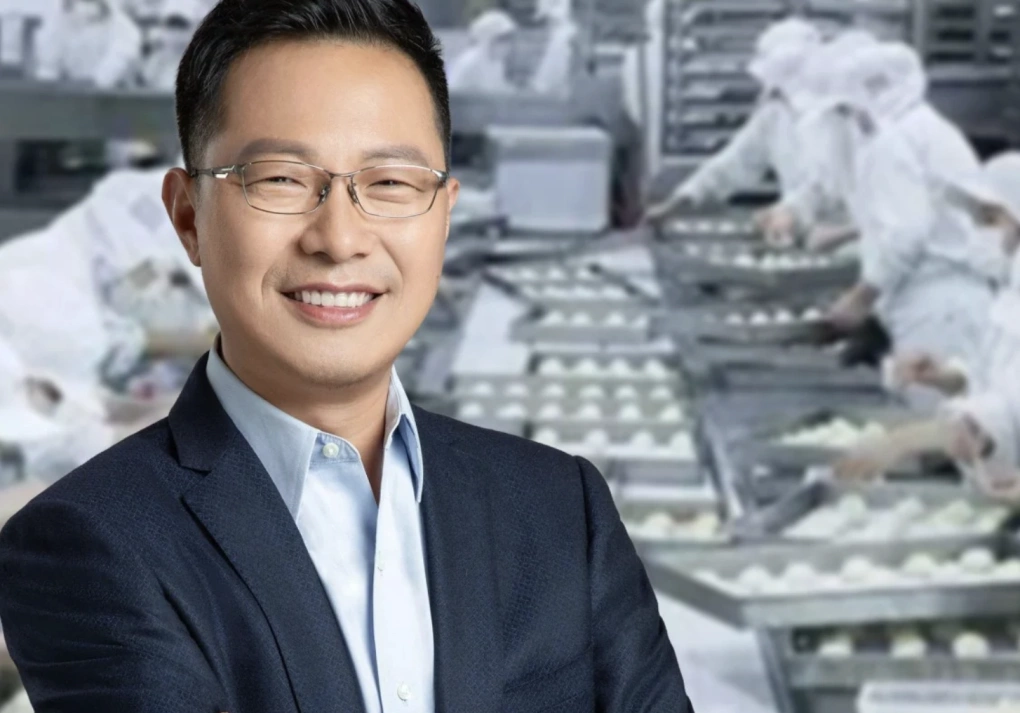
Despite owning a chain of 5,600 stores and assets of nearly 600 million USD, Liu Huiping’s real estate portfolio remains completely empty.
“I have never bought a house. To me, a house is just a place to stay, while real assets must circulate to create value,” said billionaire Liu Huiping, 49.
The billionaire’s simplicity is not only reflected in his choice to rent a home. In his office, there is only a calligraphy piece with the word “Change” and an old pair of cloth shoes—a keepsake reminding him of his early entrepreneurial days.
His distinctive mindset stems from a life journey full of hardship. In 1998, with 4,000 yuan (about 580 USD) borrowed, the young Liu went to Shanghai to start a business but failed. To survive, he did all kinds of jobs, from selling seafood to slaughtering poultry for hire.
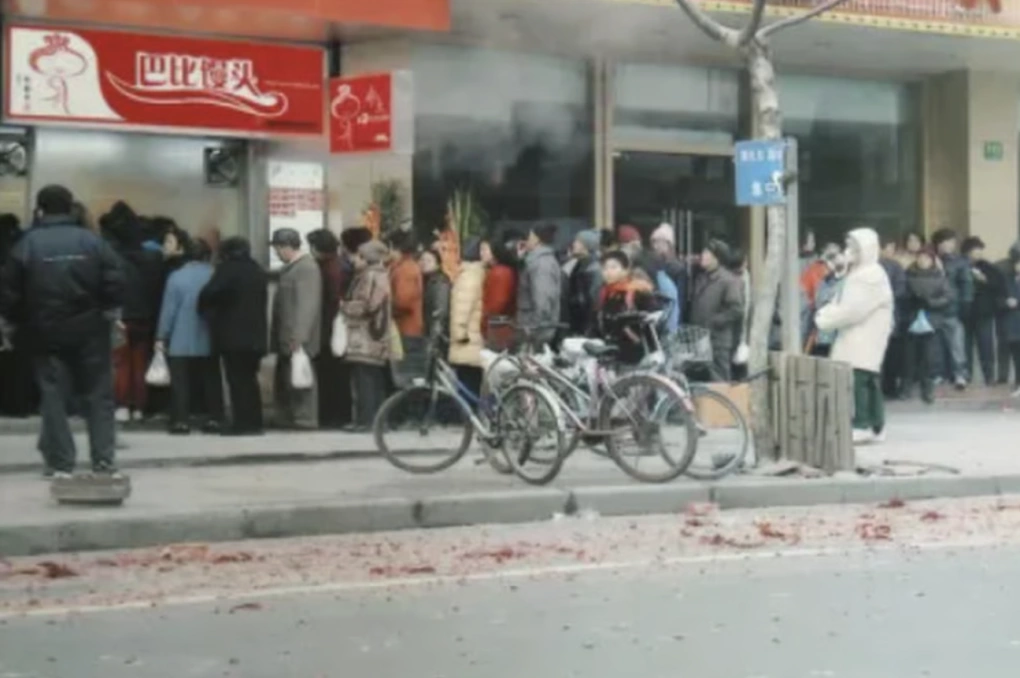
By 2001, when he reopened a steamed bun stall, Liu Huiping had gone to taste buns at every shop in the area. He realized their common weaknesses were poor hygiene and machine-made fillings that resulted in bland flavors. He decided to use premium pork and insisted on hand-mincing the filling to preserve its taste. With an affordable price of only 0.7 yuan per bun, his small shop quickly became crowded. Before long, he not only paid off all his debts but also saved 300,000 yuan (about 44,000 USD).
A major turning point came when a friend confided that he did not dare bring Liu’s buns to the office, fearing the humble dish would look “unsophisticated” at a time when Western food culture was on the rise. This frank comment awakened the entrepreneur to the importance of branding.
Recognizing the influence of fast-food chains such as McDonald’s and KFC flooding into Shanghai, he decided to rename his shop “Babi Steamed Bun.” He believed that using a Western-sounding name for a traditional Chinese snack would spark curiosity and attract more customers. The strategy worked immediately. The reputation of Babi Steamed Bun soared, followed by a rapid expansion of branches across Shanghai.
In 2004, during a tense negotiation, a jealous competitor attacked him with scissors, injuring his eye. On another occasion, while testing a new product, his left thumb was severed by a machine. Although it was successfully reattached, the finger remained permanently shorter than normal.
Despite these traumatic incidents, in later interviews, Liu Huiping often smiled when recalling them and skillfully shifted the conversation toward his business philosophy. “I always stay alert. The breakfast industry is extremely competitive; if you don’t continuously improve, you will fall behind,” he shared.
In 2008, he invested 20 million yuan (about 2.9 million USD) to build his own factory in Shanghai. Thanks to steady steps, by 2020, Babi Food Company was officially listed on the Shanghai Stock Exchange. As of last year, the company had more than 5,600 stores nationwide, generating annual revenue of 180 million yuan.
With a net worth exceeding 4 billion yuan (about 580 million USD), Liu Huiping chooses not to accumulate personal wealth due to his strict views on raising children. He considers it a risk for the next generation to inherit wealth without working for it.
“If my children are capable, they will live well on their own. If not, too much money will only bring trouble,” he affirmed. According to the billionaire, inheriting an empire without sweat deprives children of the opportunity to strive and experience failure.
In fact, Liu Huiping is extremely private about his personal life. Chinese media rarely find information about his children. There is no evidence that his children are being groomed to take leadership roles at Babi Food. True to his philosophy, the children of the “bao king” must conceal their identities, step into society on their own, find jobs, and build their careers starting from the lowest positions.
Liu has pledged to dedicate most of his wealth to society. He has allocated 60% of his shares for employee rewards and charitable activities. The remaining portion is being invested in realizing his dream of building a university worth 3 billion yuan.
“This is how I make up for my past, when I was a poor boy who had to drop out of school due to lack of tuition,” the billionaire shared.
Commenting on his journey, a Weibo user wrote: “That dropout boy from the past is now striving to ensure that other children do not repeat the same fate of poverty. That is the greatest legacy.”
Source: https://vnexpress.net/ty-phu-banh-bao-o-nha-thue-quyet-khong-de-tai-san-cho-con-5049658.html
WORD BANK:
chain /tʃeɪn/ [B1] (n): chuỗi, hệ thống
asset /ˈæset/ [B2] (n): tài sản
real estate /ˈriːəl ɪˌsteɪt/ [B2] (n): bất động sản
portfolio /pɔːrtˈfoʊlioʊ/ [B2] (n): danh mục đầu tư
circulate /ˈsɝːkjəleɪt/ [B2] (v): lưu thông, luân chuyển
calligraphy /kəˈlɪɡrəfi/ (n): thư pháp
cloth shoes /klɔːθ ʃuːz/ (n): giày vải
keepsake /ˈkiːpseɪk/ (n): kỷ vật
entrepreneurial /ˌɑːntrəprəˈnɝːiəl/ [C1] (adj): thuộc về tinh thần kinh doanh
distinctive /dɪˈstɪŋktɪv/ [B2] (adj): đặc trưng, khác biệt
stem from sth /stem frʌm/ [C1] (v): bắt nguồn từ
slaughtering /ˈslɔːtərɪŋ/ (n): việc giết mổ
poultry /ˈpoʊltri/ (n): gia cầm
steamed bun /stiːmd bʌn/ (n): bánh bao hấp
hygiene /ˈhaɪdʒiːn/ [B2] (n): vệ sinh
filling /ˈfɪlɪŋ/ (n): nhân (thức ăn)
bland /blænd/ (adj): nhạt nhẽo
premium /ˈpriːmiəm/ [B2] (adj): cao cấp
insist on doing sth /ɪnˈsɪst ɑːn/ [B2] (v): khăng khăng làm gì
hand-mincing /hænd ˈmɪnsɪŋ/ (n): việc băm bằng tay
pay off /peɪ ɔːf/ [B2] (v): mang lại kết quả tốt
a major turning point /ə ˈmeɪdʒər ˈtɝːnɪŋ pɔɪnt/ (n): bước ngoặt lớn
confide /kənˈfaɪd/ [C1] (v): tâm sự, tiết lộ
humble /ˈhʌmbəl/ [B1] (adj): khiêm tốn
unsophisticated /ˌʌnsəˈfɪstɪkeɪtɪd/ (adj): đơn giản, không tinh vi
be on the rise /bi ɑːn ðə raɪz/ (v): đang gia tăng
frank /fræŋk/ (adj): thẳng thắn
awaken sb /əˈweɪkən/ (v): đánh thức, khơi dậy
branding /ˈbrændɪŋ/ [C1] (n): xây dựng thương hiệu
flood into somewhere /flʌd ˈɪntuː/ (v): tràn ngập nơi đâu
spark curiosity /spɑːrk ˌkjʊriˈɑːsəti/ (v): khơi gợi sự tò mò
reputation /ˌrepjuˈteɪʃn/ [B2] (n): danh tiếng
soar /sɔːr/ (v): tăng vọt
branch /bræntʃ/ [B2] (n): chi nhánh
tense /tens/ (adj): căng thẳng
negotiation /nɪˌɡoʊʃiˈeɪʃn/ [B2] (n): sự đàm phán
jealous /ˈdʒeləs/ [B1] (adj): ghen tị
scissor /ˈsɪzər/ (n): cái kéo
thumb /θʌm/ (n): ngón tay cái
sever /ˈsevər/ [C2] (v): cắt đứt
reattach /ˌriːəˈtætʃ/ (v): gắn lại
permanently /ˈpɝːmənəntli/ [B2] (adv): vĩnh viễn
traumatic /trɔːˈmætɪk/ (adj): gây chấn thương, sang chấn
recall /rɪˈkɔːl/ [B2] (v): nhớ lại
business philosophy /ˈbɪznəs fəˈlɑːsəfi/ (n): triết lý kinh doanh
stay alert /steɪ əˈlɝːt/ (v): luôn cảnh giác
list /lɪst/ (v): niêm yết trên sàn chứng khoán
revenue /ˈrevənuː/ [B2] (n): doanh thu
exceed /ɪkˈsiːd/ [B2] (v): vượt quá
accumulate /əˈkjuːmjəleɪt/ [B2] (v): tích lũy
inherit /ɪnˈherɪt/ [B2] (v): thừa kế
affirm /əˈfɝːm/ (v): khẳng định
empire /ˈempaɪər/ [B2] (n): đế chế
sweat /swet/ (n): mồ hôi
deprive sb of sth /dɪˈpraɪv/ [C1] (v): tước đoạt ai cái gì
strive /straɪv/ [C1] (v): nỗ lực
groom sb to do sth /ɡruːm/ (v): đào tạo ai để làm gì
philosophy /fəˈlɑːsəfi/ [B2] (n): triết lý
conceal one’s identity /kənˈsiːl aɪˈdentəti/ (v): che giấu danh tính
pledge to do sth /pledʒ/ (v): cam kết làm gì
dedicate sth to sth /ˈdedɪkeɪt/ [B2] (v): cống hiến cho
allocate sth to sth /ˈæləkeɪt/ [B2] (v): phân bổ cho
charitable /ˈtʃærətəbl/ (adj): từ thiện
make up for /meɪk ʌp fɔːr/ [B2] (v): bù đắp cho
dropout /ˈdrɑːpaʊt/ (n): người bỏ học
fate /feɪt/ [B2] (n): số phận
legacy /ˈleɡəsi/ [C1] (n): di sản
ỦNG HỘ READ TO LEAD!
Chào bạn! Có thể bạn chưa biết, Read to Lead là một trang giáo dục phi lợi nhuận với mục đích góp phần phát triển cộng đồng người học tiếng Anh tại Việt Nam. Chúng tôi không yêu cầu người đọc phải trả bất kỳ chi phí nào để sử dụng các sản phẩm của mình để mọi người đều có cơ hội học tập tốt hơn. Tuy nhiên, nếu bạn có thể, chúng tôi mong nhận được sự hỗ trợ tài chính từ bạn để duy trì hoạt động của trang và phát triển các sản phẩm mới.
Bạn có thể ủng hộ chúng tôi qua 1 trong 2 cách dưới đây.
– Cách 1: Chuyển tiền qua tài khoản Momo.
Số điện thoại 0947.886.865 (Chủ tài khoản: Nguyễn Tiến Trung)
Nội dung chuyển tiền: Ủng hộ Read to Lead
hoặc
– Cách 2: Chuyển tiền qua tài khoản ngân hàng.
Ngân hàng VIB chi nhánh Hải Phòng
Số tài khoản: 012704060048394 (Chủ tài khoản: Nguyễn Tiến Trung)
Nội dung chuyển tiền: Ủng hộ Read to Lead
Lớp luyện thi IELTS online
Bạn đang có nhu cầu thi chứng chỉ IELTS cho đầu vào đại học, đi du học, xin việc hay xin cư trú và đang phân vân chưa biết học ở đâu?
Nếu bạn đang tìm kiếm dịch vụ luyện thi IELTS online với giáo viên uy tín và chất lượng, cũng như học phí phải chăng, thì thầy Trung và Cô Thủy (Admin và dịch giả chính của Read to Lead) có thể là một lựa chọn phù hợp dành cho bạn.
Hãy liên hệ (nhắn tin) tới trang Facebook cá nhân của mình (https://www.facebook.com/nguyen.trung.509) để tìm hiểu về lớp học và được tư vấn cũng như được học thử nha!


