


[Reading level: C1 – Advanced]
Many world-famous chefs have admitted to abusing staff due to the pressure of maintaining strict standards.
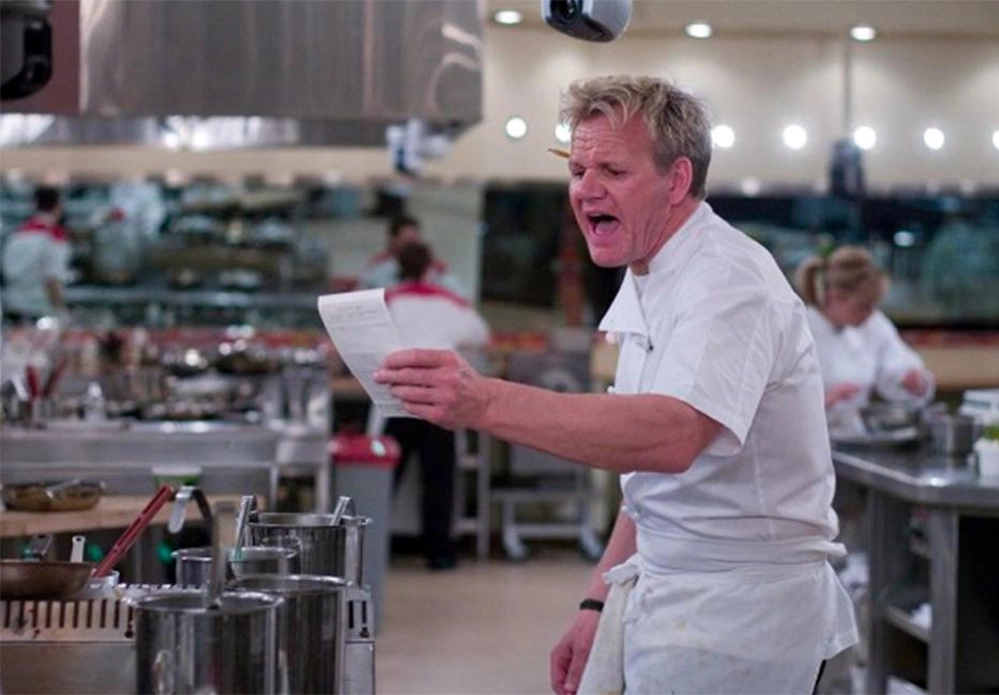
World-renowned chef Gordon Ramsay (USA) is known for frequently shouting at his staff. His mentor, Marco Pierre White (UK), was even more terrifying, constantly throwing pans and plates in the kitchen. He even titled his memoir The Devil in the Kitchen, partly because of the harsh punishments he imposed on his subordinate chefs.
“If you’re not afraid of your boss, you’ll cut corners, you’ll show up late,” White wrote, adding that the kitchen staff at his Harveys restaurant accepted this. “They’re all addicted to pressure; they have to be. They never seem to tire of the shouting.”
Kitchens like “military barracks”
Most modern professional kitchens use a French hierarchical system called the Brigade de Cuisine. This organizational system was developed in the early 20th century by French chef Auguste Escoffier, based on his military experience.
This system helps kitchens operate smoothly by establishing clear roles and assigning responsibilities to individuals with different specialties. If you work in hospitality, you may have heard of the Brigade de Cuisine or familiar terms like sous chef (assistant chef) or chef de partie (section chef).
In this system, each member has a specific role, from the head chef to sauce chefs, roast chefs, grill chefs, and fish chefs. Their coordination and communication—using familiar phrases like “Hand” or “Yes, chef”—are designed to ensure speed, consistency, and hygiene.
And the atmosphere in the kitchen is always tense and chaotic. Escoffier himself once wrote that his first head chef could not run a kitchen without “a rain of slaps.”
Culinary genius or devilish chef?
René Redzepi, a world-leading chef who has been knighted, is the founder of Noma, a restaurant that once held three Michelin stars and ranked No. 1 on The World’s 50 Best Restaurants list five times. He announced his resignation last week after The New York Times published an investigation in which dozens of former employees described experiences of abuse and assault at the Copenhagen restaurant between 2009 and 2017.
The case involving René Redzepi and Noma has disappointed many. The fine dining industry has long been known for its harsh kitchen culture, so stories of shouting and violence were once quite common.
The collapse of Redzepi’s image has forced the culinary world to confront a direct question: when did kitchen teams become associated with abuse of power or mistreatment, and what happens to those at the top who create these “edible works of art”?
Former employees said Redzepi was never truly held accountable for his behavior. They accused him of punching staff, poking them with kitchen tools, and even threatening them with job loss and family breakdown.
Jason Ignacio White, former head of Noma’s fermentation lab, collected anonymous testimonies about abusive behavior at the restaurant and posted them on Instagram. The posts received millions of views. “Noma destroyed my passion for this industry. I became so anxious that I had panic attacks in the middle of the night. The trauma, the abuse, and the feeling that nothing would change made me leave the profession.”
Later, the restaurant adopted an open-kitchen design to remove the boundary between the kitchen and dining area. When Redzepi wanted to discipline staff while customers were present, he would crouch behind the counter and poke their legs with his hand or kitchen tools, some employees told The Times.
Noma also appeared as the training ground of two main characters in The Bear—a show in which Redzepi himself once made a guest appearance. He is no stranger to cameras: he was filmed shouting at chefs in the 2008 documentary Noma at Boiling Point, and has publicly apologized multiple times.
In a 2015 article, he admitted: “I have been a bully for much of my career. I have yelled and pushed people around. Sometimes I have been a bad boss.”
The harsh pressure of modern kitchens
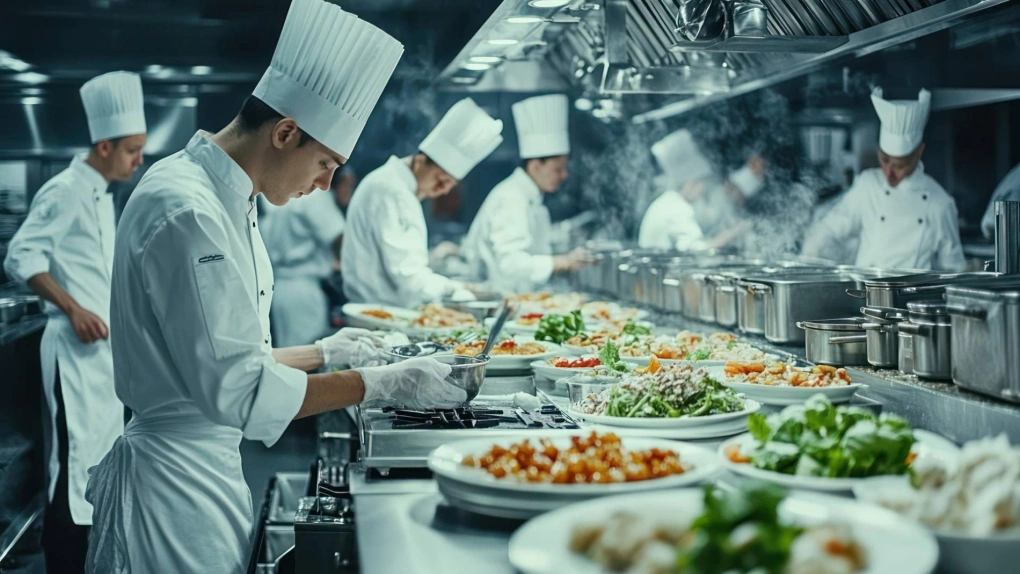
Personal stories and academic research show that behind the glamorous image of restaurants lies a great deal of pain. Today, professional kitchens are considered one of the toughest workplaces, combining long working hours, cramped spaces, strict hierarchies, physically demanding conditions, and constant pressure.
Writer George Orwell, author of Nineteen Eighty-Four, once described restaurant kitchens of his time as places where one person in the hierarchy shouted at subordinates, who then shouted at those below them. And crying in the kitchen was not uncommon.
Since the 1970s, when the image of chefs as creative artists became popular and Michelin standards turned into an obsession, ego and pressure in the kitchen have only increased.
In his 2006 memoir, Marco Pierre White described his kitchen at Harveys in London as a “Theatre of Cruelty.” Meanwhile, in Kitchen Confidential, Anthony Bourdain portrayed kitchens filled with “heated arguments, displays of excessive masculinity, and drunken shouting.”
A 2021 study by Cardiff University, which interviewed 47 top chefs, found that kitchens can create an environment where junior staff feel invisible, isolated, and alienated. The study also showed that chefs’ behavior can turn kitchens into “tools of social withdrawal and symbols of deviance.”
Many apprentices of famous chefs choose to remain silent. They do not want to lose the opportunity to learn from the best or miss their chance to build a brilliant culinary career. This is also reflected in the popular TV series The Bear, where the main character Carmy Berzatto endures public abuse in order to train under a world-class chef.
Redzepi himself later realized that old practices were driving talented young chefs away, threatening the future of cuisine. “The only way to seize the opportunities of the present is to confront the uncomfortable legacies of the past and create a new path for the future together,” he said.
This culture has long been widely spread in society through reality TV shows about celebrity chefs. Whether the era of bullying and intimidation in fine dining kitchens—long notorious for it—has truly come to an end remains uncertain.
“This profession is already extremely harsh, even for very good chefs, so such a culture is almost inevitable,” said Robin Burrow, associate professor at the University of York.
Source: https://vnexpress.net/mat-trai-khac-nghiet-trong-can-bep-cua-nhung-nha-hang-cao-cap-5050859.html
WORD BANK:
chef /ʃef/ (n): đầu bếp
admit to doing sth /ədˈmɪt/ [B2] (v): thừa nhận làm gì
abuse /əˈbjuːs/ (v,n): lạm dụng; sự lạm dụng
world-renowned /ˌwɝːld rɪˈnaʊnd/ (adj): nổi tiếng toàn cầu
shout at sb /ʃaʊt æt/ (v): quát vào mặt ai đó
terrifying /ˈter.ə.faɪ.ɪŋ/ (adj): đáng sợ
throw /θroʊ/ (v): ném
pan /pæn/ (n): cái chảo
title sth /ˈtaɪ.t̬əl/ (v): đặt tên cho cái gì
memoir /ˈmem.wɑːr/ (n): hồi ký
devil /ˈdev.əl/ (n): quỷ
impose sth on sb/sth [C1] (v): áp đặt cái gì lên ai/cái gì
subordinate /səˈbɔːr.dən.ət/ (n,adj): cấp dưới; phụ thuộc
cut corners /kʌt ˈkɔːr.nɚz/ (v): làm ẩu, làm tắt
addicted to sth /əˈdɪk.tɪd/ [B2] (adj): nghiện cái gì
tire of sth /ˈtaɪɚ əv/ (v): chán cái gì
hierarchical /ˌhaɪəˈrɑːr.kɪ.kəl/ (adj): có thứ bậc
establish sth /ɪˈstæb.lɪʃ ˌsʌmθɪŋ/ [B2] (v): thiết lập
assign sth to sb /əˈsaɪn/ (v): giao việc cho ai
specialty /ˈspeʃ.əl.t̬i/ (n): món đặc sản; chuyên môn
assistant chef /əˈsɪs.tənt ʃef/ (n): phụ bếp
consistency /kənˈsɪs.tən.si/ (n): sự nhất quán
hygiene /ˈhaɪ.dʒiːn/ (n): vệ sinh
tense /tens/ (adj): căng thẳng
chaotic /keɪˈɑː.tɪk/ (adj): hỗn loạn
slap /slæp/ (v, n): tát; cái tát
knight sb /naɪt/ (v): phong tước hiệp sĩ
announce sth /əˈnaʊns/ [B1] (v): thông báo
resignation /ˌrez.ɪɡˈneɪ.ʃən/ (n): sự từ chức
investigation /ɪnˌves.tɪˈɡeɪ.ʃən/ (n): cuộc điều tra
abuse /əˈbjuːs/ (n): sự lạm dụng
assault /əˈsɔːlt/ (n,v): hành hung; tấn công
fine dining /ˌfaɪn ˈdaɪ.nɪŋ/ (n): ẩm thực cao cấp
culinary /ˈkʌl.əˌner.i/ (adj): thuộc ẩm thực
mistreatment /ˌmɪsˈtriːt.mənt/ (n): sự đối xử tệ
edible /ˈed.ə.bəl/ (adj): ăn được
hold accountable for sth (v): buộc chịu trách nhiệm về cái gì
punch sb /pʌntʃ/ (v): đấm ai
poke sb /poʊk/ (v): chọc ai
family breakdown /ˈfæm.əl.i ˈbreɪk.daʊn/ (n): sự tan vỡ gia đình
fermentation /ˌfɝː.menˈteɪ.ʃən/ (n): quá trình lên men
anonymous /əˈnɑː.nə.məs/ (adj): ẩn danh
testimony /ˈtes.tɪ.moʊ.ni/ (n): lời chứng
abusive /əˈbjuː.sɪv/ (adj): lạm dụng, xúc phạm
passion for sth /ˈpæʃ.ən fɔːr/ (n): niềm đam mê với cái gì
a panic attack /ˈpæn.ɪk əˌtæk/ (n): cơn hoảng loạn
trauma /ˈtrɔː.mə/ (n): chấn thương tâm lý
adopt sth /əˈdɑːpt/ [B2] (v): áp dụng; nhận nuôi
boundary /ˈbaʊn.dɚ.i/ (n): ranh giới
discipline /ˈdɪs.ə.plɪn/ (n,v): kỷ luật
crouch /kraʊtʃ/ (v): ngồi xổm
make a guest appearance (v): xuất hiện với tư cách khách mời
bully /ˈbʊl.i/ (n,v): kẻ bắt nạt; bắt nạt
yell /jel/ (v): hét lên
glamorous /ˈɡlæm.ɚ.əs/ (adj): hào nhoáng
pain /peɪn/ (n): nỗi đau
cramped /kræmpt/ (adj): chật chội
hierarchy /ˈhaɪəˌrɑːr.ki/ (n): hệ thống thứ bậc
obsession /əbˈseʃ.ən/ (n): sự ám ảnh
ego /ˈiː.ɡoʊ/ (n): cái tôi
cruelty /ˈkruː.əl.t̬i/ (n): sự tàn nhẫn
masculinity /ˌmæs.kjəˈlɪn.ə.t̬i/ (n): tính nam
junior staff /ˈdʒuː.njɚ stæf/ (n): nhân viên cấp thấp
invisible /ɪnˈvɪz.ə.bəl/ (adj): vô hình; không được chú ý
alienate sb /ˈeɪ.li.ə.neɪt/ (v): làm xa lánh
social withdrawal /ˈsoʊ.ʃəl wɪðˈdrɔː.əl/ (n): sự thu mình xã hội
deviance /ˈdiː.vi.əns/ (n): hành vi lệch chuẩn
apprentice /əˈpren.tɪs/ (n): người học việc
brilliant /ˈbrɪl.jənt/ (adj): xuất sắc
reflect sth /rɪˈflekt/ (v): phản ánh
endure sth /ɪnˈdʊr/ (v): chịu đựng
world-class /ˌwɝːld ˈklæs/ (adj): đẳng cấp thế giới
old practice /oʊld ˈpræk.tɪs/ (n): tập quán cũ
drive sb away (v): đuổi ai đi; khiến ai rời xa
seize an opportunity /siːz/ (v): nắm bắt cơ hội
confront /kənˈfrʌnt/ (v): đối mặt
legacy /ˈleɡ.ə.si/ (n): di sản
celebrity /səˈleb.rə.t̬i/ (adj,n): nổi tiếng; người nổi tiếng
intimidation /ɪnˌtɪm.ɪˈdeɪ.ʃən/ (n): sự đe dọa
notorious /noʊˈtɔːr.i.əs/ (adj): khét tiếng
come to an end /kʌm tu ən end/ (v): kết thúc
inevitable /ɪnˈev.ɪ.t̬ə.bəl/ (adj): không thể tránh khỏi
associate professor /əˈsoʊ.si.ət prəˈfes.ɚ/ (n): phó giáo sư
ỦNG HỘ READ TO LEAD!
Chào bạn! Có thể bạn chưa biết, Read to Lead là một trang giáo dục phi lợi nhuận với mục đích góp phần phát triển cộng đồng người học tiếng Anh tại Việt Nam. Chúng tôi không yêu cầu người đọc phải trả bất kỳ chi phí nào để sử dụng các sản phẩm của mình để mọi người đều có cơ hội học tập tốt hơn. Tuy nhiên, nếu bạn có thể, chúng tôi mong nhận được sự hỗ trợ tài chính từ bạn để duy trì hoạt động của trang và phát triển các sản phẩm mới.
Bạn có thể ủng hộ chúng tôi qua 1 trong 2 cách dưới đây.
– Cách 1: Chuyển tiền qua tài khoản Momo.
Số điện thoại 0947.886.865 (Chủ tài khoản: Nguyễn Tiến Trung)
Nội dung chuyển tiền: Ủng hộ Read to Lead
hoặc
– Cách 2: Chuyển tiền qua tài khoản ngân hàng.
Ngân hàng VIB chi nhánh Hải Phòng
Số tài khoản: 012704060048394 (Chủ tài khoản: Nguyễn Tiến Trung)
Nội dung chuyển tiền: Ủng hộ Read to Lead
Lớp luyện thi IELTS online
Bạn đang có nhu cầu thi chứng chỉ IELTS cho đầu vào đại học, đi du học, xin việc hay xin cư trú và đang phân vân chưa biết học ở đâu?
Nếu bạn đang tìm kiếm dịch vụ luyện thi IELTS online với giáo viên uy tín và chất lượng, cũng như học phí phải chăng, thì thầy Trung và Cô Thủy (Admin và dịch giả chính của Read to Lead) có thể là một lựa chọn phù hợp dành cho bạn.
Hãy liên hệ (nhắn tin) tới trang Facebook cá nhân của mình (https://www.facebook.com/nguyen.trung.509) để tìm hiểu về lớp học và được tư vấn cũng như được học thử nha!


