


[Reading level: B2 – Upper Intermediate]
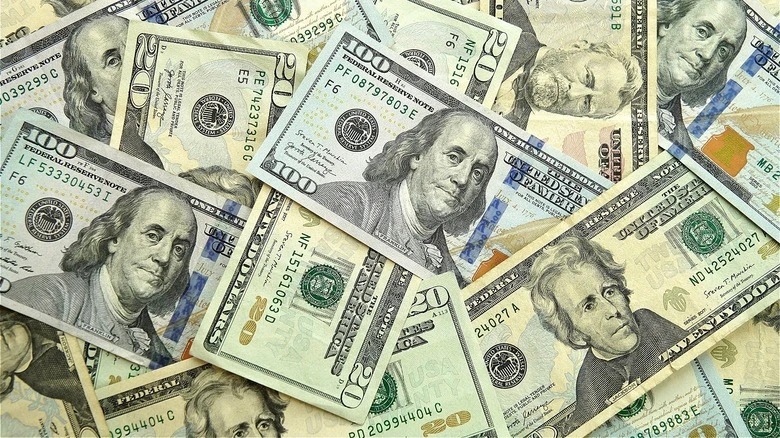
The US dollar, often called “the greenback,” is not only the most powerful currency in the world but also a miniature history book of the United States. Printed on each banknote are portraits of figures who had a special influence on the nation’s history — most of them US presidents, alongside famous founding fathers.
Appearing on US paper money is considered an extremely great honor. The people selected are usually symbols of the values that America wishes to preserve: independence, freedom, unity, democracy, and national strength.
George Washington – The founder of the United States
George Washington appears on the 1-dollar bill — the most common banknote in the United States. This is completely fitting considering his special position in American history.
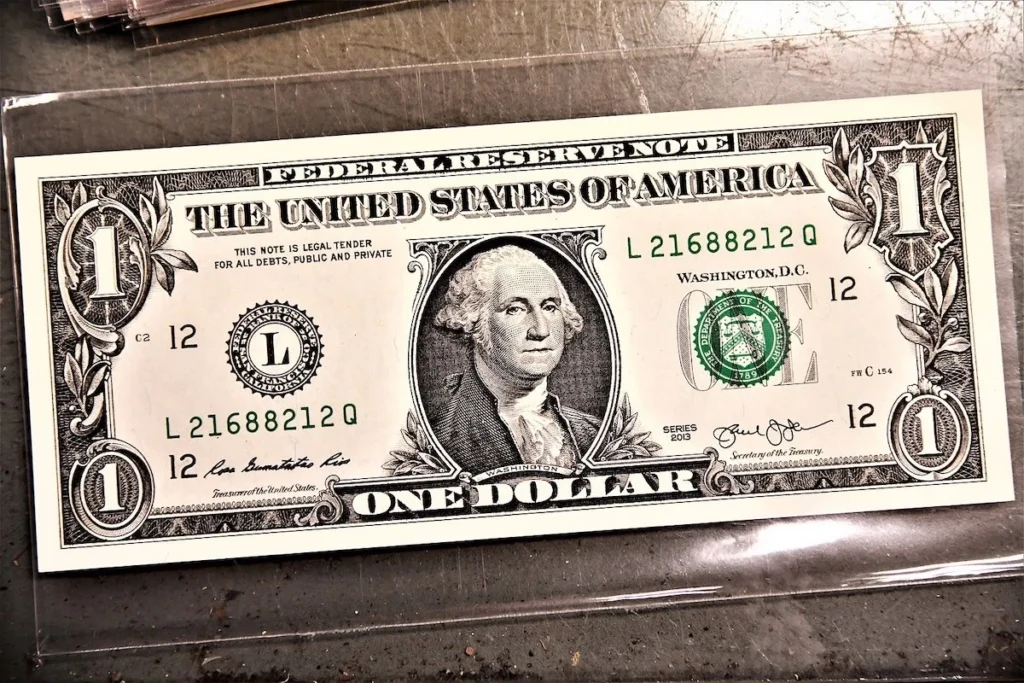
Washington was the first president of the United States and the leader of the colonial army during the war for independence from the British Empire in the late eighteenth century. After victory, he helped build the foundations of the young federal government, shaped the role of the presidency, and established many political traditions that still exist today.
Many Americans view Washington as the “father of the country,” a symbol of the birth of the nation. Therefore, his appearance on the country’s most widely used banknote serves as a reminder of America’s origins.
Thomas Jefferson – The mind behind the Declaration of Independence
Thomas Jefferson is printed on the 2-dollar bill — a rather rare banknote in everyday life even though it is still legal tender.
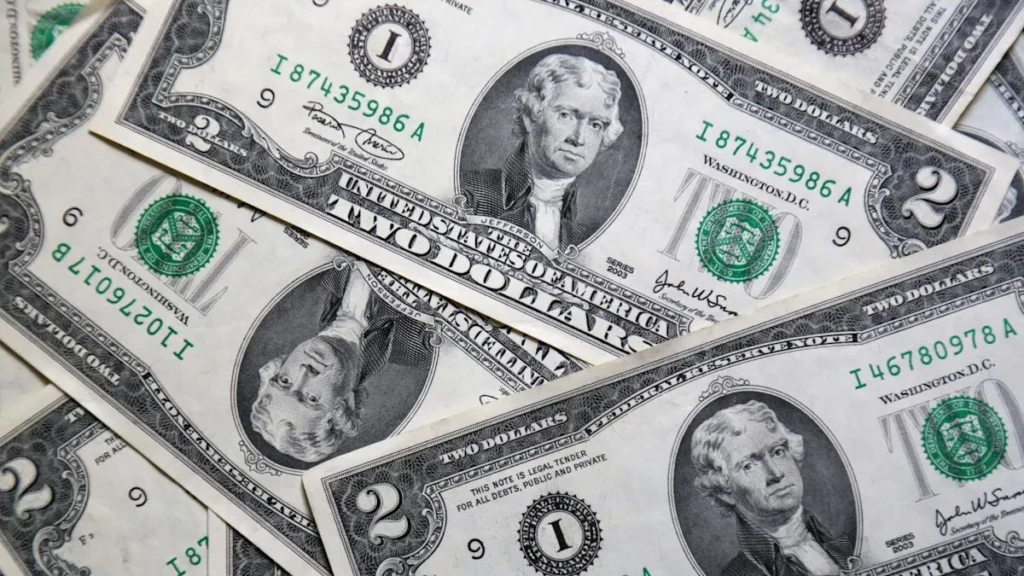
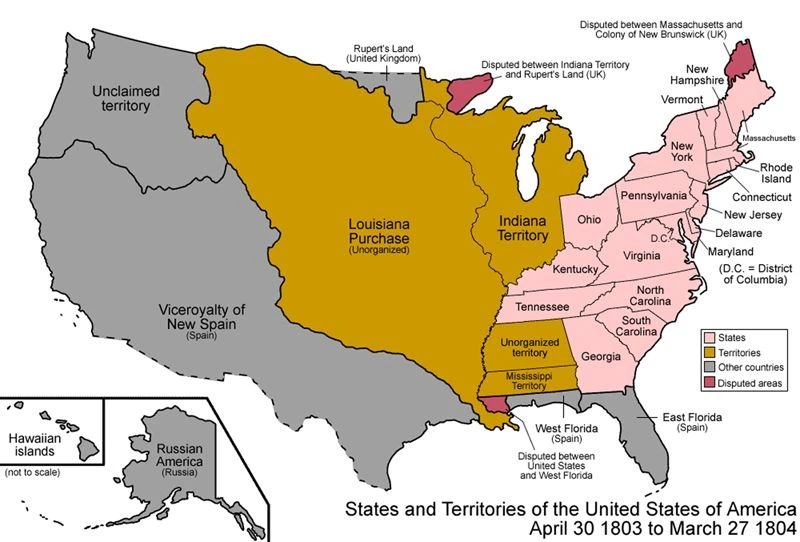
Jefferson was the principal author of the Declaration of Independence in 1776, the document that gave birth to the United States with the famous statement that “all men are created equal.” He also expanded US territory through the Louisiana Purchase from France, nearly doubling the size of the country.
Not only was Jefferson a politician, but he was also a great thinker who laid the foundation for many democratic values and personal freedoms in modern America.
Abraham Lincoln – The man who kept America united
If Washington founded the United States, then Abraham Lincoln kept it from falling apart.
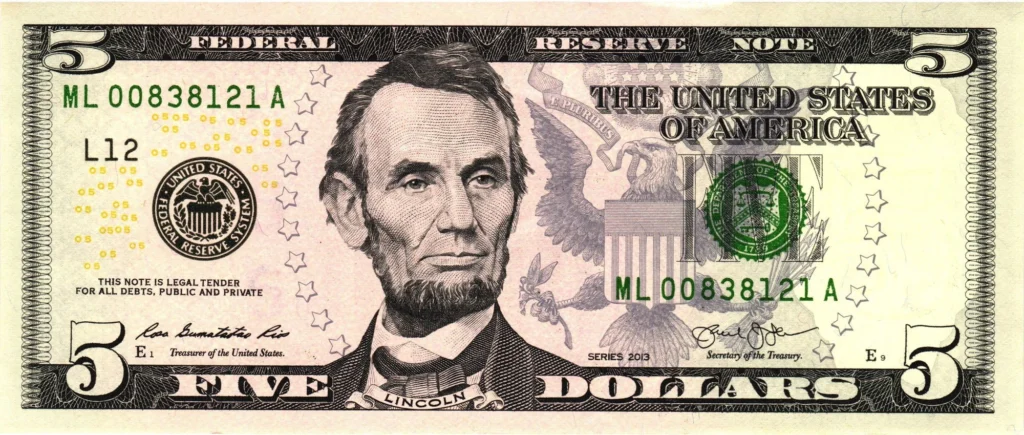
During the American Civil War, Lincoln led the North against the seceding Southern states, preserving national unity. He also signed the Emancipation Proclamation, paving the way for the end of slavery in the United States.
Lincoln is regarded as a symbol of freedom and equality. His image on the 5-dollar bill reflects the deep respect Americans have for the president who changed the nation’s history.
Alexander Hamilton – Another founding father on the 10-dollar bill
Alexander Hamilton was not a US president, but he was one of the most important Founding Fathers of the United States. He currently appears on the 10-dollar bill.
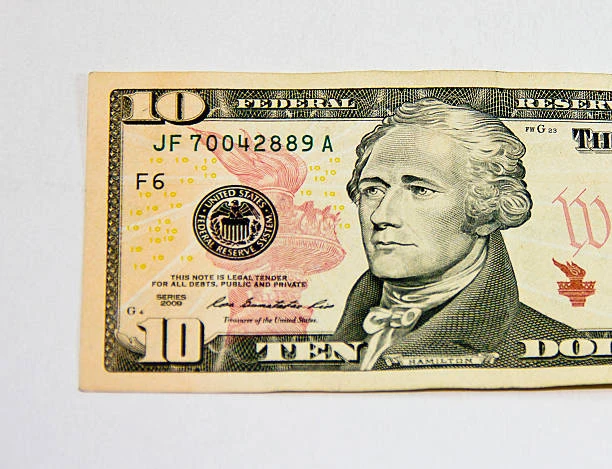
Hamilton was the first Secretary of the Treasury of the United States. He played a special role in building the national financial system, establishing the first central bank, strengthening public credit, and laying the foundation for the modern American economy.
The reason Hamilton appears on the 10-dollar bill is because he is considered the “architect” of the American financial system. If Washington symbolizes the birth of the nation and Lincoln symbolizes unity, then Hamilton symbolizes the financial and economic strength of the United States.
Andrew Jackson – A controversial figure on the 20-dollar bill
Andrew Jackson was once viewed as a symbol of the working class and the “common man” in nineteenth-century American politics. He expanded the power of the presidency and had a major influence on American political life.
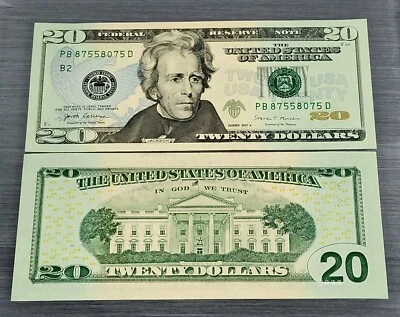
However, Jackson is also one of the most controversial presidents in American history. He has been strongly criticized for his policy of forcibly removing Native Americans from their ancestral lands — an event that led to the tragic journey known as the “Trail of Tears.”
For this reason, debates have continued for many years over whether Jackson should remain on the 20-dollar bill.
Ulysses S. Grant – The general who won the Civil War
Before becoming president, Ulysses S. Grant was a famous general of the Union Army during the American Civil War. He played a decisive role in the North’s victory.
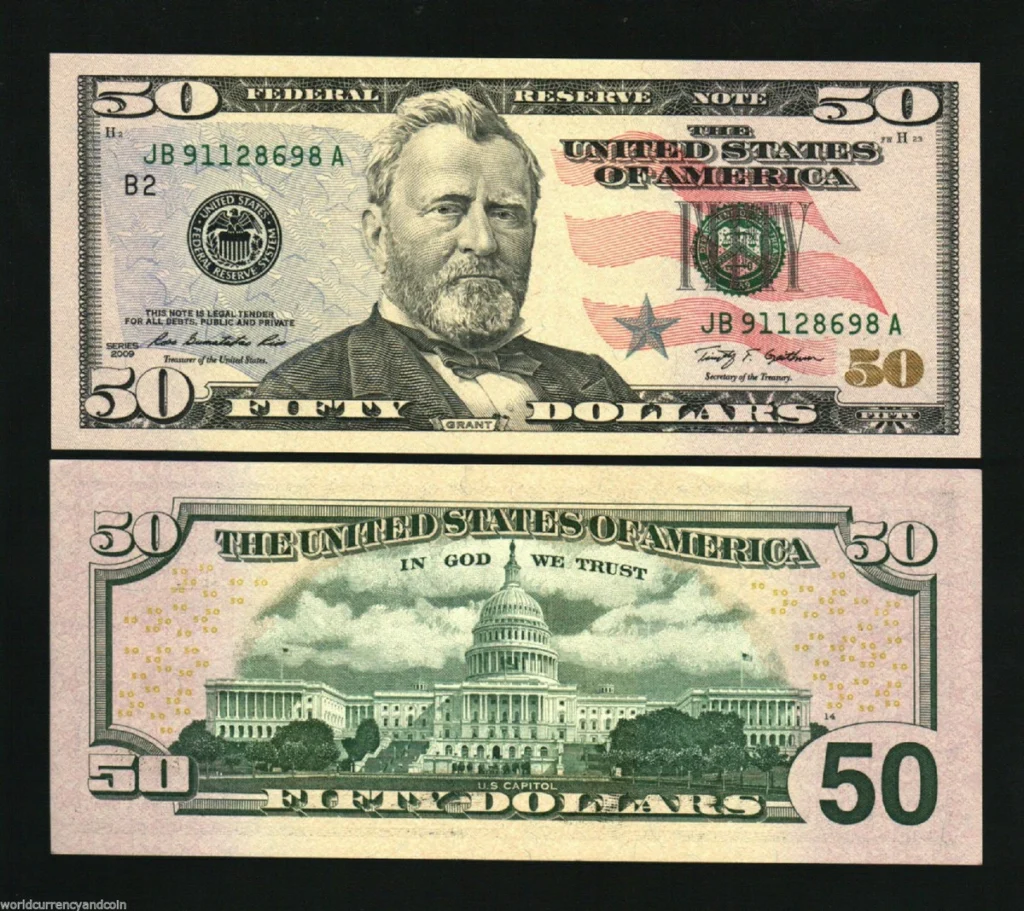
After the war, Grant supported civil rights for African Americans and took part in the nation’s reconstruction period. Although his presidency was overshadowed by many corruption scandals within the government, Grant is still remembered as an important military hero of the United States.
Benjamin Franklin on the most famous banknote
Benjamin Franklin is a special case because he never served as president of the United States. Even so, he appears on the 100-dollar bill — the most famous banknote in the world.
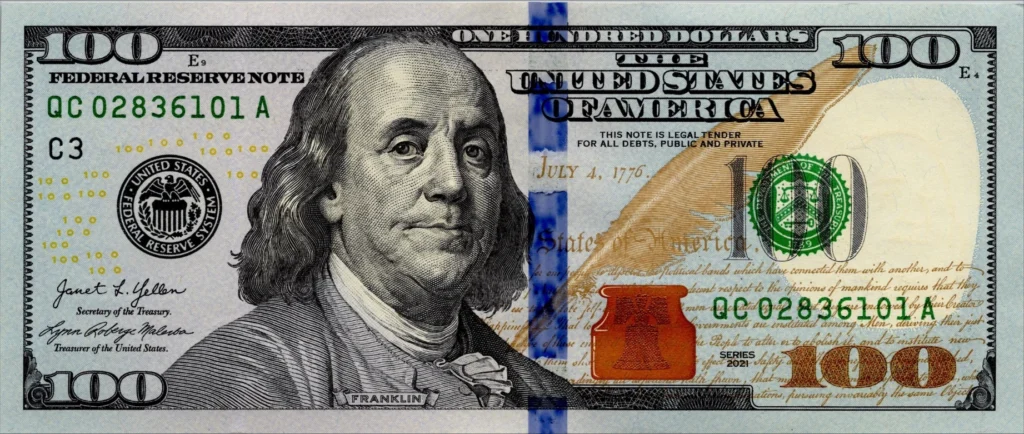
Franklin was a scientist, inventor, diplomat, and one of the most important founding fathers of the United States. He helped draft the Declaration of Independence and secured French support for America during the war against Britain.
Franklin’s image on the 100-dollar bill symbolizes intelligence, creativity, and the pioneering spirit of the United States.
The first woman who may appear on the greenback
For many years, all the main figures on US paper money have been men. However, this may change with Harriet Tubman.
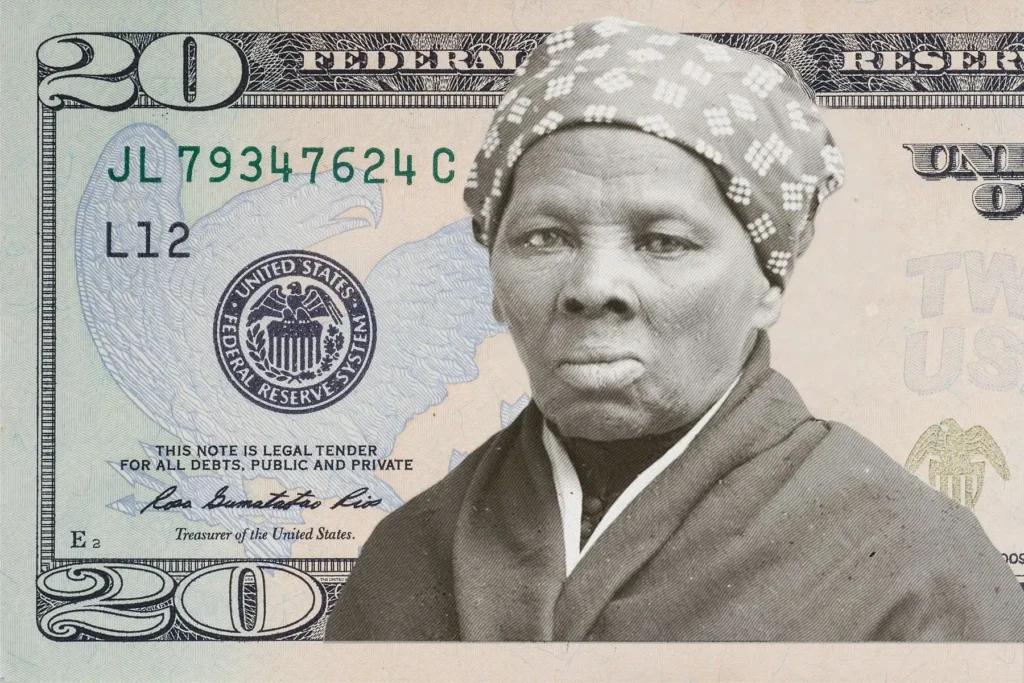
Harriet Tubman was a famous African American woman in the nineteenth century. Born into slavery, she escaped and later returned many times to rescue dozens of other enslaved people through the secret network known as the “Underground Railroad.”
She also supported the Union Army during the Civil War and became a symbol of the struggle against slavery and for human rights.
The US government once announced plans to replace Andrew Jackson with Harriet Tubman on the 20-dollar bill. If this becomes reality, she will be the first African American woman to appear on a widely circulated US paper banknote.
The plan has been delayed many times for political and technical reasons, but it still carries great symbolic meaning. For many Americans, placing Harriet Tubman on the greenback is not only a change in currency design, but also a way for the United States to reflect on its own history — from the era of slavery to the struggle for equality.
WORD BANK:
the greenback /ˈɡriːn.bæk/ (n): đồng bạc xanh (đô la Mỹ)
currency /ˈkɝː.ən.si/ [B2] (n): tiền tệ
miniature /ˈmɪn.i.ə.tʃɚ/ (adj): thu nhỏ
portrait /ˈpɔːr.trət/ [B2] (n): chân dung
honor /ˈɑː.nɚ/ [B2] (n): vinh dự
democracy /dɪˈmɑː.krə.si/ [B2] (n): nền dân chủ
colonial /kəˈloʊ.ni.əl/ (adj): thuộc địa
federal /ˈfed.ɚ.əl/ [B2] (adj): liên bang
presidency /ˈprez.ɪ.den.si/ (n): nhiệm kỳ tổng thống
legal tender /ˌliː.ɡəl ˈten.dɚ/ (n): tiền tệ hợp pháp
principal /ˈprɪn.sə.pəl/ [B2] (adj): chính, chủ yếu
territory /ˈter.ə.tɔːr.i/ [B2] (n): lãnh thổ
thinker /ˈθɪŋ.kɚ/ (n): nhà tư tưởng
fall apart /fɔːl əˈpɑːrt/ (v): sụp đổ, tan vỡ
civil war /ˌsɪv.əl ˈwɔːr/ (n): nội chiến
seceding /sɪˈsiː.dɪŋ/ (adj): ly khai
emancipation /ɪˌmæn.səˈpeɪ.ʃən/ (n): sự giải phóng
proclamation /ˌprɑːk.ləˈmeɪ.ʃən/ (n): tuyên ngôn, tuyên cáo
pave the way for sth /peɪv ðə weɪ fɔːr/ (v): mở đường cho cái gì
slavery /ˈsleɪ.vɚ.i/ (n): chế độ nô lệ
the treasury /ˈtreʒ.ɚ.i/ (n): bộ tài chính, kho bạc
credit /ˈkred.ɪt/ [B1] (n): tín dụng
controversial /ˌkɑːn.trəˈvɝː.ʃəl/ [B2] (adj): gây tranh cãi
criticize /ˈkrɪt̬.ə.saɪz/ [B2] (v): chỉ trích
forcibly /ˈfɔːr.sə.bli/ (adv): bằng vũ lực, cưỡng ép
ancestral land /ænˈses.trəl lænd/ (n): vùng đất tổ tiên
tragic /ˈtrædʒ.ɪk/ [B2] (adj): bi thảm
debate /dɪˈbeɪt/ [B2] (n): cuộc tranh luận
decisive role /dɪˈsaɪ.sɪv roʊl/ (n): vai trò quyết định
civil rights /ˌsɪv.əl ˈraɪts/ (n): quyền công dân
overshadow /ˌoʊ.vɚˈʃæd.oʊ/ (v): làm lu mờ
corruption /kəˈrʌp.ʃən/ [B2] (n): tham nhũng
diplomat /ˈdɪp.lə.mæt/ (n): nhà ngoại giao
pioneering spirit /ˌpaɪəˈnɪr.ɪŋ ˈspɪr.ɪt/ (n): tinh thần tiên phong
rescue sb /ˈres.kjuː/ [B2] (v): giải cứu ai
enslave /ɪnˈsleɪv/ (v): bắt làm nô lệ
struggle against sth /ˈstrʌɡ.əl əˈɡenst/ (v): đấu tranh chống lại cái gì
circulate /ˈsɝː.kjə.leɪt/ [B2] (v): lưu hành
symbolic /sɪmˈbɑː.lɪk/ [B2] (adj): mang tính biểu tượng
reflect on sth /rɪˈflekt ɑːn/ [B2] (v): suy ngẫm về cái gì
era /ˈer.ə/ [B2] (n): thời kỳ
ỦNG HỘ READ TO LEAD!
Chào bạn! Có thể bạn chưa biết, Read to Lead là một trang giáo dục phi lợi nhuận với mục đích góp phần phát triển cộng đồng người học tiếng Anh tại Việt Nam. Chúng tôi không yêu cầu người đọc phải trả bất kỳ chi phí nào để sử dụng các sản phẩm của mình để mọi người đều có cơ hội học tập tốt hơn. Tuy nhiên, nếu bạn có thể, chúng tôi mong nhận được sự hỗ trợ tài chính từ bạn để duy trì hoạt động của trang và phát triển các sản phẩm mới.
Bạn có thể ủng hộ chúng tôi qua 1 trong 2 cách dưới đây.
– Cách 1: Chuyển tiền qua tài khoản Momo.
Số điện thoại 0947.886.865 (Chủ tài khoản: Nguyễn Tiến Trung)
Nội dung chuyển tiền: Ủng hộ Read to Lead
hoặc
– Cách 2: Chuyển tiền qua tài khoản ngân hàng.
Ngân hàng VIB chi nhánh Hải Phòng
Số tài khoản: 012704060048394 (Chủ tài khoản: Nguyễn Tiến Trung)
Nội dung chuyển tiền: Ủng hộ Read to Lead
Lớp luyện thi IELTS online
Bạn đang có nhu cầu thi chứng chỉ IELTS cho đầu vào đại học, đi du học, xin việc hay xin cư trú và đang phân vân chưa biết học ở đâu?
Nếu bạn đang tìm kiếm dịch vụ luyện thi IELTS online với giáo viên uy tín và chất lượng, cũng như học phí phải chăng, thì thầy Trung và Cô Thủy (Admin và dịch giả chính của Read to Lead) có thể là một lựa chọn phù hợp dành cho bạn.
Hãy liên hệ (nhắn tin) tới trang Facebook cá nhân của mình (https://www.facebook.com/nguyen.trung.509) để tìm hiểu về lớp học và được tư vấn cũng như được học thử nha!


