


[Reading level: C1 – Advanced]
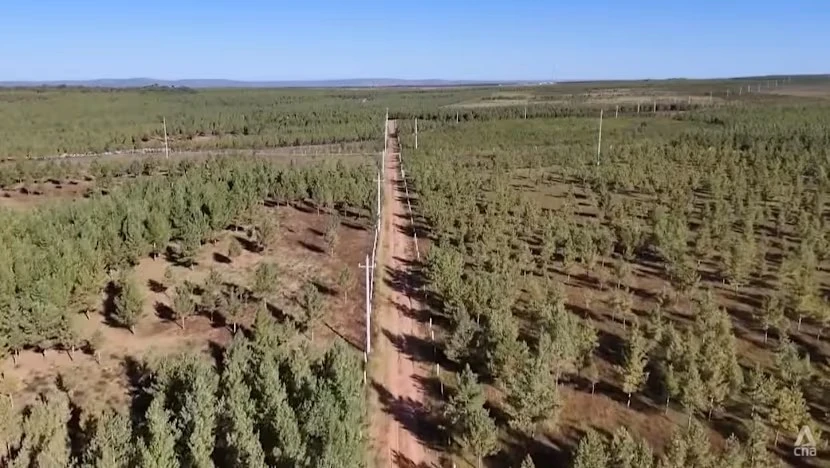
On the edge of the Kubuqi Desert in Inner Mongolia, bananas, papayas, and dragon fruit continue to grow inside greenhouses, even though winter temperatures outside can drop below -30°C. Few would imagine that just a few decades ago, this area consisted of shifting sand dunes, representing severe desertification. This striking contrast clearly illustrates the transformation China has achieved after more than 40 years of pursuing a large-scale ecological restoration program.
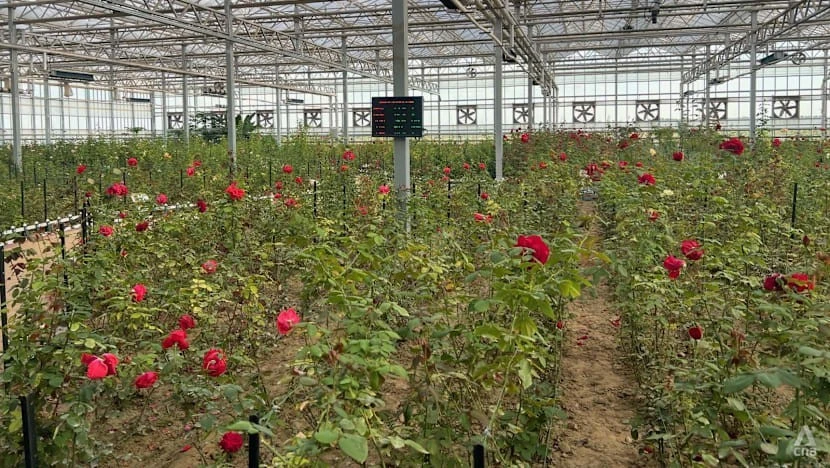
Today, more than 300 varieties of fruits and vegetables, including many subtropical crops, are successfully cultivated in Kubuqi and supplied to major markets such as Shenzhen and Hong Kong. According to agricultural technicians, a greenhouse system combined with plastic coverings and insulating blankets has enabled these crops to adapt to the harsh climate. This demonstrates that land once regarded as barren can be transformed into a center for high-tech agriculture.
In addition to agriculture, Kubuqi is also being developed into a renewable energy hub. A solar power project stretching more than 400 kilometers, known locally as the “Solar Great Wall,” is expected to be completed by 2030. Once operational, it is projected to generate around 2 billion kWh of electricity annually—enough to meet the needs of approximately 400,000 people—while helping reduce dependence on coal.
According to Chinese authorities, the country has restored more than 53% of its reclaimable desertified land and has become the first country to achieve net zero growth in land degradation. Although these figures should still be interpreted with caution, they nevertheless reflect the enormous scale of China’s ecological restoration campaign.
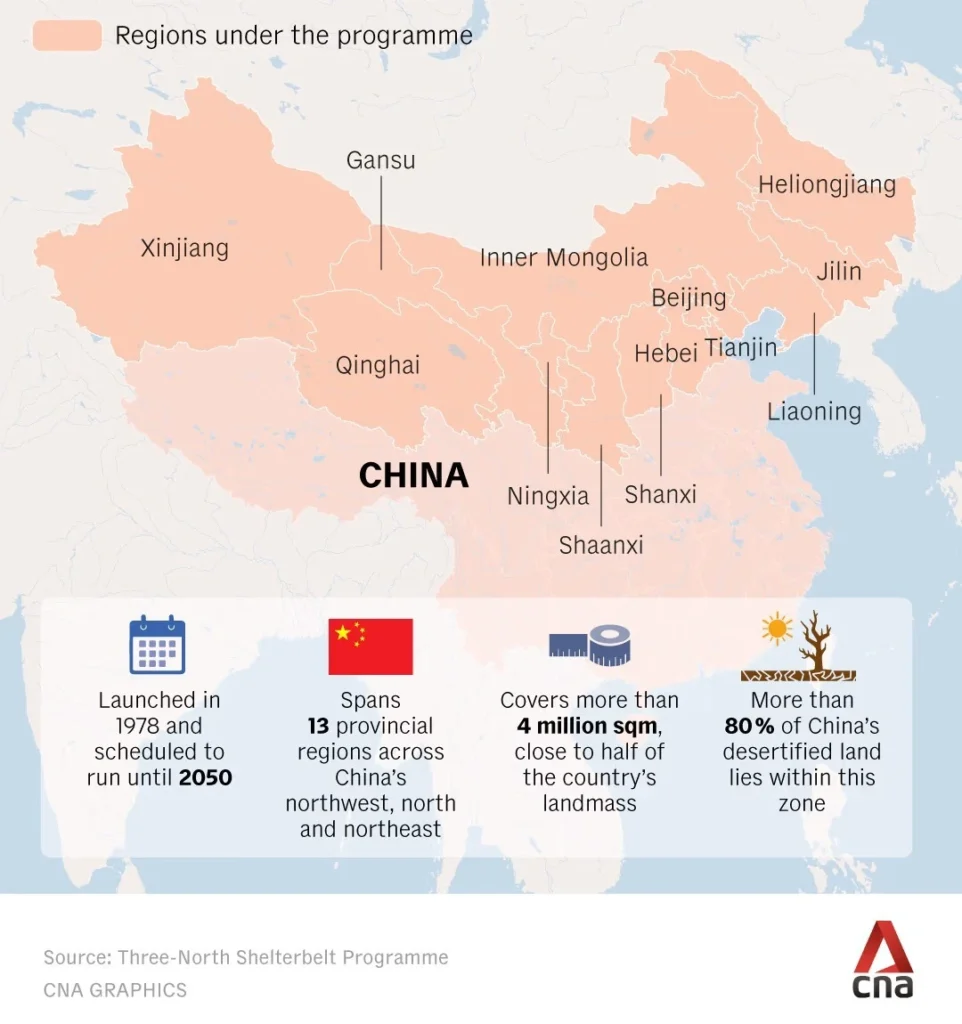
At the core of this strategy is the Three-North Shelterbelt Programme, which began in 1978 and is scheduled to continue until 2050. Covering more than 4 million square kilometers, equal to nearly half of China’s land area, the program encompasses more than 80% of the country’s desertified land.
The program’s objective is not to eliminate deserts but to stabilize them, preventing sand from advancing into farmland, residential areas, and critical infrastructure. In the city of Ordos, more than 500 kilometers of roads have been built across the desert, dividing sand dunes into smaller sections and allowing restoration teams to plant trees, sow grass, and install sand barriers more effectively.
After decades of research, the survival rate of newly planted trees has increased from around 30% to approximately 85% in some areas, thanks to techniques such as deep planting, injecting water directly into the root zone, and selecting suitable species. At the same time, scientists have developed new economic models based on forage grasses, medicinal plants, and drought-resistant crops to create sustainable livelihoods for local communities.
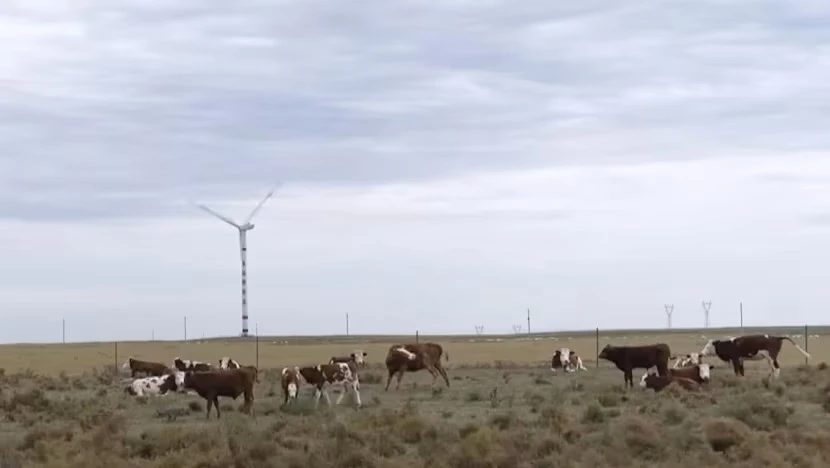
Despite these achievements, the program has also brought significant socio-economic challenges. Restrictions on traditional grazing and farming have required the government to implement ecological compensation programs totaling more than 150 billion yuan since 2011. However, many experts argue that, in the long run, restoration efforts can only be sustained if they are linked to industries such as high-tech agriculture, medicinal plant cultivation, ecotourism, and renewable energy.
After more than four decades, China’s forest coverage has increased from about 5% to approximately 14%, large areas of degraded land have been restored, and severe sandstorms have become significantly less frequent. Nevertheless, the Three-North Shelterbelt Programme will continue until 2050, requiring sustained investment, scientific innovation, and the active participation of local communities.
China’s fight against desertification demonstrates that ecological restoration can become a national development strategy. By integrating shelterbelt forests, high-tech agriculture, and renewable energy into a single long-term vision, restoring degraded land not only helps protect the environment but also creates new momentum for sustainable economic growth.
Source: CNA
WORD BANK:
edge /edʒ/ [B1] (n): rìa, mép
greenhouse /ˈɡriːn.haʊs/ [B1] (n): nhà kính
shifting /ˈʃɪf.tɪŋ/ (adj): di động
sand dune /ˈsænd duːn/ (n): cồn cát
severe /səˈvɪr/ [B2] (adj): nghiêm trọng
desertification /dɪˌzɝː.t̬ə.fəˈkeɪ.ʃən/ [C1] (n): sự sa mạc hóa
striking contrast /ˌstraɪ.kɪŋ ˈkɑːn.træst/ (n): sự tương phản rõ rệt
large-scale /ˌlɑːrdʒˈskeɪl/ [B2] (adj): quy mô lớn
ecological restoration /ˌiː.kəˈlɑː.dʒɪ.kəl ˌres.təˈreɪ.ʃən/ (n): phục hồi sinh thái
subtropical crop /ˌsʌbˈtrɑː.pɪ.kəl krɑːp/ (n): cây trồng cận nhiệt đới
insulating blanket /ˈɪn.sə.leɪ.t̬ɪŋ ˈblæŋ.kɪt/ (n): lớp phủ cách nhiệt
adapt to sth /əˈdæpt tə/ [B1] (v): thích nghi với cái gì
harsh climate /hɑːrʃ ˈklaɪ.mət/ (n): khí hậu khắc nghiệt
barren /ˈber.ən/ [C1] (adj): cằn cỗi
hub /hʌb/ [B2] (n): trung tâm
stretch /stretʃ/ [B2] (v): trải dài
authorities /əˈθɔːr.ə.t̬iz/ [B2] (n): chính quyền
reclaimable /rɪˈkleɪ.mə.bəl/ (adj): có thể cải tạo, phục hồi
desertified land /dɪˈzɝː.t̬ə.faɪd lænd/ (n): đất bị sa mạc hóa
net zero growth /ˌnet ˈzɪr.oʊ ɡroʊθ/ (n): mức tăng trưởng ròng bằng không
land degradation /lænd ˌdeɡ.rəˈdeɪ.ʃən/ (n): sự suy thoái đất
interpret sth /ɪnˈtɝː.prət/ [B2] (v): diễn giải, lý giải cái gì
do sth with caution /duː wɪð ˈkɔː.ʃən/ (v): làm gì một cách thận trọng
nevertheless /ˌnev.ɚ.ðəˈles/ [B2] (adv): tuy nhiên
shelterbelt /ˈʃel.t̬ɚ.belt/ (n): đai chắn gió
shelterbelt forest /ˈʃel.t̬ɚ.belt ˈfɔːr.ɪst/ (n): rừng đai chắn gió
encompass sth /ɪnˈkʌm.pəs/ [C1] (v): bao gồm, bao trùm cái gì
objective /əbˈdʒek.tɪv/ [B2] (n): mục tiêu
eliminate /ɪˈlɪm.ə.neɪt/ [B2] (v): loại bỏ
stabilize /ˈsteɪ.bə.laɪz/ [C1] (v): ổn định
sand barrier /ˈsænd ˌbær.i.ɚ/ (n): hàng rào chắn cát
survival rate /sɚˈvaɪ.vəl reɪt/ (n): tỷ lệ sống sót
inject sth into sth /ɪnˈdʒekt ˌɪn.t̬uː/ [B2] (v): bơm, đưa cái gì vào cái gì
forage grass /ˈfɔːr.ɪdʒ ɡræs/ (n): cỏ làm thức ăn chăn nuôi
medicinal plant /məˈdɪs.ən.əl plænt/ (n): cây dược liệu
drought-resistant /ˈdraʊt rɪˌzɪs.tənt/ (adj): chịu hạn
livelihood /ˈlaɪv.li.hʊd/ [B2] (n): sinh kế
grazing /ˈɡreɪ.zɪŋ/ (n): chăn thả gia súc
implement /ˈɪm.plə.ment/ [B2] (v): thực hiện
compensation /ˌkɑːm.pənˈseɪ.ʃən/ [B2] (n): sự bồi thường
sustain /səˈsteɪn/ [B2] (v): duy trì
sustainable /səˈsteɪ.nə.bəl/ [B2] (adj): bền vững
sandstorm /ˈsænd.stɔːrm/ (n): bão cát
momentum /moʊˈmen.t̬əm/ [C1] (n): đà phát triển
ỦNG HỘ READ TO LEAD!
Chào bạn! Có thể bạn chưa biết, Read to Lead là một trang giáo dục phi lợi nhuận với mục đích góp phần phát triển cộng đồng người học tiếng Anh tại Việt Nam. Chúng tôi không yêu cầu người đọc phải trả bất kỳ chi phí nào để sử dụng các sản phẩm của mình để mọi người đều có cơ hội học tập tốt hơn. Tuy nhiên, nếu bạn có thể, chúng tôi mong nhận được sự hỗ trợ tài chính từ bạn để duy trì hoạt động của trang và phát triển các sản phẩm mới.
Bạn có thể ủng hộ chúng tôi qua 1 trong 2 cách dưới đây.
– Cách 1: Chuyển tiền qua tài khoản Momo.
Số điện thoại 0947.886.865 (Chủ tài khoản: Nguyễn Tiến Trung)
Nội dung chuyển tiền: Ủng hộ Read to Lead
hoặc
– Cách 2: Chuyển tiền qua tài khoản ngân hàng.
Ngân hàng VIB chi nhánh Hải Phòng
Số tài khoản: 012704060048394 (Chủ tài khoản: Nguyễn Tiến Trung)
Nội dung chuyển tiền: Ủng hộ Read to Lead
Lớp luyện thi IELTS online
Bạn đang có nhu cầu thi chứng chỉ IELTS cho đầu vào đại học, đi du học, xin việc hay xin cư trú và đang phân vân chưa biết học ở đâu?
Nếu bạn đang tìm kiếm dịch vụ luyện thi IELTS online với giáo viên uy tín và chất lượng, cũng như học phí phải chăng, thì thầy Trung và Cô Thủy (Admin và dịch giả chính của Read to Lead) có thể là một lựa chọn phù hợp dành cho bạn.
Hãy liên hệ (nhắn tin) tới trang Facebook cá nhân của mình (https://www.facebook.com/nguyen.trung.509) để tìm hiểu về lớp học và được tư vấn cũng như được học thử nha!


