


[Reading level: B2 – Upper Intermediate]
In 2002, Elon Musk received approximately $180 million after taxes from the sale of PayPal to eBay. At the age of 31, he already possessed a fortune that most people could hardly accumulate even after working their entire lives. With that amount of money, Musk could easily have chosen a life of wealth, security, and freedom from financial worries.
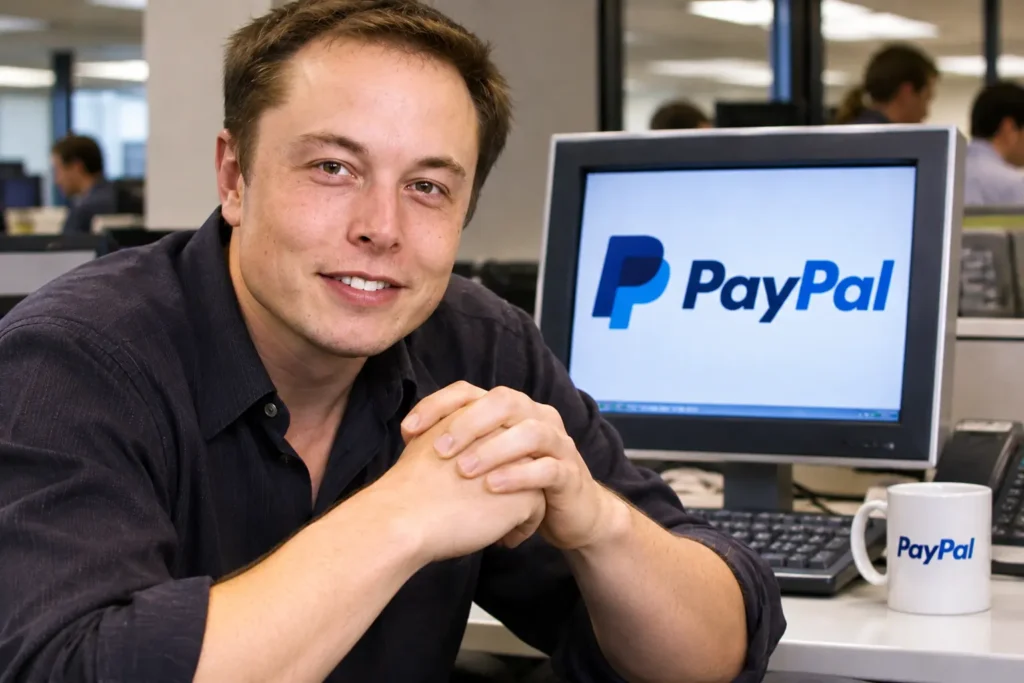
Instead, he decided to gamble almost his entire fortune on ideas that many people at the time considered far-fetched. He invested approximately $100 million in SpaceX, a company with the ambition of sending humans to Mars; $70 million in Tesla, a fledgling electric car manufacturer; and $10 million in SolarCity, a solar energy company. Musk believed that these companies could help change the future of humanity. But just six years later, those very decisions pushed him to the brink of bankruptcy.
In 2008, the United States was plunged into its worst financial crisis since the Great Depression of the 1930s. Banks collapsed, stock markets plunged, and investors became extremely cautious. It was also the time when Musk’s two most important companies were both facing the possibility of going out of business.
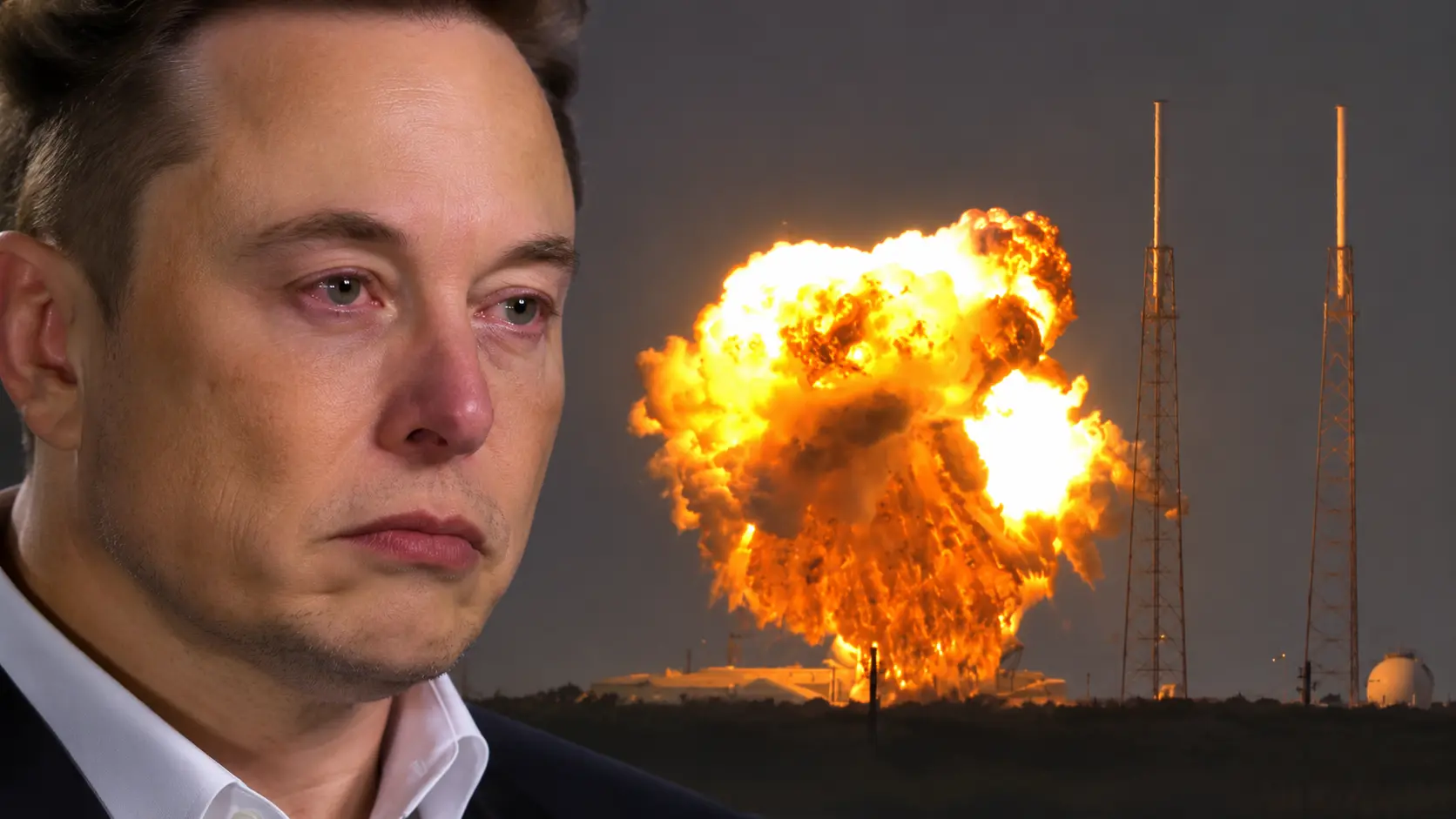
At SpaceX, the first three launches of the Falcon 1 rocket had all failed. Each unsuccessful launch meant millions of dollars going up in smoke. The company had burned through most of its initial capital and no longer had enough resources to keep experimenting indefinitely. If the fourth launch failed, SpaceX would very likely have to shut down.
Meanwhile, Tesla was also struggling. Its first electric sports car, the Roadster, encountered numerous problems during production. Costs continued to rise, vehicle deliveries were delayed, and the company faced a severe cash shortage.

In the documentary Revenge of the Electric Car, viewers can see a Tesla very different from the famous electric car manufacturer it would later become. The factory was filled with vehicles waiting to be repaired or completed. Musk walked through the production areas, trying to explain the technical and financial problems the company was struggling to resolve.
Tesla desperately needed more money to survive. Musk approached investors, hoping they would continue to provide funding. But in the middle of the financial crisis, convincing people to invest in an electric car company that was continuously losing money was almost an impossible task. Some investors even became angry when he asked them to put more money into the company.
Musk’s personal financial situation was also getting worse. Most of his fortune was tied up in businesses that were struggling. He had to borrow money to cover his expenses and keep his businesses operating.
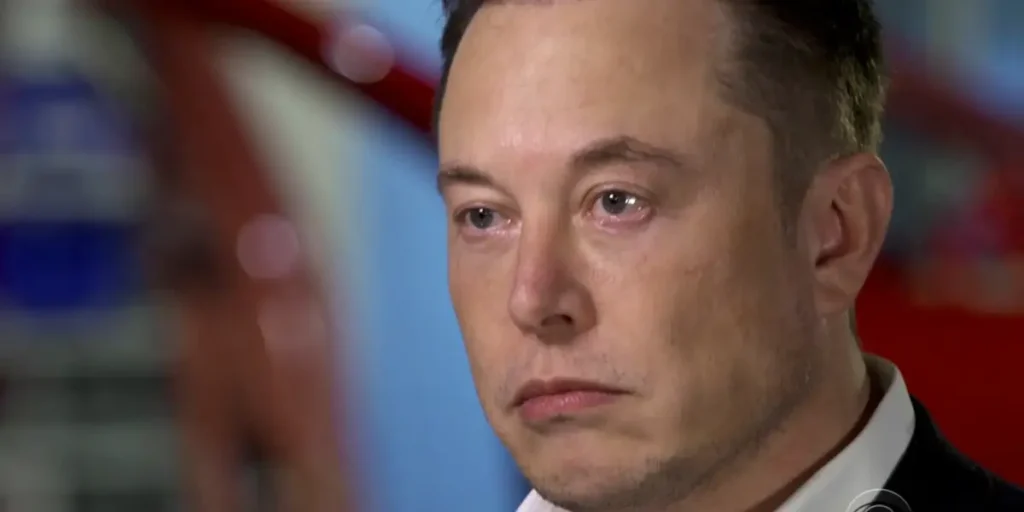
That same year, Musk’s first marriage fell apart. Within a short period, he faced the possibility of losing his two companies, most of his fortune, and the family he had built. Years later, when looking back on this period during an interview on CBS’s 60 Minutes, Musk could not hide his emotions. He described 2008 as the worst year of his life.

On Sunday, December 21, 2008, just a few days before Christmas, Musk woke up feeling close to a complete breakdown. He later recalled that he had never imagined he could find himself in such a situation. Everything seemed to be spiraling out of control.
By the end of 2008, Musk seemed to be running out of options. His fortune was nearly gone, his marriage had fallen apart, and the future of both Tesla and SpaceX remained uncertain. Yet, just when everything appeared to be falling apart, a series of unexpected events was about to change his life.
WORD BANK:
possess /pəˈzes/ [B2] (v): sở hữu
fortune /ˈfɔːr.tʃən/ [B2] (n): khối tài sản, gia tài
accumulate /əˈkjuː.mjə.leɪt/ [C1] (v): tích lũy
gamble on sth /ˈɡæm.bəl/ (v): đánh cược vào cái gì
far-fetched /ˌfɑːrˈfetʃt/ [C1] (adj): khó tin, viển vông
ambition /æmˈbɪʃ.ən/ [B2] (n): tham vọng, hoài bão
fledgling /ˈfledʒ.lɪŋ/ (adj): non trẻ, mới thành lập
on the brink of sth /brɪŋk/ (phrase): bên bờ vực của điều gì
bankruptcy /ˈbæŋ.krəpt.si/ (n): sự phá sản
plunge into sth /plʌndʒ/ [C1] (v): rơi vào, chìm vào tình trạng gì
financial crisis /faɪˈnæn.ʃəl ˈkraɪ.sɪs/ (n): khủng hoảng tài chính
the Great Depression /ðə ɡreɪt dɪˈpreʃ.ən/ (n): cuộc Đại Suy Thoái
collapse /kəˈlæps/ [B2] (v): sụp đổ
cautious /ˈkɑː.ʃəs/ [C1] (adj): thận trọng, dè dặt
go up in smoke /ɡoʊ ʌp ɪn smoʊk/ (idiom): tan thành mây khói, tiêu tan
initial /ɪˈnɪʃ.əl/ [B2] (adj): ban đầu
capital /ˈkæp.ɪ.t̬əl/ [C1] (n): vốn
indefinitely /ɪnˈdef.ən.ət.li/ [C1] (adv): vô thời hạn, không có thời hạn xác định
vehicle delivery /ˈviː.ə.kəl dɪˈlɪv.ɚ.i/ (n): việc giao xe
delay /dɪˈleɪ/ [B1] (v): trì hoãn, làm chậm trễ
severe /səˈvɪr/ [B2] (adj): nghiêm trọng, khắc nghiệt
cash shortage /kæʃ ˈʃɔːr.t̬ɪdʒ/ (n): tình trạng thiếu tiền mặt
documentary /ˌdɑː.kjəˈmen.t̬ɚ.i/ [B1] (n): phim tài liệu
struggle to do sth /ˈstrʌɡ.əl/ [B2] (v): chật vật, cố gắng làm gì
resolve /rɪˈzɑːlv/ [C1] (v): giải quyết
desperately /ˈdes.pɚ.ət.li/ [B2] (adv): một cách tuyệt vọng, vô cùng
tied up in sth /taɪd ʌp/ (adj): bị ràng buộc, bị mắc kẹt trong cái gì
fall apart /fɑːl əˈpɑːrt/ [B2] (phr v): tan vỡ, sụp đổ
amid sth /əˈmɪd/ [C1] (prep): giữa, trong bối cảnh
turning point /ˈtɝː.nɪŋ pɔɪnt/ (n): bước ngoặt
emerge /ɪˈmɝːdʒ/ [B2] (v): xuất hiện, nổi lên
orbit /ˈɔːr.bɪt/ (n): quỹ đạo
liquid fuel /ˈlɪk.wɪd ˈfjuː.əl/ (n): nhiên liệu lỏng
on the verge of sth /vɝːdʒ/ (phrase): bên bờ vực, sắp xảy ra điều gì
breakdown /ˈbreɪk.daʊn/ [C1] (n): sự suy sụp, sự hỏng hóc
recall /rɪˈkɑːl/ [B2] (v): nhớ lại, hồi tưởng
spiral /ˈspaɪ.rəl/ (v): diễn biến theo chiều hướng ngày càng xấu
spiral out of control /ˈspaɪ.rəl aʊt əv kənˈtroʊl/ (phrase): ngày càng vượt khỏi tầm kiểm soát
ỦNG HỘ READ TO LEAD!
Chào bạn! Có thể bạn chưa biết, Read to Lead là một trang giáo dục phi lợi nhuận với mục đích góp phần phát triển cộng đồng người học tiếng Anh tại Việt Nam. Chúng tôi không yêu cầu người đọc phải trả bất kỳ chi phí nào để sử dụng các sản phẩm của mình để mọi người đều có cơ hội học tập tốt hơn. Tuy nhiên, nếu bạn có thể, chúng tôi mong nhận được sự hỗ trợ tài chính từ bạn để duy trì hoạt động của trang và phát triển các sản phẩm mới.
Bạn có thể ủng hộ chúng tôi qua 1 trong 2 cách dưới đây.
– Cách 1: Chuyển tiền qua tài khoản Momo.
Số điện thoại 0947.886.865 (Chủ tài khoản: Nguyễn Tiến Trung)
Nội dung chuyển tiền: Ủng hộ Read to Lead
hoặc
– Cách 2: Chuyển tiền qua tài khoản ngân hàng.
Ngân hàng VIB chi nhánh Hải Phòng
Số tài khoản: 012704060048394 (Chủ tài khoản: Nguyễn Tiến Trung)
Nội dung chuyển tiền: Ủng hộ Read to Lead
Lớp luyện thi IELTS online
Bạn đang có nhu cầu thi chứng chỉ IELTS cho đầu vào đại học, đi du học, xin việc hay xin cư trú và đang phân vân chưa biết học ở đâu?
Nếu bạn đang tìm kiếm dịch vụ luyện thi IELTS online với giáo viên uy tín và chất lượng, cũng như học phí phải chăng, thì lớp học online của thầy Trung (Admin và dịch giả chính của Read to Lead) có thể là một lựa chọn phù hợp dành cho bạn.
Hãy liên hệ (nhắn tin) tới trang Facebook cá nhân của mình (https://www.facebook.com/nguyen.trung.509) để tìm hiểu về lớp học và được tư vấn cũng như được học thử nha!


