


[Reading level: B2 – Upper Intermediate]
When people think of cancer, the first things that usually come to mind are thyroid cancer, prostate cancer, lung cancer, or colorectal cancer. These are all very common types of cancer that are frequently discussed.
But have you ever wondered why the human body has so many different organs, yet there are some that you almost never hear about developing cancer?
To answer this question, we first need to understand the nature of cancer.
Cancer is essentially a condition in which cells divide uncontrollably. Every time a cell divides, the genetic material inside it must be copied. During this process, mistakes can sometimes occur, creating changes in the genes. If enough of these changes accumulate, the cell can become cancerous.
Whether an organ is prone to cancer mainly depends on two factors.
The first factor is the rate at which its cells are replaced.
The faster a tissue renews itself, the more frequently its cells have to divide. And the more often cells divide, the greater the chance that mistakes will occur when the genetic material is copied. This increases the likelihood of genetic changes that can lead to cancer.
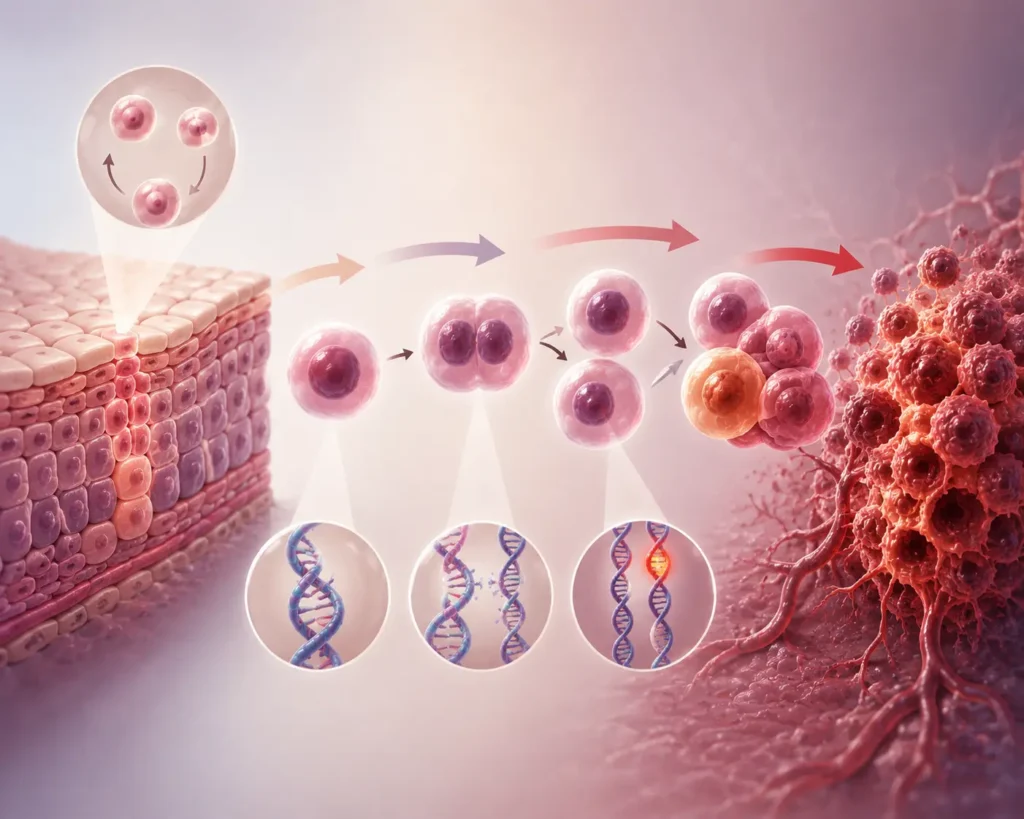
The second factor is its level of exposure to the environment.
Organs that are frequently exposed to cancer-causing substances—such as cigarette smoke, ultraviolet radiation, harmful chemicals, or certain compounds found in food—are more likely to suffer cellular damage.
These two factors explain why some organs are particularly vulnerable to cancer.
For example, the skin has a very high cell replacement rate and is constantly exposed to sunlight.
The lungs are exposed every day to air, dust, cigarette smoke, and many other pollutants.
Meanwhile, the colon and rectum are continuously exposed to food and waste products as digestion takes place. The cells lining these organs are also replaced constantly, increasing the likelihood of errors occurring during cell division.
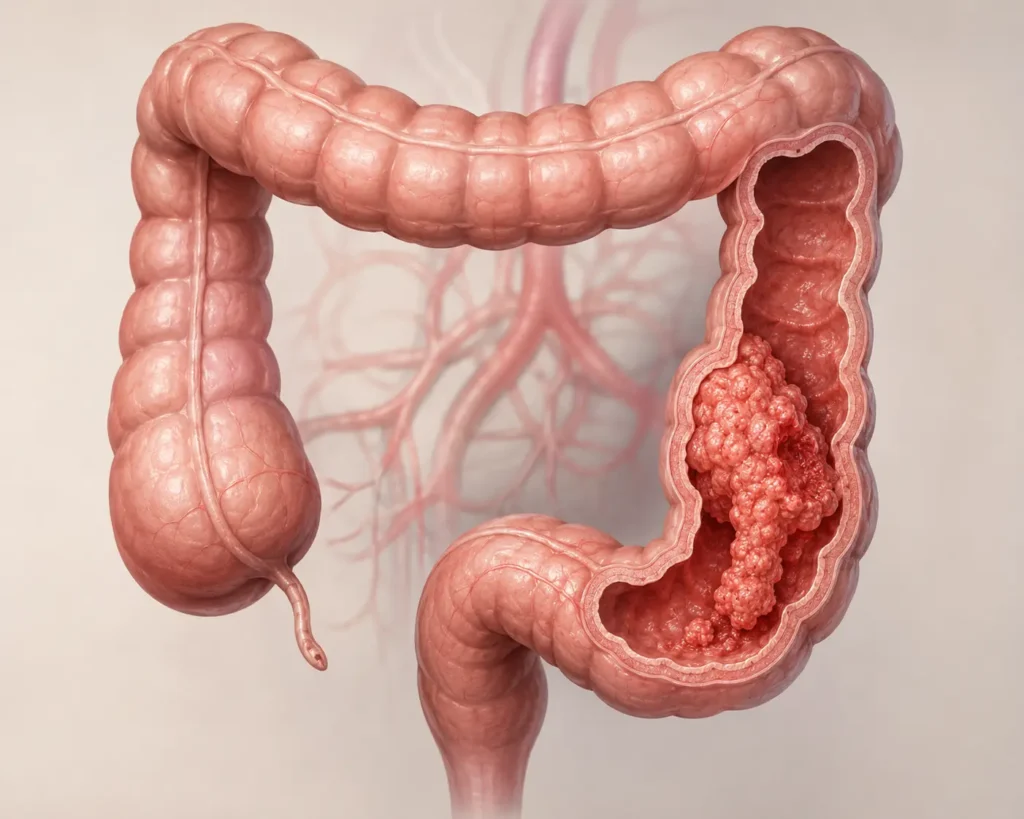
On the other hand, some organs rarely develop cancer.
One surprising example is the small intestine.
Although it is responsible for absorbing most of the body’s nutrients, cancers of the small intestine account for only a very small percentage of all cancers of the digestive system.
There are several reasons for this.
First, food passes through the small intestine relatively quickly. As a result, the intestinal lining spends much less time in contact with potential cancer-causing substances than the lining of the large intestine.
Second, the environment inside the small intestine contains many substances that help neutralize harmful agents while also reducing inflammation. As a result, the cells there are less likely to be damaged and less likely to develop the genetic changes that can lead to cancer.
Another organ that rarely develops cancer is skeletal muscle, the muscles that allow us to move our arms, legs, and body.
Mature muscle cells hardly divide at all. In addition, they are located beneath the skin, so they have relatively little direct exposure to harmful environmental factors. As a result, the risk of cancer developing in skeletal muscle is extremely low.
The heart is another example.
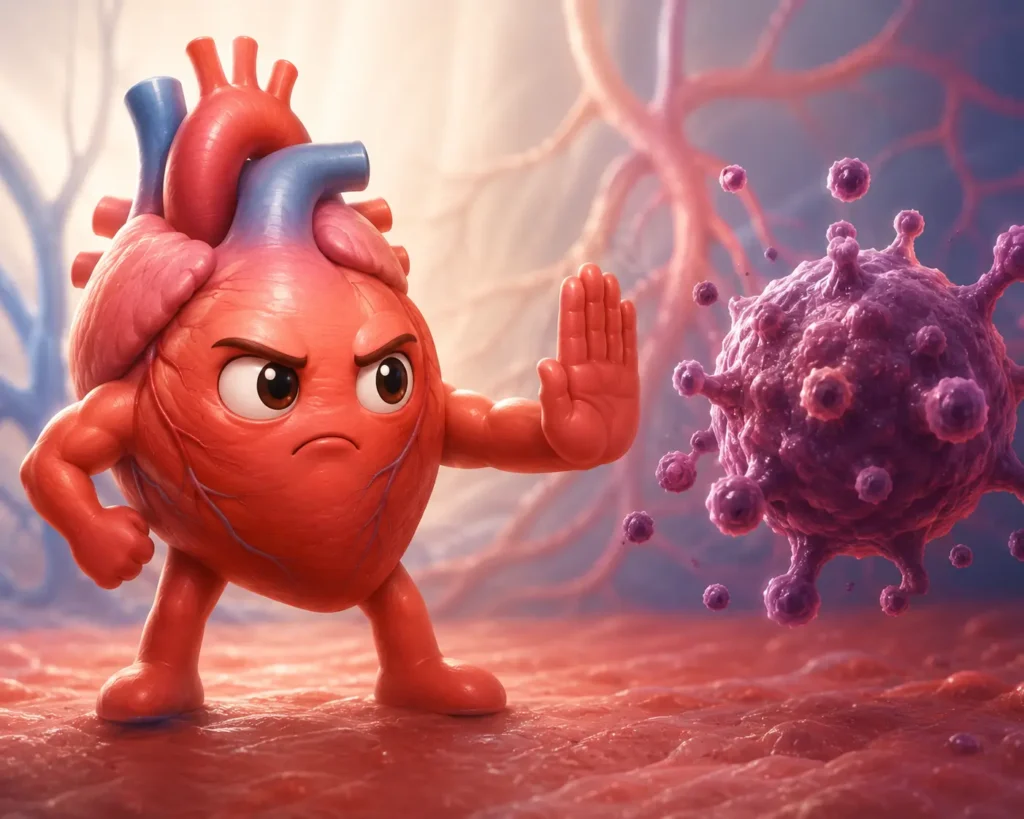
Once heart muscle cells have fully matured, they almost never divide again. Instead, they simply carry out their job of pumping blood throughout the body. Because they rarely copy their genetic material, the chances of developing the genetic changes that lead to cancer are exceptionally low. This is why primary heart cancer is one of the rarest forms of cancer.
However, this raises a very interesting question. If the nerve cells in the brain also hardly ever divide, why can people still develop brain cancer?
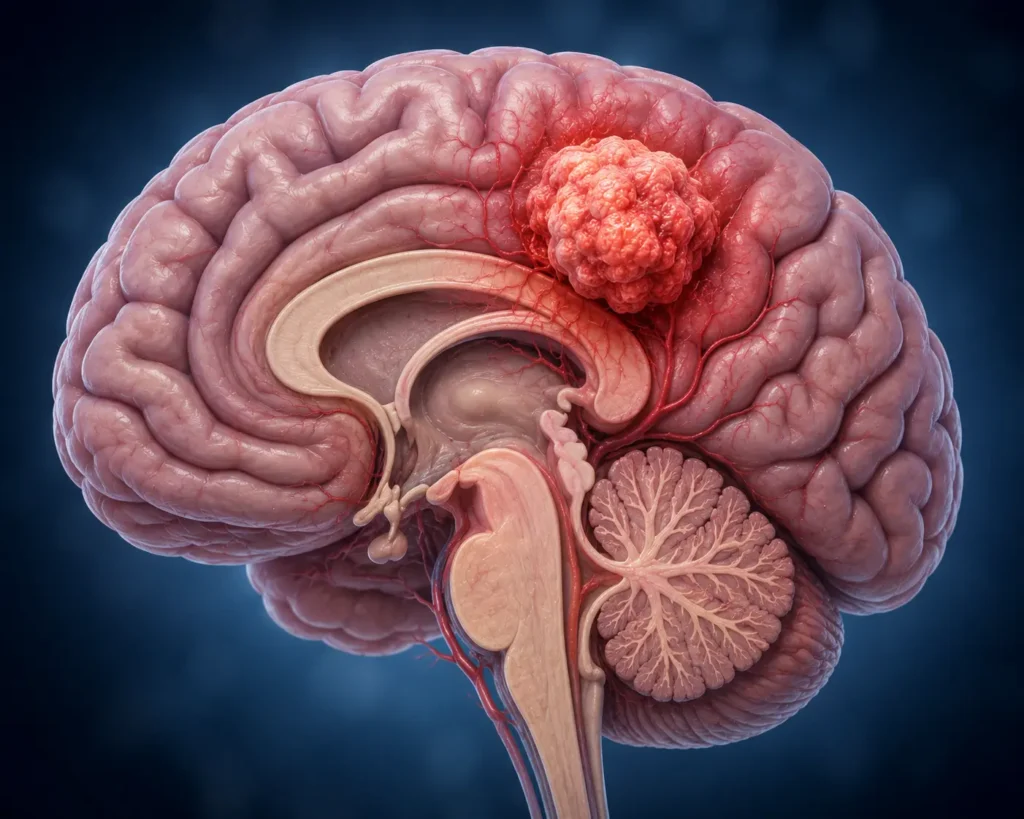
The answer is that most brain tumors do not arise from the nerve cells themselves.
Instead, they originate from other types of cells whose job is to support, nourish, and protect nerve cells. These cells still have the ability to divide in order to repair and maintain brain tissue. Because they continue to divide throughout life, they can gradually accumulate genetic changes and eventually develop into cancer.
In other words, an organ is not completely immune to cancer simply because many of its cells no longer divide. As long as there are still some cells within that organ that retain the ability to divide, the risk of cancer remains.
Overall, an organ’s risk of developing cancer depends mainly on two factors: how frequently its cells divide and how much exposure the organ has to harmful environmental agents. The more often cells divide and the more damage they are exposed to, the higher the risk of cancer. In contrast, organs whose cells divide infrequently and are well protected are much less likely to become the site where cancer begins.
WORD BANK:
thyroid cancer /ˈθaɪ.rɔɪd ˈkæn.sɚ/ (n): ung thư tuyến giáp
prostate cancer /ˈprɑː.steɪt ˈkæn.sɚ/ (n): ung thư tiền liệt tuyến
colorectal cancer /ˌkoʊ.loʊˈrek.təl ˈkæn.sɚ/ (n): ung thư đại trực tràng
nature /ˈneɪ.tʃɚ/ [B1] (n): bản chất
cell /sel/ [A2] (n): tế bào
divide /dɪˈvaɪd/ [A2] (v): phân chia
genetic material /dʒəˌnet̬.ɪk məˈtɪr.i.əl/ (n): vật chất di truyền
accumulate /əˈkjuː.mjə.leɪt/ [C1] (v): tích lũy
cancerous /ˈkæn.sɚ.əs/ (adj): bị ung thư; mang tính ung thư
organ /ˈɔːr.ɡən/ [B1] (n): cơ quan
prone to sth /proʊn/ [C1] (adj): dễ mắc, dễ gặp phải cái gì
rate /reɪt/ [B1] (n): tốc độ; tỷ lệ
likelihood /ˈlaɪk.li.hʊd/ [C1] (n): khả năng xảy ra
exposure to sth /ɪkˈspoʊ.ʒɚ/ [B2] (n): sự tiếp xúc với cái gì
ultraviolet /ˌʌl.trəˈvaɪə.lət/ (adj): tia cực tím
radiation /ˌreɪ.diˈeɪ.ʃən/ [B2] (n): bức xạ
compound /ˈkɑːm.paʊnd/ [B2] (n): hợp chất
cellular /ˈsel.jə.lɚ/ (adj): thuộc về tế bào
vulnerable to /ˈvʌl.nɚ.ə.bəl/ [B2] (adj): dễ bị tổn thương bởi
colon /ˈkoʊ.lən/ (n): đại tràng
rectum /ˈrek.təm/ (n): trực tràng
lining /ˈlaɪ.nɪŋ/ (n): lớp niêm mạc
small intestine /ˌsmɔːl ɪnˈtes.tɪn/ (n): ruột non
absorb /əbˈzɔːrb/ [B1] (v): hấp thụ
neutralize /ˈnuː.trə.laɪz/ (v): trung hòa
agent /ˈeɪ.dʒənt/ [B2] (n): tác nhân
inflammation /ˌɪn.fləˈmeɪ.ʃən/ (n): tình trạng viêm
skeletal muscle /ˈskel.ə.t̬əl ˈmʌs.əl/ (n): cơ xương
mature /məˈtʃʊr/ [B2] (adj): trưởng thành
tumor /ˈtuː.mɚ/ (n): khối u
nourish /ˈnɝː.ɪʃ/ [C2] (v): nuôi dưỡng
immune to sth /ɪˈmjuːn/ [C1] (adj): miễn nhiễm với cái gì
ỦNG HỘ READ TO LEAD!
Chào bạn! Có thể bạn chưa biết, Read to Lead là một trang giáo dục phi lợi nhuận với mục đích góp phần phát triển cộng đồng người học tiếng Anh tại Việt Nam. Chúng tôi không yêu cầu người đọc phải trả bất kỳ chi phí nào để sử dụng các sản phẩm của mình để mọi người đều có cơ hội học tập tốt hơn. Tuy nhiên, nếu bạn có thể, chúng tôi mong nhận được sự hỗ trợ tài chính từ bạn để duy trì hoạt động của trang và phát triển các sản phẩm mới.
Bạn có thể ủng hộ chúng tôi qua 1 trong 2 cách dưới đây.
– Cách 1: Chuyển tiền qua tài khoản Momo.
Số điện thoại 0947.886.865 (Chủ tài khoản: Nguyễn Tiến Trung)
Nội dung chuyển tiền: Ủng hộ Read to Lead
hoặc
– Cách 2: Chuyển tiền qua tài khoản ngân hàng.
Ngân hàng VIB chi nhánh Hải Phòng
Số tài khoản: 012704060048394 (Chủ tài khoản: Nguyễn Tiến Trung)
Nội dung chuyển tiền: Ủng hộ Read to Lead
Lớp luyện thi IELTS online
Bạn đang có nhu cầu thi chứng chỉ IELTS cho đầu vào đại học, đi du học, xin việc hay xin cư trú và đang phân vân chưa biết học ở đâu?
Nếu bạn đang tìm kiếm dịch vụ luyện thi IELTS online với giáo viên uy tín và chất lượng, cũng như học phí phải chăng, thì lớp học online của thầy Trung (Admin và dịch giả chính của Read to Lead) có thể là một lựa chọn phù hợp dành cho bạn.
Hãy liên hệ (nhắn tin) tới trang Facebook cá nhân của mình (https://www.facebook.com/nguyen.trung.509) để tìm hiểu về lớp học và được tư vấn cũng như được học thử nha!


