


[Reading level: C1 – Advanced]
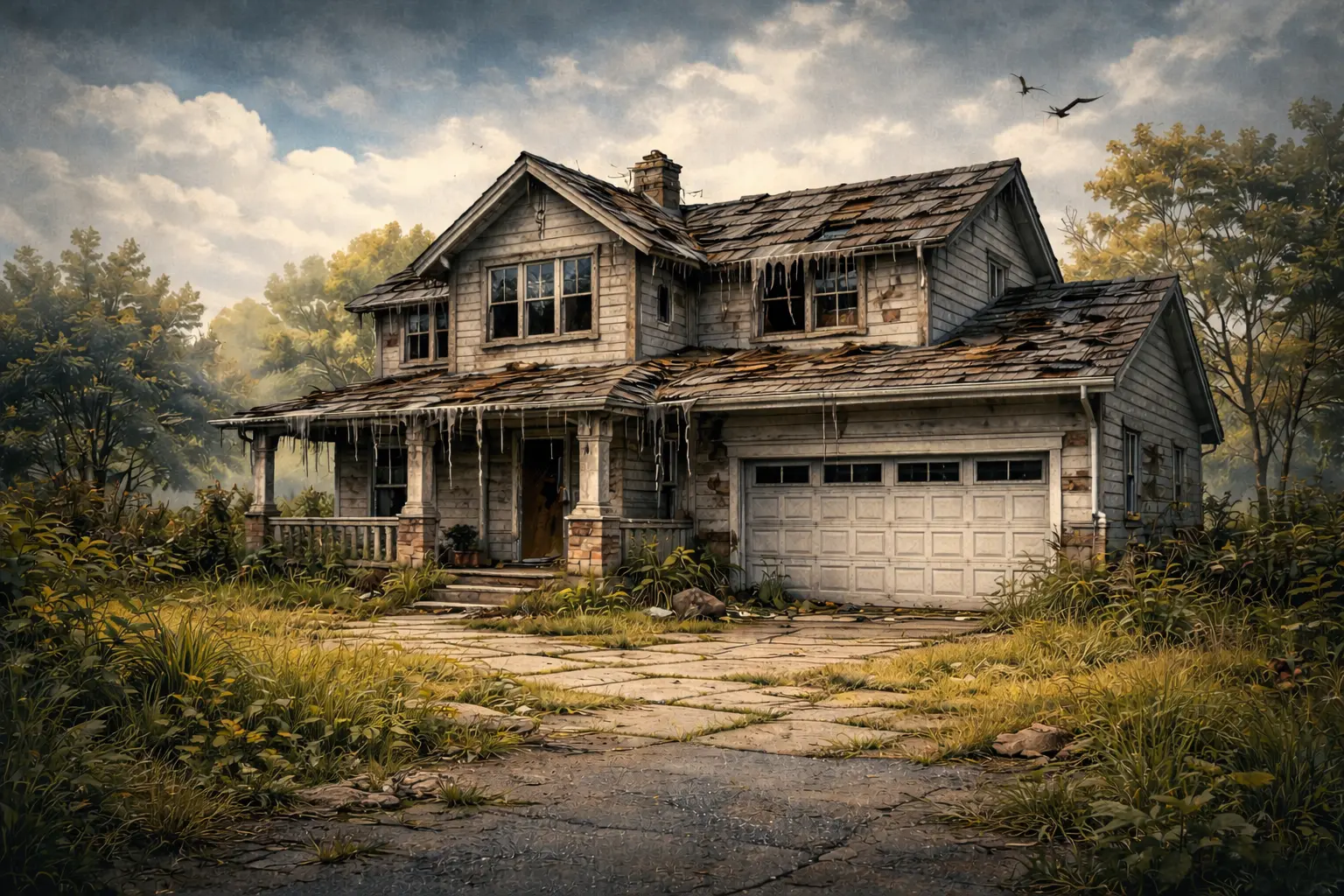
Many people believe that a house without occupants will “last longer” because it is not being used and does not suffer wear and tear from daily living. However, reality is quite the opposite: the longer a house is left vacant, the more quickly it tends to deteriorate. This is not a matter of superstition or subjective feeling, but stems from very specific physical, environmental, and operational factors inherent to the house itself.
First of all, a house is designed for human habitation. When people live in it, doors are opened regularly, air circulates, electricity and water are used consistently, and minor defects are detected and addressed in time. Human presence unintentionally creates a state of balance within the home: body warmth, air exchange, light, movement—all contribute to maintaining dryness and stability. When a house is locked up for a long period, that balance disappears.
Stagnant air is one of the primary reasons a house deteriorates quickly. In a hot and humid climate like Vietnam’s, if doors remain closed for extended periods, indoor humidity rises but cannot escape. This creates an ideal environment for mold and bacteria to thrive. Walls may develop stains, ceilings become damp and moldy, wooden floors warp, and furniture emits a musty odor. These damages occur silently and are often only discovered when they have already become quite serious.

The plumbing system is also affected when left unused for a long time. When water does not flow, sediment settles inside the pipes, and dry traps allow foul odors from the sewer to rise back up. Rubber gaskets in faucets and sinks may dry out and crack. Metal components in the piping system are more prone to rust and corrosion due to high humidity. When the house is used again, homeowners often discover blockages or leaks that they had never anticipated.

Electrical equipment is not “immune” to being left idle. Many assume that not turning appliances on will preserve them, but in reality, electronic components are highly sensitive to moisture. Outlets may oxidize, wiring can become damp and moldy, and circuit boards are more likely to fail if exposed to prolonged humidity. When powered up after months of inactivity, the risk of short circuits or even fire may be higher.
In addition, vacant houses become ideal environments for insects and animals to invade. Rats, cockroaches, termites, ants, and others often choose quiet places with little human activity to build nests. They may gnaw on electrical wires, bore into walls, damage wooden furniture, and leave behind serious consequences. Without periodic inspection, such damage can persist and spread.
Weather and the external environment also exert a silent impact. Temperature fluctuations between day and night cause materials to expand and contract continuously. Rain and wind may seep through small gaps. Prolonged exposure to sunlight can peel paint and age materials. When people are present, minor signs such as small cracks or water seepage are usually addressed early; when a house is vacant, those “small wounds” gradually turn into major damage.
It can be said that a house is not a static object but a living space that needs to be “operated” regularly. Humans not only use a house but also unintentionally maintain it through everyday activities. Therefore, if a house must be left vacant for an extended period, homeowners should periodically open doors for ventilation, run water through the pipes, switch on lights briefly, and check for moisture and pests. Only such small but consistent actions can help preserve the house’s condition over time.
WORD BANK:
wear and tear /ˌwer ən ˈter/ (n): sự hao mòn
vacant /ˈveɪ.kənt/ [B2] (adj): bỏ trống
deteriorate /dɪˈtɪr.i.ə.reɪt/ [C1] (v): xuống cấp
superstition /ˌsuː.pɚˈstɪʃ.ən/ [C1] (n): mê tín
subjective /səbˈdʒek.tɪv/ [B2] (adj): chủ quan
stem from sth /stem frəm/ (v): bắt nguồn từ
inherent to sth itself /ɪnˈher.ənt tuː/ (adj): vốn có, cố hữu của chính nó
habitation /ˌhæb.ɪˈteɪ.ʃən/ [C2] (n): sự cư trú, nơi ở
circulate /ˈsɝː.kjə.leɪt/ [B2] (v): lưu thông
minor defect /ˈmaɪ.nɚ ˈdiː.fekt/ (n): lỗi nhỏ
detect sth /dɪˈtekt/ [B2] (v): phát hiện
address sth /əˈdres/ [B2] (v): giải quyết
unintentionally /ˌʌn.ɪnˈten.ʃən.əl.i/ [C1] (adv): vô tình
dryness /ˈdraɪ.nəs/ (n): sự khô
lock up /lɑːk ʌp/ (v): khóa lại
stagnant air /ˈstæɡ.nənt er/ (n): không khí tù đọng
humid /ˈhjuː.mɪd/ [B1] (adj): ẩm
humidity /hjuːˈmɪd.ə.t̬i/ [B2] (n): độ ẩm
mold /moʊld/ (n): nấm mốc
bacteria /bækˈtɪr.i.ə/ [B2] (n): vi khuẩn
thrive /θraɪv/ [C1] (v): phát triển mạnh
stain /steɪn/ [B2] (v): làm ố
damp /dæmp/ [B1] (adj): ẩm ướt
moldy /ˈmoʊl.di/ (adj): mốc
warp /wɔːrp/ (v): cong vênh
emit /ɪˈmɪt/ [B2] (v): phát ra
musty odor /ˈmʌs.ti ˈoʊ.dɚ/ (n): mùi ẩm mốc
plumbing system /ˈplʌm.ɪŋ ˈsɪs.təm/ (n): hệ thống ống nước
left unused /left ʌnˈjuːzd/ (adj): bị bỏ không sử dụng
sediment /ˈsed.ə.mənt/ [C1] (n): cặn lắng
settle /ˈset̬.əl/ [B2] (v): lắng đọng
trap /træp/ (n): xi phông
foul odor /faʊl ˈoʊ.dɚ/ (n): mùi hôi
rubber gasket /ˈrʌb.ɚ ˈɡæs.kɪt/ (n): gioăng cao su
faucet /ˈfɑː.sɪt/ (n): vòi nước
sink /sɪŋk/ [B1] (n): bồn rửa
crack /kræk/ [B2] (v): nứt
prone to sth /proʊn tuː/ (adj): dễ bị
rust /rʌst/ (n): rỉ sét
corrosion /kəˈroʊ.ʒən/ [C1] (n): sự ăn mòn
blockage /ˈblɑː.kɪdʒ/ (n): sự tắc nghẽn
leak /liːk/ [B1] (n): rò rỉ
anticipate sth /ænˈtɪs.ə.peɪt/ [B2] (v): dự đoán trước
immune to sth /ɪˈmjuːn tuː/ (adj): miễn nhiễm với
left idle /left ˈaɪ.dəl/ (adj): bị bỏ không
sensitive to sth /ˈsen.sə.tɪv tuː/ (adj): nhạy cảm với
moisture /ˈmɔɪs.tʃɚ/ [B2] (n): độ ẩm
outlet /ˈaʊt.let/ [B2] (n): ổ cắm
oxidize /ˈɑːk.sə.daɪz/ (v): oxy hóa
wiring /ˈwaɪ.rɪŋ/ (n): hệ thống dây điện
circuit board /ˈsɝː.kɪt bɔːrd/ (n): bảng mạch
prolonged /prəˈlɔːŋd/ [C1] (adj): kéo dài
short circuit /ʃɔːrt ˈsɝː.kɪt/ (n): chập điện
invade /ɪnˈveɪd/ [B2] (v): xâm nhập
cockroach /ˈkɑːk.roʊtʃ/ (n): gián
termite /ˈtɝː.maɪt/ (n): mối
gnaw /nɔː/ (v): gặm
bore into sth /bɔːr ˈɪn.tuː/ (v): khoan, đục vào
periodic /ˌpɪr.iˈɑː.dɪk/ [B2] (adj): định kỳ
inspection /ɪnˈspek.ʃən/ [B2] (n): sự kiểm tra
persist /pɚˈsɪst/ [C1] (v): kéo dài
exert /ɪɡˈzɝːt/ [C1] (v): tác động
expand and contract /ɪkˈspænd ænd kənˈtrækt/ (v): giãn nở và co lại
seep through sth /siːp θruː/ (v): thấm qua
peel /piːl/ (v): bong tróc
age /eɪdʒ/ (v): gây lão hóa
water seepage /ˈwɔː.t̬ɚ ˈsiː.pɪdʒ/ (n): sự thấm nước
static /ˈstæt̬.ɪk/ (adj): tĩnh
unintentionally /ˌʌn.ɪnˈten.ʃən.əl.i/ [C1] (adv): vô tình
left vacant /left ˈveɪ.kənt/ (adj): bị bỏ trống
ventilation /ˌven.t̬əˈleɪ.ʃən/ [C1] (n): sự thông gió
ỦNG HỘ READ TO LEAD!
Chào bạn! Có thể bạn chưa biết, Read to Lead là một trang giáo dục phi lợi nhuận với mục đích góp phần phát triển cộng đồng người học tiếng Anh tại Việt Nam. Chúng tôi không yêu cầu người đọc phải trả bất kỳ chi phí nào để sử dụng các sản phẩm của mình để mọi người đều có cơ hội học tập tốt hơn. Tuy nhiên, nếu bạn có thể, chúng tôi mong nhận được sự hỗ trợ tài chính từ bạn để duy trì hoạt động của trang và phát triển các sản phẩm mới.
Bạn có thể ủng hộ chúng tôi qua 1 trong 2 cách dưới đây.
– Cách 1: Chuyển tiền qua tài khoản Momo.
Số điện thoại 0947.886.865 (Chủ tài khoản: Nguyễn Tiến Trung)
Nội dung chuyển tiền: Ủng hộ Read to Lead
hoặc
– Cách 2: Chuyển tiền qua tài khoản ngân hàng.
Ngân hàng VIB chi nhánh Hải Phòng
Số tài khoản: 012704060048394 (Chủ tài khoản: Nguyễn Tiến Trung)
Nội dung chuyển tiền: Ủng hộ Read to Lead
Lớp luyện thi IELTS online
Bạn đang có nhu cầu thi chứng chỉ IELTS cho đầu vào đại học, đi du học, xin việc hay xin cư trú và đang phân vân chưa biết học ở đâu?
Nếu bạn đang tìm kiếm dịch vụ luyện thi IELTS online với giáo viên uy tín và chất lượng, cũng như học phí phải chăng, thì thầy Trung và Cô Thủy (Admin và dịch giả chính của Read to Lead) có thể là một lựa chọn phù hợp dành cho bạn.
Hãy liên hệ (nhắn tin) tới trang Facebook cá nhân của mình (https://www.facebook.com/nguyen.trung.509) để tìm hiểu về lớp học và được tư vấn cũng như được học thử nha!


