


[Reading level: B2 – Upper Intermediate]
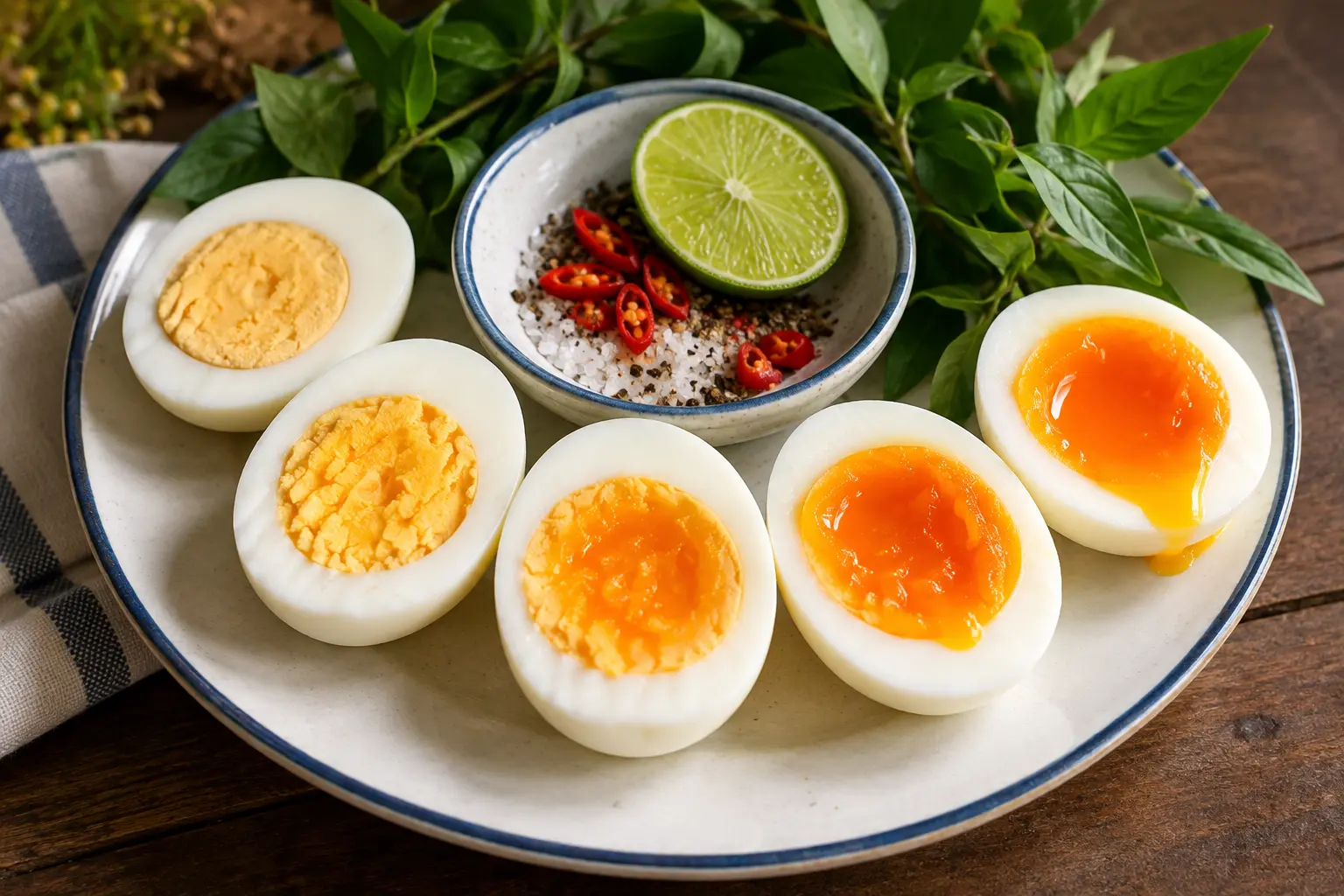
Many people enjoy soft-boiled eggs not only because of their soft, creamy yolks, but also because they believe that the less an egg is cooked, the more nutrients it retains. Fully cooked eggs, on the other hand, are often thought to lose some of their nutritional value due to longer exposure to heat.
However, when it comes specifically to protein digestion and absorption, cooked eggs actually have a clear advantage.
According to nutritionist Tsai Yi-fang from Taiwan, only about 50–60% of the protein in raw eggs can be digested and absorbed by the body, while the figure for cooked eggs can exceed 90%. In other words, cooking does not make the valuable protein in eggs “less nutritious.” On the contrary, it helps the body use the protein more efficiently.
So why is the protein in cooked eggs easier to absorb?
When exposed to heat, the structure of egg proteins becomes denatured and unfolds, allowing digestive enzymes to reach and break them down more easily. Heating also deactivates certain substances that can interfere with protein digestion.
Another example is avidin, a protein found in raw egg whites that can bind to biotin (vitamin B7), making it more difficult for the body to absorb this vitamin. When eggs are cooked, avidin is denatured, significantly reducing its effect on biotin absorption.
This also shows that the belief that “the more thoroughly eggs are cooked, the more nutrients they lose” is not entirely accurate. At normal cooking temperatures, eggs still retain most of their protein, fat, vitamins, and minerals. Some components may be affected by heat, but at the same time, cooking can make certain nutrients easier for the body to digest and use.
Soft-boiled eggsare still a nutritious food, and many people choose them simply because they enjoy the soft, creamy texture of the yolk. However, the fact that the yolk is not fully set does not mean that the egg has greater nutritional value than a fully cooked one.
A more important concern is food safety. Raw or undercooked eggs may contain Salmonella if they are contaminated and are not properly handled, stored, or cooked. Therefore, pregnant women, young children, older adults, and people with weakened immune systems should be particularly cautious about eating raw or soft-boiled eggs.
If you still enjoy soft-boiled eggs, you should choose eggs from a reliable source, preferably eggs that have been appropriately treated for consumption when undercooked, store them at the proper temperature, and eat them soon after cooking.
Therefore, there is no basis for assuming that soft-boiled eggs are “more nutritious” simply because they are cooked for less time. In terms of protein digestion and food safety, fully cooked eggs have an advantage. For healthy people, however, choosing between soft-boiled and fully cooked eggs can still come down to personal preference, as long as the eggs are handled and prepared safely.
Source: vnexpress.net
WORD BANK:
soft-boiled egg /ˌsɔːftˈbɔɪld ˈeɡ/ (n): trứng lòng đào
creamy /ˈkriː.mi/ [B2] (adj): mềm mịn, béo ngậy
yolk /joʊk/ (n): lòng đỏ trứng
nutrient /ˈnuː.tri.ənt/ [B2] (n): chất dinh dưỡng
retain sth /rɪˈteɪn/ [C1] (v): giữ lại, duy trì cái gì
exposure to sth /ɪkˈspoʊ.ʒɚ/ [B2] (n): sự tiếp xúc với cái gì
digestion /daɪˈdʒes.tʃən/ (n): sự tiêu hóa
absorption /əbˈzɔːrp.ʃən/ (n): sự hấp thu
raw /rɑː/ [B1] (adj): sống, chưa nấu chín
exceed sth /ɪkˈsiːd/ [B2] (v): vượt quá cái gì
denature /ˌdiːˈneɪ.tʃɚ/ (v): làm biến tính
unfold /ʌnˈfoʊld/ [B2] (v): mở ra, duỗi ra
digestive enzyme /daɪˈdʒes.tɪv ˈen.zaɪm/ (n): enzyme tiêu hóa
break sth down /breɪk daʊn/ [B2] (v): phân giải, phá vỡ cái gì
deactivate /ˌdiˈæk.tə.veɪt/ (v): làm mất hoạt tính, vô hiệu hóa
substance /ˈsʌb.stəns/ [B1] (n): chất
interfere with sth /ˌɪn.t̬ɚˈfɪr/ [B2] (v): cản trở, gây ảnh hưởng đến cái gì
bind to sth /baɪnd/ (v): liên kết với cái gì
entirely accurate /ɪnˈtaɪr.li ˈæk.jɚ.ət/ (adj): hoàn toàn chính xác
component /kəmˈpoʊ.nənt/ [B2] (n): thành phần
texture /ˈteks.tʃɚ/ (n): kết cấu, độ mềm/cứng của thực phẩm
set /set/ (adj): đông lại, đặc lại
contaminate /kənˈtæm.ə.neɪt/ [C1] (v): làm nhiễm bẩn, làm nhiễm khuẩn
handle /ˈhæn.dəl/ [B2] (v): xử lý, bảo quản
pregnant /ˈpreɡ.nənt/ [B2] (adj): mang thai
immune system /ɪˈmjuːn ˌsɪs.təm/ (n): hệ miễn dịch
cautious about sth /ˈkɑː.ʃəs/ [C1] (adj): thận trọng về/với cái gì
preferably /ˈpref.ɚ.ə.bli/ [B2] (adv): tốt nhất là, nếu có thể thì
undercooked /ˌʌn.dɚˈkʊkt/ (adj): chưa được nấu chín kỹ, còn tái
basis for sth /ˈbeɪ.sɪs/ [B2] (n): cơ sở, căn cứ cho cái gì
assume /əˈsuːm/ [B2] (v): cho rằng, giả định
come down to sth /kʌm daʊn/ (v): rốt cuộc phụ thuộc vào, quy về cái gì
ỦNG HỘ READ TO LEAD!
Chào bạn! Có thể bạn chưa biết, Read to Lead là một trang giáo dục phi lợi nhuận với mục đích góp phần phát triển cộng đồng người học tiếng Anh tại Việt Nam. Chúng tôi không yêu cầu người đọc phải trả bất kỳ chi phí nào để sử dụng các sản phẩm của mình để mọi người đều có cơ hội học tập tốt hơn. Tuy nhiên, nếu bạn có thể, chúng tôi mong nhận được sự hỗ trợ tài chính từ bạn để duy trì hoạt động của trang và phát triển các sản phẩm mới.
Bạn có thể ủng hộ chúng tôi qua 1 trong 2 cách dưới đây.
– Cách 1: Chuyển tiền qua tài khoản Momo.
Số điện thoại 0947.886.865 (Chủ tài khoản: Nguyễn Tiến Trung)
Nội dung chuyển tiền: Ủng hộ Read to Lead
hoặc
– Cách 2: Chuyển tiền qua tài khoản ngân hàng.
Ngân hàng VIB chi nhánh Hải Phòng
Số tài khoản: 012704060048394 (Chủ tài khoản: Nguyễn Tiến Trung)
Nội dung chuyển tiền: Ủng hộ Read to Lead
Lớp luyện thi IELTS online
Bạn đang có nhu cầu thi chứng chỉ IELTS cho đầu vào đại học, đi du học, xin việc hay xin cư trú và đang phân vân chưa biết học ở đâu?
Nếu bạn đang tìm kiếm dịch vụ luyện thi IELTS online với giáo viên uy tín và chất lượng, cũng như học phí phải chăng, thì lớp học online của thầy Trung (Admin và dịch giả chính của Read to Lead) có thể là một lựa chọn phù hợp dành cho bạn.
Hãy liên hệ (nhắn tin) tới trang Facebook cá nhân của mình (https://www.facebook.com/nguyen.trung.509) để tìm hiểu về lớp học và được tư vấn cũng như được học thử nha!


