



[Reading level: B2 – Upper Intermediate]
Many Chinese women are willing to abandon their careers, friendships, and personal lives in order to dedicate their time to supervising their children.
In Chinese, “peidu” means study companionship, referring to mothers who are willing to give up everything to push their children to study, in the hope that the children will achieve high scores, gain admission to a good university, and escape a life of poverty.
In the summer of 2021, Qi Weiwei, a social science researcher, visited a small village in Dongzhi District, Anhui Province, during a fieldwork trip. Her previous research on “peidu” mothers had taken her to Guangdong, Henan, Hunan, and Dongshan, but Dongzhi District showed a sharp surge in cases.
There, she met a 30-year-old married woman with two daughters. The husband worked in Beijing as the family’s breadwinner, while the wife quit her city job and moved to Duong Ho town to urge her daughters to study harder. But Qi soon realized this was no isolated case. In rural families, there were always mothers willing to make sacrifices in this way.
Another woman, also from Dongzhi District, had left her child with relatives in the countryside while working with her husband in Shanghai. But the child refused to do homework and wouldn’t listen to the grandparents. The young mother received a call from the homeroom teacher demanding she “come home and tutor her child.” Not wanting her child’s academic ranking to fall, she resigned and returned home.

Qi observed that mothers typically quit their jobs when their children enter Grade 8. “This is a critical period, because the following year children may go on to upper secondary school or vocational school. Not wanting their children to attend a trade school, these mothers devote all their time and money in hopes that their children will pass into high school and later university,” Qi explained.
A typical day for a “peidu” mother revolves entirely around her child. She wakes up early to cook breakfast, walks the child to school, and continues to coach the child after school hours. But many mothers take control too far. For example, if the journey from school to home normally takes 20 minutes and the child runs over that time, the parent will call the teacher to demand an explanation.
“Some mothers admit they feel forced to be strict, wanting the best for their children, but inadvertently place enormous pressure on them. The child feels monitored, begins to rebel, and talks back. The mother-child relationship becomes strained,” Qi said.
Listening to parents open up, the researcher easily sensed the anxiety and exhaustion in their words. “Peidu” mothers described a deep loneliness from spending all day beside their children with no social interaction, able only to talk to other parents in similar situations for some relief.
Beyond that, they also face pressure from society and from their own children. If their lack of supervision leads to poor grades, these women are criticized as selfish. Children may also make comparisons, longing for the same parental accompaniment they see their peers receiving. On top of that, schools place expectations on parents, stating that “being close to parents helps children study better and supports their development” — pushing the majority of mothers to accept quitting work to tutor their children while the husband earns a living.
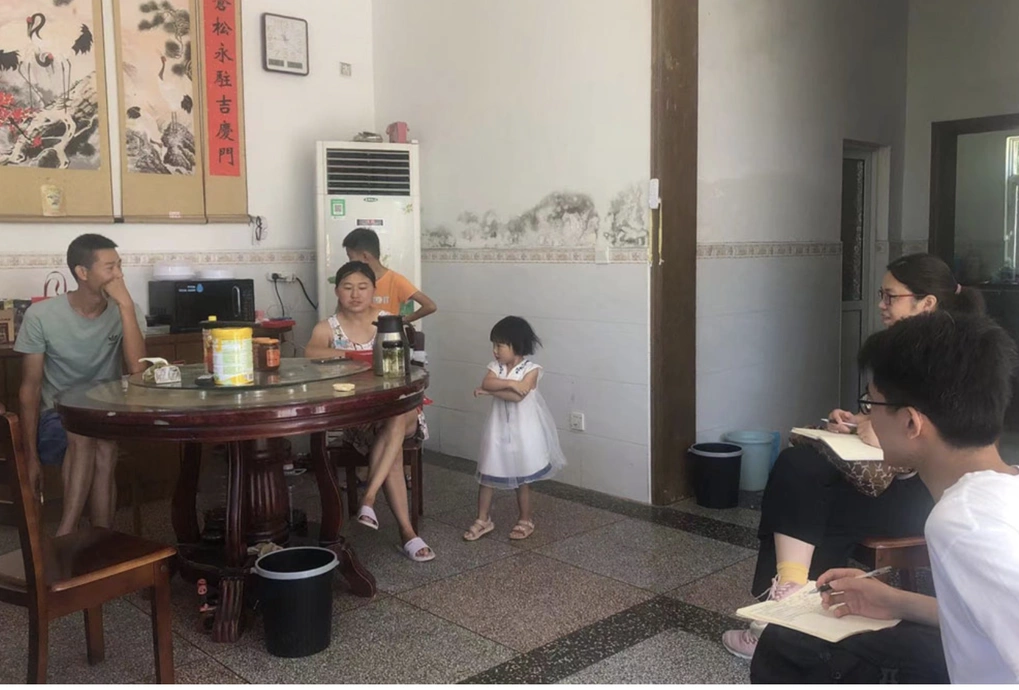
The trend of closely supervising children from an early age has also become widespread in China. In the past, mothers began intensive tutoring at Grade 12; now it starts at Grade 8. Some families even begin at primary school level. Yet these efforts have led many to question whether such sacrifice is truly worthwhile.
As a researcher, Qi believes that parents’ efforts to supervise and push their children are not truly effective. Very few students achieve high scores and pass university entrance exams. “What they can do well is care for daily life — making sure their children eat properly.”
Other experts who have studied “peidu” have reached similar conclusions in villages and towns across Gansu, Shanxi, and Hubei provinces in central and western China.
Beyond frustration, mothers also expressed grief over the career opportunities they had lost out on by staying home. By the time the tutoring years are over, they are in their 40s or 50s — an age very few companies want to hire. “Unable to find work, they are forced to depend on their husbands or take on manual labor to get by,” Qi said.
Beyond those who successfully raised high-achieving children, some are paying a heavy price. Qi once spoke with a woman whose daughter was admitted to a good university, but whose relationship with her daughter had become strained during the middle school years.
“If I hadn’t kept a close eye on them, they would surely blame me when they got bad grades and couldn’t get into university. My child may resent me, but I know I have fulfilled my duty as a mother,” the woman shared.
Source: Sixthtone
WORD BANK:
abandon /əˈbæn.dən/ [B2] (v): từ bỏ (sự nghiệp, cuộc sống)
dedicate sth to sth /ˈded.ɪ.keɪt/ [B2] (v): dành trọn cái gì cho cái gì
supervise /ˈsuː.pɚ.vaɪz/ [B2] (v): giám sát, quản thúc
companionship /kəmˈpæn.jən.ʃɪp/ [C1] (n): sự đồng hành, tình bạn đồng hành
gain admission to /ɡeɪn ədˈmɪʃ.ən/ (phrase): được nhận vào, đỗ vào
sharp surge /ʃɑːrp sɝːdʒ/ (n): sự gia tăng đột biến
breadwinner /ˈbrɛd.wɪn.ɚ/ [B2] (n): trụ cột gia đình (người kiếm tiền chính)
urge sb to do sth /ɝːdʒ/ [B2] (v): thúc giục, đôn đúc ai làm gì
isolated case /ˈaɪ.sə.leɪ.tɪd keɪs/ (n): trường hợp cá biệt
homeroom teacher /ˈhoʊm.ruːm ˈtiː.tʃɚ/ (n): giáo viên chủ nhiệm
academic ranking /ˌæk.əˈdem.ɪk ˈræŋ.kɪŋ/ (n): thứ hạng học tập
resign /rɪˈzaɪn/ [B2] (v): nghỉ việc, từ chức
typically /ˈtɪp.ɪ.kəl.i/ [B2] (adv): thường, thông thường
critical /ˈkrɪt.ɪ.kəl/ [B2] (adj): then chốt, quan trọng (ở đây không mang nghĩa “chỉ trích”)
vocational school /voʊˈkeɪ.ʃən.əl skuːl/ (n): trường dạy nghề
devote sth to sth /dɪˈvoʊt/ [B2] (v): dốc toàn bộ, cống hiến
revolve around sth /rɪˈvɑːlv əˈraʊnd/ [B2] (v): xoay quanh cái gì
coach /koʊtʃ/ [B2] (v): kèm cặp, huấn luyện
go too far (phrase): làm quá đà, vượt quá giới hạn
demand an explanation (phrase): chất vấn, yêu cầu giải thích
inadvertently /ˌɪn.ədˈvɝː.t̬ənt.li/ [C1] (adv): vô tình, không cố ý
rebel /rɪˈbel/ [B2] (v): nổi loạn, phản kháng
talk back (phrasal v): cãi lại, cãi lời
strained /streɪnd/ [C1] (adj): căng thẳng (về mối quan hệ)
sense sth /sens/ [B2] (v): cảm nhận, nhận ra điều gì
anxiety /æŋˈzaɪ.ə.t̬i/ [B2] (n): sự lo âu
exhaustion /ɪɡˈzɔː.stʃən/ [C1] (n): sự kiệt sức, mệt mỏi tột độ
loneliness /ˈloʊn.li.nəs/ [B2] (n): sự cô đơn, cô độc
social interaction /ˈsoʊ.ʃəl ˌɪn.tɚˈæk.ʃən/ (n): sự tương tác xã hội
be in similar situations (phrase): chung cảnh ngộ
accompaniment /əˈkʌm.pə.ni.mənt/ [C1] (n): sự đồng hành
expectation /ˌek.spekˈteɪ.ʃən/ [B2] (n): kỳ vọng
intensive tutoring /ɪnˈten.sɪv ˈtuː.t̬ɚ.ɪŋ/ (n): việc kèm cặp chuyên sâu
question /ˈkwes.tʃən/ [B2] (v): hoài nghi, đặt câu hỏi về
worthwhile /ˌwɝːθˈwaɪl/ [B2] (adj): xứng đáng, đáng công
entrance exam /ˈen.trəns ɪɡˌzæm/ (n): kỳ thi tuyển sinh, kỳ thi đại học
reach similar conclusions (phrase): đi đến kết luận tương tự
grief /ɡriːf/ [B2] (n): nỗi buồn phiền, đau khổ
lose out on sth (phrase): bỏ lỡ, đánh mất (cơ hội)
manual labor /ˈmæn.ju.əl ˈleɪ.bɚ/ (n): lao động chân tay
pay a heavy price (phrase): trả giá đắt
be admitted to /ədˈmɪt.ɪd/ [B2] (phrase): được nhận vào, đỗ vào (trường)
keep a close eye on sb/sth (phrase): theo dõi sát sao, giám sát kỹ ai/cái gì
resent /rɪˈzent/ [C1] (v): oán giận, thù ghét
fulfill one’s duty /fʊlˈfɪl ˈduː.t̬i/ (phrase): làm tròn bổn phận
ỦNG HỘ READ TO LEAD!
Chào bạn! Có thể bạn chưa biết, Read to Lead là một trang giáo dục phi lợi nhuận với mục đích góp phần phát triển cộng đồng người học tiếng Anh tại Việt Nam. Chúng tôi không yêu cầu người đọc phải trả bất kỳ chi phí nào để sử dụng các sản phẩm của mình để mọi người đều có cơ hội học tập tốt hơn. Tuy nhiên, nếu bạn có thể, chúng tôi mong nhận được sự hỗ trợ tài chính từ bạn để duy trì hoạt động của trang và phát triển các sản phẩm mới.
Bạn có thể ủng hộ chúng tôi qua 1 trong 2 cách dưới đây.
– Cách 1: Chuyển tiền qua tài khoản Momo.
Số điện thoại 0947.886.865 (Chủ tài khoản: Nguyễn Tiến Trung)
Nội dung chuyển tiền: Ủng hộ Read to Lead
hoặc
– Cách 2: Chuyển tiền qua tài khoản ngân hàng.
Ngân hàng VIB chi nhánh Hải Phòng
Số tài khoản: 012704060048394 (Chủ tài khoản: Nguyễn Tiến Trung)
Nội dung chuyển tiền: Ủng hộ Read to Lead
Lớp luyện thi IELTS online
Bạn đang có nhu cầu thi chứng chỉ IELTS cho đầu vào đại học, đi du học, xin việc hay xin cư trú và đang phân vân chưa biết học ở đâu?
Nếu bạn đang tìm kiếm dịch vụ luyện thi IELTS online với giáo viên uy tín và chất lượng, cũng như học phí phải chăng, thì thầy Trung và Cô Thủy (Admin và dịch giả chính của Read to Lead) có thể là một lựa chọn phù hợp dành cho bạn.
Hãy liên hệ (nhắn tin) tới trang Facebook cá nhân của mình (https://www.facebook.com/nguyen.trung.509) để tìm hiểu về lớp học và được tư vấn cũng như được học thử nha!


bài hay quá ạ